(7% discount is applied at checkout)
Cart is empty
Your go-to destination for cutting-edge server products
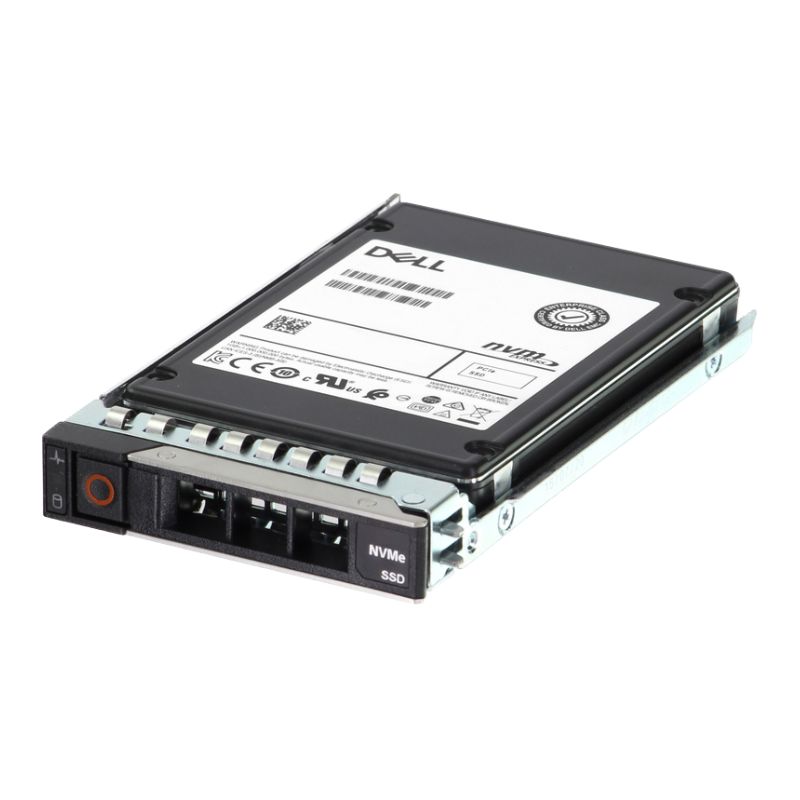


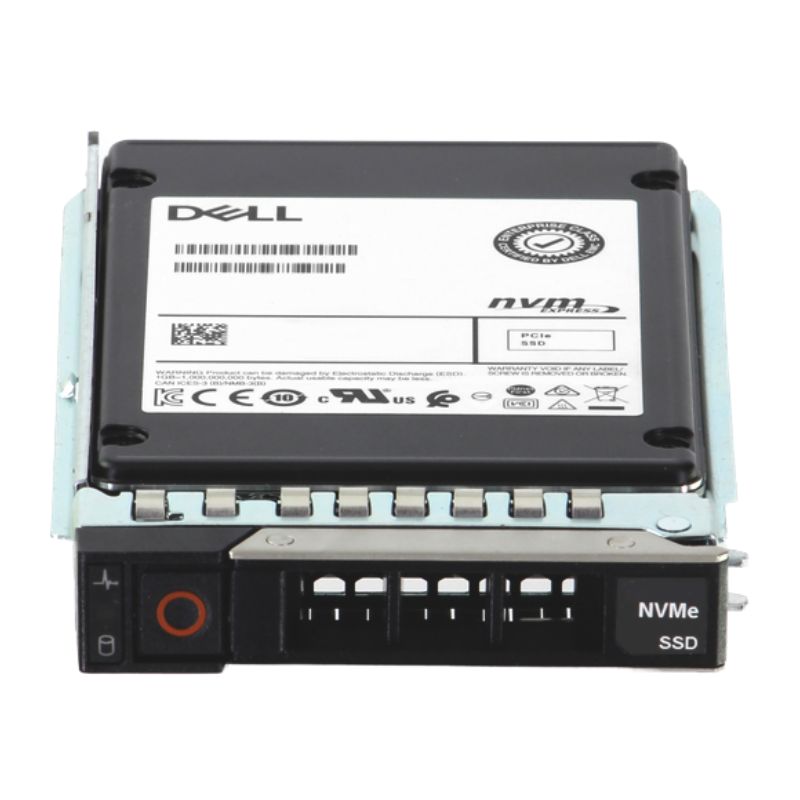
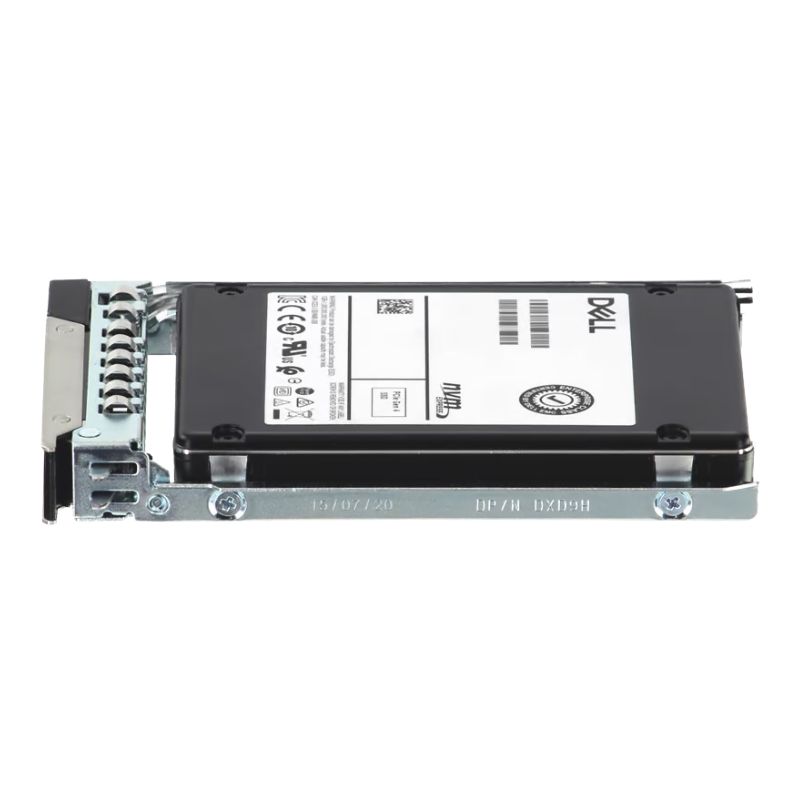
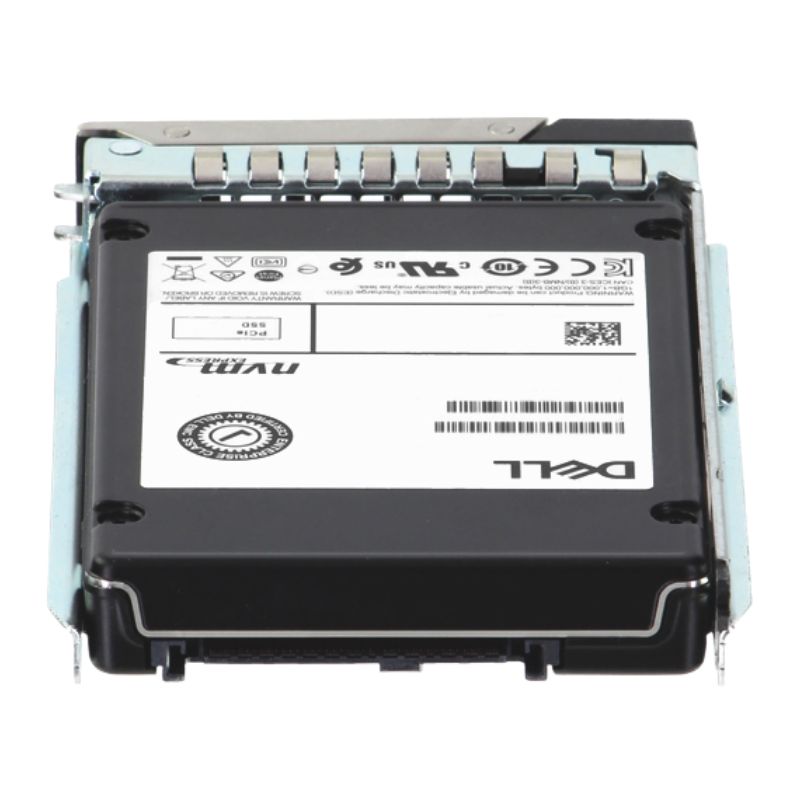
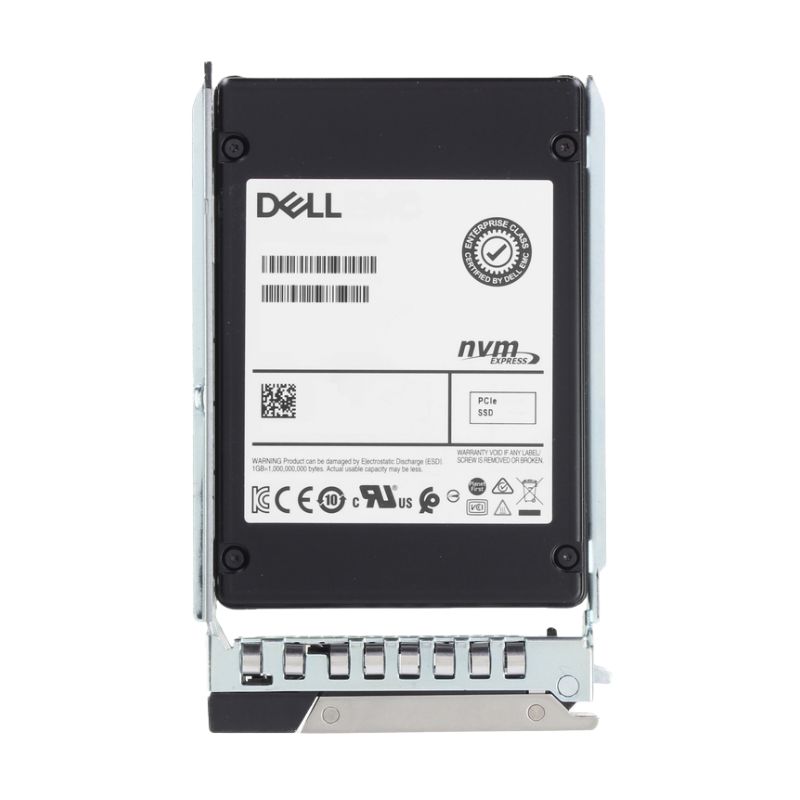
Dell 8YR0C NVMe 61.44TB QLC PCIe 4.0 x4 U.2 SFF SSD 14g, 15g, 16g And 17g Poweredge Server. New Sealed in Box (NIB) with 1 year Warranty - Call
The Dell 61.44TB PCIe Gen4 x4 NVMe U.2 2.5-Inch Small Form Factor SSD. Represents one of the most advanced enterprise-grade solid-state drives engineered for Dell PowerEdge 14G, 15G, 16G, and 17G servers. Featuring state-of-the-art QLC 3D NAND architecture and high-speed PCIe 4.0 connectivity, this SSD delivers massive capacity, lightning-fast performance, and exceptional endurance tailored for data-intensive workloads and large-scale enterprise deployments.
Technical Specifications
In the realm of enterprise data storage, the Dell 8YR0C represents a paradigm shift. This 61.44TB NVMe SSD is engineered for the most demanding data-intensive workloads, offering a colossal capacity point that redefines storage density for modern data centers. As a U.2 form factor drive leveraging the PCIe 4.0 interface, it delivers blistering speeds while maintaining compatibility with Dell's robust PowerEdge server ecosystem, specifically validated for the 14th, 15th, 16th, and 17th generations. This category is dedicated to IT architects, data center managers, and storage administrators who require a foundational understanding of this drive's capabilities, its optimal use cases, and its seamless integration into Dell's server infrastructure to build the storage backbone of the future.
To fully appreciate the capabilities of the Dell 8YR0C, one must explore the advanced technologies that constitute its foundation. This isn't merely a large-capacity drive; it's a sophisticated storage solution built with specific enterprise-grade components and protocols.
The Non-Volatile Memory Express (NVMe) protocol is the cornerstone of this drive's performance. Unlike legacy protocols like SATA or SAS, which were designed for slower spinning disks, NVMe is built from the ground up for flash memory. It operates over a high-speed PCIe 4.0 x4 lane, which provides a theoretical bandwidth of up to 8 GB/s (or 64 Gb/s) per direction. This combination drastically reduces command overhead and latency, enabling the 8YR0C to service a massive number of parallel I/O operations simultaneously. For applications involving real-time analytics, high-frequency trading, or massive virtual machine deployments, this low-latency, high-throughput access is non-negotiable.
The 61.44TB capacity is achieved through the use of QLC NAND flash. QLC technology stores four bits of data per memory cell, a significant density improvement over TLC (three bits), MLC (two bits), or SLC (one bit). While QLC has historically been associated with consumer-grade drives due to lower endurance, enterprise-grade QLC, as used in the 8YR0C, is a different class of product. It is coupled with sophisticated wear-leveling algorithms, over-provisioning, and powerful error correction codes (ECC) to deliver a level of endurance and reliability suitable for many enterprise read-intensive and capacity-optimized workloads. This makes it a cost-effective solution for building massive-scale storage pools without sacrificing performance.
The U.2 form factor, also known as SFF-8639, is a critical enabler for the 8YR0C's blend of performance and density. This 2.5-inch drive form factor is hot-swappable, a mandatory feature for enterprise servers that require maintenance and upgrades without downtime. It provides a compact footprint, allowing organizations to pack petabytes of storage into a single PowerEdge server chassis. The U.2 connector supports both PCIe and NVMe signals natively, ensuring a direct, high-speed connection to the system's CPU, bypassing any legacy storage controllers that could create a bottleneck.
The 14th Generation PowerEdge servers, such as the R740xd and R740xd2, were among the first to widely support NVMe in the U.2 form factor. Integrating the 8YR0C into a 14g server transforms it into a high-density storage node, ideal for scale-out storage architectures, archival systems, or as a primary repository for large media assets. The BIOS and Dell PERC HBA controllers in these systems are certified to recognize and manage this drive effectively.
With the 15th Generation, Dell enhanced NVMe support and system bandwidth. Servers like the R750xs and R7525 (AMD-based) offer improved PCIe lane management, which allows the 8YR0C to operate closer to its full potential. The iDRAC9 lifecycle controller in 15g servers provides more granular monitoring and predictive failure analysis for the drive, leveraging its built-in S.M.A.R.T. attributes.
The 16th Generation PowerEdge servers are built with the latest Intel and AMD processors that natively support PCIe 4.0. This generational synergy is crucial. When a PCIe 4.0 SSD like the 8YR0C is installed in a PCIe 4.0 slot, it eliminates any potential bandwidth bottlenecks present in previous generations. This results in peak sequential read and write performance. Furthermore, 16g servers feature more advanced cooling designs to maintain optimal temperatures for high-power components like the 61.44TB SSD under sustained load.
As the most recent server generation, the 17g PowerEdge family represents the pinnacle of integration with the 8YR0C. These servers often feature PCIe 5.0 slots, which are backward compatible with the PCIe 4.0 drive, ensuring a smooth upgrade path. The system management and telemetry capabilities are the most advanced, offering deep insights into drive health, performance trends, and capacity planning. Deploying the 8YR0C in a 17g server ensures the infrastructure is ready for future advancements while maximizing the value of this high-capacity storage today.
The Dell 8YR0C is not a one-size-fits-all solution; it is strategically positioned for specific types of data-centric applications where its massive capacity and high-speed NVMe performance provide a tangible return on investment.
In media production, post-production, and broadcasting, projects involving 4K, 8K, and virtual reality content generate files that are terabytes in size. The 8YR0C serves as an ideal "online" or "nearline" storage tier, where active projects can be stored for immediate, high-bandwidth access by multiple editors, artists, and rendering nodes simultaneously. This eliminates the need to constantly shuffle data between fast and slow storage tiers during a project's lifecycle.
The Dell 8YR0C 61.44TB SSD is fully certified for compatibility with a wide range of Dell PowerEdge systems. Its U.2 interface allows seamless integration with enterprise storage backplanes, ensuring plug-and-play installation in supported models. Designed for forward compatibility, it supports both current and next-generation PowerEdge platforms. A key strength of the Dell 8YR0C is its official validation and optimization for specific generations of Dell PowerEdge servers. This ensures not just basic functionality, but also firmware compatibility, optimal performance tuning, and reliable management integration.


 Contact Us
 Information
 Catalog
 Solid State Drives (SSD)
 Network Switches
 Hard Disk Drives
 HBA & Controllers
 PC & Servers
 PC & Server Memory
 CPU & Processors
 Network Routers
 Power Supplies
 Tape Drives & Libraries
 Network Devices
 Computer & Network Cables