(7% discount is applied at checkout)
Cart is empty
Your go-to destination for cutting-edge server products
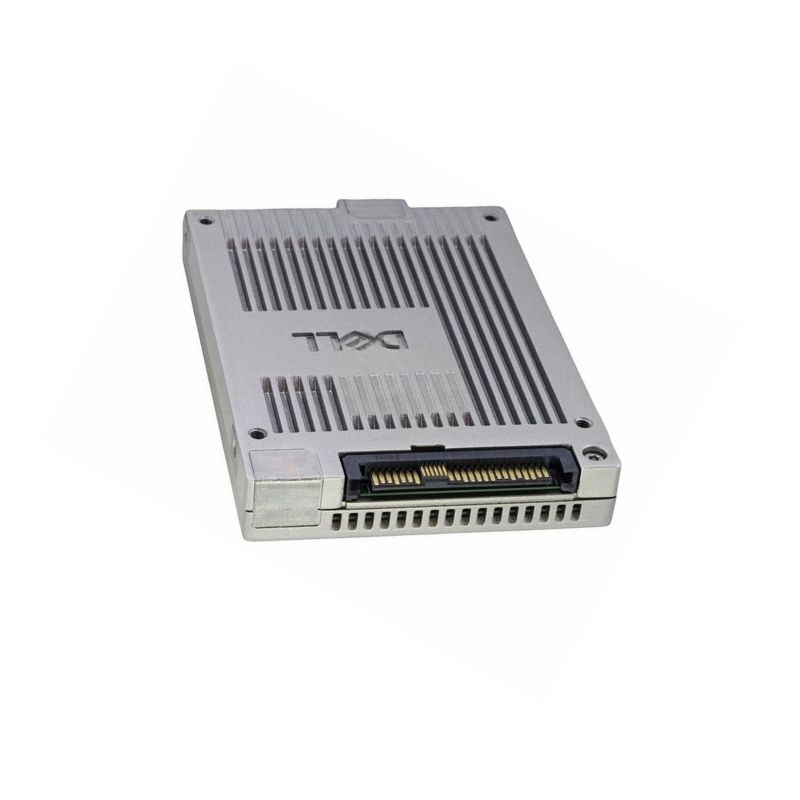


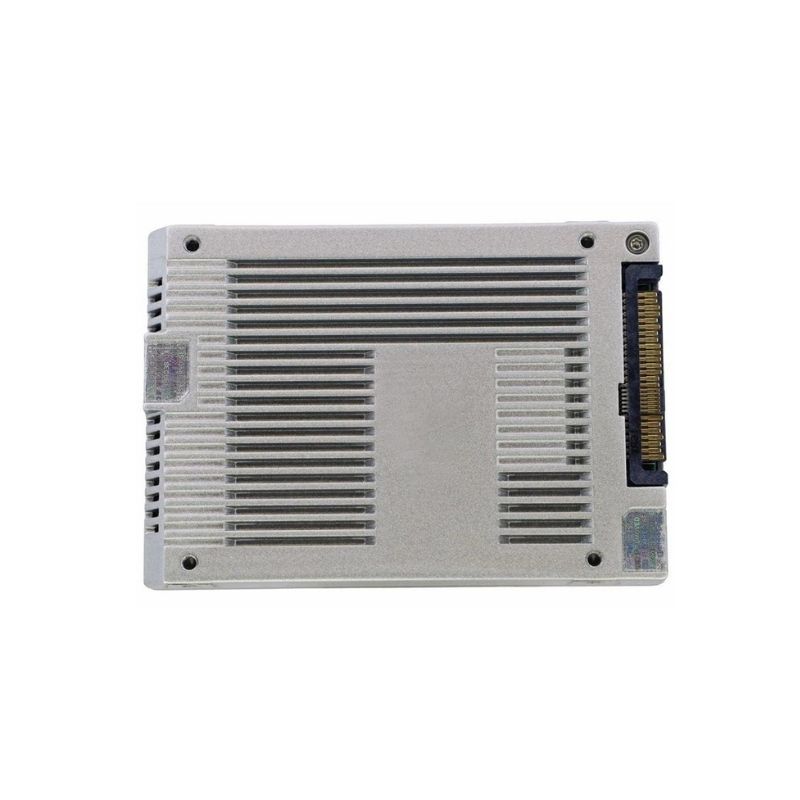
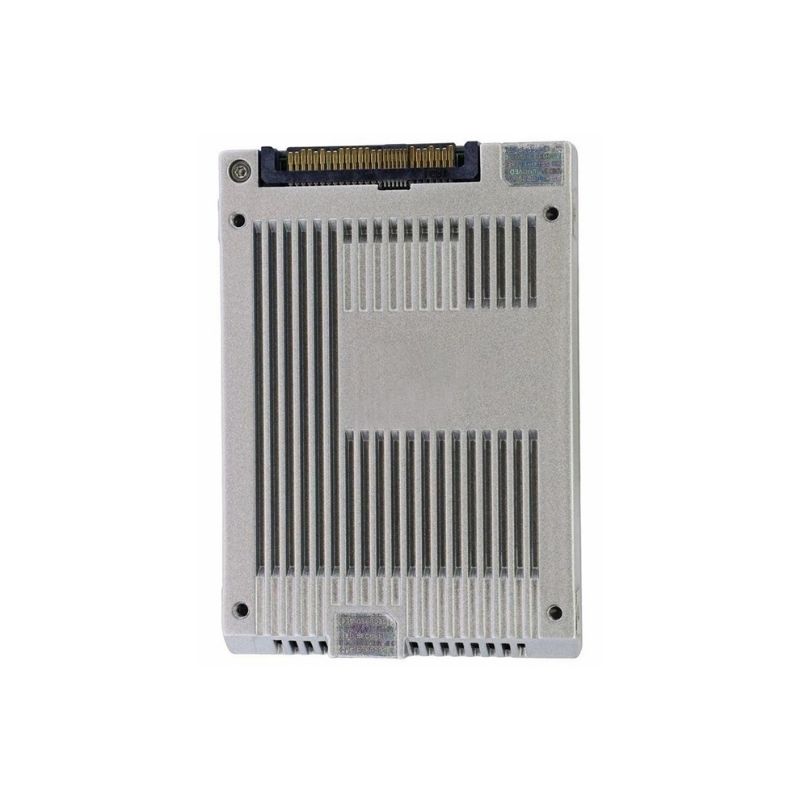
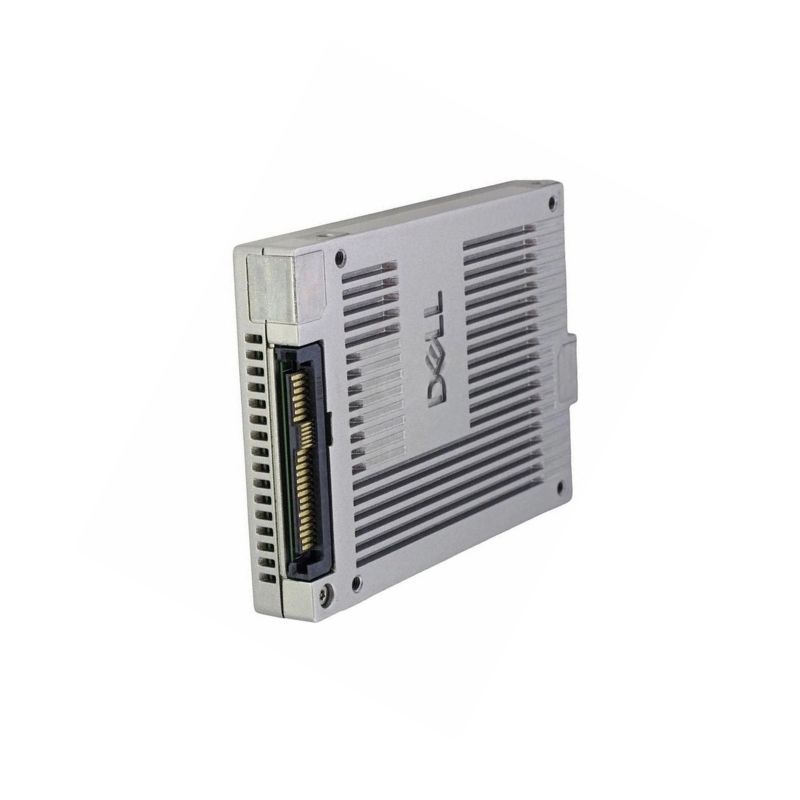
Dell 95J4V 3.84TB PCI-E Gen4 NVMe U.2 SSF RI 1DWPD SSD. Excellent Refurbished with 1 year replacement warranty
Overview of Dell Enterprise-Grade NVMe Storage Solutions
The Dell 95J4V 3.84TB PCIe Gen4 NVMe U.2 solid state drive is designed to meet the growing performance and reliability demands of enterprise data centers. Built for Dell PowerEdge server environments across multiple generations, this read-intensive SSD delivers a balanced combination of speed, endurance, and efficiency. It is optimized for workloads that require fast data access, consistent throughput, and dependable operation in mission-critical infrastructures.
The Dell 95J4V 3.84TB PCIe Gen4 NVMe U.2 2.5 Inch SSF RI 1DWPD SSD represents a high-capacity enterprise solid-state storage category designed to address the performance, scalability, and endurance requirements of modern data centers. This category focuses on PCIe Gen4 NVMe drives engineered for servers and storage platforms that demand low latency, high throughput, and consistent reliability under sustained workloads. As part of the U.2 form factor ecosystem, this storage class is optimized for hot-swappable server bays while maintaining advanced NVMe protocol efficiency.
Drives within this category are purpose-built for enterprise infrastructures where predictable performance, data integrity, and long-term durability are non-negotiable. The combination of NVMe technology with PCIe Gen4 bandwidth allows systems to overcome legacy storage bottlenecks, enabling faster access to mission-critical datasets. This category addresses the growing need for storage solutions that can keep pace with multi-core processors, virtualization platforms, containerized workloads, and high-speed networking architectures.
PCIe Gen4 NVMe SSDs operate on a high-speed interface that significantly outperforms traditional SATA and SAS storage technologies. This category leverages the PCIe Gen4 standard to deliver increased lane bandwidth, allowing for higher sequential read and write speeds as well as improved input/output operations per second. In enterprise deployments, this translates into faster application response times, reduced transaction latency, and enhanced system efficiency.
The NVMe protocol itself is designed to minimize command overhead and maximize parallelism. Storage devices in this category benefit from direct communication with the CPU, reducing latency compared to older storage protocols. This makes PCIe Gen4 NVMe SSDs particularly suitable for real-time analytics, database processing, and virtual machine hosting where consistent low-latency access is critical.
One of the defining characteristics of this category is its ability to scale performance in line with evolving server architectures. PCIe Gen4 doubles the bandwidth of PCIe Gen3, enabling storage subsystems to support more concurrent workloads without saturation. This scalability ensures that as processors gain additional cores and memory bandwidth increases, the storage layer does not become a limiting factor.
Enterprise systems utilizing this category can achieve balanced performance across compute, memory, and storage, resulting in more efficient resource utilization. This alignment is essential for organizations seeking to maximize return on investment from high-performance server hardware.
Low-latency performance is a core requirement for transactional applications such as online transaction processing systems, financial platforms, and real-time analytics engines. SSDs in this category are optimized to deliver predictable response times even under heavy load, ensuring that applications remain responsive during peak usage periods.
This consistency is particularly valuable in environments where service-level agreements depend on fast data access and minimal performance variation. By reducing storage-induced delays, this category supports smoother application execution and improved end-user experiences.
The U.2 2.5 inch small form factor is a critical element of this category, providing compatibility with enterprise server and storage chassis. This form factor allows NVMe drives to be deployed in standard hot-swap bays, simplifying maintenance and upgrades without requiring system downtime. The physical design supports efficient airflow and thermal management, which are essential for sustaining performance in dense server environments.
Drives in this category are engineered to integrate seamlessly into existing infrastructure, enabling organizations to adopt NVMe technology without extensive hardware redesign. The standardized form factor ensures interoperability across a wide range of server platforms, making this category a flexible choice for enterprise IT environments.
Hot-swap support is a defining feature of the U.2 form factor, allowing drives to be replaced or added while the system remains operational. This capability is vital for enterprise environments that require continuous uptime and rapid serviceability. Storage devices in this category are designed to support non-disruptive maintenance, reducing operational risk and improving overall system availability.
Serviceability considerations extend beyond physical replacement, encompassing firmware management and health monitoring. Enterprise NVMe SSDs are equipped with advanced telemetry and management features that help administrators proactively address potential issues.
Thermal efficiency is a key focus within this category, as high-performance NVMe drives generate more heat than traditional storage devices. The U.2 form factor facilitates effective heat dissipation through optimized airflow paths and chassis integration. This ensures that drives can sustain peak performance without thermal throttling.
Power efficiency is equally important, particularly in large-scale data centers where energy consumption directly impacts operational costs. Storage devices in this category are engineered to balance performance and power usage, contributing to more sustainable infrastructure deployments.
The Dell 95J4V 3.84TB SSD falls within a read-intensive endurance category characterized by a 1 drive write per day rating. This endurance profile is designed for workloads that involve frequent data reads with moderate write activity. Typical use cases include content delivery, data warehousing, and analytics platforms where datasets are read repeatedly over extended periods.
The 1DWPD rating indicates that the drive can sustain writing its full capacity once per day throughout its warranty period. This level of endurance ensures reliable operation in environments where write activity is controlled and predictable, aligning with the needs of read-heavy enterprise applications.
Read-intensive SSDs in this category are optimized to deliver high read throughput and low read latency while maintaining sufficient write endurance for supporting system operations. This balance makes them suitable for applications such as search engines, reporting systems, and reference databases where read performance is critical.
By focusing on read optimization, this category delivers cost-effective performance for workloads that do not require the higher endurance levels associated with write-intensive applications.
Enterprise read-intensive SSDs are designed to operate continuously under demanding conditions. The endurance profile ensures consistent performance and data integrity throughout the drive’s lifespan. Advanced wear-leveling algorithms and error correction mechanisms help maintain reliability even as the drive approaches its endurance limits.
This emphasis on longevity reduces the frequency of drive replacements and lowers total cost of ownership for enterprise storage deployments.
The 3.84TB capacity offered by this category provides a significant storage density advantage for enterprise environments. High-capacity NVMe SSDs enable organizations to consolidate data onto fewer drives, reducing the number of physical components required within a server or storage array. This consolidation simplifies management and improves overall system efficiency.
High-density storage is particularly valuable in space-constrained data centers where maximizing capacity per rack unit is a priority. By delivering substantial storage in a compact form factor, this category supports scalable growth without requiring extensive infrastructure expansion.
Consolidating data onto high-capacity drives reduces cabling complexity, power consumption, and cooling requirements. This simplification contributes to more streamlined infrastructure designs and easier maintenance. Enterprise administrators benefit from fewer points of failure and more predictable performance across the storage environment.
Data consolidation also supports improved data management practices, enabling more efficient backup, replication, and disaster recovery strategies.
Modern enterprise applications often rely on large datasets that must be accessed quickly and reliably. The capacity offered by this category allows organizations to store extensive datasets locally within high-performance storage tiers. This proximity to compute resources reduces data access latency and enhances application responsiveness.
High-capacity NVMe storage is particularly advantageous for analytics, artificial intelligence, and machine learning workloads that require rapid access to large volumes of data.
Reliability and data integrity are central to the design philosophy of enterprise NVMe SSD categories. Drives such as the Dell 95J4V incorporate advanced error correction, power loss protection, and firmware validation processes to safeguard data under all operating conditions. These features are essential for maintaining trust in enterprise storage systems.
Firmware optimization ensures that the drive operates efficiently within Dell server ecosystems, providing predictable behavior and compatibility with enterprise management tools. This integration enhances overall system stability and simplifies lifecycle management.
Advanced error correction technologies are employed to detect and correct data errors before they impact system operations. These mechanisms work continuously in the background, preserving data accuracy and preventing corruption. Power loss protection features further ensure that in-flight data is safely committed in the event of unexpected power interruptions.
Such protections are critical in enterprise environments where data loss can have significant operational and financial consequences.
The Dell 95J4V 3.84TB PCIe Gen4 NVMe U.2 SSD category is well-suited to a broad range of enterprise and data center applications. Its performance characteristics and endurance profile align with workloads that prioritize fast read access, consistent latency, and reliable operation. Typical deployment scenarios include virtualization platforms, cloud infrastructure, and content delivery networks.
This category also supports emerging workloads such as real-time analytics and edge computing, where rapid data access and high reliability are essential. By delivering enterprise-grade performance in a standardized form factor, these SSDs enable flexible deployment across diverse environments.
Virtualized environments place unique demands on storage systems, requiring high IOPS and low latency to support multiple concurrent virtual machines. NVMe SSDs in this category provide the performance headroom necessary to maintain consistent virtual machine performance, even as workloads fluctuate.
In cloud infrastructure, high-capacity NVMe storage supports scalable tenant environments and efficient resource allocation, contributing to improved service quality.
Analytics platforms and content delivery services rely heavily on fast read access to large datasets. The read-intensive design of this category makes it an ideal choice for such applications. By reducing data access times, these SSDs help accelerate insights, improve content delivery speeds, and enhance user experiences.
The combination of capacity, performance, and reliability supports continuous operation in data-driven environments.
Enterprise storage categories centered on PCIe Gen4 NVMe technology are inherently future-ready, designed to support evolving workload requirements and technological advancements. The scalability of this category allows organizations to expand capacity and performance incrementally, aligning storage investments with business growth.
By adopting NVMe U.2 SSDs with enterprise endurance ratings, organizations position their infrastructure to accommodate future application demands without significant architectural changes.
Next-generation server platforms are increasingly optimized for NVMe storage, offering native support for high-speed PCIe interfaces. This category aligns with these platforms, ensuring compatibility and maximizing performance potential. As server architectures continue to evolve, NVMe SSDs remain a foundational component of high-performance storage strategies.
This alignment reduces the need for future retrofits and protects infrastructure investments over time.
Digital transformation initiatives often require flexible, high-performance storage solutions capable of supporting diverse workloads. The Dell 95J4V 3.84TB PCIe Gen4 NVMe SSD category provides the reliability and scalability needed to support these initiatives. Its enterprise-focused design ensures that storage infrastructure can adapt to changing business requirements.
By integrating this category into their storage strategies, organizations can build resilient, high-performing systems that support long-term innovation and growth.


 Contact Us
 Information
 Catalog
 Solid State Drives (SSD)
 Network Switches
 Hard Disk Drives
 HBA & Controllers
 PC & Servers
 PC & Server Memory
 CPU & Processors
 Network Routers
 Power Supplies
 Tape Drives & Libraries
 Network Devices
 Computer & Network Cables