(7% discount is applied at checkout)
Cart is empty
Your go-to destination for cutting-edge server products
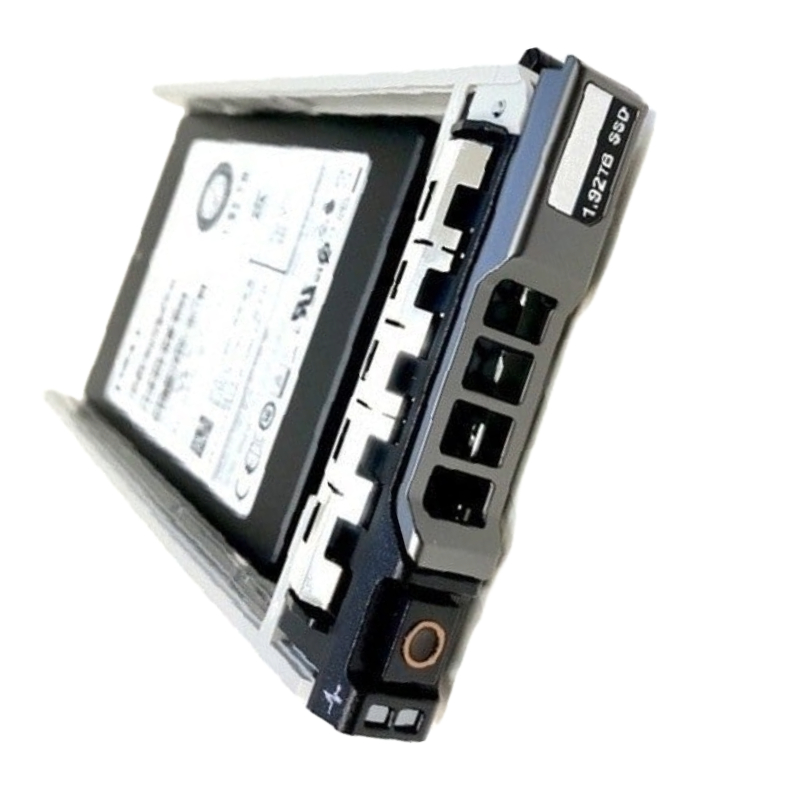


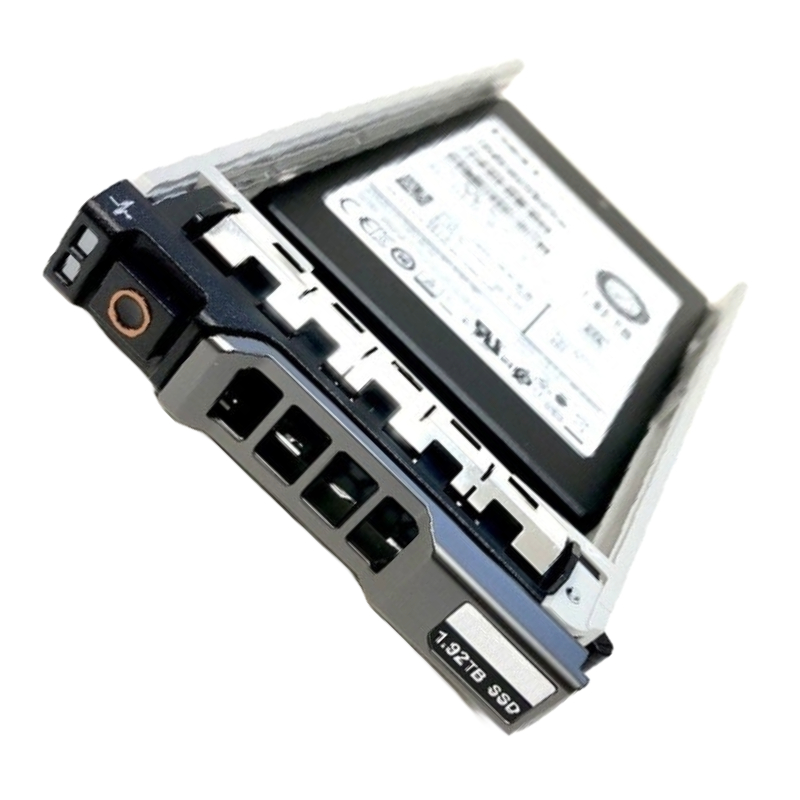
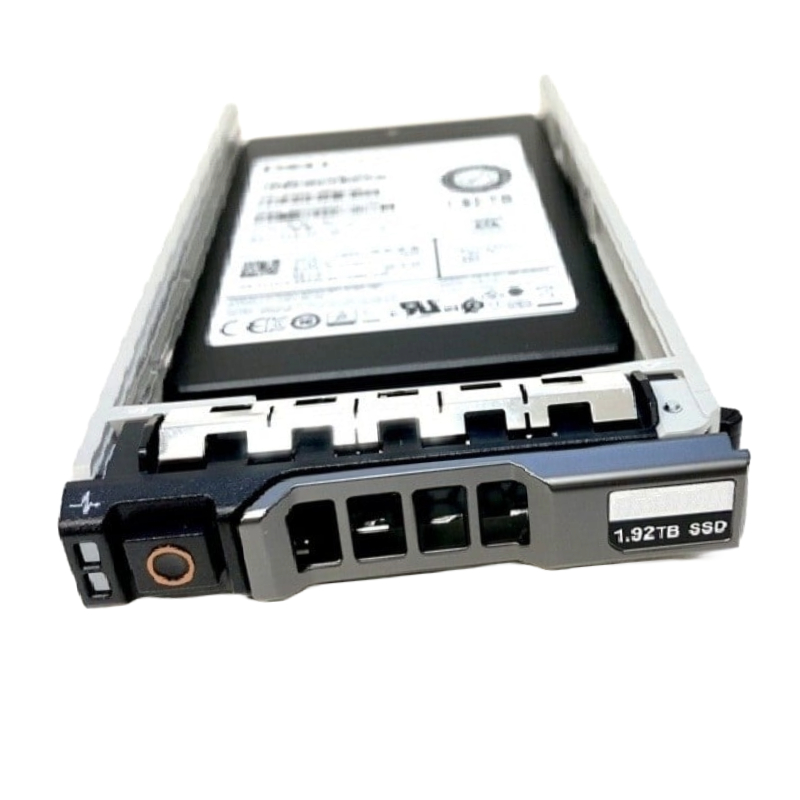
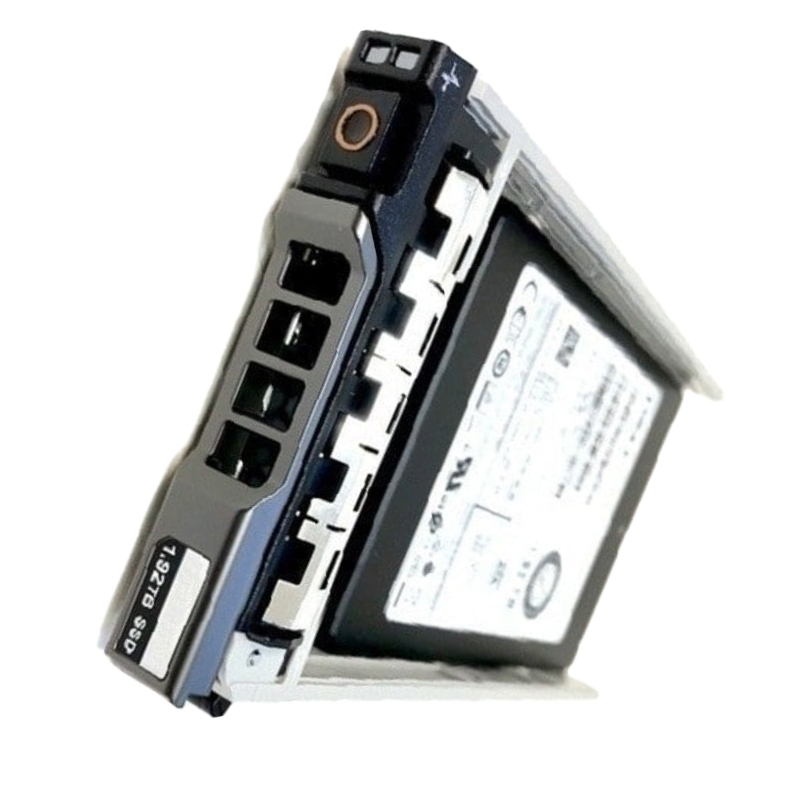
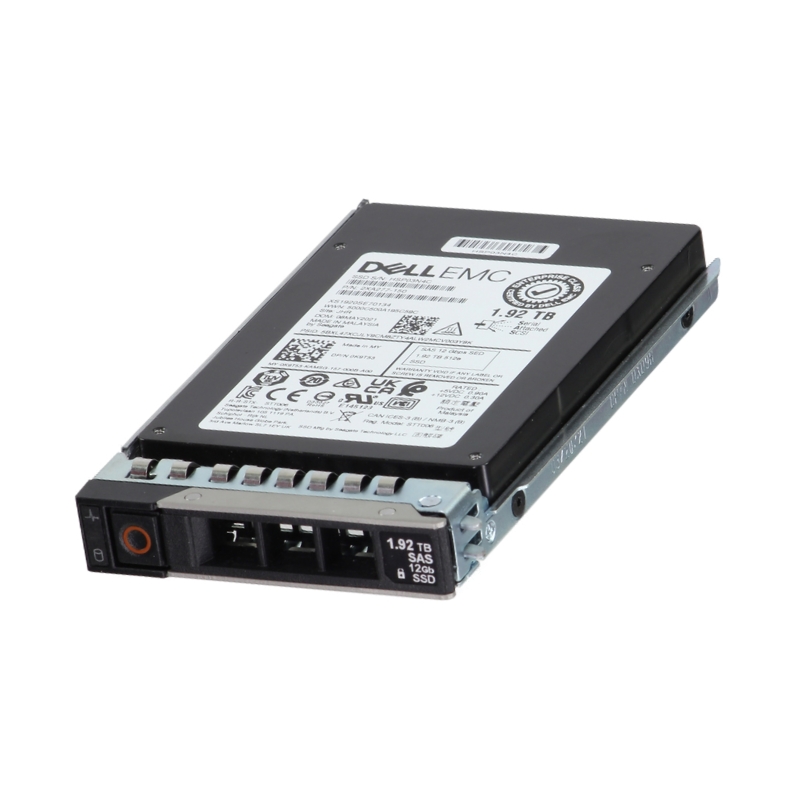
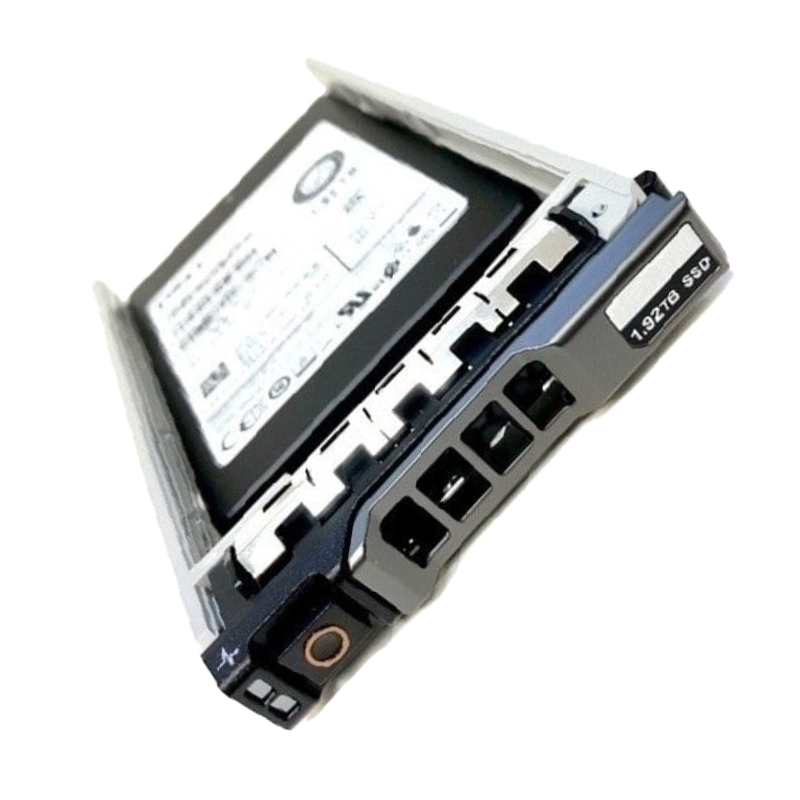
Dell 99XK4 1.92TB SAS-12GBPS Read-Intensive 1dwpd TLC SFF Hot-Plug Certified with tray for Poweredge Server Solid State Drive. New Sealed in Box (NIB) with 1 Year Warranty
This list is representative but not exhaustive. Additional PowerEdge and PowerVault configurations may also support the Dell 99XK4 SSD.
The Dell 99XK4 1.92TB SAS-12Gbps Read-Intensive SSD is positioned as an enterprise grade, 2.5-inch small form factor (SFF) solid state drive tuned for read-heavy server workloads. It pairs a 1.92 terabyte usable capacity with the enterprise SAS 12Gbps interface, a read-intensive endurance class rated at approximately one drive write per day (1 DWPD), and TLC NAND flash to deliver a mix of high sequential throughput, predictable random read performance and cost-effective write endurance for workloads where reads dominate. This drive is typically sold and deployed with a Dell hot-plug tray (G176J or equivalent tray model in some PowerEdge configurations), making it a direct, plug-and-play replacement or capacity upgrade for supported Dell PowerEdge generations and a frequent choice for storage arrays, database read replicas, caching layers and virtual desktop infrastructure where consistent read latency matters.
The SAS 12Gbps interface is native to enterprise server and storage backplanes, delivering full-duplex, high reliability connections designed for multi-drive enclosures and RAID controllers. The 2.5-inch form factor used by this model adheres to the short SFF profile commonly used in modern PowerEdge servers and rack chassis, and the hot-plug tray ensures that drives can be inserted or removed without powering down the host system, which reduces planned downtime for maintenance and replacement. As an enterprise SAS drive, it also supports features expected by storage controllers such as robust error reporting, link negotiation with expander fabrics and firmware levels tuned for compatibility with Dell's controller stack.
With 1.92TB of raw addressable capacity, the 99XK4 sits in a capacity tier that balances cost per gigabyte and rack density for mid-to-large deployments. The Read-Intensive designation and the 1 DWPD endurance target mean this SSD is optimized for scenarios where reads significantly outnumber writes — for example, large file repositories accessed frequently, web hosting and caching tiers, content delivery nodes, and certain analytics or search indices where reads are far more common than writes. TLC (triple-level cell) NAND provides higher density and lower cost relative to MLC or SLC cells, and when paired with enterprise controllers and firmware, it yields consistent performance within the endurance model expected from read-optimized drives. The endurance profile should be planned into system-level design, especially when mixing read-intensive drives with higher-endurance drives in tiered storage architectures.
Performance expectations for this class of drive include strong sustained sequential read throughput thanks to the 12Gbps SAS lane, low and consistent random read I/O latency under typical enterprise block sizes, and predictable behavior under sustained read workloads. Random write performance will be modest relative to high-end mixed workload or write-intensive SSDs, and performance under heavy sustained write stress will depend on controller algorithms, overprovisioning, and host workload patterns. In practical deployments, pairing these drives with sufficient controller cache, read caching layers, or a mix of higher-endurance drives for write hot spots produces the best cost-to-performance balance. Enterprise monitoring — including throughput, IOPS, latency distributions and SMART metrics — should be enabled to spot anomalies early and to plan replacement cycles on an operational cadence aligned with the 1 DWPD rating.
The Dell 99XK4 is certified for compatibility with multiple PowerEdge server generations and is frequently shipped in the Dell G176J 2.5-inch hot-plug tray for direct insertion into Dell backplanes. This certified compatibility ensures that firmware, trays, and hardware identifiers match Dell's server BIOS and iDRAC/Integrated Dell Remote Access Controller expectations so that drives are recognized properly, SMART telemetry is surfaced, and firmware updates issued by Dell apply cleanly. When purchasing replacement or additional drives, confirm the drive part number mapping and tray model for your specific PowerEdge generation and firmware baseline to avoid driver or firmware mismatch scenarios. Genuine Dell certified drives also carry factory-provisioned firmware and serial numbers which can be important for service contracts and warranty verification.
Drive trays such as the G176J referenced in vendor part listings provide the mechanical interface between the SFF drive and the server backplane. The tray secures the drive and provides the correct connector alignment while also exposing the front bezel and latch mechanism for hot-swap operations. When planning upgrades or replacements, confirm the tray model and ensure the tray housing is intact, as bent or damaged trays can cause misalignment of the SAS connector or degrade signal integrity. In multi-node racks or storage shelves, standardized trays simplify inventory and swap operations. Drives purchased without a tray should be paired with a compatible tray purchased from the same vendor or an authorized parts reseller.
The typical deployments for a read-intensive 1.92TB SAS SSD include read cache layers in hybrid arrays, cold to warm storage tiers that require low latency reads, virtual machine boot and template repositories, database read replicas, content delivery nodes and analytics use cases that require frequent reads but relatively light sustained writes. This drive is not intended as the primary drive for heavy logging, continuous write-intensive databases or write-amplified workloads unless a system-level architecture places write amplification on higher endurance devices or leverages generous overprovisioning and write-tier caching. For many IT practitioners, these drives serve as a cost-effective way to increase IOPS capacity and reduce read latency across large data sets without incurring the higher cost of write-endurance specialized SSDs.
In RAID arrays, drive selection requires more than raw capacity — matching performance characteristics across RAID members improves predictability during rebuilds and reduces rebuild time impact. The 12Gbps SAS link and enterprise firmware on the 99XK4 make it suitable for common RAID controller families used in Dell systems, but administrators should validate recommended firmware levels and controller driver versions. Some controllers offer drive consistency checks or background patrol patrols which, combined with SMART thresholds, improve early detection of failing media. When used in RAID, consider the interaction between RAID rebuild stress and drive endurance; rebuilds generate significant read and write activity and planning spare policies and hot spares is critical for operational resilience.
SSDs generate less heat than high-RPM HDDs generally, but in dense blade or high-drive-count enclosures, aggregate thermal load can be significant. Proper airflow — following OEM chassis airflow paths — and monitoring of drive inlet/outlet temperatures is important for maintaining firmware-expected performance characteristics. Some SSD firmware may throttle performance under thermal stress to protect media and maintain data integrity; therefore, designing for adequate cooling and maintaining unobstructed airflow contributes directly to predictable latency and sustained throughput in heavy read operations. Power sequencing and redundancy on backplanes also affect drive availability; ensure that UPS and server power systems are designed to tolerate drive hot-swap events and server restarts without corrupting RAID metadata.
Many enterprise SSDs support optional hardware-based encryption and secure erase features which help organizations meet data protection regulations and simplify decommissioning of storage media. While specific feature sets vary by OEM and model, certified Dell drives often integrate with management frameworks that allow administrators to enable drive-level security or to use host-based encryption and key management. When data sanitization is required for redeployment or disposal, use the vendor-recommended secure erase process or certified data destruction methods to ensure that remnants of data cannot be recovered. Check model-specific documentation for supported encryption standards and for any dependencies such as controller support for encryption key escrow or management.
In tiered storage architectures, the Dell 99XK4 1.92TB read-intensive SSD is frequently used as a mid-tier to provide a balance of capacity and latency beyond what spinning disks can deliver. One common pattern is to use this drive type as a read cache layer fronting a larger magnetic or low-cost flash capacity tier, offering dramatic improvements to random read IOPS and read latency for active data sets. Another pattern is to provision a pool of these drives for virtual machine boot volumes where many small random reads occur at startup and during OS operations. In clustered database setups, using read-intensive drives for replicas reduces replication lag and improves read scale without the cost premium of write-endurance drives on every node.
Compared to write-intensive or mixed-use SSDs, read-intensive drives like the 99XK4 emphasize cost per gigabyte and read performance while accepting lower write endurance. Mixed-use SSDs with higher DWPD ratings are better suited for write-amplified workloads such as heavy OLTP databases or logging systems. NVMe drives may offer lower latency and higher parallelism for certain workloads but require host hardware and firmware that support NVMe; in environments standardized on SAS/SATA backplanes and controller fleets, a SAS enterprise SSD remains a simpler compatibility path. Choice between classes should be driven by workload I/O profile, latency tolerance, cost targets and existing infrastructure compatibility.


 Contact Us
 Information
 Catalog
 Solid State Drives (SSD)
 Network Switches
 Hard Disk Drives
 HBA & Controllers
 PC & Servers
 PC & Server Memory
 CPU & Processors
 Network Routers
 Power Supplies
 Tape Drives & Libraries
 Network Devices
 Computer & Network Cables