(7% discount is applied at checkout)
Cart is empty
Your go-to destination for cutting-edge server products
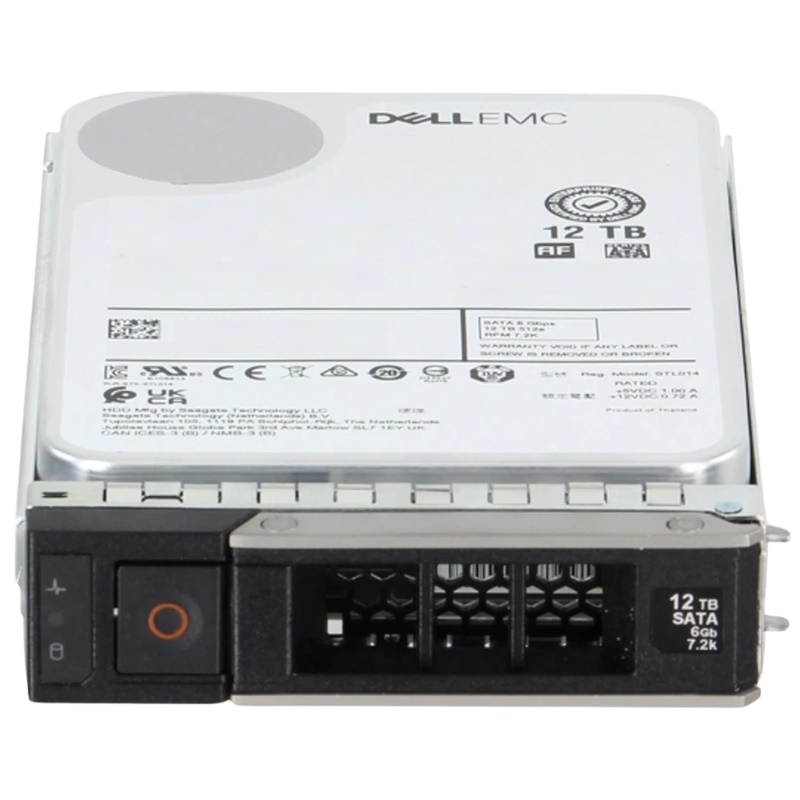


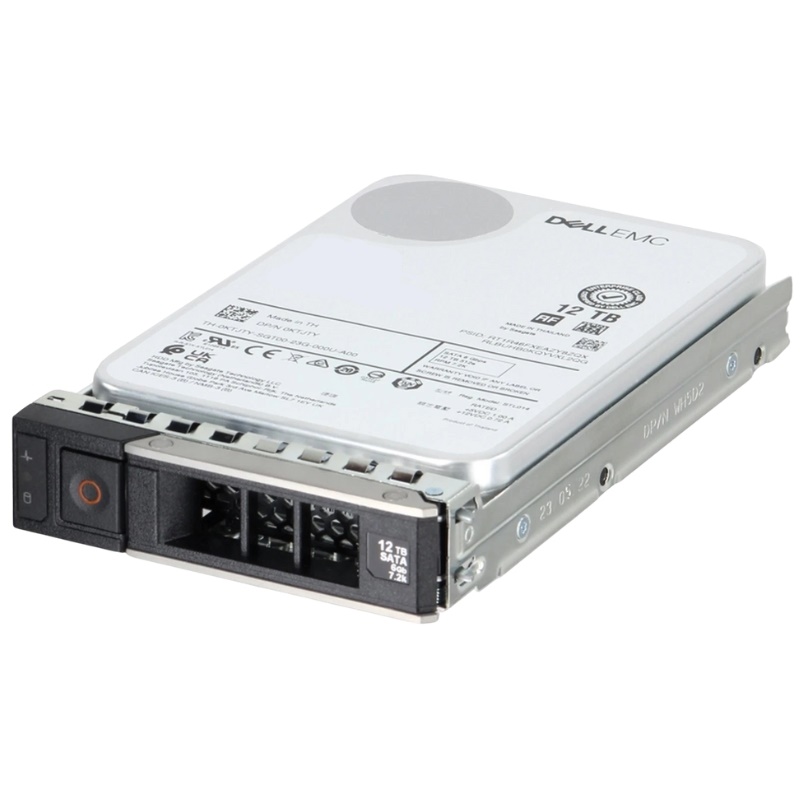
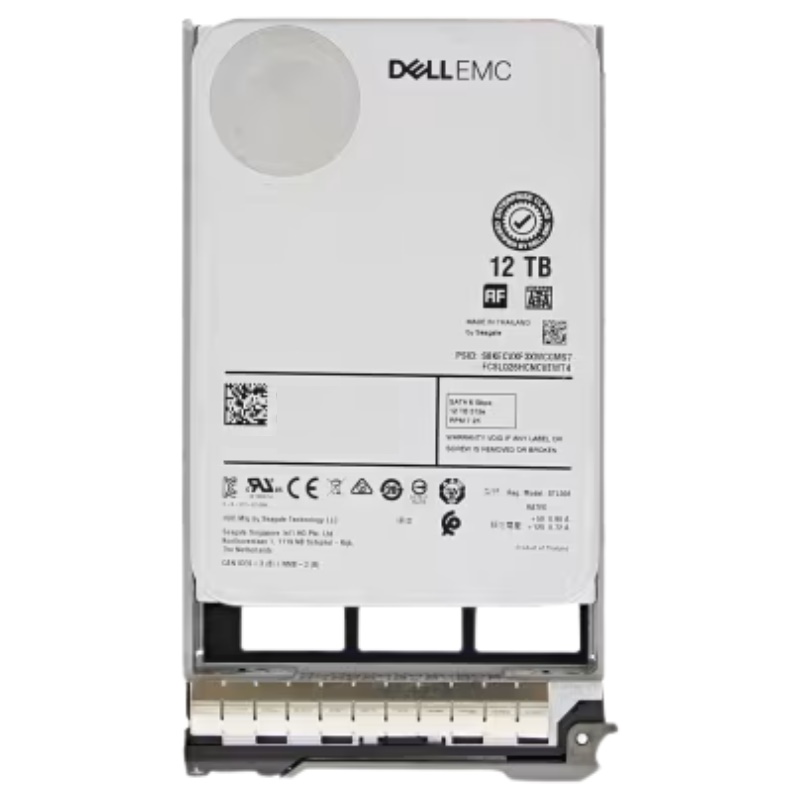
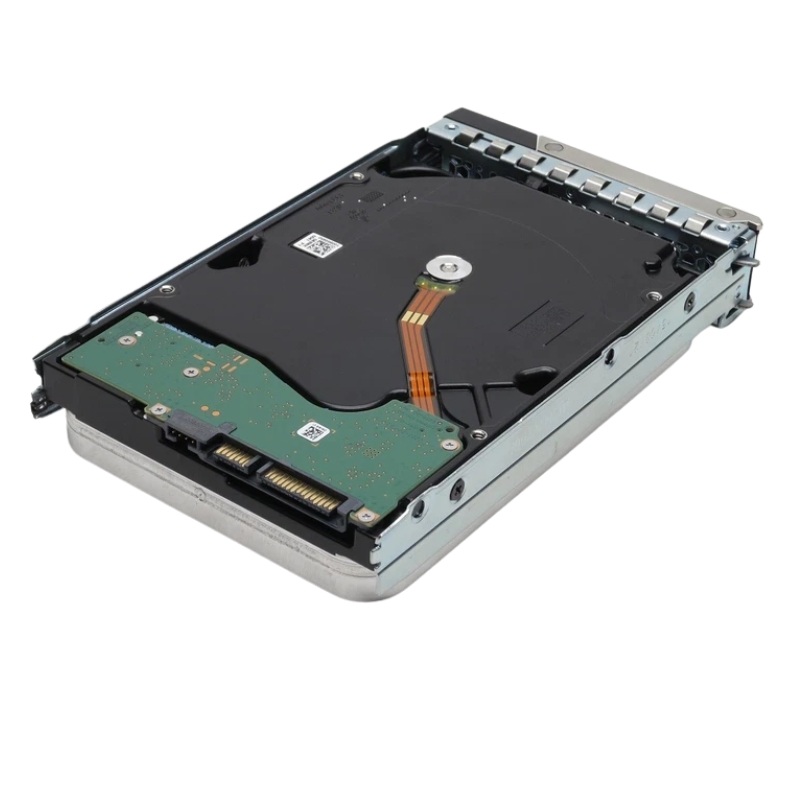
Dell 12TB 7.2K RPM SATA-6GBPS 256MB Buffer 512E 3.5Inch Internal Hard Disk Drive AA783035. Excellent Refurbished with 1 year replacement warranty
The Dell AA783035 12TB 7200 RPM SATA 6Gbps 3.5-inch Internal Hard Drive is engineered for high‑capacity enterprise storage, delivering dependable performance, fast data access, and seamless compatibility with Dell server infrastructures.
The Dell AA783035 12TB 7.2K RPM SATA 6Gbps 256MB Buffer 512e 3.5-Inch Internal Hard Disk Drive belongs to a high-capacity enterprise storage category designed for scalable data environments, data center workloads, archival systems, and enterprise-level backup infrastructure. This category of storage devices focuses on balancing high storage density, cost efficiency, and stable mechanical performance for sustained workloads. The 3.5-inch form factor ensures compatibility with a wide range of server chassis and storage arrays, making it a reliable solution for organizations requiring bulk data storage without excessive power consumption or complex NVMe-based architecture requirements.
This category of hard drives is engineered around traditional spinning magnetic disk technology optimized for capacity expansion rather than ultra-low latency performance. The 12TB capacity allows enterprises to consolidate large datasets into fewer physical drives, reducing overall rack space usage and simplifying storage management. The mechanical architecture is optimized for sustained read and write operations rather than burst-speed transactional workloads.
The 7,200 RPM spindle speed represents a balance between energy efficiency and consistent throughput. In enterprise storage environments, this speed is widely adopted because it delivers predictable performance under continuous operation while maintaining lower heat output compared to higher RPM drives. This makes it suitable for backup servers, cold storage systems, surveillance storage arrays, and archival databases where sequential read and write operations are dominant.
The SATA 6Gbps interface provides compatibility with most modern server and workstation motherboards. It supports stable data transfer rates sufficient for large-scale storage systems that do not require ultra-low latency access. This interface also allows simplified integration into existing infrastructures, making upgrades and replacements easier without requiring extensive hardware redesign.
The inclusion of a 256MB buffer significantly improves data handling efficiency by temporarily storing frequently accessed or recently written data. This reduces the number of direct disk access operations, thereby minimizing latency in repetitive read/write scenarios. In enterprise workloads where similar datasets are accessed frequently, this buffer plays a crucial role in maintaining stable performance.
Efficient workload distribution is achieved through intelligent firmware-level optimization that manages read/write queues. The drive is designed to prioritize sequential access patterns commonly found in backup operations, media storage systems, and large database logging environments. This ensures smoother data flow even during peak operational loads.
The 512e (512-byte emulation) format allows this drive category to maintain compatibility with older systems that rely on traditional sector formatting. This ensures smooth integration into mixed infrastructure environments where both legacy and modern storage systems coexist.
While emulating 512-byte sectors, the internal architecture utilizes advanced physical sector designs that improve error correction capabilities and data integrity. This hybrid approach ensures compatibility without sacrificing modern reliability improvements.
Advanced ECC (Error Correcting Code) systems are implemented to detect and correct data inconsistencies during read and write processes. This ensures higher reliability in enterprise environments where data corruption risks must be minimized.
This category is widely used in data centers for expanding cold storage pools. It is ideal for environments where large volumes of infrequently accessed data must be retained for compliance, analytics, or historical reference purposes. Its high capacity reduces the physical footprint required for large-scale storage deployment.
Backup infrastructures benefit significantly from this storage category due to its reliability and capacity. Organizations use these drives to maintain full system backups, incremental snapshots, and disaster recovery images. The cost per terabyte advantage makes it highly efficient for long-term data retention strategies.
In video surveillance systems, continuous recording generates large volumes of data. This drive category is suitable for such workloads due to its ability to handle sustained sequential writes. Similarly, media archives such as broadcasting libraries and digital content storage systems utilize these drives for long-term retention.
Organizations implementing centralized file storage systems use this category to store shared documents, project data, and collaboration files. The capacity ensures that multiple departments can access large datasets without frequent storage upgrades.
The Dell AA783035 drive is compatible with a wide range of RAID controllers, enabling integration into RAID 0, RAID 1, RAID 5, RAID 6, and RAID 10 configurations depending on system requirements. This flexibility allows IT administrators to design storage architectures based on redundancy, performance, or capacity priorities.
This category supports horizontal scaling, allowing enterprises to expand storage capacity by adding additional drives to existing arrays. This modular approach reduces upfront infrastructure costs while enabling gradual capacity expansion.
The drive is supported across major operating systems used in enterprise environments, including Linux-based server distributions, Windows Server environments, and virtualization platforms. This ensures seamless deployment in heterogeneous infrastructures.
The drive is optimized for sequential data processing, making it suitable for workloads such as backup streaming, large file transfers, and log aggregation. Sequential optimization reduces seek times and improves sustained throughput efficiency.
In modern storage architectures, this category is often used as part of tiered storage systems. Frequently accessed data is stored in faster SSD tiers, while this HDD category handles less frequently accessed or archival data, optimizing overall cost-performance balance.
For long-term data storage, archival systems rely on high-capacity HDDs to store data that must be preserved but not frequently accessed. This reduces reliance on expensive high-speed storage solutions while maintaining data availability.
In hybrid cloud environments, this drive category is often used for on-premises storage nodes that synchronize with cloud storage systems. It provides a cost-effective foundation for hybrid data management strategies.
Large-scale analytics platforms rely on high-capacity storage to process and retain structured and unstructured datasets. This drive category supports distributed storage frameworks used in big data processing environments.
Enterprise databases generate continuous log streams that require reliable storage. This category efficiently handles log archiving tasks, ensuring data consistency and long-term retention of transactional records.


 Contact Us
 Information
 Catalog
 Solid State Drives (SSD)
 Network Switches
 Hard Disk Drives
 HBA & Controllers
 PC & Servers
 PC & Server Memory
 CPU & Processors
 Network Routers
 Power Supplies
 Tape Drives & Libraries
 Network Devices
 Computer & Network Cables