(7% discount is applied at checkout)
Cart is empty
Your go-to destination for cutting-edge server products
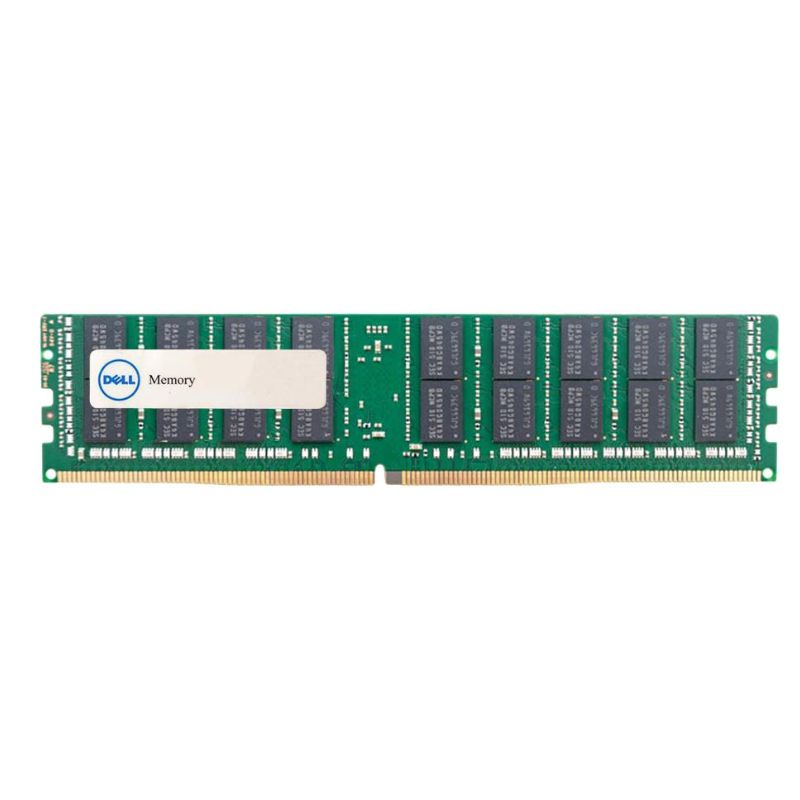


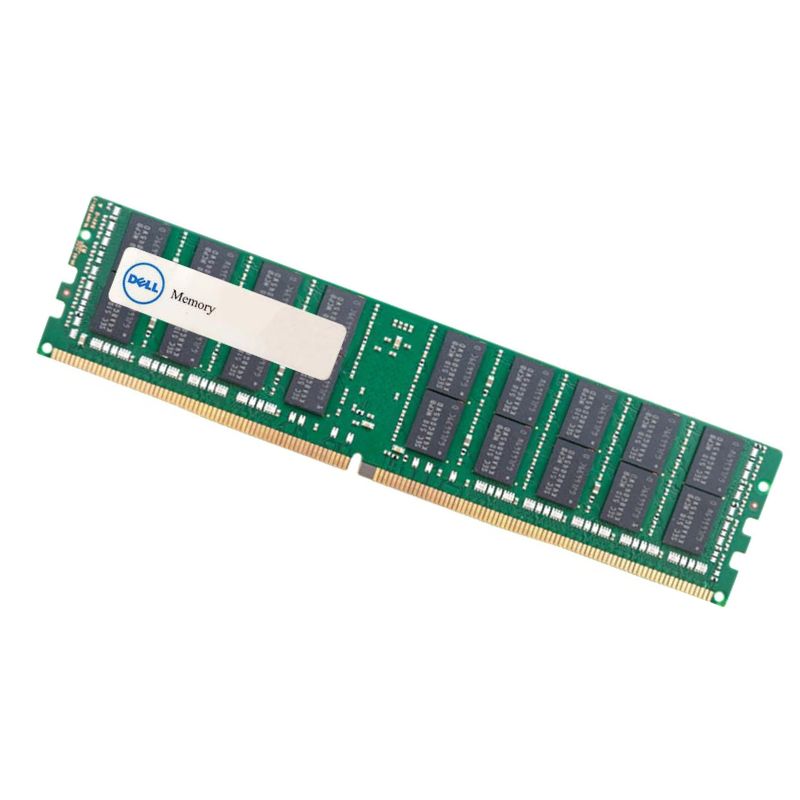
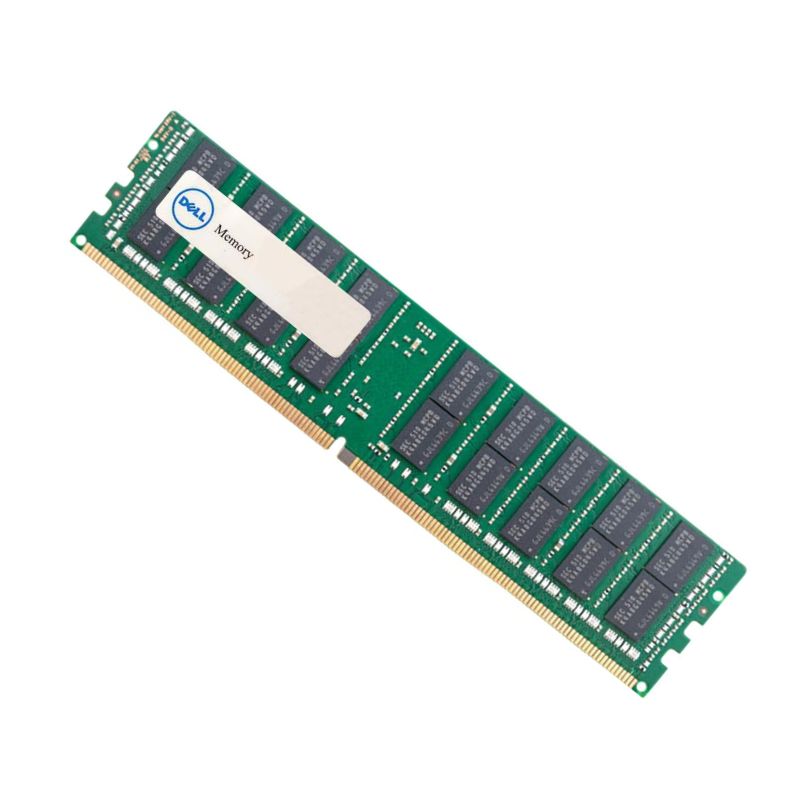
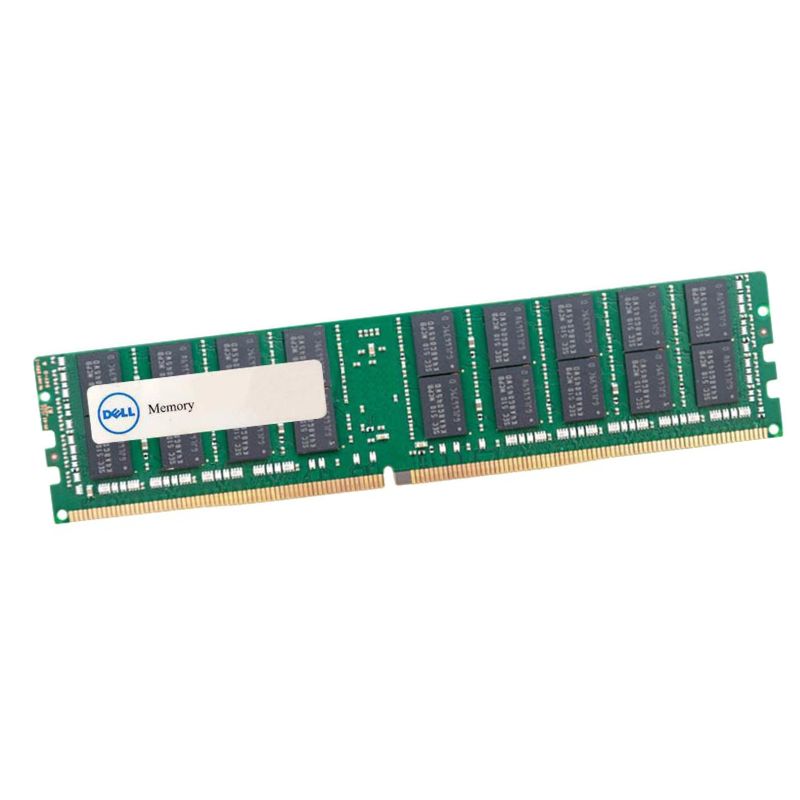
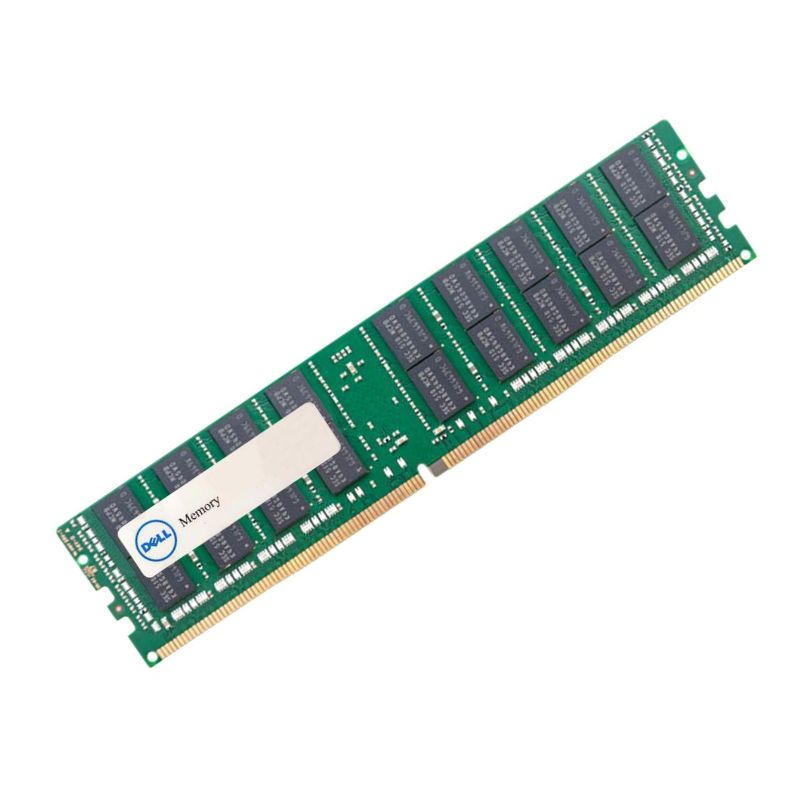
Dell AB003148 128GB 2666mhz Pc4-21300 Registered DDR4 SDRAM 288-pin Lrdimm Memory Module For Server. New (System) Pull with 1 year replacement warranty - Samsung Version
The Dell AB003148 128GB 2666MHz PC4-21300 CL19 ECC Registered Octa Rank X4 1.2v DDR4 SDRAM 288-Pin LRDIMM occupies a specific and important place in the server memory ecosystem: high-capacity, high-reliability load-reduced dual in-line memory modules designed for dense memory configurations in enterprise servers.
The category centered on the Dell AB003148 128GB 2666MHz PC4-21300 CL19 ECC Registered Octa Rank X4 1.2v DDR4 SDRAM 288-Pin LRDIMM for server memory modules focuses on high-capacity, high-reliability memory solutions engineered for enterprise-class servers and data centers. This category emphasizes registered error-correcting memory with octa-rank organization, designed to meet the rigorous demands of virtualization, in-memory databases, large-scale analytics, and memory-dense workloads. Within this category you will find descriptive product narratives that explain how LRDIMM technology (Load-Reduced DIMM) maximizes capacity while minimizing electrical loading on the memory bus, and how ECC Registered features support data integrity and server uptime. The category covers essential technical specifications like capacity per module, data rate (2666MT/s), module density and pin count (288-pin DDR4), voltage (1.2 volts), CAS timing (CL19), and the significance of octa rank and X4 DRAM organization, connecting each attribute to practical benefits for enterprise IT deployments.
The 128GB capacity per module allows high memory density per channel and per server, enabling configurations that scale to terabytes of RAM in a single chassis when multiple LRDIMMs are installed. The 2666MT/s data rate corresponds to the PC4-21300 specification, a balance between throughput and compatibility across a wide range of server platforms. CL19 designates the column access strobe latency in clock cycles; when combined with the operating frequency and overall architecture, it determines memory access responsiveness. ECC Registered indicates that the module includes error-correcting code and a register that buffers commands and addresses, improving signal integrity for multi-module configurations. Octa rank and X4 organization mean the module is built from multiple DRAM devices arranged in ranks with a four-bit data width per chip, enabling the high module capacity while maintaining DRAM device-level economics. The 1.2v operating voltage is standard for DDR4, offering improved power efficiency compared to older generations.
LRDIMM technology is key to this category. The load-reduced architecture isolates the electrical load that multiple DRAM packages place on the memory controller. By inserting a memory buffer that reduces electrical loading, LRDIMMs permit higher module counts and greater total memory capacity without compromising signal integrity. For data centers running memory-bound workloads, LRDIMM-based modules allow administrators to populate all memory channels fully and achieve maximum usable RAM per socket. This model’s LRDIMM design benefits systems where maximizing memory capacity per server is crucial, for example when running dense virtualization, containerized clusters, or large in-memory caches. LRDIMM also supports mixed population scenarios where different capacities or ranks may be combined, although the server vendor’s memory population guidelines should always be followed to ensure optimal interleaving and performance.
Within this category, octa rank modules like the Dell AB003148 enable the highest per-module capacities by stacking or grouping multiple ranks. The trade-offs between octa rank and lower rank modules include slightly increased latency due to additional internal management and potential compatibility constraints on certain legacy controllers. However, the advantage is clear for capacity-oriented deployments: octa rank modules offer substantially more memory per DIMM slot than dual or quad rank modules, reducing the number of occupied slots needed to reach a target capacity. Systems designed for memory scaling often provide explicit support for higher rank modules; architects should consult motherboard and CPU vendor documentation to confirm maximum supported ranks per channel and any BIOS settings required to enable full functionality. The category helps readers weigh these trade-offs against application needs, demonstrating when octa rank LRDIMMs are the right investment.
Error correcting code (ECC) is fundamental for enterprise server reliability. The ECC Registered designation in the category means the module supports single-bit error correction and multi-bit error detection through on-module parity bits and correction logic. In mission-critical environments—finance, healthcare, telecommunications—ECC minimizes the risk of data corruption and unplanned downtime by correcting transient bit errors that naturally occur in DRAM. The “Registered” aspect ensures the address and command signals are buffered through a register, enhancing signal integrity and enabling stable operation when multiple memory modules are populated. This layered approach to reliability reinforces the suitability of Dell AB003148 modules for continuous operation where data integrity and service-level objectives matter most.
CAS latency (CL19 for this module) is part of a broader set of memory timings that influence latency-sensitive operations. While raw throughput (2666MT/s) defines the volume of data transferred per second, CAS and related timings determine the responsiveness of individual memory accesses. In many server use cases, particularly throughput-dominated workloads, overall performance is more strongly correlated with sustained bandwidth and the ability to feed many cores than with marginal differences in CAS timing. For latency-sensitive workloads, system-level tuning including NUMA alignment, CPU topology awareness, and memory interleaving will have a greater effect than switching CAS values by a single step. The category description explains these nuances so decision makers can match Dell AB003148 modules to the workload profile: database caching requires both bandwidth and low-latency paths, whereas large-scale analytics prioritize aggregate memory bandwidth and capacity.
Compatibility is a leading concern when selecting modules from this category. Not all servers accept octa rank LRDIMMs or support the maximum per-slot capacities this module offers. The category content outlines recommended steps to validate compatibility: consult the server vendor’s memory support list, confirm BIOS revisions that enable LRDIMM acceptance, and check the maximum supported memory speed per CPU and per memory population configuration. Many modern enterprise servers from major manufacturers offer certified support for high-capacity DDR4 LRDIMMs, but platform specifics matter. For instance, populated channel counts, interleaving mode, and whether the platform uses a single dual-in-line memory module per channel or quad-channel architecture will affect how the module performs.
High-capacity memory modules can contribute meaningfully to system thermal profiles and aggregate power draw in dense server racks. Operating at 1.2 volts, DDR4 modules in this category are energy-efficient relative to earlier generations, yet octa rank LRDIMMs contain more DRAM devices, which can increase heat output under sustained load. The category covers mitigation strategies: ensuring adequate airflow, verifying chassis airflow path, using server fans with appropriate RPM curves, and placing thermal monitoring in place to detect hotspots. Additionally, administrators should check power provisioning when populating many high-density modules per node, because peak power draw during memory initialization can be higher than steady-state power. The description emphasizes that proper thermal and power planning prevents throttling, unplanned restarts, and reduces long-term wear on components.
This category emphasizes scenarios where Dell AB003148 128GB LRDIMMs are particularly valuable. Virtualized environments that host dozens of virtual machines benefit from large per-server memory, reducing the need to spread workloads across multiple servers and simplifying management. In-memory databases, which rely on large memory pools for ultra-low-latency data access, gain direct advantage from high-capacity LRDIMMs. High performance computing clusters running memory-intensive simulations or large-scale machine learning training that stages datasets in RAM will also find the increased capacity crucial. Moreover, virtualization hosts acting as database backends, caching layers for web-scale applications, or nodes in distributed analytics frameworks will see meaningful improvements in consolidation ratios and operational efficiency when equipped with server-grade ECC Registered LRDIMMs.
Maximizing the value of high-density LRDIMMs requires some performance tuning at the firmware level. The category explains common BIOS parameters to review: memory frequency settings, memory training and retry options, and advanced features that control interleaving and rank sparing. It notes that enabling certain compatibility modes may reduce maximum supported speed but increase stability, which can be acceptable in environments where capacity and uptime outweigh peak throughput. The section also suggests validating NUMA node configurations and aligning high-memory processes to local memory where applicable to minimize cross-socket access latency. For administrators using modern OSs and hypervisors, the category describes how kernel and hypervisor settings can be tuned to respect huge page sizing, memory ballooning thresholds, and host swap behavior to ensure optimal use of the installed 128GB modules.
Decision makers often weigh LRDIMM solutions against RDIMM and UDIMM alternatives. The category outlines the differentiators: RDIMMs offer registered buffering with lower complexity than load-reduced solutions but may limit maximum capacity when many modules are populated, while UDIMMs are typically used in non-server or entry-level server platforms that do not require register buffering or ECC. It also places DDR4 in the context of generational transitions, noting how DDR5 introduces different channel architectures and higher per-module speeds but also requires platform upgrades. The category advises organizations to consider server EOL timelines, upgrade paths, and total cost of ownership when choosing DDR4 LRDIMMs like the Dell AB003148 versus planning an eventual migration to newer memory standards.


 Contact Us
 Information
 Catalog
 Solid State Drives (SSD)
 Network Switches
 Hard Disk Drives
 HBA & Controllers
 PC & Servers
 PC & Server Memory
 CPU & Processors
 Network Routers
 Power Supplies
 Tape Drives & Libraries
 Network Devices
 Computer & Network Cables