(7% discount is applied at checkout)
Cart is empty
Your go-to destination for cutting-edge server products
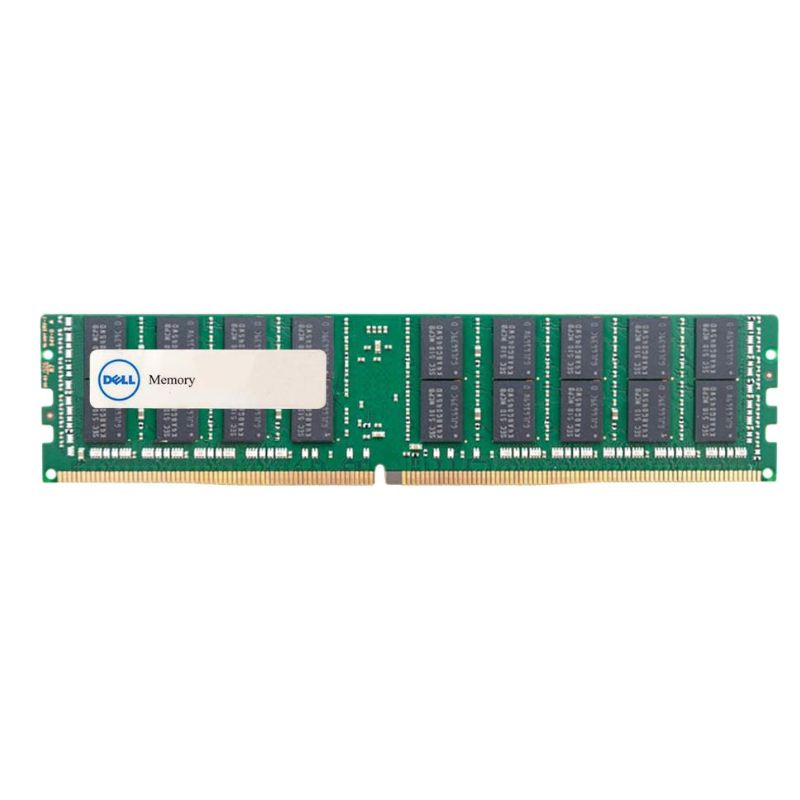


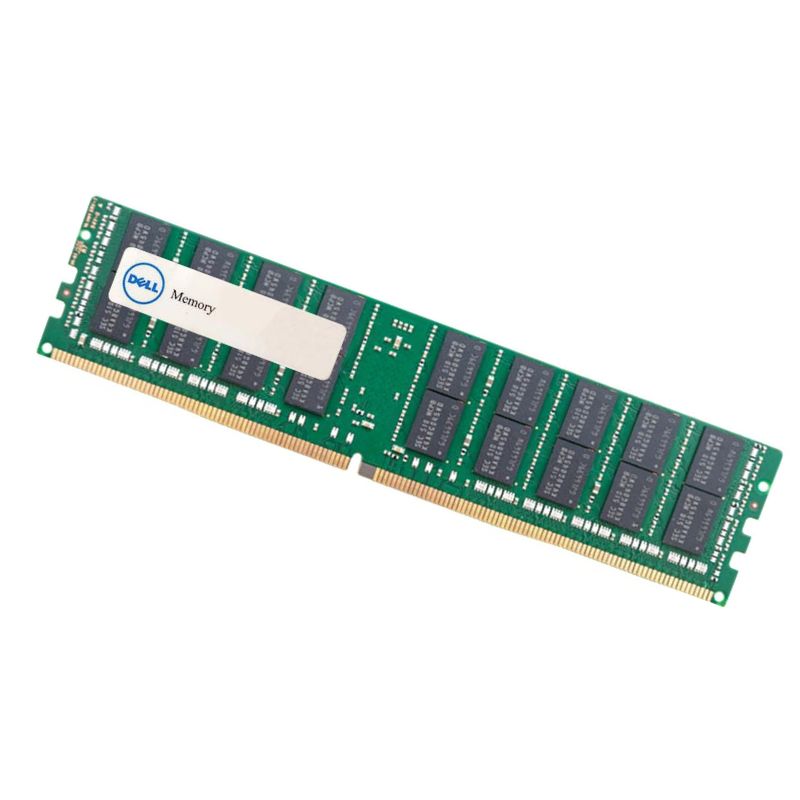
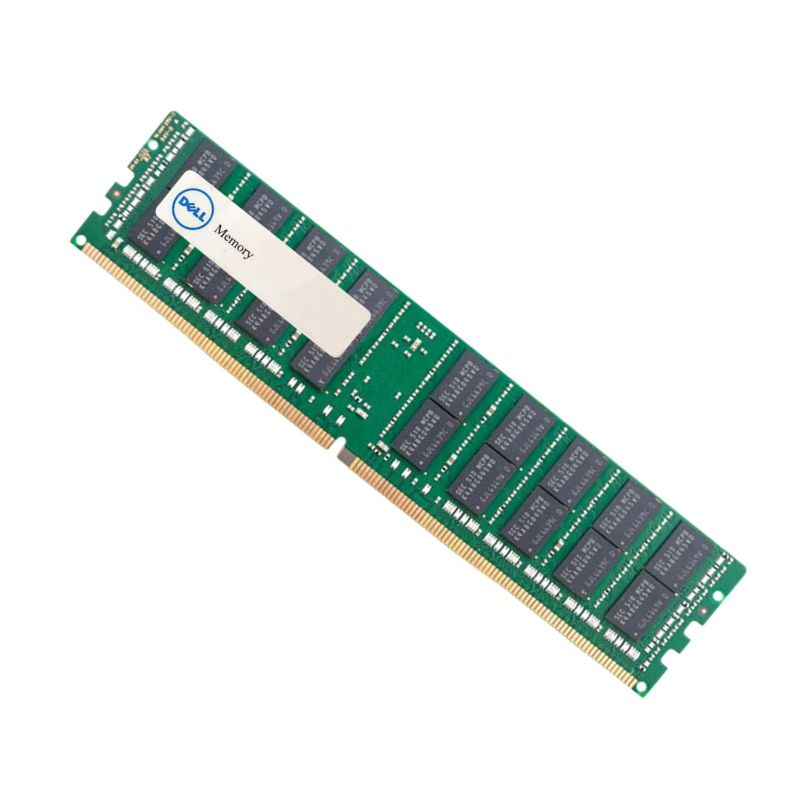
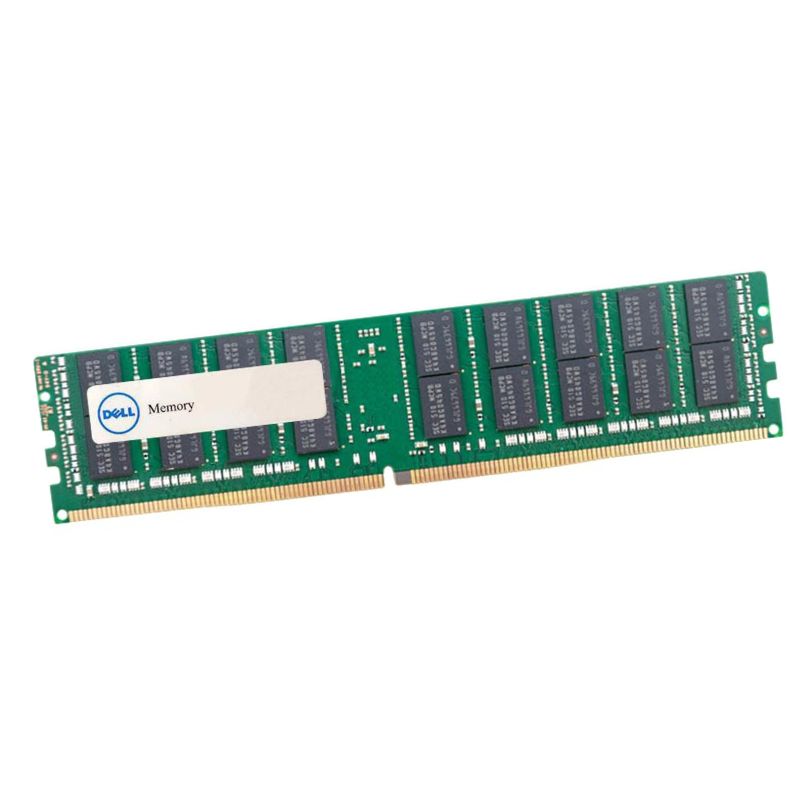
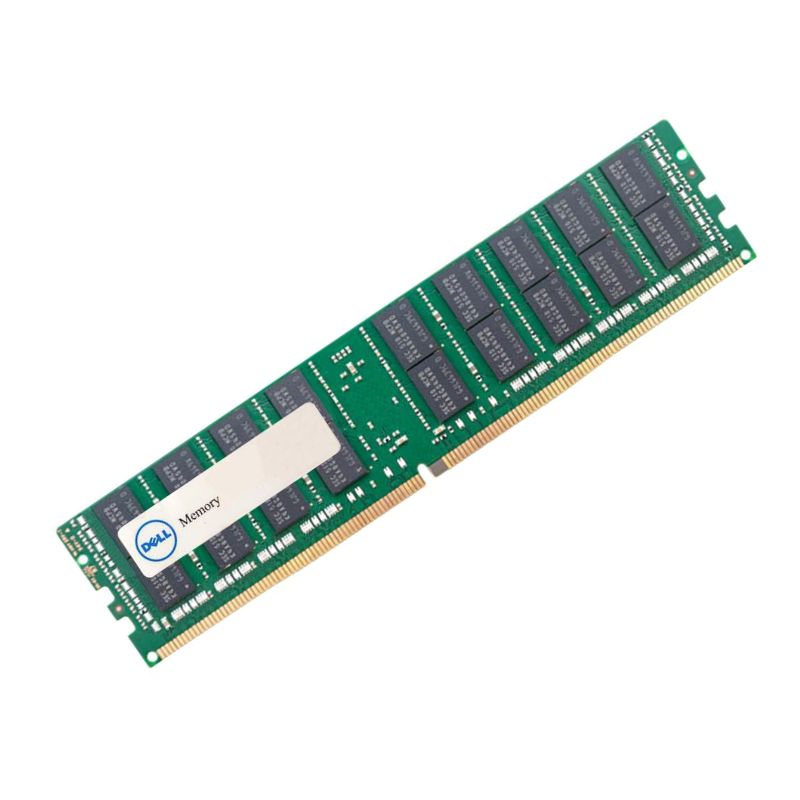
Dell AD213494 128GB 5600mt/s Pc5-44800 Cl46 Ecc Registered 2rx4 1.1v DDR5 SDRAM 288-pin Rdimm Memory Module. New (System) Pull with 1 year replacement warranty - Samsung Version
| SKU/MPN | Warranty | Price | Condition | You save |
|---|---|---|---|---|
| AD213494 | 1 Year Warranty | Contact us for a price | New (System) Pull | |
| AD213494 | 1 Year Warranty | $5,040.00 | New Sealed in Box (NIB) | You save: $1,764.00 (26%) |
The AD213494 Dell 128GB 5600MT/s PC5-44800 CL46 ECC Registered 2Rx4 1.1V DDR5 SDRAM 288-pin RDIMM memory module for servers represents a cutting-edge category of high-capacity enterprise server memory engineered to meet the demands of modern data-intensive workloads. This category emphasizes enhanced performance, stability, and data accuracy, leveraging the technological advancements of DDR5 architecture combined with the reliability of ECC Registered Design. As organizations scale virtualization, cloud computing, AI modeling, high-performance databases, and mission-critical applications, memory modules within this category provide significant bandwidth improvements, lower power consumption, and enhanced error correction, all crucial for maintaining optimal uptime and responsiveness in server environments.
Focusing on high-density 128GB RDIMM configurations, this category highlights the ability to expand server memory capacity dramatically, supporting multi-channel server platforms and modern CPUs that rely on high memory throughput. With data transfer speeds of 5600MT/s, PC5-44800 bandwidth, CL46 latency, and 1.1V operating efficiency, the AD213494 module exemplifies the performance benchmarks expected from next-generation DDR5 server memory components. This category caters to IT professionals, data centers, cloud service providers, and enterprise system architects seeking scalable memory solutions capable of advancing the performance envelope of next-generation server infrastructures.
DDR5 server memory introduces substantial improvements over DDR4 technology, which forms a core element of this category. With dramatically increased transfer rates, larger capacities per module, enhanced channel architecture, and integrated power management, DDR5 stands as a foundational platform for the next era of server performance. Modules such as the AD213494 Dell 128GB 5600MT/s PC5-44800 CL46 utilize the newly designed DDR5 standard to allow higher data throughput and improved responsiveness in parallelized workloads. The double burst length, dual 32-bit subchannels, and increased bank count contribute to superior efficiency in processing simultaneous requests.
Server memory within this category benefits from the integrated power management found in DDR5 modules, improving voltage regulation and reliability. The 1.1V operating requirement reduces strain on system components and contributes to greener, more energy-efficient data center operations. Additionally, DDR5 technology introduces on-die ECC, complementing the external ECC capabilities of Registered DIMMs, further safeguarding against data corruption. These advancements make DDR5 RDIMM memory ideal for enterprise computing environments that demand both speed and accuracy.
ECC Registered (RDIMM) memory modules such as the AD213494 Dell 128GB 5600MT/s PC5-44800 CL46 are specifically engineered to increase signal stability, reduce electrical load on memory controllers, and deliver error correction capabilities that help ensure data integrity. RDIMMs incorporate a register buffer between the DRAM modules and the system memory controller, enabling support for higher memory densities and improved scalability in multi-module configurations.
Within this category, ECC (Error Correcting Code) plays a critical role by detecting and correcting single-bit memory errors, protecting against data corruption, crashes, and system instability. This is particularly essential for servers that operate continuously and handle sensitive datasets or transactional processes. The 2Rx4 (dual-rank, x4) architecture enhances performance and reliability, offering improved access efficiency compared to single-rank configurations while optimizing system compatibility. By combining ECC with Registered buffering, memory modules in this category support robust performance in heavily utilized enterprise servers that require 24/7 operational consistency.
The 128GB capacity of the AD213494 Dell RDIMM module situates this product category firmly within the high-density enterprise memory segment. Modules of this capacity are designed to support servers running dense virtualization stacks, software-defined storage, machine learning workloads, high-volume transactional processing, and advanced analytics platforms. By providing dramatic increases in memory availability per server socket, 128GB RDIMMs enable organizations to reduce hardware sprawl while increasing operational efficiency.
In cloud computing and containerized environments, larger memory footprints allow for higher densities of virtual machines, Kubernetes workloads, and microservices per host, lowering operational costs and improving resource utilization. Database servers—especially in-memory platforms like SAP HANA, Oracle In-Memory, and real-time analytics solutions—benefit significantly from large memory pools that reduce storage access bottlenecks. Additionally, scientific computing, financial modeling, and simulations thrive on the high bandwidth and capacity provided by this category of memory.
The 5600MT/s speed rating and PC5-44800 bandwidth of this category represent a major leap in performance capability. Faster data rates contribute to reduced latency and increased throughput across demanding workloads. In server applications that require rapid data movement—such as AI training, distributed computing, and transaction-heavy platforms—this enhanced bandwidth ensures that processors receive memory-sourced data without unnecessary delay.
The CL46 latency specification complements the performance profile, balancing speed and efficiency for enterprise workloads. In multi-threaded and parallel-processing scenarios, higher frequency memory modules like those in this category help minimize performance degradation caused by large-scale memory requests. Server environments dealing with high volumes of simultaneous operations benefit from the improved responsiveness and sustained bandwidth that DDR5 PC5-44800 memory offers.
Power efficiency plays a critical role in the server memory category featuring the AD213494 Dell 128GB DDR5 RDIMM module. The 1.1V power requirement reduces overall energy consumption compared to previous-generation memory technologies. This reduction is especially impactful in large-scale deployments where hundreds or thousands of modules operate concurrently.
Lower power consumption not only cuts operational costs but also reduces heat generation, contributing to longer component lifespans and more stable data center operating temperatures. As thermal efficiency becomes increasingly important in high-density server racks and edge computing environments, this category emphasizes memory solutions that do not compromise performance while still providing measurable energy savings.
The 288-pin RDIMM form factor aligns with modern DDR5 server platforms, ensuring broad compatibility across enterprise-grade systems designed to support next-generation memory technology. This standardized pin configuration enables secure connectivity, optimized electrical signaling, and stable integration with server motherboards engineered for DDR5 memory.
Modules within this category are compatible with server systems and architectures that require Registered ECC DDR5 memory, including high-performance rack servers, tower servers, blade systems, and scalable multi-socket platforms. By utilizing industry-standard RDIMM specifications, the AD213494 module and its category peers ensure seamless installation and predictable performance across vendor-certified environments.
This category is deeply embedded within the broader subcategory of enterprise server memory, where reliability, uptime, and scalability are essential. Enterprise memory modules differ substantially from consumer-grade memory due to their focus on validated compatibility, error correction technology, and optimized performance for mission-critical applications. Organizations selecting memory from this subcategory require components capable of supporting intensive workloads without risk of data corruption or downtime.
DDR5 RDIMM memory forms a specialized subcategory geared toward servers equipped with next-generation processors and memory controllers. With improved signal integrity and performance scaling, DDR5 RDIMMs provide a foundation for future-ready data center deployments. This subcategory emphasizes high-bandwidth capabilities, elevated memory densities, and support for multi-module expansion while maintaining electrical stability through Registered buffering.
Memory modules in the AD213494 Dell 128GB DDR5 RDIMM category serve a wide array of industries and enterprise workloads. Financial services institutions running real-time trading algorithms and fraud detection rely on high-capacity memory to minimize processing delays. Healthcare providers managing advanced imaging data and EMR systems require robust memory capabilities to ensure secure and uninterrupted performance. Manufacturing and engineering companies benefit from memory-intensive CAD, modeling, and simulation platforms that require large in-memory datasets.
Telecommunications providers operating 5G infrastructure, network routing, and edge computing deployments leverage this category of memory for ultra-low latency data handling. Government agencies and research institutions conducting large-scale analytics, defense simulations, and climate modeling rely on high-density memory to achieve actionable insights within strict timeframes. In every case, the scalability and reliability of DDR5 ECC Registered 128GB RDIMM memory modules underpin mission-critical operations across diverse sectors.
A key advantage of this category is the ability to scale server memory capacity through multi-module configurations. By leveraging multiple 128GB RDIMMs, servers can reach terabyte-level memory capacities that significantly elevate workload performance. Scalable memory configurations enable resource consolidation, reducing the need for additional server hardware while increasing computational density.
Multi-module deployment also supports advanced virtualization and container orchestration platforms, enabling organizations to run larger numbers of concurrent workloads with minimal performance degradation. For enterprises seeking to future-proof their infrastructure, scalability becomes a decisive factor, making this category of memory modules a strategic investment in long-term IT growth.
In server environments, reliability is a defining requirement, and this category centers on memory products that uphold stringent integrity standards. ECC functionality mitigates risks associated with memory errors that could compromise data or system stability. The Registered buffering enhances electrical stability, particularly in systems with multiple memory modules installed.
By prioritizing uptime and error mitigation, this category aligns with service-level agreements (SLAs), disaster recovery strategies, and compliance requirements in regulated industries. For organizations managing sensitive data or critical infrastructure, the confidence provided by ECC Registered DDR5 memory ensures operational continuity and secure data handling.
Modern servers often feature multi-core and multi-socket processors that demand substantial memory bandwidth to operate efficiently. The high-speed capabilities of the AD213494 Dell 128GB 5600MT/s PC5-44800 module allow these processors to access memory rapidly, reducing bottlenecks and improving overall throughput. As core counts increase, the ability of memory modules to sustain high-volume data transfers becomes essential.
In multi-socket platforms, memory modules within this category enable balanced performance across multiple processors, ensuring that workloads are processed efficiently without creating memory contention points. This performance scalability supports computational workloads such as distributed rendering, multi-threaded services, and parallel processing frameworks.
Memory modules within this category are designed for straightforward installation in compatible DDR5 RDIMM server slots. IT teams upgrading from DDR4-based systems must ensure that server platforms support DDR5 memory and Registered DIMM architecture, as DDR4 and DDR5 modules are not cross-compatible. Proper configuration, including matching speeds and capacities, helps maintain optimal performance and system stability.
During upgrades, administrators can expand existing server memory capacities using one or multiple 128GB RDIMM modules, depending on motherboard channel availability. This allows organizations to increase performance incrementally while managing budgets effectively. Proper handling, anti-static precautions, and firmware updates are part of standard installation best practices in this category.
Compared to DDR4 memory modules, the AD213494 DDR5 RDIMM category offers significantly higher data transfer speeds, improved efficiency, and greater module density. The dual-channel architecture of DDR5 enhances parallelism, enabling better handling of simultaneous data requests. Increased capacity per module helps consolidate memory resources, reducing server counts and lowering total cost of ownership.
ECC enhancements and on-die error correction improve data reliability beyond what was possible with previous generations. Reduced power consumption contributes to sustainability initiatives while extending the longevity of server components. Altogether, the category marks a substantial generational improvement, supporting modern workloads that rely on vast memory resources.
In large-scale data center environments, memory efficiency and performance directly influence service delivery and cost management. This category supports cloud-native architectures requiring high memory density and speed for virtual machines, container clusters, and real-time data pipelines. By leveraging 128GB DDR5 RDIMM modules, data centers can streamline infrastructure footprints while scaling performance capabilities.
Cloud service providers benefit from reduced latency and increased workload density, enabling multi-tenant environments to achieve higher performance levels per physical server. Edge computing deployments, which require compact, energy-efficient memory solutions, also benefit from the low-power DDR5 architecture showcased in this category.
Virtualization platforms such as VMware, Hyper-V, Proxmox, and KVM depend heavily on memory availability to maintain optimal performance across virtual machine clusters. This category enables higher VM density, faster provisioning, and smoother workload balancing. By expanding memory capacity, organizations can allocate more resources to critical virtualized services without degrading performance.
In cloud hosting environments, memory scalability is essential for running diverse workloads from multiple clients. The high-density 128GB RDIMM format reduces the need for additional hardware, allowing providers to maximize compute efficiency and improve profitability. High bandwidth further ensures that virtualized workloads remain responsive under heavy traffic.
In-memory databases, caching platforms, and high-performance transactional systems rely on large, fast memory banks to operate effectively. Memory modules in this category allow applications to retain more data in active memory, reducing latency associated with disk access. For platforms like SAP HANA, Redis, Oracle In-Memory, and SQL-based analytics engines, the combination of capacity and speed offered by DDR5 RDIMM modules significantly improves query times and throughput.
Mission-critical ERP systems, financial transaction engines, and distributed ledgers also benefit from improved stability and error correction. ECC functionality ensures that data remains accurate throughout high-frequency operations, helping maintain data integrity and compliance with industry regulations.
Memory modules in this category contribute directly to infrastructure optimization by enabling higher resource utilization and reducing server counts. Organizations pursuing consolidation strategies can deploy fewer servers while achieving higher performance levels. This reduces physical space requirements, cooling demands, and power consumption, aligning with modern sustainability and cost-reduction goals.
By supporting long-term scalability, these memory solutions help future-proof IT environments, allowing businesses to adapt as workloads evolve. The modular scalability of RDIMM memory makes it easy to upgrade without disrupting existing infrastructure, providing flexibility in resource planning and budget allocation.
ECC plays a significant role in safeguarding data across mission-critical environments. By automatically detecting and correcting single-bit memory errors, ECC prevents data corruption that could lead to application failures, cybersecurity vulnerabilities, or compliance violations. This category emphasizes secure memory performance, supporting sectors that handle confidential or regulated data.
In applications such as healthcare, finance, defense, and government, the precision and reliability offered by ECC Registered DDR5 memory support secure data handling and uninterrupted system performance. ECC functionality mitigates risks associated with cosmic radiation, electrical noise, and hardware wear, all of which can cause memory bit errors over time.
Memory modules within this category are suitable for a wide range of server form factors, including rack servers, blade chassis, and scalable multi-socket systems. High-density RDIMMs enable blade servers, which have limited physical space, to achieve substantial memory capacity without compromising performance. Multi-socket platforms benefit from balanced memory distribution across processors, reducing latency and improving parallel processing efficiency.
In modular data center environments, the compact, scalable nature of 128GB DDR5 RDIMM modules supports high-performance cluster computing and distributed workloads. These platforms often require high memory bandwidth and density to handle interconnected tasks effectively, aligning perfectly with the capabilities of this memory category.
As DDR5 technology becomes the new standard for enterprise computing, memory modules in this category offer long-term viability and compatibility with upcoming server generations. Organizations investing in DDR5 RDIMM infrastructure benefit from extended support cycles, hardware validation, and firmware updates designed to optimize performance over time.
With modern workloads continuing to grow in complexity, the ability to leverage memory technologies that maintain relevance over several hardware generations helps organizations control costs and avoid premature obsolescence. This category thus provides a stable foundation for long-term IT transformation.


 Contact Us
 Information
 Catalog
 Solid State Drives (SSD)
 Network Switches
 Hard Disk Drives
 HBA & Controllers
 PC & Servers
 PC & Server Memory
 CPU & Processors
 Network Routers
 Power Supplies
 Tape Drives & Libraries
 Network Devices
 Computer & Network Cables