(7% discount is applied at checkout)
Cart is empty
Your go-to destination for cutting-edge server products
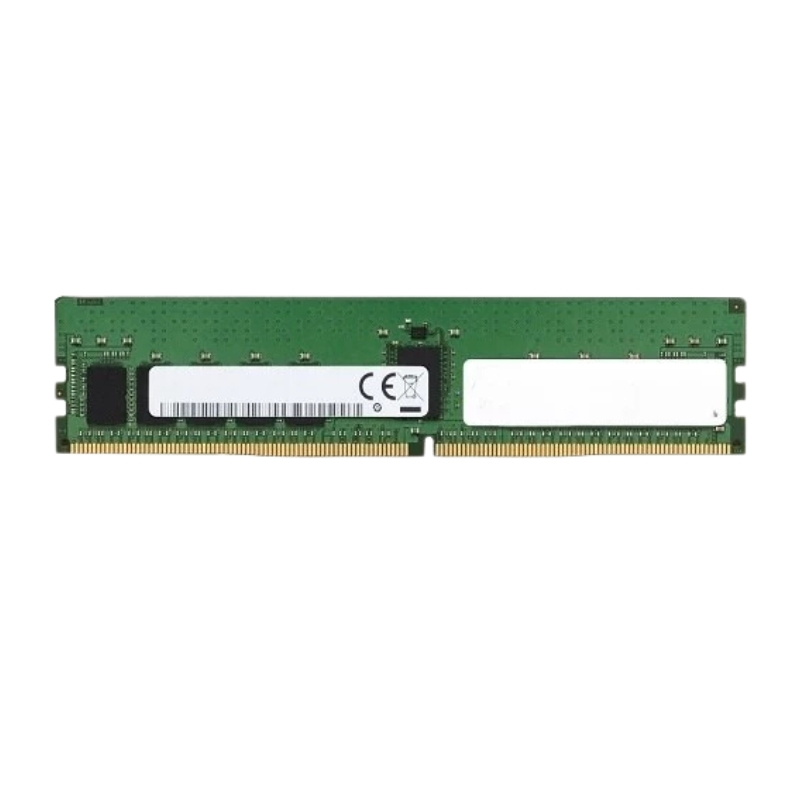


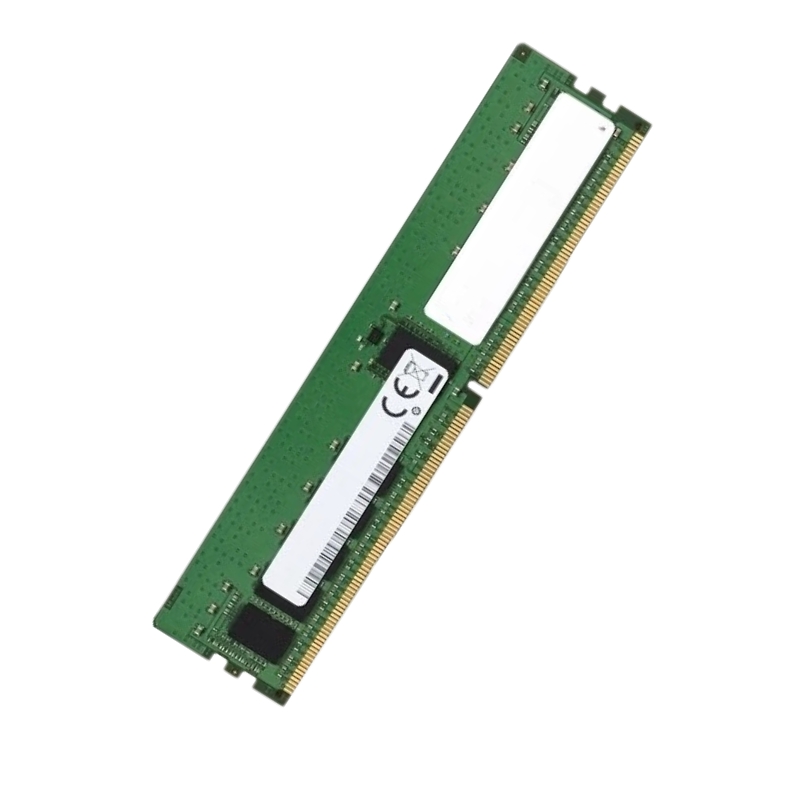
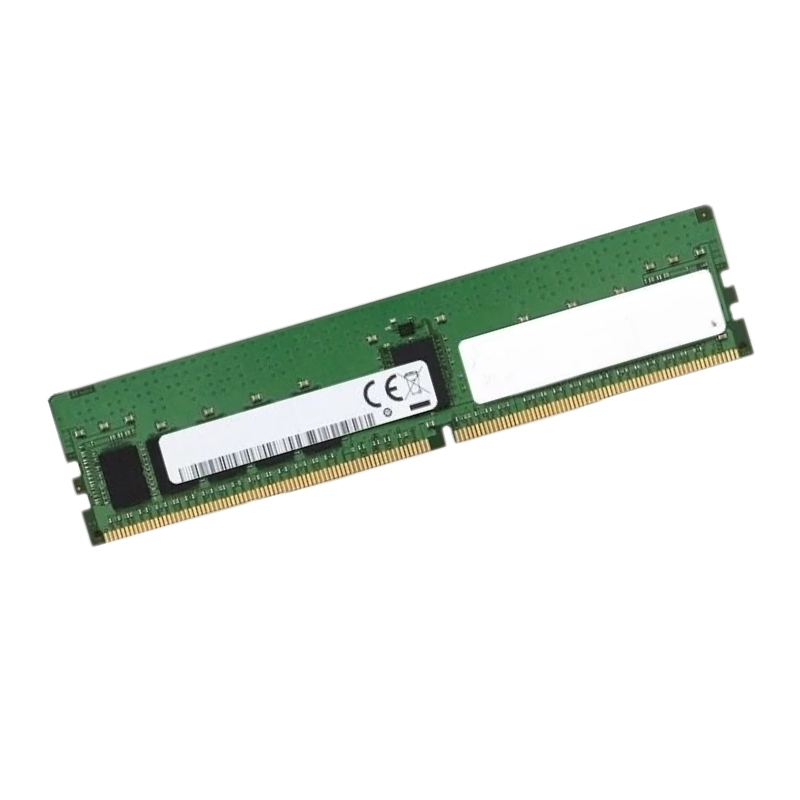
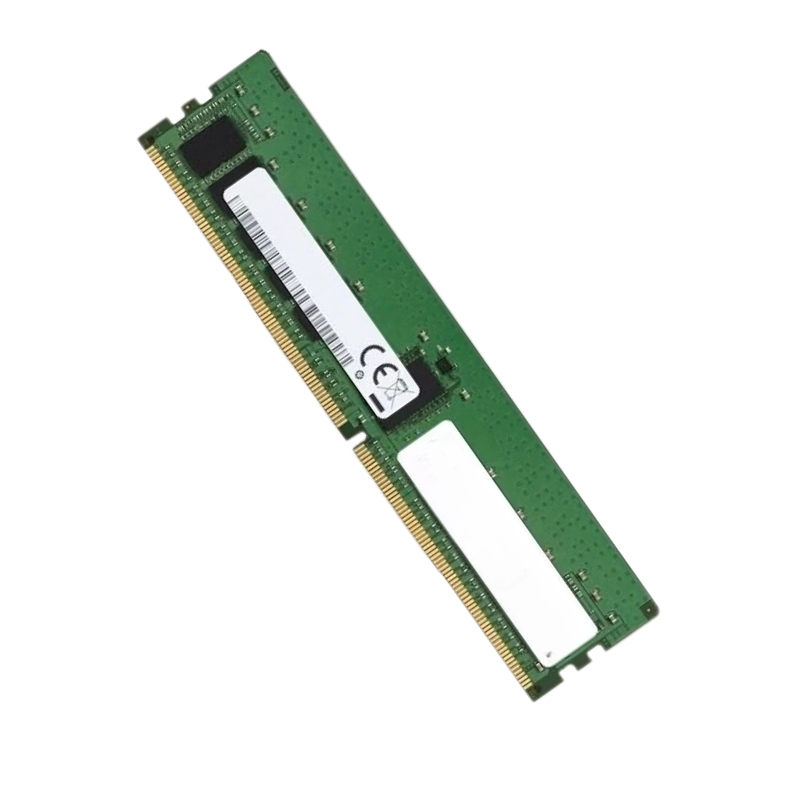
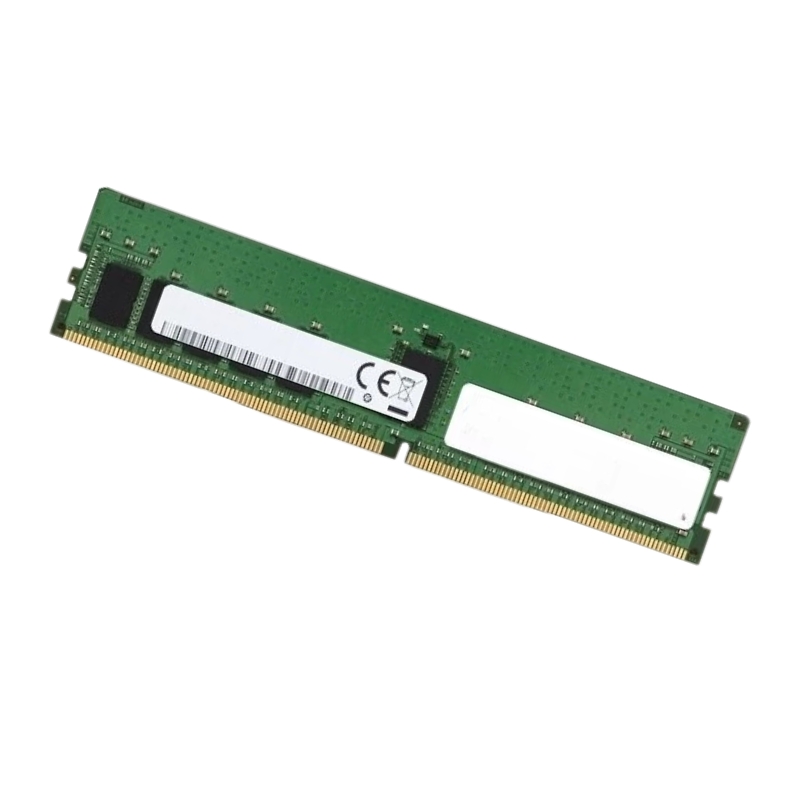
Dell AD390126 16GB 4800MHz PC5-38400 DDR5 ECC Registered 1.1v Cl40 SDRAM 288-pin RDIMM Memory Module. New Sealed in Box (NIB) with 1 Year Warranty - Samsung Version
Build a reliable server foundation with the Dell AD390126, an entry-level DDR5 ECC RDIMM offering essential performance and data integrity for PowerEdge servers.
The Dell AD390126 16GB 4800MHz PC5-38400 DDR5 ECC Registered RDIMM memory module represents a new generation of enterprise-grade system memory engineered for modern data center workloads. As part of the advanced DDR5 server memory category, this module is designed to deliver higher bandwidth, improved power efficiency, and enhanced reliability compared to previous DDR4-based solutions. It fits seamlessly into server and workstation environments that demand predictable performance, continuous uptime, and scalable memory architectures. This category addresses the growing need for memory solutions that can keep pace with multi-core processors, virtualization platforms, cloud-native applications, and data-intensive enterprise software.DDR5 RDIMM memory modules such as the Dell AD390126 are optimized for systems that require stable operation under sustained load. They are commonly deployed in rack servers, tower servers, blade systems, and enterprise workstations where ECC protection, registered signaling, and strict electrical tolerances are essential. With a capacity of 16GB per module, this memory category provides a balanced option for organizations seeking to build or expand memory configurations without sacrificing performance or compatibility.
The transition from DDR4 to DDR5 marks a fundamental architectural evolution in system memory. DDR5 introduces significantly higher base frequencies, and the Dell AD390126 operates at 4800MHz, aligning with the PC5-38400 standard. This increase in data transfer rate enables processors to access memory more quickly, reducing latency bottlenecks in compute-intensive workloads. The category of DDR5 ECC Registered memory is specifically tailored for platforms that leverage next-generation CPUs, where memory bandwidth plays a critical role in overall system throughput.DDR5 memory architecture incorporates dual independent 32-bit channels within a single DIMM, as opposed to the single 64-bit channel found in DDR4. This design improves memory efficiency and parallelism, allowing more data transactions to occur simultaneously. For server environments running database engines, virtualization hypervisors, or containerized applications, these architectural enhancements translate into smoother multitasking and more predictable performance under heavy load conditions.
The PC5-38400 designation reflects the theoretical maximum bandwidth of the Dell AD390126 module. At 4800MT/s, this memory category supports high-speed data transfers that are essential for modern server workloads. Applications such as in-memory databases, analytics platforms, and large-scale ERP systems benefit directly from increased memory bandwidth, as it reduces the time processors spend waiting for data.Within enterprise IT environments, memory bandwidth is often as critical as CPU performance. The PC5-38400 classification ensures that this DDR5 RDIMM category aligns with current server chipset specifications and supports optimal memory channel utilization. This makes it suitable for deployment in balanced system configurations where CPU, memory, and storage performance are carefully matched.
Error Correcting Code Registered Dual Inline Memory Modules form a core category of server-grade memory solutions. The Dell AD390126 DDR5 RDIMM integrates ECC functionality that automatically detects and corrects single-bit memory errors, significantly reducing the risk of data corruption. This is especially important in enterprise environments where data integrity is critical, such as financial systems, healthcare platforms, and mission-critical business applications.
The registered design, also known as buffered memory, reduces the electrical load on the memory controller by placing a register between the DRAM modules and the controller. This enables systems to support larger memory capacities and more populated DIMM configurations without compromising stability. As part of the DDR5 ECC RDIMM category, the Dell AD390126 is well suited for servers that require consistent uptime and long-term reliability.
ECC memory plays a vital role in maintaining system reliability in environments where even minor errors can lead to application crashes or data loss. The category of ECC-enabled DDR5 memory is particularly relevant for workloads involving continuous data processing, real-time analytics, and virtualization. By correcting memory errors on the fly, ECC technology helps maintain application stability and reduces the likelihood of unexpected system failures.
For organizations operating large server farms or private cloud infrastructures, ECC memory also contributes to lower operational risk. Reduced error rates can translate into fewer system reboots, less downtime, and improved service level agreements. This makes DDR5 ECC RDIMM modules a foundational component of enterprise IT architectures.
Registered memory modules are essential in multi-DIMM configurations where signal integrity becomes a concern. The Dell AD390126 category benefits from registered buffering that stabilizes command and address signals, allowing servers to scale memory capacity efficiently. This design ensures reliable communication between the memory controller and each DIMM, even when all slots are populated.
In large-scale server deployments, registered memory helps maintain consistent performance across all memory channels. This is particularly important in dual-socket and multi-socket systems where balanced memory access is required to maximize CPU utilization. The DDR5 RDIMM category is therefore a preferred choice for enterprise-grade servers and workstations.
The 16GB capacity of the Dell AD390126 positions it as a versatile option within the DDR5 RDIMM category. This capacity allows system architects to build flexible memory configurations that can be scaled according to workload requirements. Whether deploying a modest server for departmental applications or expanding a high-density virtualization host, 16GB modules provide granular control over total memory capacity.
In modern server environments, memory scalability is a key consideration. Using 16GB RDIMM modules allows organizations to populate multiple memory channels while maintaining optimal interleaving and performance. This category supports gradual upgrades, enabling businesses to expand memory over time without replacing existing modules.
Sixteen-gigabyte DDR5 RDIMM modules are commonly used in virtualization hosts, application servers, and database servers where balanced performance and cost efficiency are required. They are suitable for running multiple virtual machines, handling transactional workloads, and supporting middleware platforms. As part of the DDR5 ECC RDIMM category, these modules provide a reliable foundation for diverse enterprise applications.
In edge computing and remote office deployments, 16GB modules offer sufficient capacity for localized workloads while maintaining enterprise-grade reliability. This makes them an attractive option for organizations seeking standardized memory solutions across distributed IT environments.
The operating speed of 4800MHz defines the performance profile of the Dell AD390126 DDR5 memory category. This high frequency enables faster data access compared to earlier memory generations, supporting workloads that demand rapid memory transactions. Combined with a CAS latency of CL40, this module balances speed and stability to deliver consistent performance in enterprise systems.
While lower latency values are often associated with consumer memory, enterprise DDR5 RDIMM modules prioritize stability and compatibility. The CL40 latency is optimized for server platforms, ensuring reliable operation across a wide range of workloads and environmental conditions. This balance is essential for maintaining system integrity in 24/7 operational environments.
Memory speed directly influences application responsiveness and throughput in server environments. Higher-frequency DDR5 memory allows CPUs to access data more quickly, reducing bottlenecks in data-intensive tasks. The 4800MHz speed of this category is particularly beneficial for applications that rely on frequent memory access, such as virtualization, analytics, and caching layers.
In multi-core processors, memory bandwidth becomes increasingly important as more cores compete for data access. DDR5 RDIMM modules help alleviate this contention by providing higher aggregate bandwidth, enabling better scaling as core counts increase.
Power efficiency is a critical consideration in modern data centers, and the Dell AD390126 DDR5 RDIMM category addresses this through low-voltage operation at 1.1V. Compared to previous memory generations, DDR5 reduces power consumption per bit transferred, contributing to overall energy savings. This is particularly important in large-scale deployments where memory power usage can have a significant impact on operational costs.
Lower operating voltage also results in reduced heat generation, which can improve system cooling efficiency and component longevity. By minimizing thermal stress, DDR5 memory modules support more stable long-term operation in densely populated server racks.
Energy-efficient memory solutions are essential for organizations seeking to reduce their carbon footprint and comply with sustainability initiatives. The DDR5 ECC RDIMM category supports these goals by delivering higher performance per watt compared to older memory technologies. This enables data centers to achieve greater compute density without proportionally increasing power consumption.
In addition to cost savings, improved energy efficiency can enhance system reliability by reducing thermal load. Cooler operating conditions contribute to lower failure rates and extended hardware lifecycles, making DDR5 memory a strategic investment for long-term infrastructure planning.
The 288-pin RDIMM form factor defines the physical interface of the Dell AD390126 module and ensures compatibility with DDR5-enabled server and workstation motherboards. This form factor is distinct from earlier DDR4 modules, preventing incorrect installation and ensuring proper electrical characteristics. As part of the DDR5 RDIMM category, the 288-pin design supports advanced signaling and power delivery requirements.
Physical compatibility is a crucial aspect of enterprise memory selection. The standardized RDIMM form factor allows IT teams to deploy memory modules across a wide range of supported systems, simplifying procurement and maintenance. This consistency is especially valuable in environments with mixed server models and configurations.
The Dell AD390126 memory module is designed to integrate seamlessly with compatible Dell PowerEdge servers and enterprise workstations that support DDR5 RDIMM memory. This category ensures validated compatibility, firmware support, and predictable performance when used in supported systems. Such integration reduces the risk of configuration issues and simplifies system deployment.
Using vendor-qualified memory modules also supports warranty compliance and technical support processes. In enterprise environments, this alignment between hardware components is essential for maintaining service continuity and minimizing troubleshooting complexity.
The DDR5 ECC RDIMM category represented by the Dell AD390126 is optimized for a wide range of enterprise workloads. These include virtualization platforms, private and hybrid cloud infrastructures, database servers, and high-performance computing environments. The combination of high bandwidth, error correction, and registered buffering ensures consistent performance under sustained load.
For virtualization, adequate memory bandwidth and capacity are critical to supporting multiple virtual machines with predictable performance. DDR5 RDIMM modules enable higher VM density by reducing memory contention and improving data access speeds. This makes them an ideal choice for organizations consolidating workloads onto fewer physical servers.
Database servers and analytics platforms benefit significantly from high-speed memory access. The 4800MHz DDR5 memory category supports faster query execution, improved caching efficiency, and reduced latency in transactional systems. ECC protection further ensures data accuracy, which is essential for business intelligence and decision-making processes.
In analytics and big data environments, memory performance can directly influence processing times and throughput. DDR5 RDIMM modules provide the bandwidth necessary to handle large datasets and complex computations, supporting real-time insights and data-driven operations.
The Dell AD390126 DDR5 RDIMM category is designed with scalability in mind, supporting future system expansion and evolving workload demands. As server platforms continue to increase core counts and memory channel capacities, DDR5 memory provides the foundation for scalable performance. The registered design allows systems to support larger total memory capacities without compromising stability.
Future-ready memory architecture is essential for organizations planning long-term infrastructure investments. By adopting DDR5 ECC RDIMM memory, businesses can ensure compatibility with upcoming processor generations and maintain performance headroom for future applications.
Investing in DDR5 RDIMM memory modules offers long-term value by extending the usable lifespan of server platforms. The performance improvements and efficiency gains of DDR5 help systems remain relevant as software requirements evolve. This reduces the frequency of hardware refresh cycles and maximizes return on investment.For enterprise IT planners, the DDR5 ECC RDIMM category represents a strategic choice that balances performance, reliability, and scalability. The Dell AD390126 module exemplifies this balance, making it a dependable component within modern server memory architectures.


 Contact Us
 Information
 Catalog
 Solid State Drives (SSD)
 Network Switches
 Hard Disk Drives
 HBA & Controllers
 PC & Servers
 PC & Server Memory
 CPU & Processors
 Network Routers
 Power Supplies
 Tape Drives & Libraries
 Network Devices
 Computer & Network Cables