(7% discount is applied at checkout)
Cart is empty
Your go-to destination for cutting-edge server products
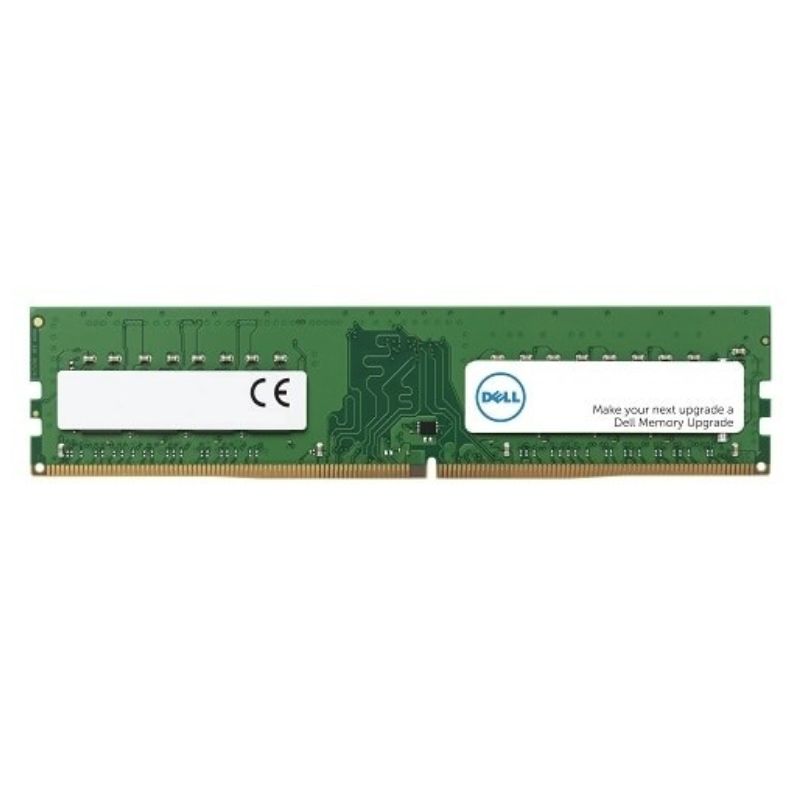


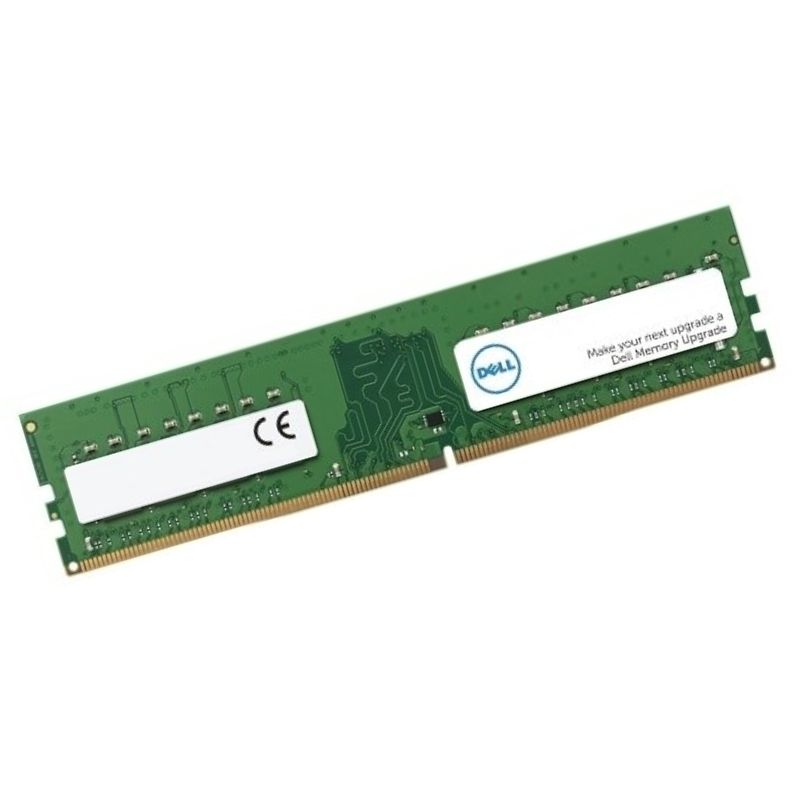
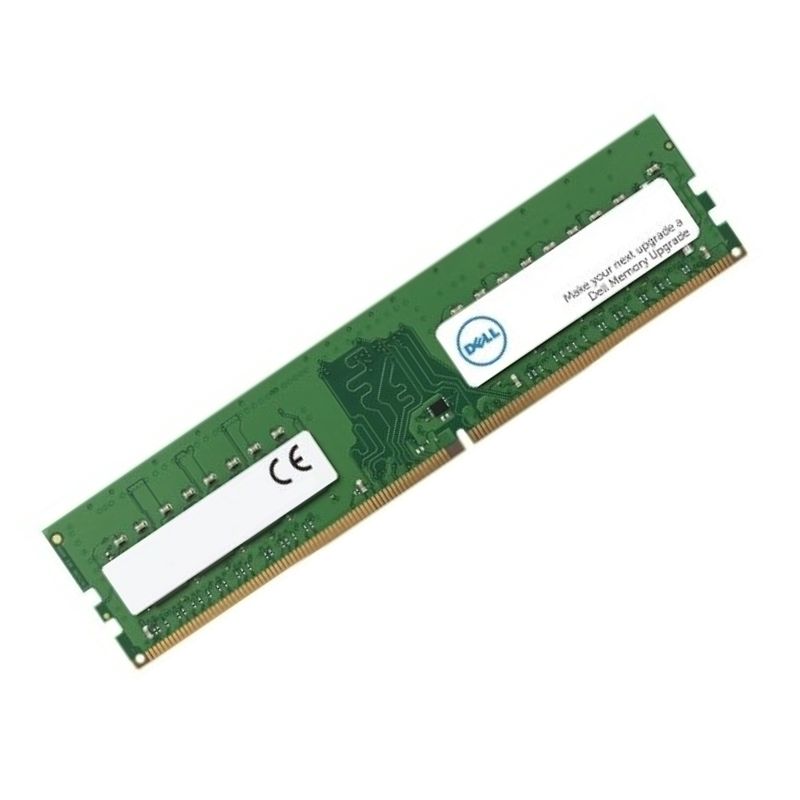
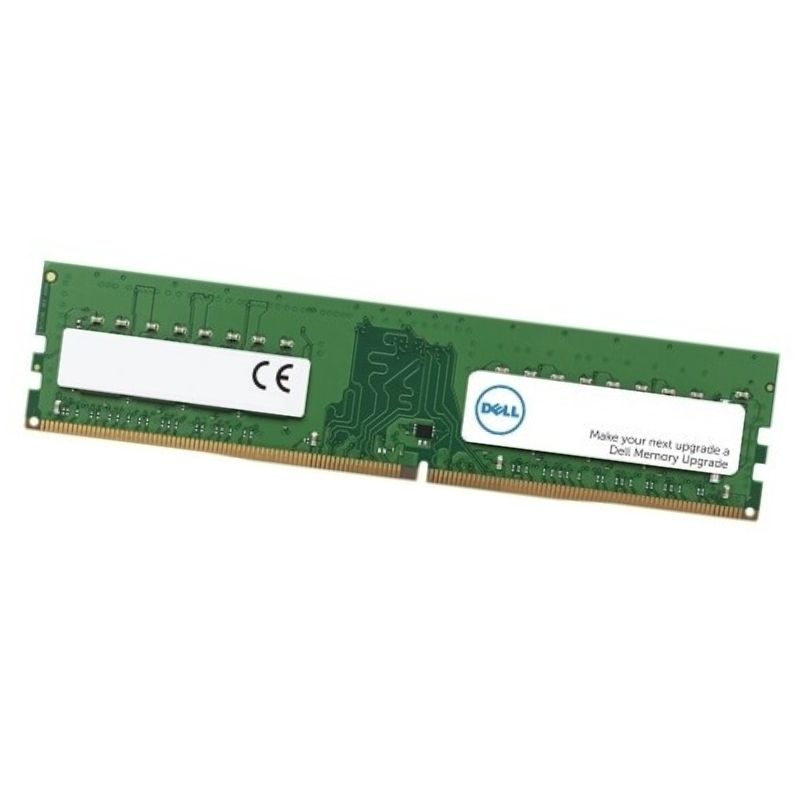
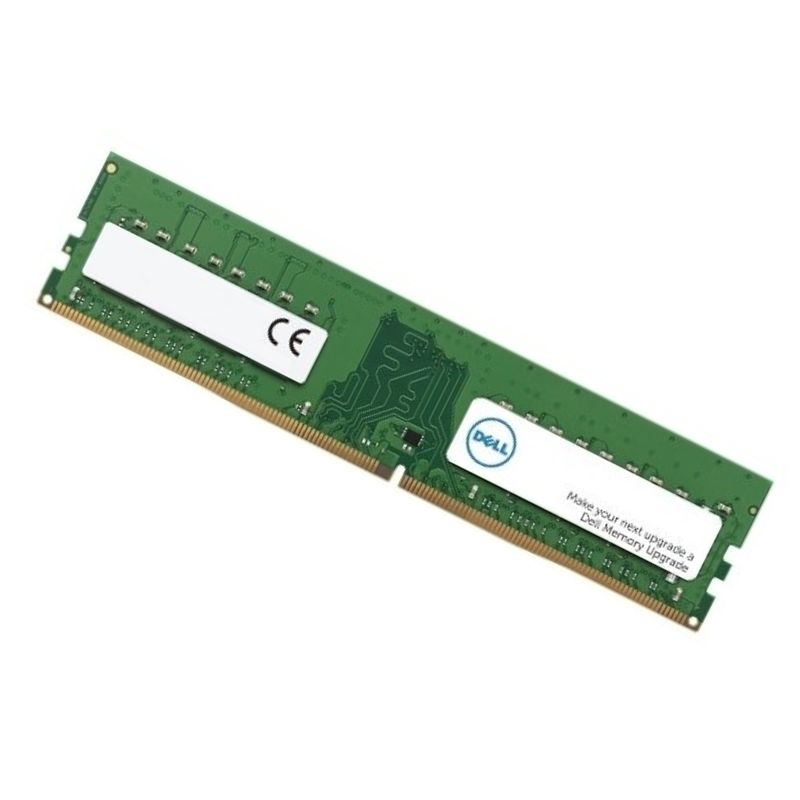
Dell AD390129 64GB 6400mt/s Pc5-51200 Registered DDR5 SDRAM 288-pin Memory Module. New Sealed in Box (NIB) with 1 Year Warranty - Samsung Version
The Dell AD390129 64GB DDR5 SDRAM module is a robust enterprise-class memory solution tailored for organizations requiring maximum speed, stability, and reliability. This registered dual-rank ECC DIMM provides exceptional bandwidth and data integrity, making it an ideal choice for modern data centers, virtualization hosts, and high-demand server infrastructures.
By combining exceptional speed, efficient energy usage, and ECC reliability, this 64GB DDR5 module strengthens mission-critical operations in any enterprise environment. Whether you are running large-scale databases, virtualized workloads, or cloud infrastructures, the Dell AD390129 delivers a balanced mix of efficiency and dependability.
The Dell AD390129 64GB 6400MT/s PC5-51200 CL52 ECC Registered Dual Rank x4 1.2V DDR5 SDRAM 288-pin RDIMM is a high-capacity server memory module engineered for modern enterprise workloads. Designed to meet demanding data center requirements, this module combines the high bandwidth of DDR5-6400 (PC5-51200) with ECC registered reliability, dual-rank organization, and a power-efficient 1.2V operating voltage. As a 288-pin Registered DIMM (RDIMM) using x4 DRAM devices, it targets servers and workstations that require large memory footprints, fast data throughput, and robust error correction to maximize uptime and data integrity.
Running at an effective data rate of 6400 megatransfers per second (MT/s), the AD390129 offers a theoretical peak bandwidth of up to 51.2 GB/s per module when measured in peak transfer terms for single-direction operations (PC5-51200). In multi-channel server architectures this translates to substantial aggregate memory bandwidth, which directly benefits memory-bound applications such as in-memory databases, analytics, virtualization hosts, and high-performance computing (HPC) workloads.
The module’s specified CAS latency (CL) of 52 reflects DDR5 timing improvements paired with higher transfer rates. While CL numbers appear larger than older DDR4 modules, DDR5’s higher clock and improved command handling yield lower effective latency in many real-world scenarios. Application-level impact varies: throughput-sensitive tasks (large sequential transfers, streaming analytics) will see larger gains from DDR5-6400, while extremely latency-sensitive workloads may require tuning at the platform/BIOS level to optimize memory interleaving and channel utilization.
ECC protects against single-bit memory errors and detects multi-bit errors, a crucial capability in servers where data integrity is paramount. The Dell AD390129 implements ECC mechanisms at the module level in coordination with the server memory controller to correct transient faults and help avoid data corruption and application crashes—especially valuable in always-on database, virtualization, and critical infrastructure systems.
As an RDIMM (Registered DIMM), this module includes register logic to buffer address/command signals between the memory controller and DRAM devices. The register reduces electrical load on the memory bus, enabling higher module counts per channel and more stable signal integrity in large-capacity server configurations. This makes RDIMMs the preference for multi-socket systems and densely populated memory channels.
The Dell AD390129 uses the industry-standard 288-pin RDIMM connector, compatible with server motherboards and chassis that support DDR5 registered modules. The physical pinout and notch placement conform to JEDEC DDR5 RDIMM specifications, but always confirm server vendor memory compatibility lists—especially for OEM-branded systems that may require vendor-qualified firmware and firmware-managed memory part numbers.
This module is organized as Dual Rank (two logical ranks) with x4 DRAM devices. Dual-rank modules can present higher effective memory capacity and sometimes improved performance over single-rank modules in certain access patterns due to rank interleaving. The x4 device width is a common enterprise configuration balancing capacity, ECC implementation, and repair/refresh characteristics.
Operating at 1.2V, DDR5 modules like the AD390129 provide greater energy efficiency compared to earlier generation memory at higher voltages. At scale across rack or fleet deployments, the lower voltage contributes to measurable power savings and reduced cooling demands. For large memory footprints, consider both module power draw and platform DIMM slot power limits when designing server configurations.
While most RDIMMs are passive and rely on chassis airflow, high-density and high-speed modules can run warmer under sustained heavy loads. Ensure server airflow meets vendor specifications and, when applicable, use front-to-back cooling designs, densely packed chassis with proper baffle arrangements, or server platforms with dedicated memory cooling features. For the AD390129, follow Dell’s thermal guidelines when populating multiple RDIMMs to avoid throttling or system instability.
Large memory capacity (64GB per DIMM) and the bandwidth advantage of DDR5-6400 make the AD390129 ideal for virtualization hosts running many VMs or containers. ECC registered memory provides the reliability required for hypervisors, while higher throughput reduces VM memory contention and improves application responsiveness in multi-tenant scenarios.
In-memory databases and analytics platforms (e.g., SAP HANA, Redis, Memcached) benefit directly from the increased memory bandwidth and capacity. Dual-rank 64GB modules allow architects to design large memory pools that fit dataset-in-memory strategies, lowering IO latency by avoiding disk-based access paths.
Compute nodes running HPC simulations or distributed compute frameworks (MPI, Spark) see improvements from faster memory and wider data paths. The AD390129 is appropriate for nodes where memory throughput forms a bottleneck for numeric simulation, large model training workloads, or bioinformatics pipelines that stream large datasets through memory.
Although the RDIMM follows JEDEC standards, server-level compatibility hinges on vendor validation. Dell often publishes memory compatibility lists and part cross-reference tables for each server family (PowerEdge models, for instance). Before procurement, check your exact server model, BIOS version, and supported memory speeds—platforms may downclock modules to earlier speeds (e.g., DDR5-4800 or DDR5-5600) depending on CPU, memory slot population, or mixed-module configurations.
Mixing RDIMMs with LRDIMMs, UDIMMs, or modules of differing speeds/capacities is generally unsupported and can introduce instability or performance degradation. Adhere to the server vendor’s population rules: populate channels symmetrically, match module capacity and speed across channels for optimal interleaving, and consult documentation for maximum supported module sizes and recommended slot ordering.
Some platforms provide memory performance profiles or XMP-like settings to unlock rated speeds. In enterprise servers, always follow vendor guidance: enable supported profiles only if the CPU and motherboard support the profile and if you have verified thermal and power headroom. For mission-critical systems, prefer stable JEDEC defaults or vendor-certified profiles.
Memory compatibility and stability often depend on CPU microcode and server BIOS firmware. Keep system firmware updated to recommended versions when deploying new high-speed DIMMs, and validate configurations in a staging environment before rolling changes into production.
Enterprise systems often support background memory scrubbing and patrol scrubbing to proactively detect and correct errors. With ECC RDIMMs, periodic scrubbing can detect failing cells and correct errors before application-level impact. Enable these features per vendor recommendations and monitor system logs for recurring correctable errors that could indicate deteriorating modules.
Many server platforms expose DIMM health data (temperature, ECC correction statistics) through system management tools (iDRAC, OpenManage, or equivalent). Integrate these telemetry feeds into monitoring systems to act on early warning signs, schedule preventive maintenance, or trigger warranty RMA actions if SMART-like metrics indicate imminent failure.
While ECC preserves data integrity against random faults, platform-level features such as memory encryption (MKTME, TME) and secure boot complement memory reliability by protecting data from unauthorized access. Confirm server platform support for memory encryption if handling regulated or sensitive data.
Hardware and firmware mitigations for attack vectors such as Rowhammer continue to be relevant. Use vendor guidance and up-to-date firmware to ensure that defensive measures remain enabled, and apply industry best practices (system hardening, controlled access) in environments with heightened threat models.
In multi-socket servers and NUMA (Non-Uniform Memory Access) environments, proper memory placement and allocation policy dramatically influence performance. Ensure applications are NUMA-aware, bind memory and threads appropriately, and configure OS-level NUMA balancing where beneficial. Using symmetrical RDIMM populations on each socket reduces remote memory accesses and improves throughput for memory-sensitive processes.
Architectures frequently trade off capacity for speed; for example, populating more ranks and DIMMs may reduce achievable frequency in some platforms. For the Dell AD390129, plan memory capacity targets and verify that the targeted operating frequency (DDR5-6400) remains attainable given your intended configuration. Where ultra-low latency is crucial, evaluate alternative DIMM speed/capacity combinations and test under production-like loads.
DDR5 RDIMMs like the AD390129 deliver higher bandwidth, improved power efficiency (1.2V baseline), and architectural enhancements (on-die ECC, new channel architectures in future generations) compared to DDR4. For systems that support DDR5, the move to DDR5 yields measurable performance benefits in throughput-heavy applications; however, platform migration costs and compatibility must be considered.
LRDIMMs (Load-Reduced DIMMs) can support larger total memory capacities per CPU socket due to buffer chips that reduce electrical load on the memory bus. RDIMMs, including the AD390129, typically offer lower latencies and are commonly used where middle-to-high capacities are needed with predictable latency characteristics. Choose LRDIMM when maximum capacity is the primary requirement; choose RDIMM when balancing capacity, latency, cost, and vendor support is required.
For new deployments, stage memory in a test environment replicating production loads. Execute memory stress tests and burn-in procedures to reveal early-life failures (infant mortality) and validate performance profiles. This approach reduces the risk of production outages caused by hardware failures that would otherwise surface under peak loads.
DDR5 introduces architectural changes such as doubled burst lengths, bank-group improvements, and improved channel architectures in future server-class implementations. While the AD390129 adheres to current DDR5 RDIMM JEDEC specifications, these foundational enhancements enable features like improved parallelism and higher effective bandwidth per module—advantages realized by software that can exploit wider data paths and larger working sets held in memory.
The module’s SPD EEPROM contains serialized module data (speed, timings, manufacturer ID, part number) that the system BIOS reads during POST. Ensure SPD data matches vendor documentation and is accurate—mismatched SPD can prevent proper memory initialization or cause the system to fall back to conservative timing settings.
In a VDI deployment, where hundreds of virtual desktops share host resources, packing 64GB RDIMMs like the AD390129 into each host expands the number of virtual desktops per server and reduces the need for additional hosts—delivering capital expenditure savings and simplified management. ECC ensures session-level stability, while DDR5 bandwidth improves responsiveness for graphics-accelerated or memory-intensive desktop images.
Scale-out databases and distributed caches leverage memory-dense nodes to keep hot datasets resident in RAM. Using 64GB DDR5 modules, database architects can increase the in-memory working set size per node, reducing cross-node chatter and disk I/O. The AD390129 provides a balanced approach: large capacity, high bandwidth, and ECC safeguards.


 Contact Us
 Information
 Catalog
 Solid State Drives (SSD)
 Network Switches
 Hard Disk Drives
 HBA & Controllers
 PC & Servers
 PC & Server Memory
 CPU & Processors
 Network Routers
 Power Supplies
 Tape Drives & Libraries
 Network Devices
 Computer & Network Cables