(7% discount is applied at checkout)
Cart is empty
Your go-to destination for cutting-edge server products
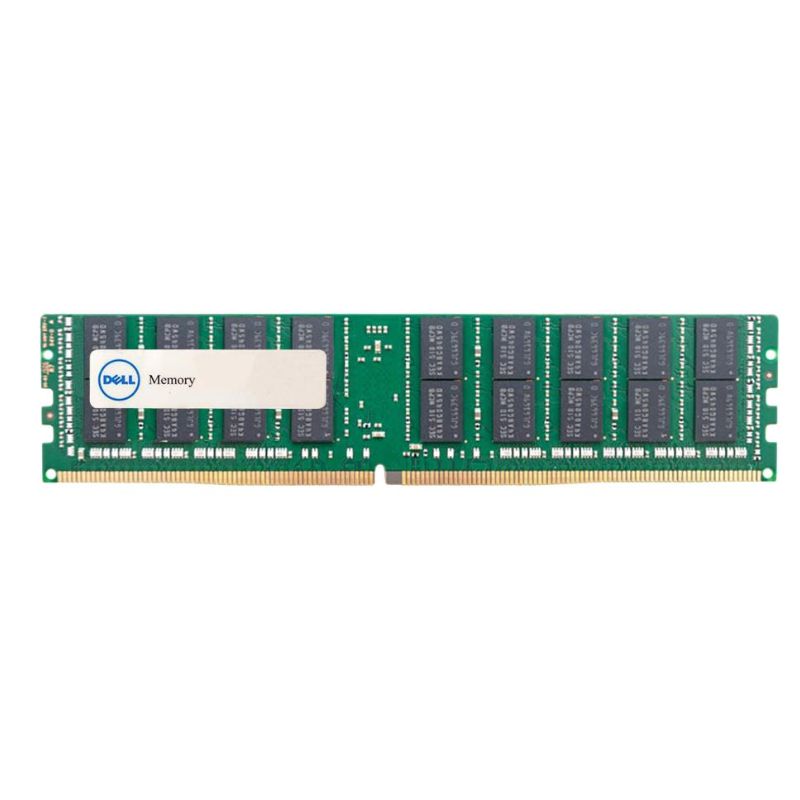


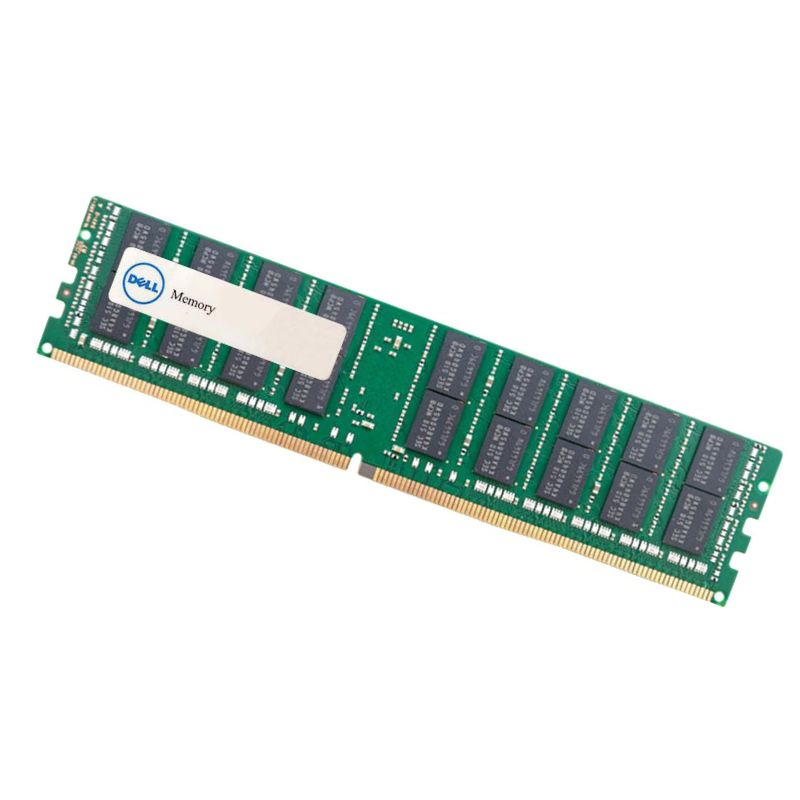
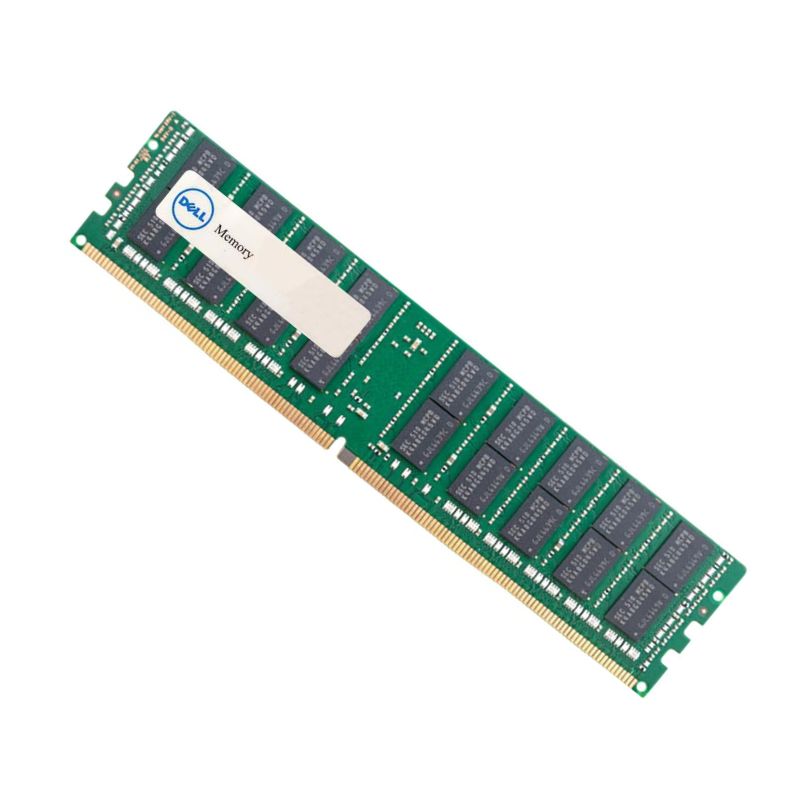
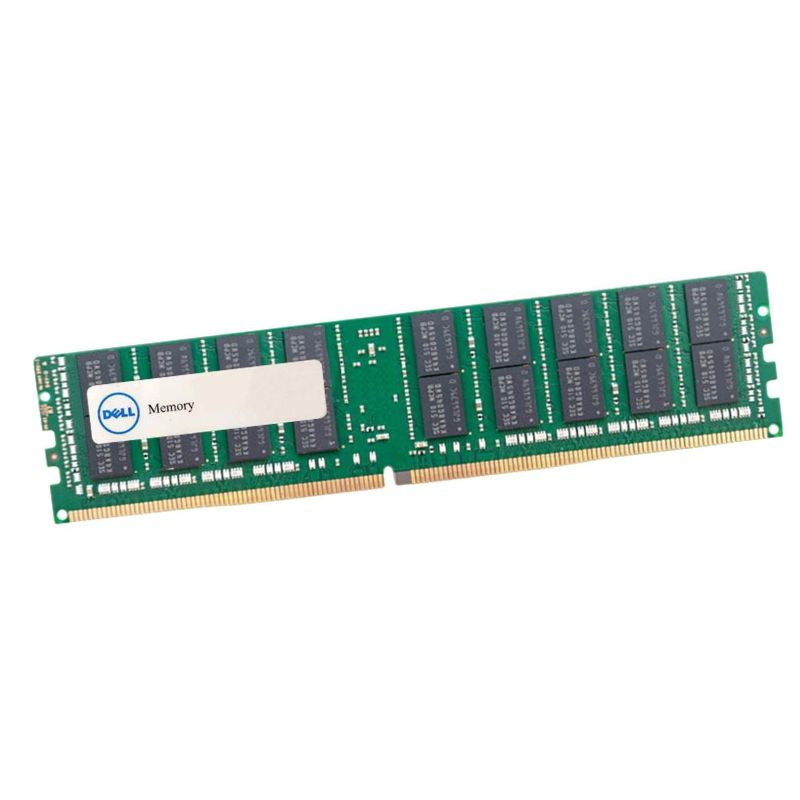
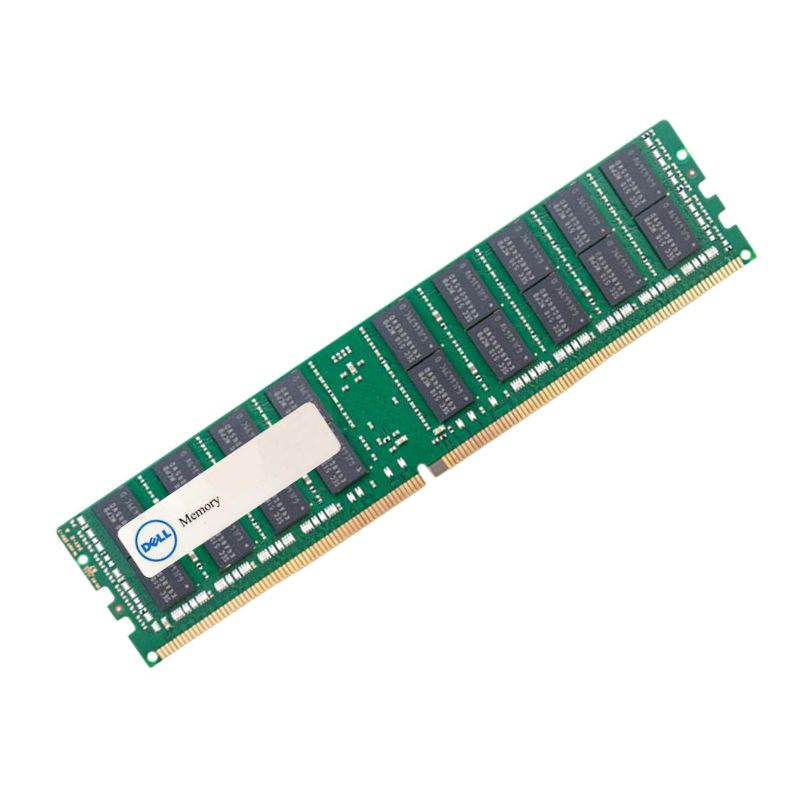
Dell AD390130 96GB 6400mt/s Pc5-51200 Ecc Registered DDR5 SDRAM 288-pin Rdimm Memory Module. New Sealed in Box (NIB) - Samsung Version
| SKU/MPN | Warranty | Price | Condition | You save |
|---|---|---|---|---|
| AD390130 | 1 Year Warranty | $4,798.00 | New (System) Pull | You save: $1,679.30 (26%) |
| AD390130 | 1 Year Warranty | $6,720.00 | New Sealed in Box (NIB) | You save: $2,352.00 (26%) |
The Dell AD390130 is a high-performance 96GB DDR5 SDRAM memory module engineered for enterprise-grade servers and data-intensive applications. Operating at 6400MT/s with PC5-51200 bandwidth, this registered dual-rank x4 DIMM delivers outstanding speed, stability, and scalability for mission-critical workloads.
Key Technical Specifications
The Dell AD390130 96GB 6400mt/s PC5-51200 DDR5 SDRAM Registered (RDIMM) category covers server-grade memory modules engineered for modern enterprise workloads that demand high throughput, low latency, and robust data integrity. These modules are ECC (Error-Correcting Code), Registered, Dual Rank, X4-organization, CL52, 1.1V DDR5 RDIMMs with the industry-standard 288-pin edge connector. They are designed specifically for rack and tower servers, data center platforms, virtualization hosts, database servers, and high-performance computing nodes where reliability and predictable performance matter.
Important search terms and identifiers customers use include: Dell AD390130, 96GB DDR5 RDIMM, 6400MT/s PC5-51200, ECC Registered memory, Dual Rank x4, CL52, 1.1V, and 288-pin RDIMM for server. Optimizing content around these phrases helps buyers find modules compatible with modern Dell PowerEdge platforms and other servers that support DDR5 RDIMM specifications.
A 96GB module allows for higher per-slot capacity than historical DDR4 options, enabling dense memory configurations without consuming extra DIMM slots. For server administrators this translates to larger VM consolidation ratios, bigger in-memory databases, and improved caching capacity per server node.
6400 mega-transfers per second (MT/s) corresponds to the PC5-51200 class (nominal theoretical peak bandwidth ~51.2 GB/s per module in ideal conditions when considering the interface width). This class of DDR5 module is targeted at systems that benefit from high memory bandwidth — analytics, AI/ML inference nodes, and HPC applications.
The 288-pin layout is the standard physical interface for DDR5 RDIMM modules in servers. Registered DIMMs (RDIMM) include an address/command register between the memory controller and DRAM devices that reduces electrical loading and improves signal integrity at high densities and speeds.
ECC Registered (RDIMM) modules like these implement hardware ECC and register buffering to ensure system stability under heavy loads. Compared to UDIMM (unbuffered), RDIMMs are preferable in enterprise servers. LRDIMMs (Load Reduced DIMMs) offer even higher density in some configurations, but RDIMMs provide a balanced tradeoff of compatibility, latency, and density.
Dual-rank modules present two logical ranks of memory to the controller — this can improve effective parallelism and throughput on many memory controllers. The x4 organization indicates the internal DRAM chip width; x4 is common for server-grade DIMMs and often used for high-capacity modules due to chip size and addressing efficiency.
CL52 refers to the column access strobe (CAS) latency in cycles. While raw cycle counts may appear higher in DDR5 vs older generations, overall throughput improvements and architectural enhancements can produce superior real-world latency and bandwidth. The DDR5 standard typically operates near 1.1V for nominal voltage, improving power efficiency compared to higher-voltage DDR generations.
The 96GB capacity per DIMM is ideal for hypervisor hosts running many virtual machines (VMs). Systems populated with multiple 96GB RDIMMs allow administrators to support greater VM density while preserving memory headroom for live migration, snapshots, and memory-intensive guest OS tasks. ECC-correcting memory is critical for multi-tenant environments where data integrity is non-negotiable.
Database servers (relational and NoSQL) and caching layers benefit from the combination of large capacity and high bandwidth. In-memory databases and large cache layers (Redis, Memcached, in-memory OLTP) often see direct latency and throughput improvements when upgraded to 6400MT/s DDR5 RDIMMs.
Analytics workloads (OLAP, large-scale ETL, columnar stores) and HPC simulations need both bandwidth and capacity. Dual rank DDR5 RDIMMs supply stronger parallel memory access patterns for multi-threaded analytics engines and vectorized computation workloads.
While GPU-bound training is common, CPU-based inference and pre-/post-processing pipelines run on the server CPU and require fast memory. These RDIMMs help sustain data throughput into CPUs, accelerating preprocessing, batch inference, and feature engineering tasks.
These RDIMMs are targeted to modern server platforms that explicitly support DDR5 RDIMM modules. Always verify server documentation and HCL (Hardware Compatibility List) for supported memory densities, speeds, and population rules. Firmware and BIOS updates may be required to enable max speed (e.g., 6400MT/s) or to support higher-capacity DIMMs. Consult OEM memory compatibility lists for validated configurations.
Server motherboards use multi-channel memory controllers (dual-, quad-, or octa-channel depending on CPU/socket). For best performance, populate memory channels per vendor guidelines to enable interleaving and maximize parallel access. Mixing ranks, speeds, or module types may force the system to downclock or default to a safe JEDEC speed.
Mixing DDR5 RDIMMs of different speeds or vendors can cause the platform to operate at the lowest common denominator speed/voltage/timings. For predictable production behavior, use matched kit sets or identical modules (same part number) across channels. ECC and RDIMM buffering generally ensure higher tolerance to mixed populations than unbuffered memory, but identical modules remain the recommended best practice.
Server memory is sensitive to electrostatic discharge (ESD). Follow ESD-safe handling: grounded wrist straps, anti-static mats, and avoid touching gold edge connectors or circuitry. Keep modules in anti-static sleeves until installation and avoid flexing or bending the DIMM.
On the first boot after installing higher-density or high-speed modules, the platform may perform extended memory training routines. Allow the server to complete POST and training cycles. If the system fails to boot or reports memory errors, reseat modules, try alternate slots, or consult vendor debug logs (iDRAC, ILO) for DIMM errors.
Achieving optimal performance is a balance between capacity, rank count, and channel population. Dual-rank modules can improve throughput in systems optimized for rank interleaving. However, adding more ranks across channels may increase memory controller load; always test real-world workloads to find optimal mixes.
While DDR5 increases peak bandwidth significantly, CAS latency numbers may be numerically higher than DDR4. Many enterprise workloads benefit more from bandwidth than marginal lower latency, but latency-sensitive applications (certain OLTP workloads) should be benchmarked specifically to ensure performance goals are met.
In multi-socket servers, memory is often partitioned in NUMA nodes. Populate DIMMs in a way that preserves NUMA locality for processes that are memory- or NUMA-sensitive. NUMA-aware scheduling and tuning can dramatically improve throughput and reduce cross-socket memory access penalties.
ECC memory can detect and correct single-bit errors and detect multi-bit events depending on implementation. Registered ECC RDIMMs greatly reduce the frequency of silent data corruption by automatically correcting single-bit memory errors and flagging multi-bit errors for system and admin action. Proper monitoring and logging ensure quick action on uncorrectable events.
The register on RDIMMs buffers address/command signals, reducing trace loading and enabling stable signaling at higher speeds and densities. For servers running in 24/7 production, registered buffering helps maintain predictability and reduces the risk of timing-related memory errors.
Higher density and higher-speed modules can generate more heat. Ensure proper airflow in server chassis and that system fans and thermal management profiles are configured to handle increased memory thermal load. DDR5's nominal 1.1V helps with power efficiency, but real-world power draw will depend on module architecture and system population.
Compared to lower-speed DDR5 RDIMMs (e.g., 4800MT/s), the 6400MT/s class delivers higher theoretical bandwidth and can reduce memory-bound bottlenecks. The tradeoffs are ensuring platform support and potentially higher cost. In many cases the incremental performance justifies the investment for bandwidth-sensitive workloads.
If a deployment requires pushing memory capacity to the absolute maximum per socket, LRDIMMs may allow higher cumulative capacity by reducing electrical loading. However, LRDIMMs can have slightly higher latency and cost. For many balanced workloads, RDIMMs like the AD390130 offer an excellent compromise between latency, compatibility, and cost.
Dell-labeled modules are validated for Dell platforms, but DDR5 RDIMMs from reputable third-party manufacturers can also work in Dell servers if they adhere to JEDEC and OEM compatibility. For enterprise procurement, validated vendor lists and warranty coverage are important factors — buying OEM-validated memory reduces risk and improves supportability.


 Contact Us
 Information
 Catalog
 Solid State Drives (SSD)
 Network Switches
 Hard Disk Drives
 HBA & Controllers
 PC & Servers
 PC & Server Memory
 CPU & Processors
 Network Routers
 Power Supplies
 Tape Drives & Libraries
 Network Devices
 Computer & Network Cables