(7% discount is applied at checkout)
Cart is empty
Your go-to destination for cutting-edge server products
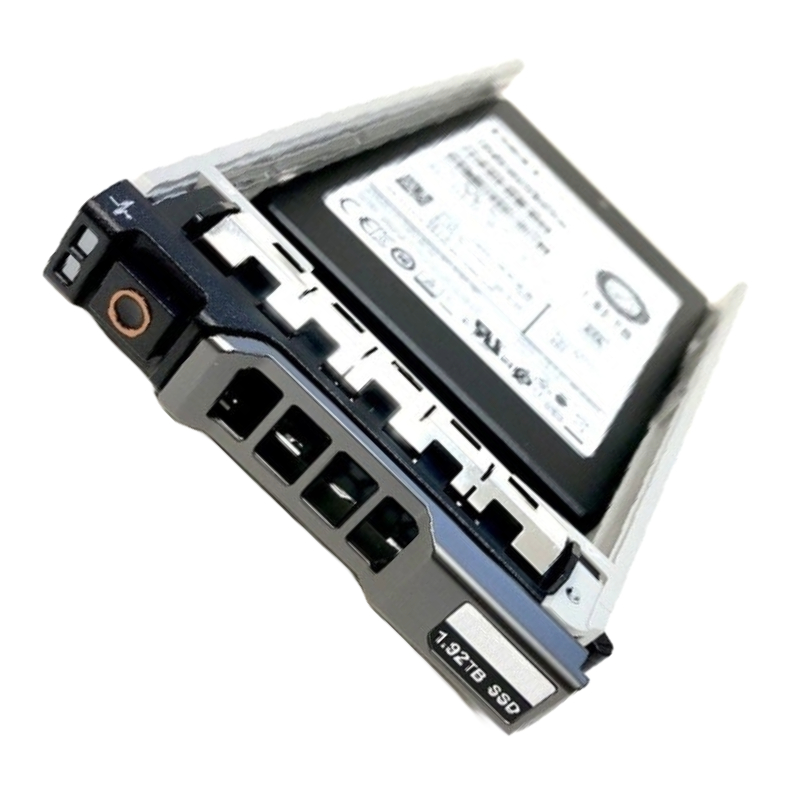


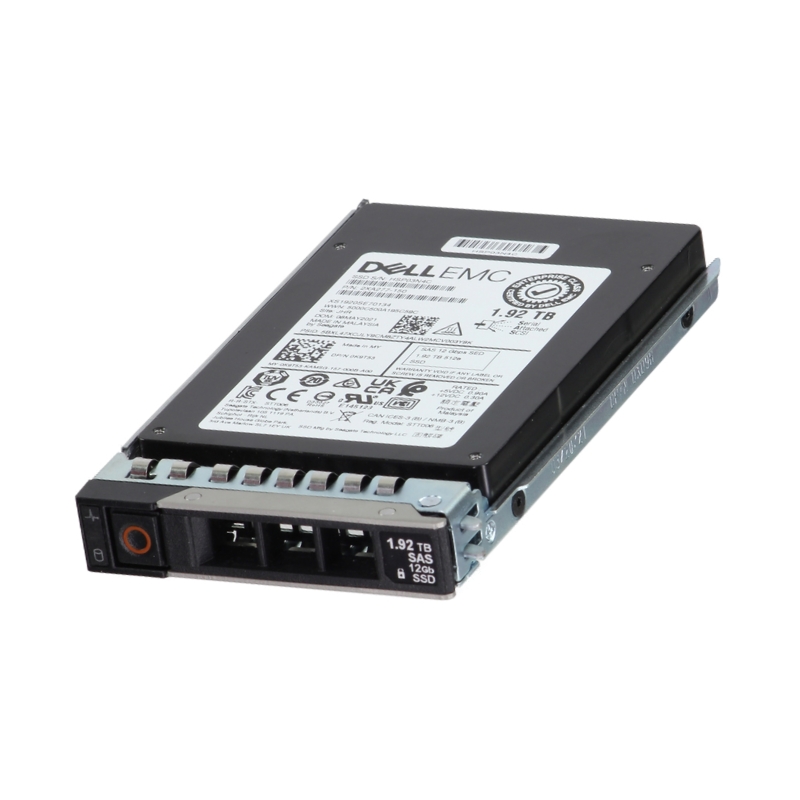
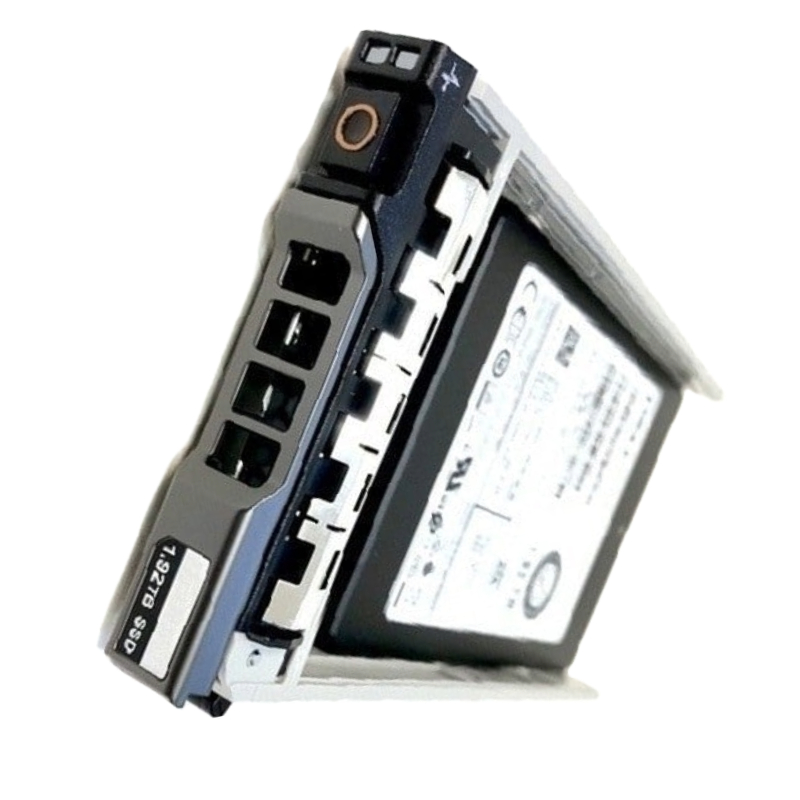
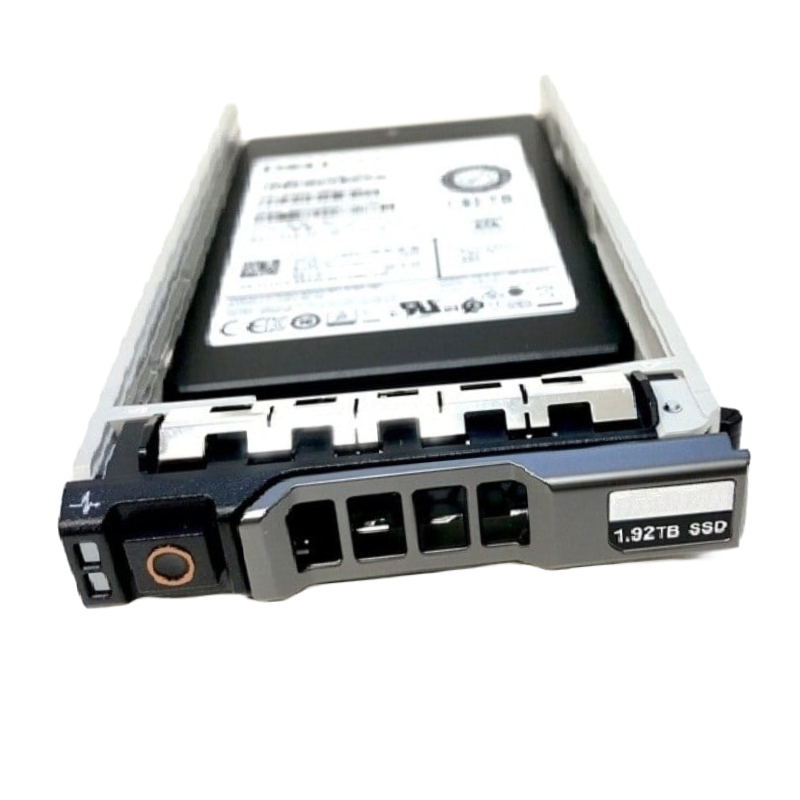
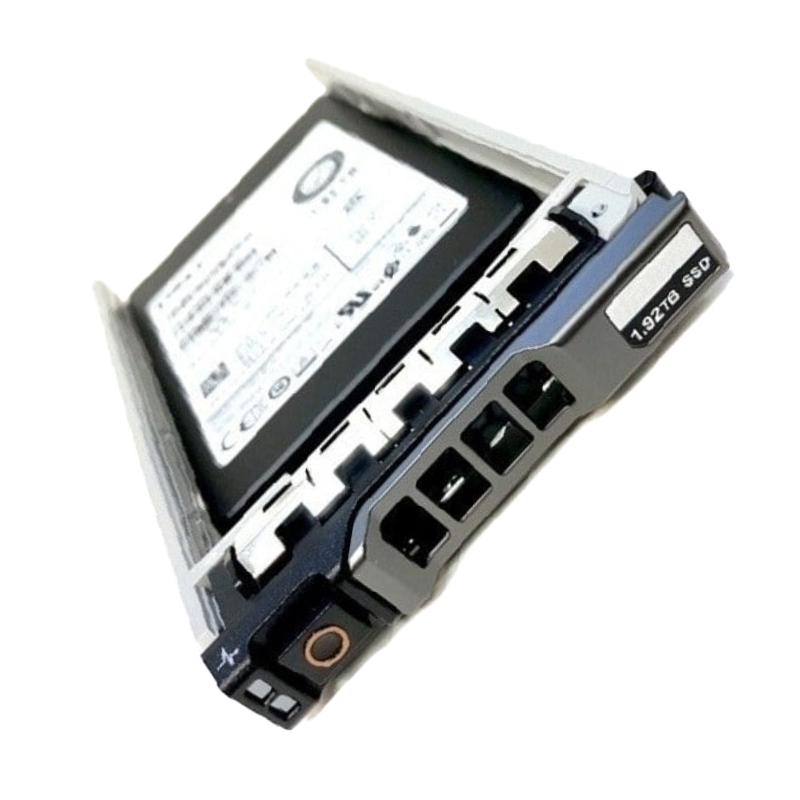
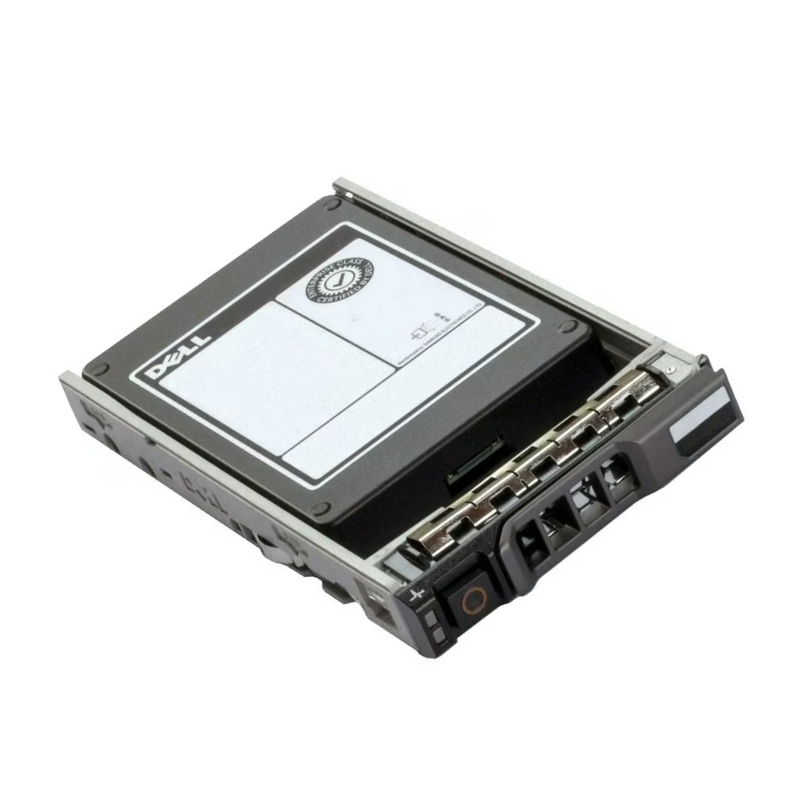
Dell C0K06 1.92TB SAS-12GBPS Read-Intensive 1dwpd TLC SFF Hot-Plug Certified with tray for Server Solid State Drive. New Sealed in Box (NIB) with 1 Year Warranty
This compatibility list is not exhaustive. Additional Dell PowerEdge and Powervault configurations may also support this SSD model.
The Dell C0K06 1.92TB SAS-12Gbps Read-Intensive solid state drive represents a deliberate balance between high-capacity storage, enterprise-class reliability, and workload-optimized endurance. Engineered as a Small Form Factor (SFF) hot-plug drive with a 12 gigabits-per-second SAS interface, this drive is positioned for read-heavy server workloads where sustained throughput and consistent I/O latency are critical. The 1.92TB capacity provides ample usable space for database read caches, virtual machine boot volumes, large-scale content delivery, and analytics workloads that rely on fast, deterministic access to frequently requested data. The drive’s TLC (triple-level cell) NAND is optimized for read-intensive usage with a rated 1 drive write per day (1dwpd) endurance profile, allowing organizations to deploy large-capacity flash while maintaining cost-effectiveness compared to higher-endurance MLC/enterprise SLC solutions.
The C0K06’s fundamental specifications anchor conversations about compatibility, performance, and lifecycle costs. The SAS-12Gbps interface provides backward compatibility with 6Gbps SAS controllers and supports dual-port availability in some server platforms, enabling redundancy and multipath configurations for mission-critical environments. The SFF form factor conforms to common server drive bays used in modern Dell PowerEdge chassis, and the hot-plug capability simplifies field replacement, serviceability, and non-disruptive upgrades. Enterprise-grade firmware and capacitors for power-loss protection are typically integrated to protect in-flight data and metadata integrity. Manufacturers often validate these drives through vendor certification programs to ensure they are supported in specific server models and RAID controllers, a critical consideration for large-scale rollouts and for preserving warranty and support entitlements.
SAS-12Gbps provides predictable low-latency performance for random read operations and bursty traffic patterns that typify virtualized infrastructure, large-scale web serving, and OLAP analytics. System designers should consider multi-queue and NVMe alternative topologies when maximizing concurrency, but SAS remains an excellent fit for many enterprise environments due to mature multipath support, broad controller ecosystem, and proven interoperability. For storage arrays and direct-attach server configurations that prioritize steady-state read throughput, the C0K06’s interface allows the drive to saturate controller queues efficiently while remaining compatible with common enterprise RAID solutions and hardware acceleration features.
Understanding the performance characteristics of the Dell C0K06 is essential for matching it to the correct workload profile. This drive is tailored for read-intensive workloads, featuring higher read IOPS and throughput relative to its write endurance. Typical deployment patterns include read-caching tiers, content distribution nodes, virtual desktop infrastructure (VDI) read-heavy pools, search indexes, and cold-to-warm database shards where reads significantly outnumber writes. In practice, the drive delivers consistent random read latency and strong sequential read throughput, which improves application responsiveness and reduces storage latency bottlenecks in multi-tenant and highly parallelized environments.
Read-intensive optimization delivers a favorable cost-to-performance ratio by enabling denser capacities at lower per-GB prices than mixed-use or write-intensive SSDs. For organizations that primarily serve reads, optimizing for read endurance reduces total cost of ownership while still delivering the performance benefits of flash. The 1dwpd rating means that the drive is designed to tolerate daily writes equivalent to its capacity, which for many read-heavy scenarios is more than adequate. This makes the C0K06 an attractive option for caching layers in front of slower disk-based tiers, for boot and system partitions in large server fleets, and for large-scale content stores where data is infrequently modified but regularly accessed.
Reliability in enterprise storage is a composite of hardware resilience, firmware behavior, and compatibility with server management frameworks. The Dell C0K06 product line incorporates features that support long-term data integrity such as end-to-end data protection, advanced ECC (error-correcting code), and power-loss data protection mechanisms. These features ensure that metadata and partially written sectors are flushed or reconstructed in the event of unexpected power loss, reducing the probability of silent data corruption. Additionally, SMART reporting and vendor-specific telemetry allow proactive monitoring of health indicators like media wear, reallocated sectors, and temperature trends, enabling preemptive replacement strategies and smoother operational maintenance windows.
Compatibility is not only about physical fitment but also about controller interplay, firmware alignment, and vendor support. The Dell C0K06 is intended for use with servers that accept SFF SAS drives on 12Gbps controllers, and procurement teams should verify that the target PowerEdge model firmware and RAID controller drivers are up to date and certified for the drive model. Many enterprises maintain a compatibility matrix that ties drive SKUs to server models and BIOS/firmware revisions; engaging with Dell support or consulting the server’s technical documentation ensures that drives operate under validated conditions and maintain warranty coverage.
When deploying the C0K06 in RAID arrays, administrators should weigh the trade-offs between capacity efficiency, rebuild time, and fault tolerance. RAID 1 or RAID 10 offers fast rebuilds and steady read performance, suitable for high-availability services where reads dominate. RAID 5 and RAID 6 provide higher usable capacity per drive but require more careful consideration of rebuild times and the risk of additional faults during rebuilds in very large arrays. Modern storage architects often pair these drives with RAID controllers that incorporate features like background patrol reads, drive health monitoring, and accelerated rebuild capabilities to reduce the window of vulnerability after a failure.
Multipath configurations can be implemented where the server or storage chassis and the drive support dual-port SAS connections, enabling redundant paths to storage controllers for high availability. While dual-port capability depends on the drive and chassis architecture, multipath setups are common in SAN and enterprise DAS environments and provide failover paths in case a controller or interconnect fails. System administrators should ensure that multipath drivers and host OS configurations are tuned for the SAS topology to avoid path thrashing and to take full advantage of redundant connectivity.
The Dell C0K06 is well-suited to several enterprise use cases where read-heavy activity defines performance needs. One common deployment is as a caching tier in hybrid storage architectures, where frequently accessed data is stored on flash for rapid retrieval while less-active datasets remain on high-capacity HDD tiers. Another compelling usage is within virtualization infrastructure, where many VMs perform repetitive read operations such as boot storms and OS image serving. Content delivery networks, metadata servers, and search engine indexes also benefit from the drive’s fast random reads. Industries such as finance, media and entertainment, e-commerce, and software-as-a-service providers often adopt such drives to reduce latency for end users while controlling storage costs.
With the rise of container orchestration, read-optimized SSDs like the C0K06 find meaningful roles in node-local storage for persistent volumes, image registries, and stateful service caches. Container platforms that depend on fast image pull times or high read-throughput for microservices will observe lower start-up times and improved runtime responsiveness when backed by reliable flash. Orchestrators can schedule high-read workloads onto nodes equipped with these drives to maximize throughput and improve overall cluster density without incurring the premium cost of write-intense enterprise SSDs.
Although TLC read-optimized SSDs are not intended as long-term archival media, they participate effectively in tiered storage strategies where hot and warm data live on flash and cold data is migrated to economical high-capacity disk or object storage. The C0K06 can short-circuit read paths for warm datasets and reduce load on backend tiers, delivering cost savings on both performance and capacity fronts by minimizing the need to overprovision higher-end drives for predominantly read workloads.
Effective lifecycle management of enterprise SSDs includes proactive monitoring of drive health, firmware maintenance, and planned replacements based on wear indicators. Administrators should implement telemetry collection that includes SMART attributes, media wear percentage, and temperature trends. Scheduled firmware updates should be tested in a representative environment before broad deployment to avoid introducing regressions. Warranty and spare-part policies should be aligned with expected drive lifespans and organizational recovery time objectives, and inventory systems should track serial numbers and deployment locations to streamline RMA processes and ensure traceability.
The Dell C0K06 occupies a niche where read performance, capacity density, and cost-efficiency intersect. For organizations that require higher write endurance or extreme write throughput, mixed-use or write-intensive SSDs may be preferable despite higher cost per GB. Conversely, for archival cold data that is rarely accessed, high-capacity HDDs or object storage may offer better economics. When designing a storage estate, architects often select a blend of technologies—using drives like the C0K06 for hot/warm tiers and complementing them with HDD-based cold tiers and NVMe-based high-performance tiers where ultra-low latency is essential.
Choosing the C0K06 should be informed by measurable workload characteristics: read-to-write ratio, IOPS requirements, latency tolerance, rebuild window tolerance, and capacity density needs. Architects should run capacity planning models that include expected growth, RAID overhead, and spare drive allocation. If a workload’s write amplification or sustained writes exceed the drive’s rated endurance significantly, engineers should instead evaluate higher-endurance offerings to avoid premature replacements and the associated operational costs.


 Contact Us
 Information
 Catalog
 Solid State Drives (SSD)
 Network Switches
 Hard Disk Drives
 HBA & Controllers
 PC & Servers
 PC & Server Memory
 CPU & Processors
 Network Routers
 Power Supplies
 Tape Drives & Libraries
 Network Devices
 Computer & Network Cables