(7% discount is applied at checkout)
Cart is empty
Your go-to destination for cutting-edge server products
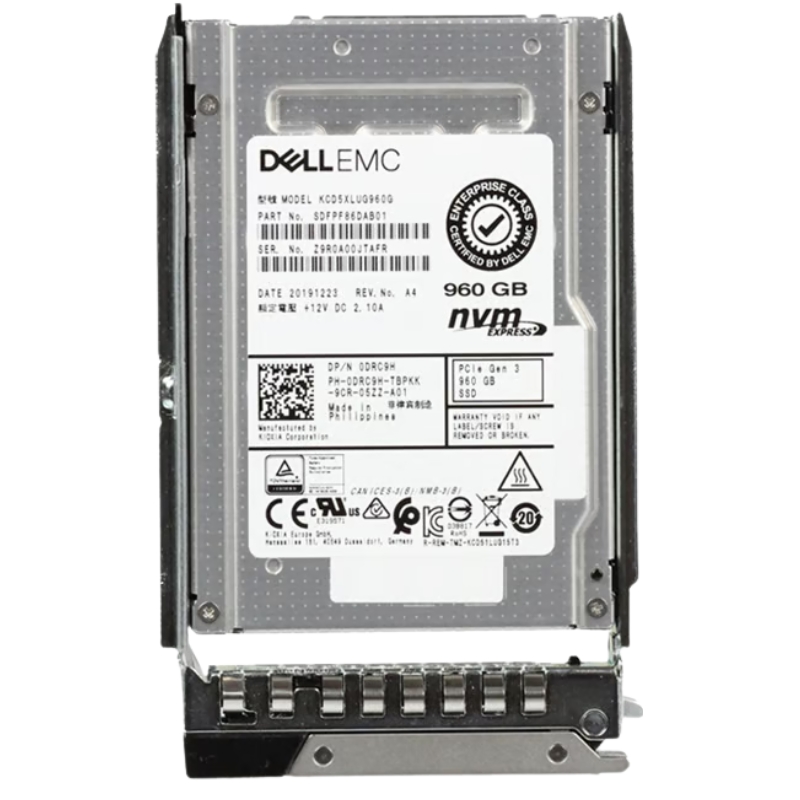


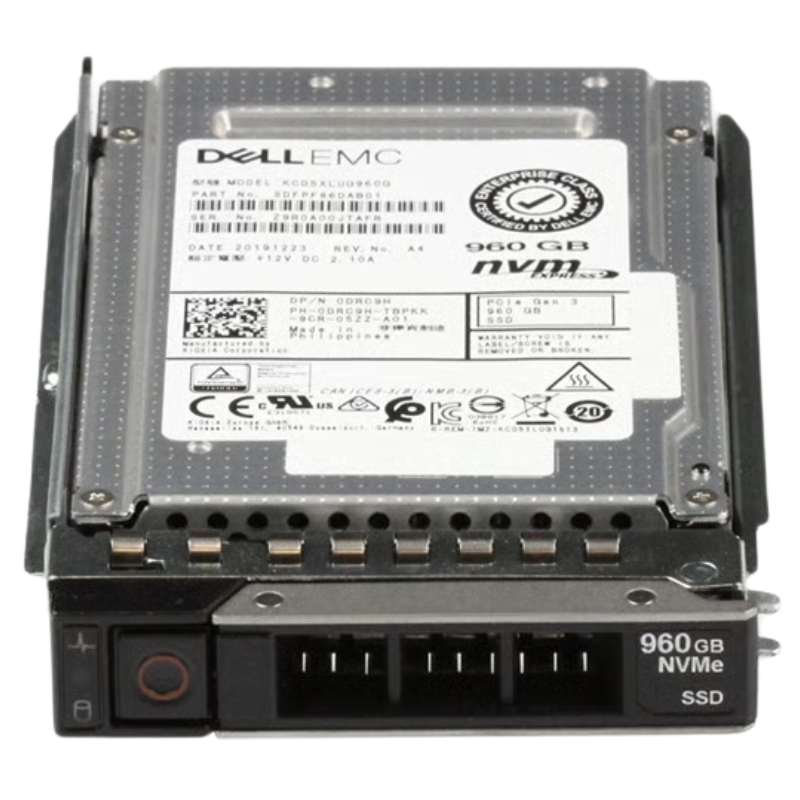
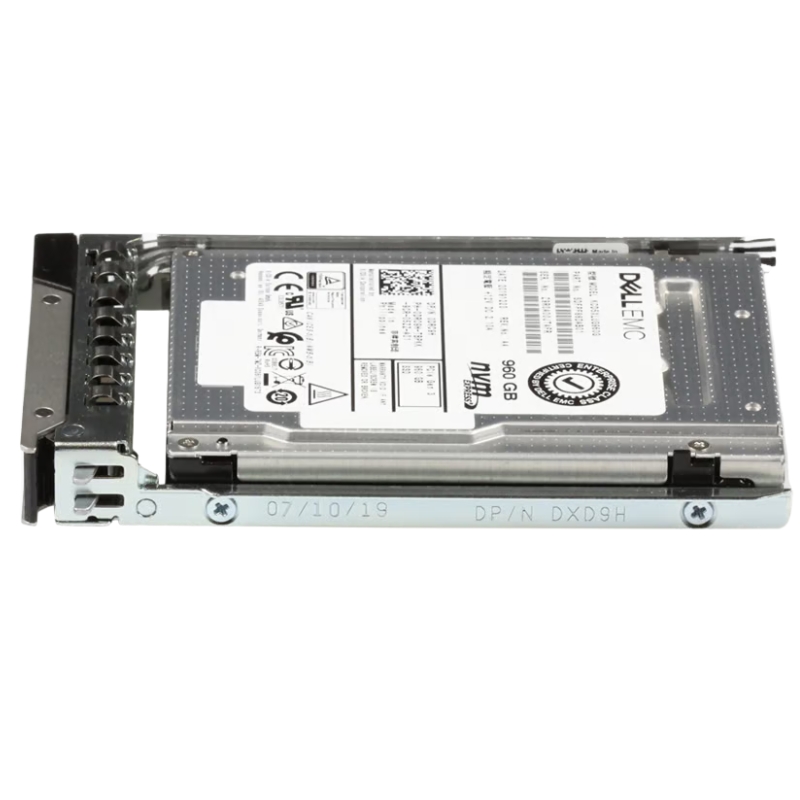
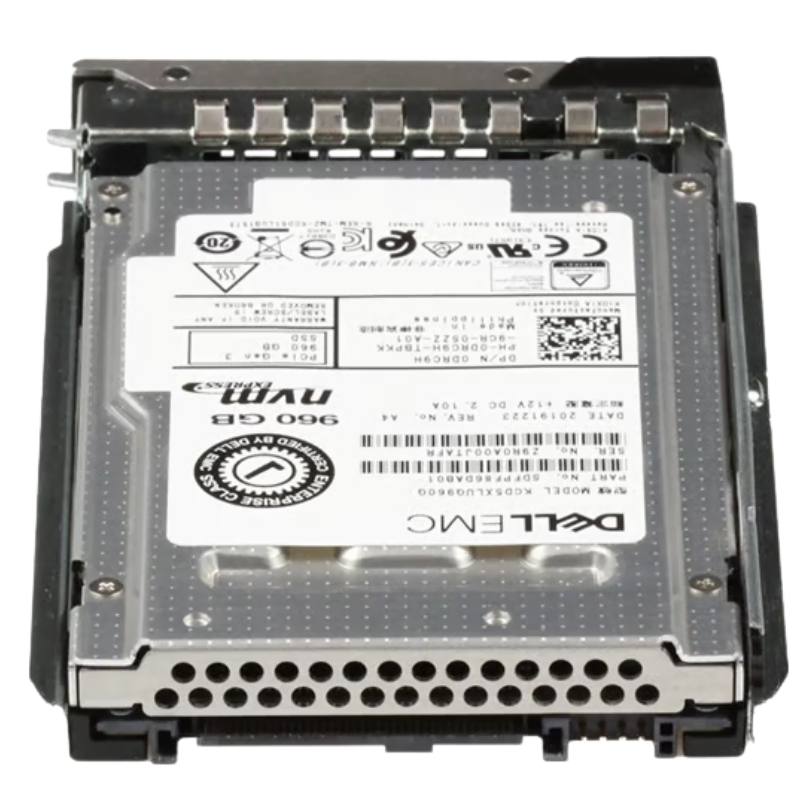
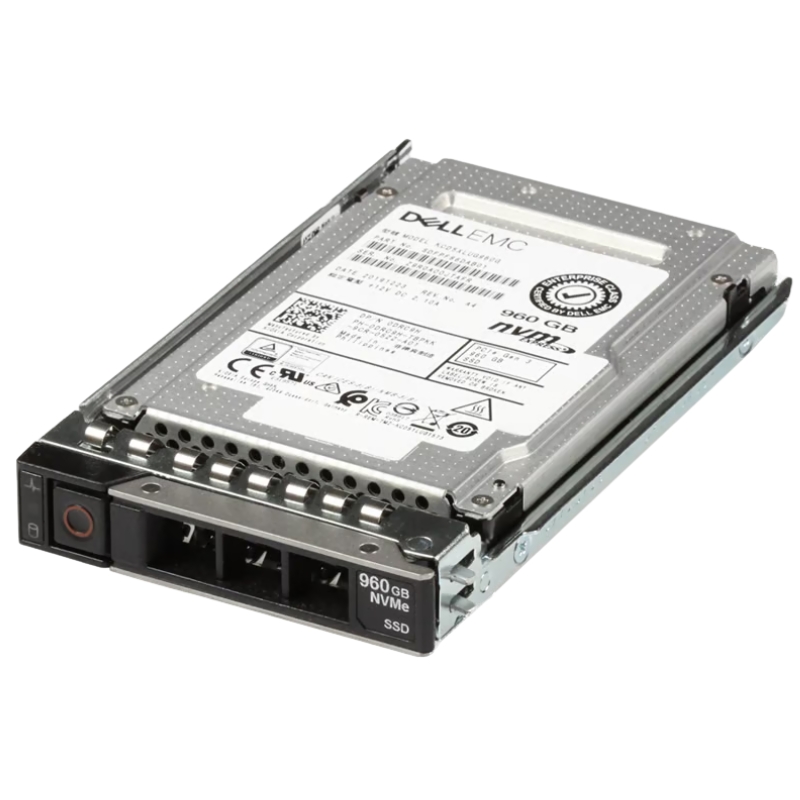
Dell DNHHV 960GB PCI-Express Gen4 X4 NVMe 1.4 U.2 SFF 8639 Enterprise Class Read-Intensive V-NAND Triple-Level Cell for Poweredge Server Solid State Drive. Excellent Refurbished with 1-Year Replacement Warranty
The Dell DNHHV 960GB PCI-E Gen4 NVMe U.2 SFF 8639 Enterprise-Grade SSD is engineered for superior reliability and optimized read-intensive workloads. Designed with advanced V-NAND triple-level cell technology, it ensures consistent performance for PowerEdge servers.
The Dell DNHHV 960GB PCI-Express Gen4 X4 NVMe 1.4 U.2 SFF 8639 Enterprise Class Read-Intensive V-NAND Triple-Level Cell Solid State Drive represents a specialized storage category designed for modern data centers, cloud infrastructures, and enterprise workloads that demand exceptional speed, reliability, and efficiency. This category of enterprise-class NVMe SSDs is engineered specifically to meet the stringent performance, endurance, and compatibility requirements of Dell PowerEdge servers, ensuring seamless integration with existing infrastructure while delivering the next generation of storage performance. At the core of this category lies the adoption of PCI-E Gen4 technology, which dramatically expands data transfer bandwidth compared to previous generations. The inclusion of NVMe 1.4 protocol support ensures optimal communication between the storage device and the host system, reducing latency and improving throughput for both sequential and random workloads. This class of drives is purpose-built for environments where data access speed directly impacts application performance, such as virtualization, database management, cloud services, analytics platforms, and mission-critical enterprise applications.
PCI-Express Gen4 X4 represents a transformative leap in enterprise storage connectivity. This category of drives leverages four lanes of PCIe Gen4 bandwidth, delivering theoretical throughput up to 64 gigatransfers per second. This immense data highway allows storage subsystems to match the processing capabilities of modern multi-core CPUs and high-speed memory architectures, eliminating storage as a bottleneck in performance-intensive environments. For enterprise systems, this interface architecture enables faster data ingestion, rapid application response times, and accelerated workload processing. The ability to sustain high throughput across demanding read-intensive workloads ensures that servers equipped with this category of drives can support a high density of virtual machines, simultaneous database queries, and real-time analytics without degradation in performance.
NVMe 1.4 introduces enhancements that significantly improve command handling, power management, and error reporting, making this category of SSDs ideal for enterprise usage. The protocol is designed to exploit the parallelism inherent in flash memory and modern processors, enabling thousands of concurrent I/O queues and deep command queues per device. This design drastically reduces I/O latency, ensuring that data is delivered to applications with minimal delay. Advanced power state management within NVMe 1.4 allows enterprise servers to balance performance with energy efficiency, reducing operational costs while maintaining peak throughput during critical workloads.
The U.2 SFF 8639 form factor is a critical component of this category, enabling hot-swappable, front-accessible storage devices that integrate seamlessly into enterprise server chassis. Unlike consumer-grade M.2 form factor drives, U.2 SSDs offer superior thermal management, higher power delivery, and greater endurance, making them suitable for continuous operation under demanding workloads.
Enterprise environments demand high availability, and this category of drives supports hot-swapping to minimize disruption during maintenance or upgrades. Technicians can replace or add drives while the server remains operational, maintaining uptime and ensuring continuous service delivery. This feature is particularly valuable in cloud data centers, financial institutions, and large enterprises where downtime translates directly into lost revenue or service interruptions.
This category of SSDs is classified as enterprise class read-intensive, indicating that it is optimized for workloads dominated by read operations while still supporting moderate write activity. Such workloads include content delivery networks, web servers, virtualization hosts, data analytics platforms, and read-heavy database environments where rapid data access is critical. Read-intensive drives are engineered with firmware, wear-leveling algorithms, and endurance profiles tailored to maximize read performance and longevity. This specialization ensures that the drive can sustain high read throughput over extended periods without compromising reliability or data integrity.
In virtualization environments, storage performance directly impacts the responsiveness and scalability of virtual machines. This category of enterprise SSDs enables hypervisors to support a greater number of VMs per host by delivering fast boot times, quick snapshot operations, and low-latency access to virtual disks. The high throughput and low latency characteristics of NVMe drives ensure smooth performance even during peak demand periods. Cloud service providers rely on read-intensive SSDs to deliver consistent performance across multi-tenant environments. This category supports rapid provisioning of virtual resources, efficient load balancing, and fast data retrieval, enabling cloud platforms to meet service level agreements while maintaining operational efficiency.
V-NAND Triple-Level Cell (TLC) flash memory is a cornerstone of this category, offering an optimal balance between performance, capacity, endurance, and cost efficiency. TLC architecture stores three bits per cell, enabling higher capacity within a given physical footprint. While TLC traditionally offers lower endurance than single-level cell (SLC) or multi-level cell (MLC) memory, enterprise-grade TLC drives incorporate advanced firmware algorithms, over-provisioning, and error correction technologies to achieve the durability required for read-intensive workloads.
Enterprise SSDs in this category employ sophisticated wear-leveling techniques to distribute write activity evenly across memory cells, extending the lifespan of the drive. These algorithms prevent premature wear of specific regions and ensure consistent performance over time. Robust error correction mechanisms, including advanced ECC and end-to-end data protection, safeguard data integrity by detecting and correcting errors before they impact system operations. These features are essential for enterprise environments where data accuracy and reliability are paramount.
Power loss protection mechanisms ensure that in-flight data is safely committed to non-volatile memory during unexpected power outages. This feature prevents data loss and corruption, preserving system integrity and maintaining consistency across storage volumes. Enterprise-grade capacitors and firmware algorithms work together to flush data from volatile caches to flash memory, ensuring that critical transactions are not lost in the event of power disruptions.
This category of enterprise SSDs supports scalable storage architectures, enabling organizations to expand capacity and performance as business needs evolve. High-density storage configurations, combined with exceptional performance, allow data centers to maximize resource utilization while minimizing physical footprint and energy consumption. Scalability is a critical factor in modern IT environments, where data volumes and workload demands continue to grow. Enterprise NVMe SSDs provide the foundation for flexible, high-performance storage solutions that can adapt to changing requirements without compromising performance or reliability.


 Contact Us
 Information
 Catalog
 Solid State Drives (SSD)
 Network Switches
 Hard Disk Drives
 HBA & Controllers
 PC & Servers
 PC & Server Memory
 CPU & Processors
 Network Routers
 Power Supplies
 Tape Drives & Libraries
 Network Devices
 Computer & Network Cables