(7% discount is applied at checkout)
Cart is empty
Your go-to destination for cutting-edge server products


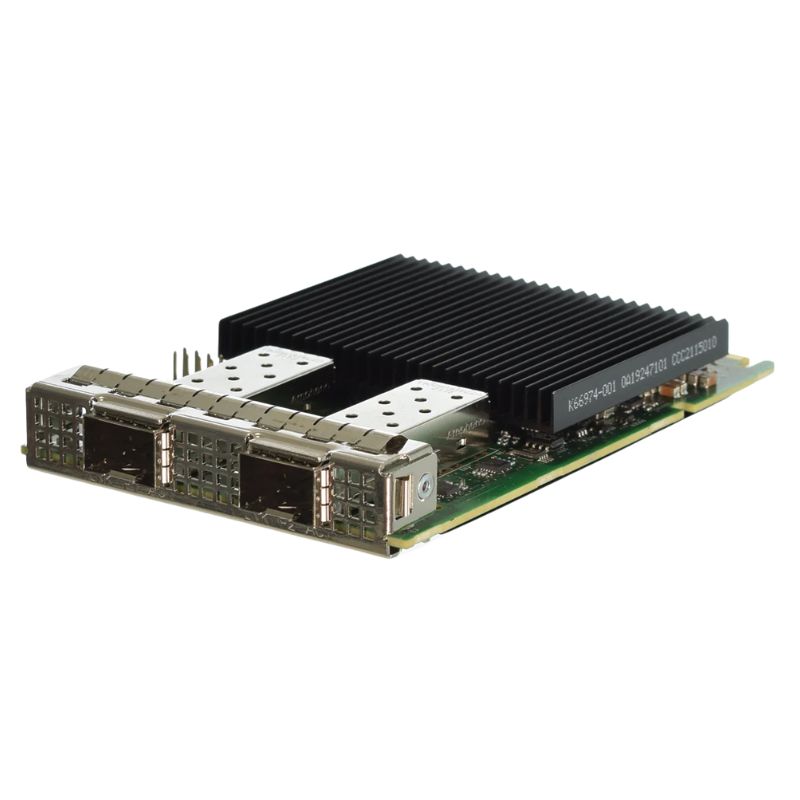
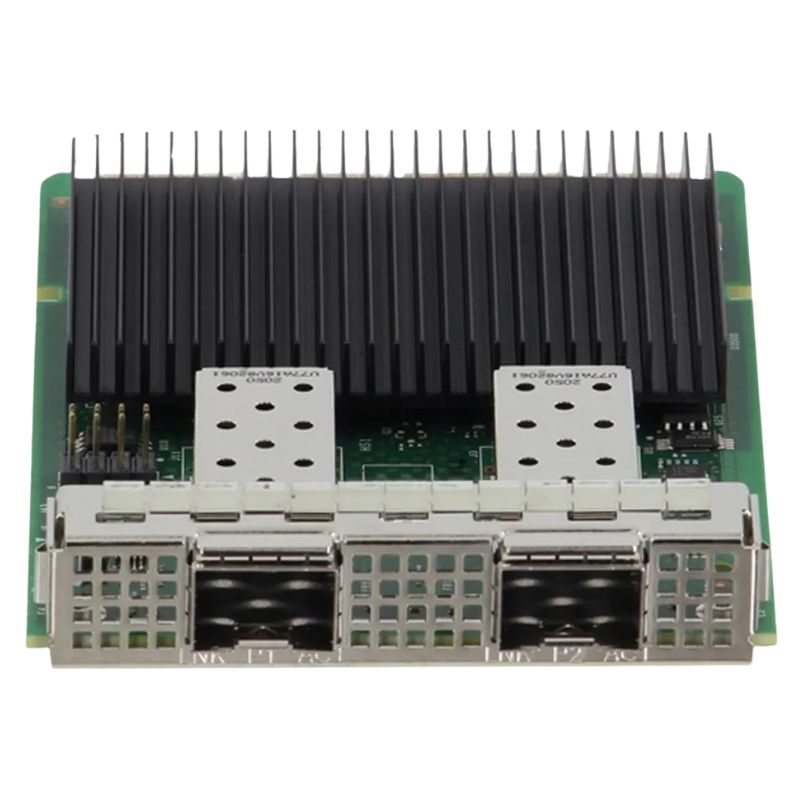
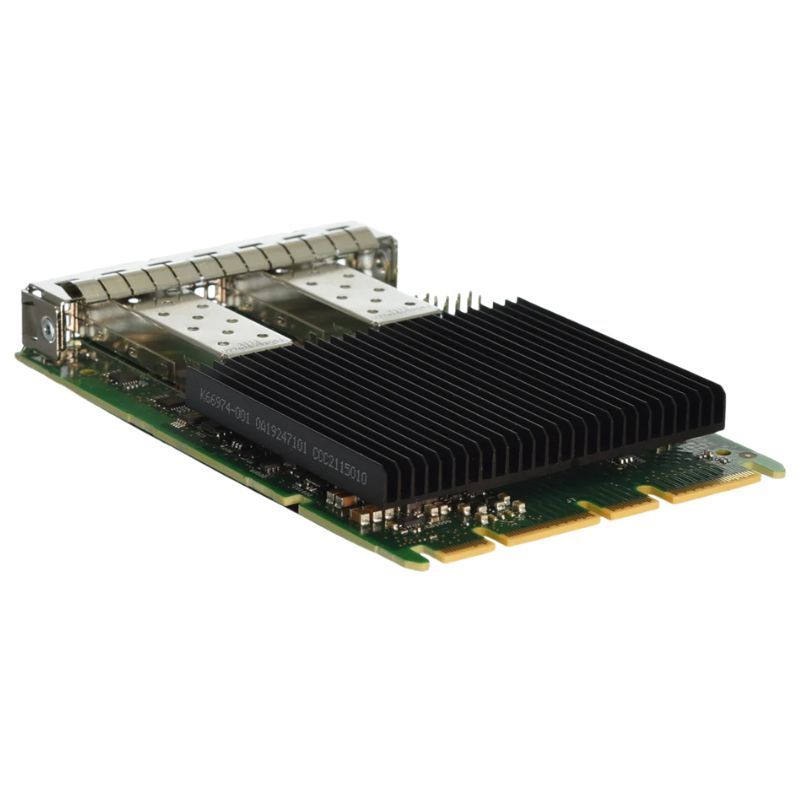
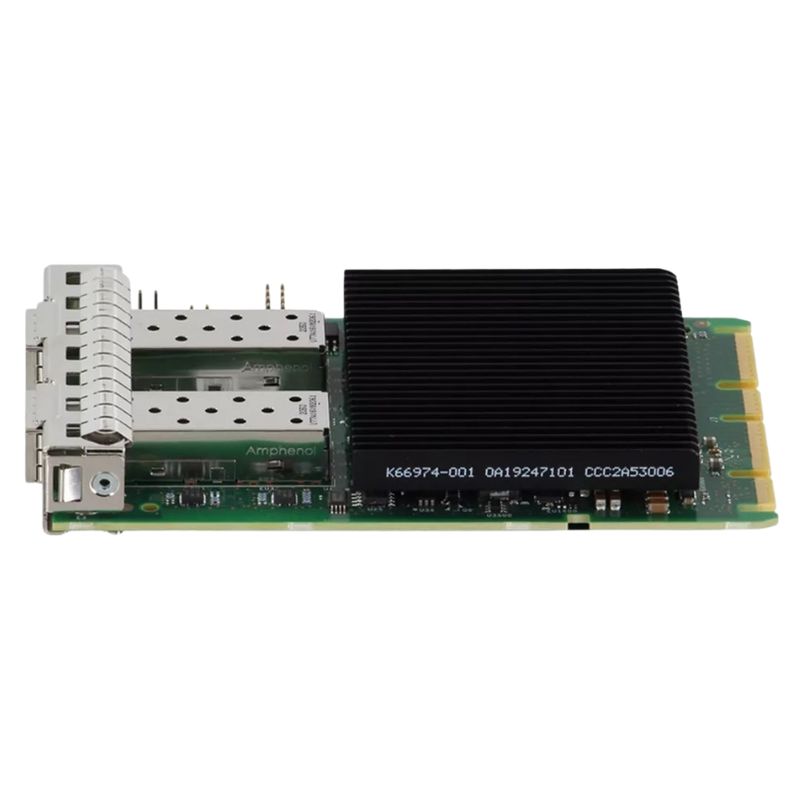
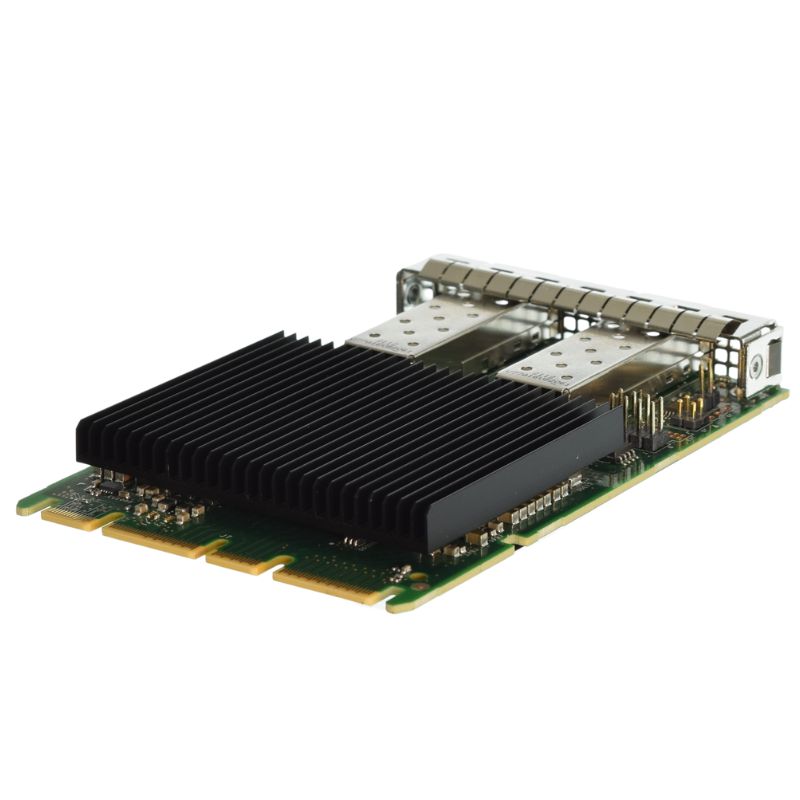
Dell 540-BCZJ Intel E810 2-Port 25GbE SFP28 OCP NIC 3.0. New Sealed in Box (NIB) with 1 Year Replacement Warranty
The Dell 540-BCZJ Intel E810 Dual-Port 25GbE SFP28 OCP NIC 3.0 is a high-performance enterprise-grade network adapter designed for ultra-fast connectivity. With Open Compute Project (OCP) 3.0 compatibility and advanced virtualization features, this card ensures reliable throughput, scalability, and efficiency for modern data centers, virtualization, and cloud infrastructures.
The Dell 540-BCZJ Intel E810 2-Port 25GbE SFP28 OCP NIC 3.0 represents a high-performance networking solution engineered for modern enterprise data centers, cloud-scale infrastructures, virtualization environments, and high-throughput computing systems. Built on the Intel Ethernet E810 controller architecture, this network interface card is designed to deliver ultra-low latency, high bandwidth density, and advanced workload optimization features that align with next-generation distributed computing demands.
As organizations transition toward software-defined networking, hybrid cloud deployments, and containerized workloads, the requirement for scalable and efficient network interfaces becomes increasingly critical. This dual-port 25GbE SFP28 Open Compute Project 3.0 NIC is optimized for these evolving demands, ensuring consistent throughput and reliable connectivity across complex server environments.
The Intel E810 controller at the core of the Dell 540-BCZJ NIC introduces a new generation of Ethernet processing capabilities. It is designed to support multi-rate connectivity, advanced packet processing, and hardware acceleration for networking tasks that traditionally consume CPU resources. This offloading capability improves overall system efficiency and enhances server performance under heavy network loads.
With dual 25GbE SFP28 ports, the adapter provides an aggregated bandwidth capacity suitable for high-density traffic environments. The architecture ensures consistent packet delivery rates, reduced jitter, and optimized bandwidth utilization for east-west and north-south traffic patterns within enterprise networks.
The E810 platform includes built-in acceleration engines for tasks such as TCP/IP offload, RDMA processing, and virtualization traffic segmentation. These enhancements reduce CPU overhead and allow compute resources to be allocated more efficiently toward application processing rather than network handling.
The OCP 3.0 form factor used in the Dell 540-BCZJ NIC is designed to streamline server design and improve airflow efficiency. By adopting a modular and standardized design approach, it ensures compatibility with modern Dell servers that support OCP mezzanine slots. This results in simplified deployment and improved serviceability in large-scale data center environments.
The compact design of the OCP 3.0 NIC allows for improved internal chassis airflow, reducing thermal constraints and enabling higher density server configurations. This is especially important in hyperscale environments where rack space optimization directly impacts operational efficiency and energy consumption.
The standardized OCP interface ensures that organizations can scale network infrastructure without redesigning server architectures. The Dell 540-BCZJ NIC fits seamlessly into existing OCP-compliant systems, enabling faster deployment cycles and consistent hardware performance across clusters.
The 25GbE SFP28 interface provides significantly lower latency compared to traditional 10GbE solutions, making it ideal for latency-sensitive applications such as financial trading platforms, real-time analytics, and distributed databases. The optimized data path ensures minimal packet delay and high transmission accuracy.
The SFP28 ports support high-speed optical fiber connectivity, enabling long-distance transmission with minimal signal degradation. This is particularly beneficial for data center interconnects, cloud service provider infrastructures, and enterprise backbone networks.
With dual-port architecture, the adapter allows link aggregation techniques that increase total available bandwidth. This ensures smooth handling of high-volume traffic such as virtualization migrations, storage replication, and large-scale data transfers.
The NIC supports Single Root I/O Virtualization (SR-IOV), allowing multiple virtual machines to directly access physical network resources. This reduces hypervisor overhead and improves network efficiency in virtualized environments such as VMware, Hyper-V, and KVM-based systems.
By reducing CPU bottlenecks associated with network processing, the Dell 540-BCZJ NIC enables higher virtual machine density per host. This translates into better resource utilization and reduced infrastructure costs in cloud deployments.
Modern container orchestration platforms benefit from the NIC’s low-latency and high-throughput capabilities. Kubernetes-based workloads, microservices architectures, and distributed application environments experience improved communication efficiency and reduced network contention.
The Intel E810 architecture enables RDMA over Converged Ethernet (RoCE), allowing direct memory-to-memory data transfers without excessive CPU involvement. This improves throughput while reducing processing latency in high-performance computing environments.
RDMA capabilities enhance storage systems such as NVMe over Fabrics by enabling faster access to remote storage devices. This significantly improves application performance in database clusters, virtualization storage layers, and big data analytics platforms.
High-performance computing workloads such as simulations, machine learning training, and scientific modeling benefit from RDMA-enabled networking due to reduced latency and increased data movement efficiency.
The Dell 540-BCZJ NIC is designed for hyperscale environments where thousands of servers must operate in parallel. Its high-speed connectivity ensures consistent performance across distributed systems and reduces network bottlenecks in large clusters.
In private cloud deployments, this NIC supports consistent network performance across virtualized workloads, ensuring predictable service delivery and improved SLA compliance for enterprise applications.
Hybrid cloud environments require seamless communication between on-premises infrastructure and public cloud services. The high bandwidth and low latency characteristics of this NIC make it suitable for hybrid workload synchronization and data replication.
The Intel E810 platform includes security mechanisms that ensure firmware integrity and protect against unauthorized modifications. This enhances overall system trustworthiness in enterprise environments.
The NIC supports modern encryption protocols that secure data in transit, helping organizations comply with regulatory requirements and protect sensitive information across distributed systems.
Virtualization-aware security features help isolate network traffic between tenants in shared infrastructure environments, reducing the risk of cross-VM data leakage and enhancing operational security.
The Dell 540-BCZJ NIC enhances NVMe over Fabrics performance by providing a high-speed, low-latency transport layer for storage traffic. This results in faster application response times and improved database performance.
Enterprise backup and replication systems benefit from the high throughput of 25GbE connectivity, enabling faster synchronization between primary and secondary storage systems.
Software-defined storage platforms rely on efficient network communication between storage nodes. This NIC ensures stable and high-performance inter-node communication, improving overall storage cluster efficiency.
By offloading networking tasks to dedicated hardware, the NIC reduces CPU workload, leading to lower overall power consumption in server environments. This contributes to improved energy efficiency in data centers.
The OCP 3.0 form factor improves airflow within server chassis, reducing heat accumulation and allowing for more efficient cooling strategies in rack-mounted systems.
Improved energy efficiency and reduced cooling requirements contribute to lower operational expenses in large-scale deployments, making the NIC a cost-effective solution for enterprise networking.
The Dell 540-BCZJ NIC is specifically designed for compatibility with Dell server platforms that support OCP 3.0 slots. This ensures seamless installation and optimal performance within Dell infrastructure ecosystems.
The NIC supports a wide range of enterprise operating systems including Linux distributions, Windows Server editions, and virtualization hypervisors, ensuring flexible deployment options across diverse IT environments.
Advanced management capabilities allow administrators to monitor performance, configure network settings, and optimize traffic flow in real time, improving operational visibility and control.
Databases handling high transaction volumes benefit from the NIC’s low latency and high throughput, resulting in improved query performance and reduced response times.
Distributed analytics frameworks rely heavily on fast inter-node communication. This NIC enhances performance for data-intensive workloads such as Hadoop and Spark clusters.
Streaming applications requiring continuous data ingestion benefit from stable and high-speed network performance provided by dual 25GbE ports.


 Contact Us
 Information
 Catalog
 Solid State Drives (SSD)
 Network Switches
 Hard Disk Drives
 HBA & Controllers
 PC & Servers
 PC & Server Memory
 CPU & Processors
 Network Routers
 Power Supplies
 Tape Drives & Libraries
 Network Devices
 Computer & Network Cables