(7% discount is applied at checkout)
Cart is empty
Your go-to destination for cutting-edge server products
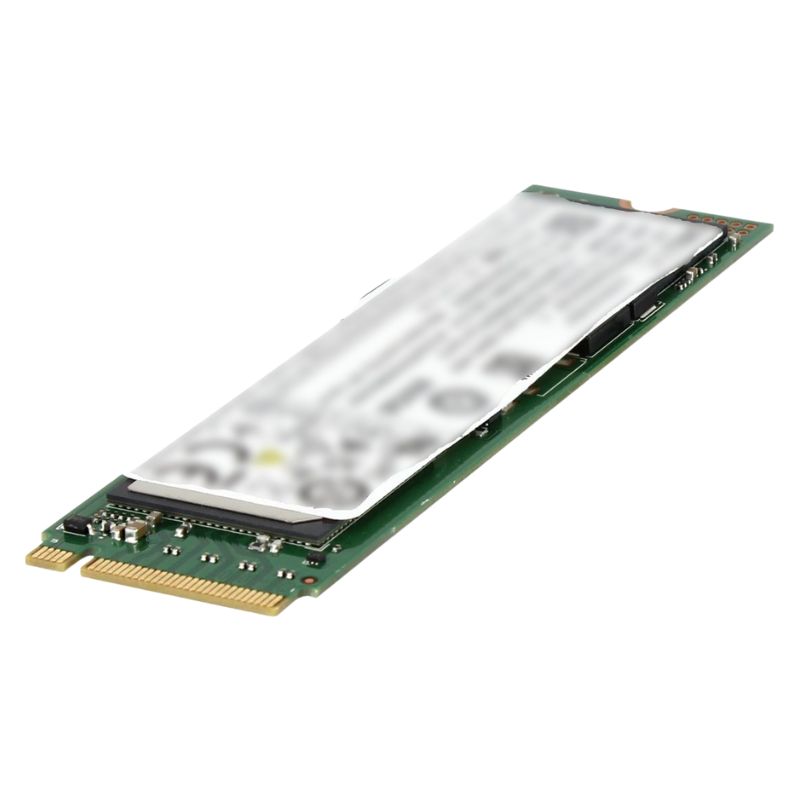


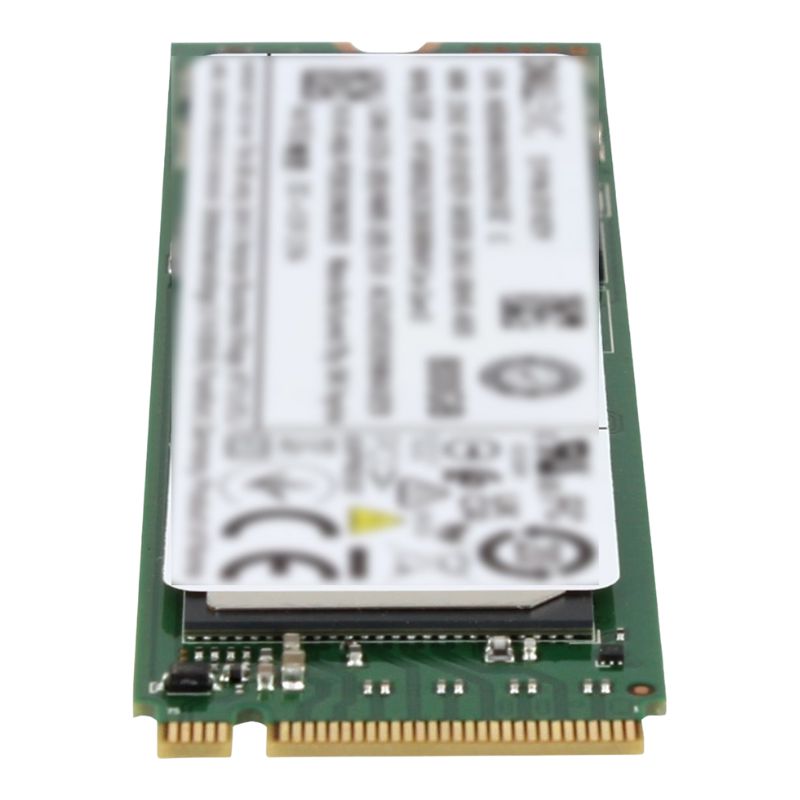
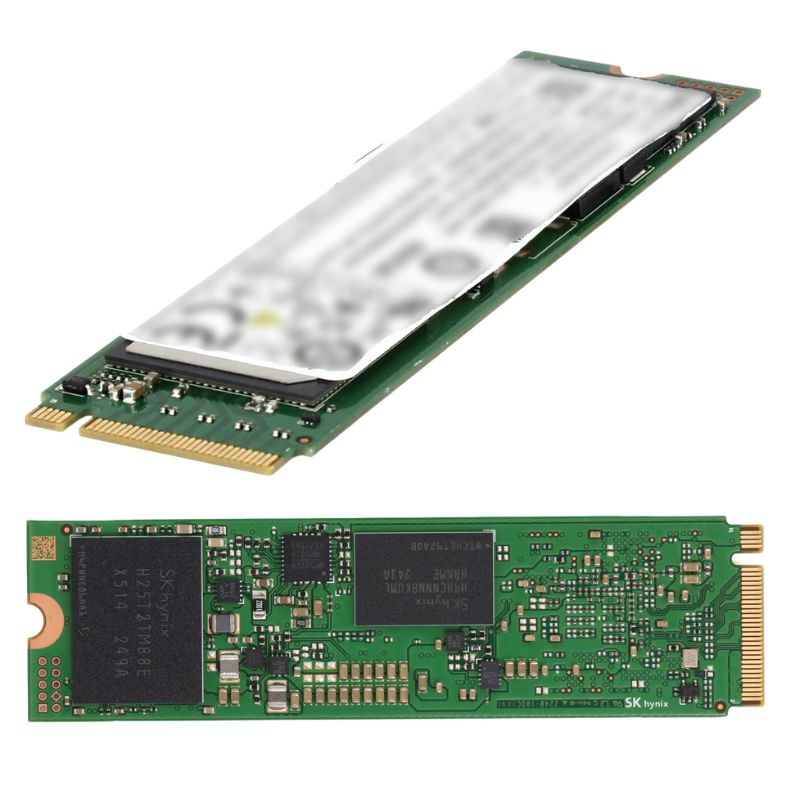
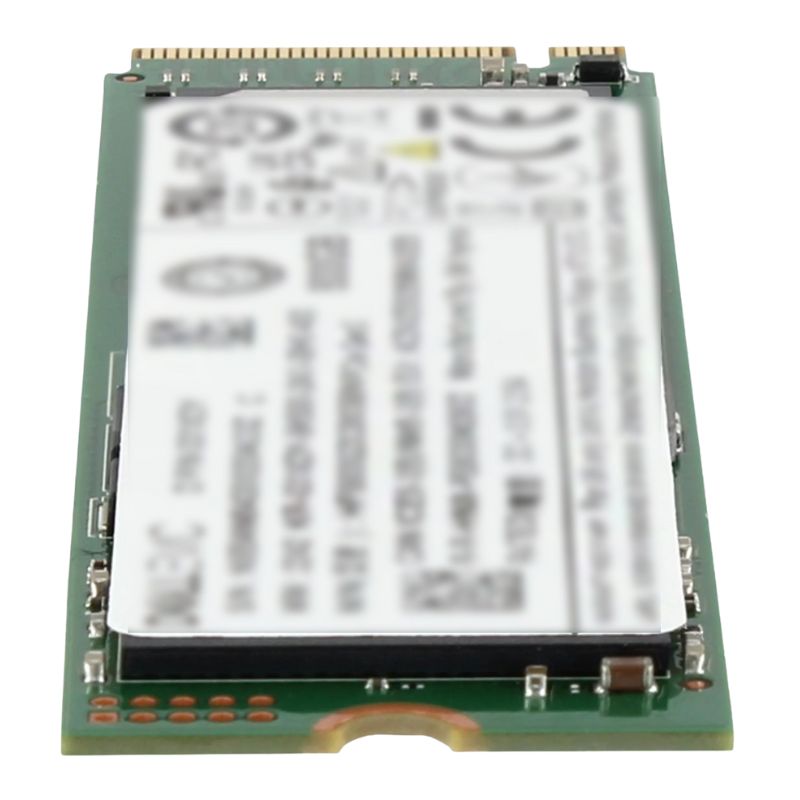
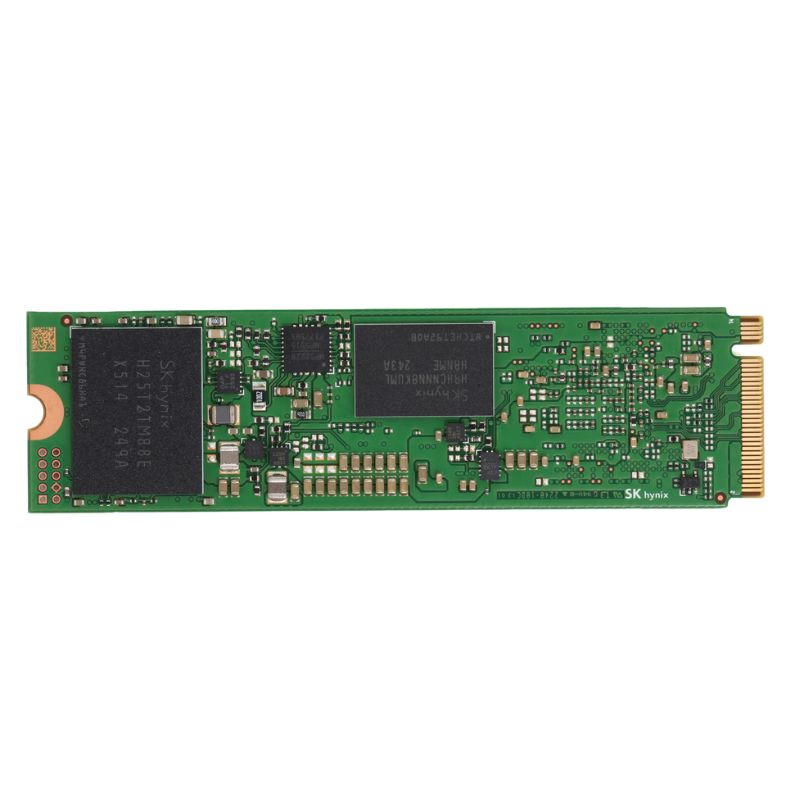
Dell EMC 400-BPMS 800GB PCI-E Gen3 NVMe M.2 2280 Enterprise Class Mixed Use Solid State Drive. Excellent Refurbished with 1 Year Replacement Warranty
The Dell EMC 400-BPMS is engineered for demanding workloads, offering a balanced blend of speed, endurance, and reliability. Built for enterprise environments, this mixed-use solid state drive ensures consistent performance across intensive applications, data-heavy operations, and virtualized infrastructures.
This model brings together dependable architecture and high-speed NVMe capabilities to accelerate data processing while minimizing latency.
This NVMe M.2 SSD enhances responsiveness and improves system throughput, making it suitable for a broad range of enterprise scenarios.
The Dell EMC 400-BPMS 800GB PCI-E Gen3 NVMe M.2 2280 Enterprise Class Mixed Use Solid State Drive is designed for modern datacenter demands where a balance of high performance, consistent latency, and long-term endurance is required. As an M.2 2280 form factor NVMe SSD utilizing PCIe Gen3 lanes, this drive is optimized for read- and write-intensive enterprise applications that require predictable response times, efficient power use, and a compact footprint suited for dense server platforms, edge appliances, and high-performance workstations. Throughout the following sections we examine the technical attributes, operational benefits, deployment strategies, compatibility considerations, firmware and management features, and purchasing rationale that make this SSD a compelling option for enterprise storage architects.
The drive leverages the PCI Express Gen3 interface paired with NVMe protocol to deliver low-latency, high-bandwidth access to flash storage. The M.2 2280 form factor (22mm wide by 80mm long) enables compact integration into modern server motherboards and specialized appliances. Because the SSD operates over NVMe, it benefits from a streamlined command set and parallelism, translating into higher IOPS and better CPU efficiency than SATA-based alternatives. For system integrators, the M.2 footprint reduces cabling complexity and enables denser server designs while maintaining enterprise-level performance.
Classified as mixed use, the 400-BPMS is engineered to support a blend of read- and write-heavy workloads. The 800GB capacity strikes a practical balance between cost-per-gigabyte and usable capacity for application databases, caching layers, virtual machine boot volumes, and logging systems. Mixed use endurance ratings typically imply a higher drive writes per day (DWPD) rating than mainstream consumer drives, meaning this model is suitable for environments where regular rewrites are part of normal operation without compromising lifespan.
Enterprise mixed use drives commonly use high-quality TLC or QLC flash with advanced controller features including error correction, wear-leveling, over-provisioning, and power-loss protection. The controller is optimized to maintain consistent IOPS under sustained loads and to minimize latency spikes. Expected performance profiles of a well-designed Gen3 NVMe enterprise M.2 typically highlight high random read and write IOPS at low queue depths, and sustained sequential throughput suitable for bulk operations like imaging and backup. While manufacturer datasheets provide exact figures, planning for predictable performance under mixed workloads is essential when sizing systems.
Virtualized environments depend on fast storage for boot storms, snapshot operations, and VDI workloads. The Dell EMC 400-BPMS is suitable as a boot or cache tier within hypervisors or hyperconverged infrastructures where low latency and high random IOPS translate into faster VM provisioning and improved multi-tenant performance. Deploying these drives as a caching layer in front of higher-capacity HDD or NVMe arrays improves perceived performance without the expense of making the entire datastore flash-only.
OLTP databases and transactional workloads benefit from the strong read/write balance of a mixed use SSD. Short I/O response times reduce transaction latency, while enterprise-grade endurance preserves drive life under frequent commits and rollback operations. For database administrators looking to accelerate indexes, log files, or hot partitions, the M.2 2280 form factor provides flexible placement in blade servers or edge systems.
Edge deployments often demand compact, ruggedized, and power-efficient storage. The small M.2 footprint enables integration into edge servers, CDN caching nodes, and telecommunication equipment where space and energy are constrained. The mixed use characteristic ensures that reads and writes from localized processing workloads do not prematurely erode flash life, making the drive a suitable component for distributed compute networks.
Enterprise environments must manage thermal profiles across many drives. The low-profile M.2 2280 consumes less power than larger U.2 or add-in card SSDs, but thermal throttling can still occur under extremely sustained loads. Administrators should evaluate server airflow, heat sinks, and placement to avoid thermal throttling that reduces throughput. Many Dell EMC drives include built-in thermal sensors and firmware features that gracefully throttle performance to prevent damage, but proactive thermal engineering yields the most consistent performance.
Reliable firmware with robust telemetry is essential for enterprise SSDs. The Dell EMC 400-BPMS is expected to support SMART attributes specific to NVMe, vendor telemetry reporting, and predictive failure indicators. Integration with Dell management suites allows IT teams to monitor health, wear, temperature, and error statistics in centralized dashboards. Proactive replacement policies based on SMART telemetry and predicted remaining useful life ensure minimal disruption to production workloads.
Endurance planning is a combination of drive-level over-provisioning, workload characterization, and write amplification mitigation. Over-provisioning reserves spare blocks for wear-leveling and garbage collection, extending useful life. IT architects should consider realistic write patterns, including background maintenance tasks and snapshots, to properly estimate DWPD and mean time between failures (MTBF). Choosing appropriate over-provisioning settings and firmware-level optimizations reduces write amplification and increases effective endurance.
The M.2 2280 format is commonly supported across modern server motherboards, integrated systems, and select blade platforms. However, compatibility includes not just physical fits but also BIOS/UEFI NVMe boot support, allocation of PCIe lanes, and coexistence with other onboard devices. System administrators should confirm that the target server supports NVMe boot from M.2, or plan for using the drive as data-only media if BIOS limitations exist. Additionally, when combining multiple NVMe devices, lane allocation needs careful planning to avoid sharing bottlenecks that degrade performance.
NVMe support is integrated into modern operating systems, but optimal performance often depends on up-to-date NVMe drivers and firmware. Enterprise operating systems like RHEL, Ubuntu LTS, Windows Server, and VMware ESXi include native NVMe stacks; however, Dell often publishes recommended driver versions for peak compatibility with their hardware. Keeping the OS and drivers current improves stability and leverages new telemetry and power management improvements.
In hybrid storage architectures, the 400-BPMS can operate as a cache or hot tier in front of larger-capacity arrays. Integration with software-defined storage and caching solutions requires attention to endurance, as cache usage patterns can produce many writes. Proper sizing and tiering policies ensure the mixed use SSD accelerates performance without becoming a frequent replacement cost. Use cases often include metadata acceleration for object stores, SSD caching for HDD-based arrays, and high-speed scratch volumes for analytics pipelines.
Before committing the SSDs to production, run targeted benchmarks that reflect real application workloads. Synthetic benchmarks offer baseline numbers, but application-level testing — using anonymized DB traces, VM boot cycles, or container workloads — provides meaningful projections of behavior. Pay attention to latency distribution, not just averages. Long-tail latency is often the critical metric for end-user experience.
Enterprise deployments commonly place NVMe SSDs behind software or hardware RAID for redundancy. Choosing the right RAID level depends on the balance between performance and resilience. RAID 10 offers strong performance and reasonable rebuild times at the cost of capacity; erasure coding on higher-level storage systems can provide efficient protection for larger datasets. SSD-specific considerations include rebuild-induced write amplification and the potential for correlated failures, so staggered replacements and firmware consistency are important.
Maintain a lifecycle plan for firmware updates and replacement cycles. Firmware upgrades can deliver performance fixes, enhanced SMART reporting, and security patches but must be applied carefully with rollback plans and testing. Schedule maintenance windows and leverage vendor tools to stage updates across fleets. Track warranty and spare parts inventory to ensure timely replacements when drives reach predicted end-of-life thresholds.
Enterprise-grade drives often support hardware-based encryption (TCG Opal or similar) and secure erase commands to sanitize data before decommissioning. Implementing hardware encryption reduces CPU overhead for protected workloads and simplifies compliance with data privacy regulations. Secure erase procedures must be verified in the context of the entire system to ensure that cached or replicated copies are also addressed.
Power-loss protection mechanisms guard against incomplete writes during unexpected outages. Enterprise SSDs implement capacitive charge or firmware measures to flush volatile write caches to non-volatile media, preserving data integrity. Application architects should still employ transactional safeguards and backups, but drives with certified power-loss protection reduce the risk of file system corruption and cut recovery times.
Modern enterprise NVMe drives include end-to-end data path protection and CRC checks to prevent silent data corruption. This ensures data integrity from host memory through the controller to the NAND and back. Systems that demand high data fidelity, such as financial services, healthcare, and high-availability databases, benefit from these hardware-level protections combined with application-level verification mechanisms.
NVMe unlocks multi-queue parallelism, so tuning host-side queue depths and threading models can generate significant performance gains. Applications that are single-threaded may not fully utilize the device's potential, whereas multi-threaded workloads and asynchronous I/O models can saturate the drive with higher IOPS. When tuning, monitor latency as high queue depths can increase tail latency even as throughput improves.
Choosing the right filesystem and block size impacts both performance and SSD wear. Filesystems designed for flash can reduce write amplification and improve endurance. Aligning partition offsets to erase block sizes and selecting larger allocation units for sequential workloads reduces overhead. For databases, transaction log placement on dedicated SSDs with tuned block sizes may deliver better latency and reduced contention.
Allocating additional over-provisioning beyond the factory default can enhance endurance and consistent performance under heavy workloads. Reserving a percentage of the drive capacity prevents the drive from filling and forces more effective garbage collection, reducing write amplification and extending useful life. Systems with heavy write compaction, deduplication, or snapshot churn should consider increased over-provisioning.
Compared to U.2 or add-in card (AIC) NVMe devices, M.2 2280 offers size and integration benefits but typically supports fewer PCIe lanes, which translates into different performance envelopes. U.2 and AIC devices may provide higher sustained throughput and thermal headroom required for the highest-bandwidth workloads. The M.2 2280 excels when space, cost, and energy efficiency are primary criteria while still delivering enterprise-grade latency and IOPS for mixed workloads.
Drive classes target different endurance and pricing points. Read-intensive drives maximize capacity at lower cost for workloads dominated by reads, whereas write-intensive drives use higher-endurance NAND and more aggressive over-provisioning for logging and heavy rewrite scenarios. Mixed use SSDs like this Dell EMC model sit between the two extremes, offering balanced endurance and price suitable for general-purpose enterprise workloads where both reads and writes are significant.
Enterprise NVMe SSDs bring firmware optimizations, enhanced telemetry, better power-loss protection, and warranty terms tailored to 24/7 operation that consumer drives lack. While consumer NVMe parts may offer tempting peak throughput at lower cost, their lack of enterprise-grade features makes them risky for production datacenter use. The Dell EMC 400-BPMS includes features expected in enterprise deployments such as consistent performance under sustained loads and vendor support channels.


 Contact Us
 Information
 Catalog
 Solid State Drives (SSD)
 Network Switches
 Hard Disk Drives
 HBA & Controllers
 PC & Servers
 PC & Server Memory
 CPU & Processors
 Network Routers
 Power Supplies
 Tape Drives & Libraries
 Network Devices
 Computer & Network Cables