(7% discount is applied at checkout)
Cart is empty
Your go-to destination for cutting-edge server products
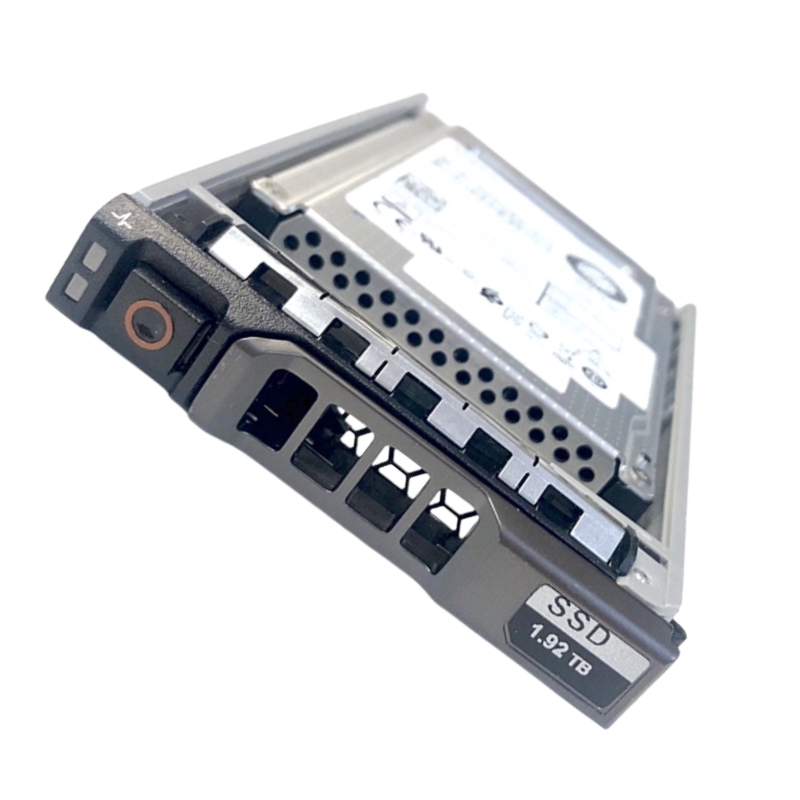


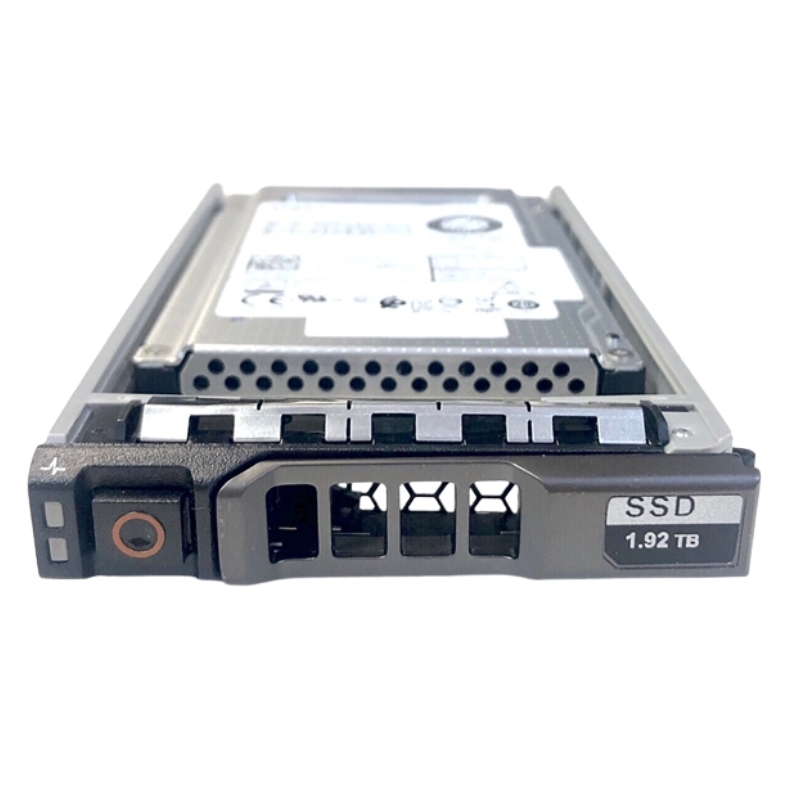
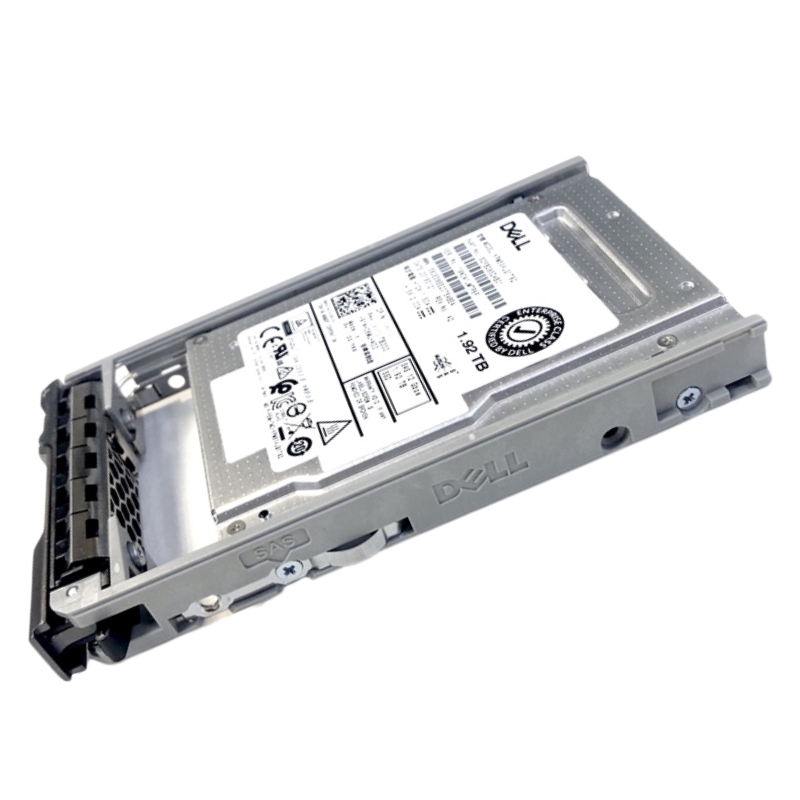
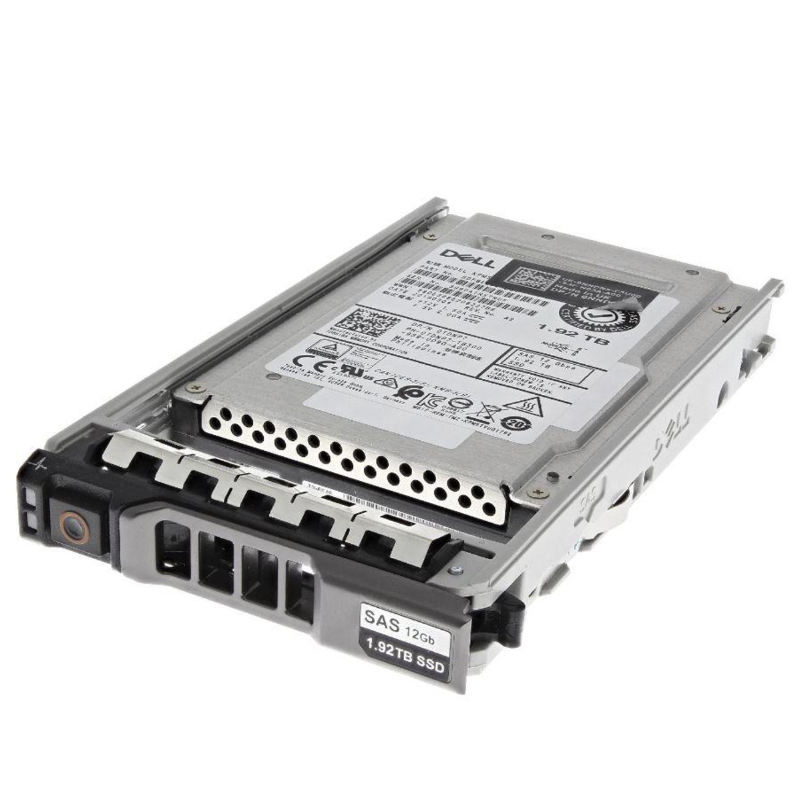
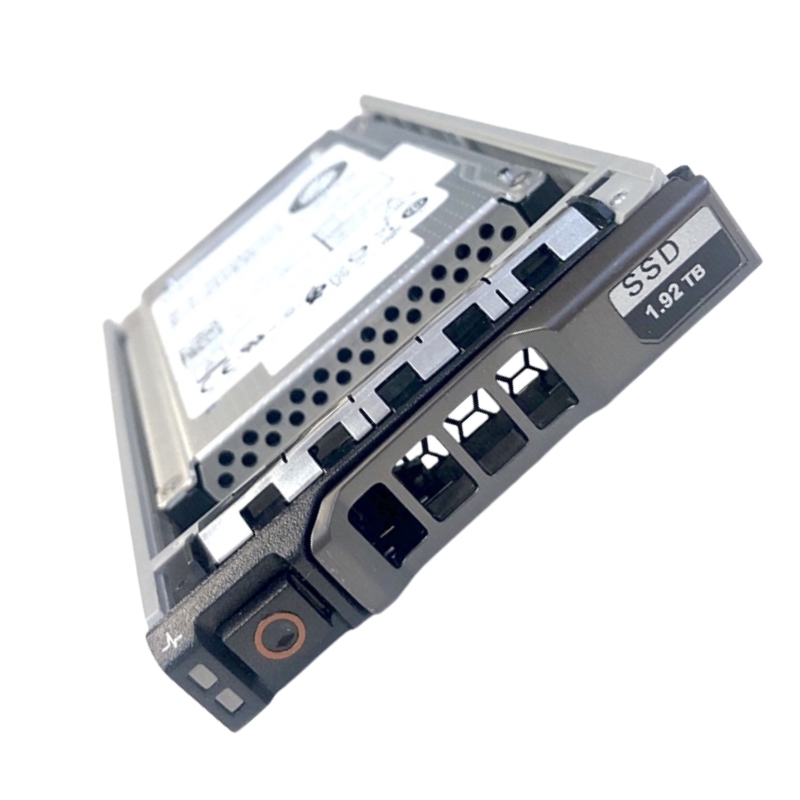
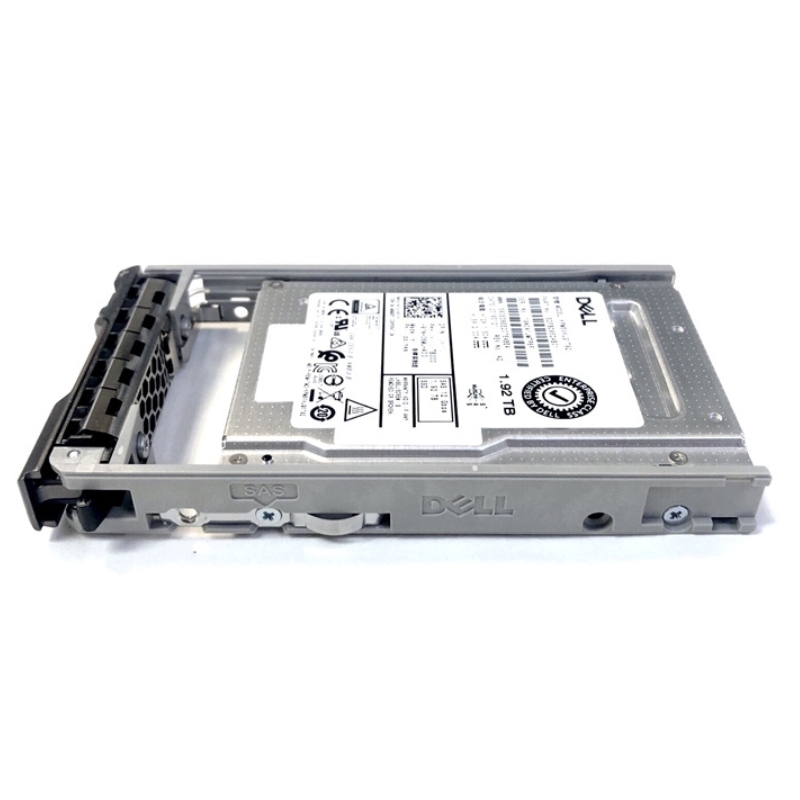
Dell FG31Y 1.92TB SAS 12GBPS Mixed Use MLC Hot Plug SSD. Excellent Refurbished with 1 year replacement warranty
The Dell FG31Y 1.92TB Mix-Use SAS SSD delivers a balance of endurance, reliability, and performance, making it ideal for enterprise applications. Designed for Dell PowerEdge servers, this hot-plug drive ensures optimized efficiency in demanding data center environments.
This SSD ensures data integrity and performance stability even under heavy workloads, providing enterprise IT environments with the assurance they require.
The FG31Y Dell 1.92TB SAS 12Gbps MLC Hot Plug SSD is an enterprise-grade storage device engineered for demanding data center workloads that require high availability, high throughput, and sustained low latency. Built on enterprise MLC NAND and leveraging the 12Gbps SAS protocol, this drive blends robust endurance characteristics with advanced controller features to deliver reliable performance for transactional databases, virtualized infrastructures, analytics clusters, storage arrays, and mixed-workload server environments. Hot plug capability allows replacement or upgrades without system shutdown, enabling continuous operation in production systems and simplifying maintenance during business hours.
The SAS 12Gbps interface provides higher raw bandwidth and enterprise-class protocol features not present in standard consumer SATA. SAS supports multi-pathing, robust error handling, and higher command queuing depth which together reduce protocol overhead and improve predictability under concurrency. When deployed in back-end storage arrays or direct-attach server configurations, the FG31Y can sustain higher transactional loads and maintain consistent latency even as the number of simultaneous IO streams increases.
SAS offers full-duplex communication on supported topologies, which enables more efficient simultaneous read and write operations compared to simplex links. Combined with the drive’s controller-level command queuing, this results in better handling of mixed-request patterns, predictable tail latency, and improved responsiveness for applications that spawn thousands of small, concurrent IOs.
Multi-level cell (MLC) NAND offers a balance between cost per gigabyte and endurance. For many enterprise workloads—particularly read-heavy or read-predominant workloads—MLC provides an attractive middle ground: superior write endurance and steady-state performance compared to consumer TLC parts, while maintaining a lower acquisition cost than higher-endurance single-level cell (SLC) or some specialized enterprise flash types. In real deployments, the MLC-based FG31Y is chosen when predictable behavior, moderate write endurance, and capacity per bay are important trade-offs.
The drive’s enterprise controller implements advanced wear-leveling algorithms, dynamic over-provisioning adjustments, and efficient garbage collection to minimize write amplification and extend usable life. These firmware-managed operations are tuned to maintain performance over time, preventing abrupt drops in throughput during steady-state operations and ensuring media wear is distributed evenly across NAND die to avoid early-life failures.
Hot plug support is crucial for environments that cannot tolerate downtime. The FG31Y’s hot plug design enables IT personnel to swap drives while the server or array remains online, thereby reducing maintenance windows and allowing rapid replacement for drives flagged by monitoring systems. This capability supports high-availability configurations and helps maintain service level agreements by enabling swift corrective action without interrupting end-user access to critical applications or data.
Integrating the FG31Y into a well-defined replacement workflow involves S.M.A.R.T.-driven alerts, centralized logging, and documented runbooks for safe removal and insertion. Hot plug works most effectively when combined with pre-failure warnings that allow administrators to move workloads off an at-risk drive or prepare a hot spare before removal. These practical workflows limit exposure to degraded RAID arrays and improve data safety during the repair window.
Benchmarks published in datasheets provide a useful baseline, but real-world application behavior depends on IO size, queue depth, workload mix, and system-level bottlenecks. The FG31Y excels on small-block random reads, sustained sequential reads, and moderate random writes. In database and index-serving environments, the drive delivers consistent read latency and high sustained IOPS for multi-tenant workloads. In sequential read-heavy use, the SAS 12Gbps link allows high throughput that accelerates large file fetches and bulk scans.
Sustained performance should be measured after the drive reaches steady-state, when background garbage collection and wear-leveling have stabilized. Initial out-of-box throughput may appear higher than long-term values; therefore, real-world testing should include prolonged runtime with representative write mixes to simulate production aging. The FG31Y is tuned to minimize throughput cliffs during steady-state while providing stable performance for predictable application behavior.
Data integrity mechanisms, including strong ECC, end-to-end data path protection, and metadata checksums, ensure that data read or written through the controller preserves correctness. These protections reduce the risk of silent corruption, an essential attribute for financial systems, health records, and other compliance-sensitive datasets. The FG31Y implements multi-layered checks to detect and correct bit errors before they impact applications.
Enterprise SSDs often include power-loss protection features like onboard capacitive buffers or firmware strategies that complete critical metadata writes during an unexpected power event. Preserving metadata mapping ensures that data already committed to the NAND remains accessible and that logical-to-physical address mappings are consistent after unexpected shutdowns. This reduces exposure to data loss and shortens recovery windows following infrastructure incidents.
Online Transaction Processing (OLTP) systems benefit from low-latency random reads and consistent latency under contention. The FG31Y is often deployed in database nodes for read-mostly tables, index storage, and caching layers. By accelerating read paths, the drive reduces query response times, increases transaction throughput, and helps scale database clusters horizontally without disproportionate increases in host CPU or memory utilization.
Virtual desktop infrastructure experiences intense read spikes during login storms and update rollouts. Storing golden images and read cache on FG31Y drives shortens boot times and reduces the I/O pressure on shared back-end storage. In hypervisor clusters, using a combination of these SSDs for hot cache and larger-capacity media for capacity can improve VM density and user responsiveness while managing cost-effectively.
Search engines and analytics engines read vast indexes or columnar segments. The FG31Y supports fast shard access and lower query latencies, improving throughput for concurrent queries and reducing the need for oversized compute nodes dedicated solely to masking storage slowness. Many deployments use SSD tiers for active shards and cold archive on denser, lower-cost media.
Within hybrid storage arrays, FG31Y drives often serve as a fast tier for hot data, while HDDs provide bulk capacity for archival data. Automated tiering moves frequently accessed data to the FG31Y tier and demotes cold objects to HDDs. This approach balances performance and cost while delivering SLA-backed response times for critical workloads.
S.M.A.R.T. telemetry provides early indicators of drive health such as media wear, power cycles, temperature, and reallocated blocks. Integrating the FG31Y’s telemetry with centralized monitoring systems enables proactive replacement planning and reduces unplanned outages. Sophisticated monitoring also correlates sudden changes in workload patterns with increased wear, highlighting candidates for capacity planning or rebalancing.
Firmware updates can deliver performance enhancements, bug fixes, and improved recovery logic. Best practice is to validate updates in a staging cluster under representative load, maintain rollback images, and perform staged rollouts that minimize exposure. Documenting firmware versions per serial number and aligning spares to fleet firmware status prevents compatibility issues during emergency replacements.
To meet regulatory requirements and prevent data exposure on decommissioned drives, the FG31Y may support hardware-based encryption. Integrating drives with enterprise key management solutions ensures that keys are centrally managed, rotation policies are enforced, and secure zeroization procedures are available during disposal or repurposing. This aligns with compliance frameworks that require strong data-at-rest protections.
Sanitization of enterprise SSDs must follow vendor-recommended secure erase procedures to ensure data cannot be recovered. For regulated sectors, organizations should keep disposition records and certificates of destruction or wipe that satisfy auditing needs. The FG31Y supports vendor-provided utilities that perform secure erase operations consistent with many audit frameworks.
System architects should design infrastructures that avoid overwhelming single devices with disparate mixed workloads. Using caching layers, tiering policies, and intelligent orchestration prevents disproportionate wear and extends device life. The FG31Y performs best when placed into architectures where read traffic is predominant or where write bursts are absorbed by higher-endurance layers or host-side caches.
Before large-scale rollouts, validate the FG31Y in representative hardware platforms, firmware combinations, and RAID topologies. Reproduce expected peak loads, failover scenarios, and rebuild events to understand impact on latency and throughput. Such pre-production testing avoids unpleasant surprises and enables tuning of RAID stripe sizes, background rebuild throttles, and cache parameters to preserve application SLAs.


 Contact Us
 Information
 Catalog
 Solid State Drives (SSD)
 Network Switches
 Hard Disk Drives
 HBA & Controllers
 PC & Servers
 PC & Server Memory
 CPU & Processors
 Network Routers
 Power Supplies
 Tape Drives & Libraries
 Network Devices
 Computer & Network Cables