(7% discount is applied at checkout)
Cart is empty
Your go-to destination for cutting-edge server products
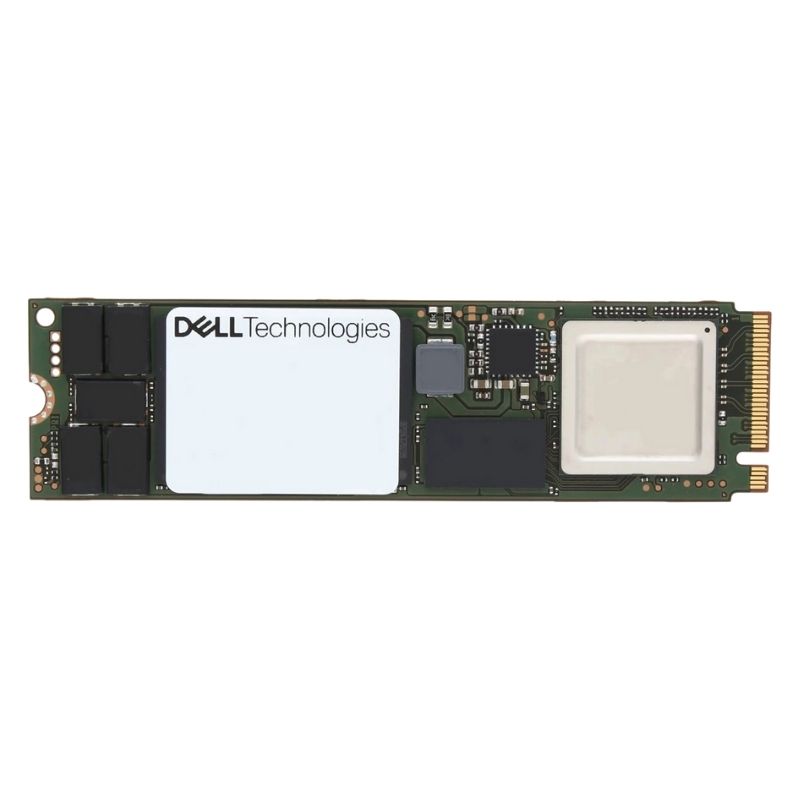


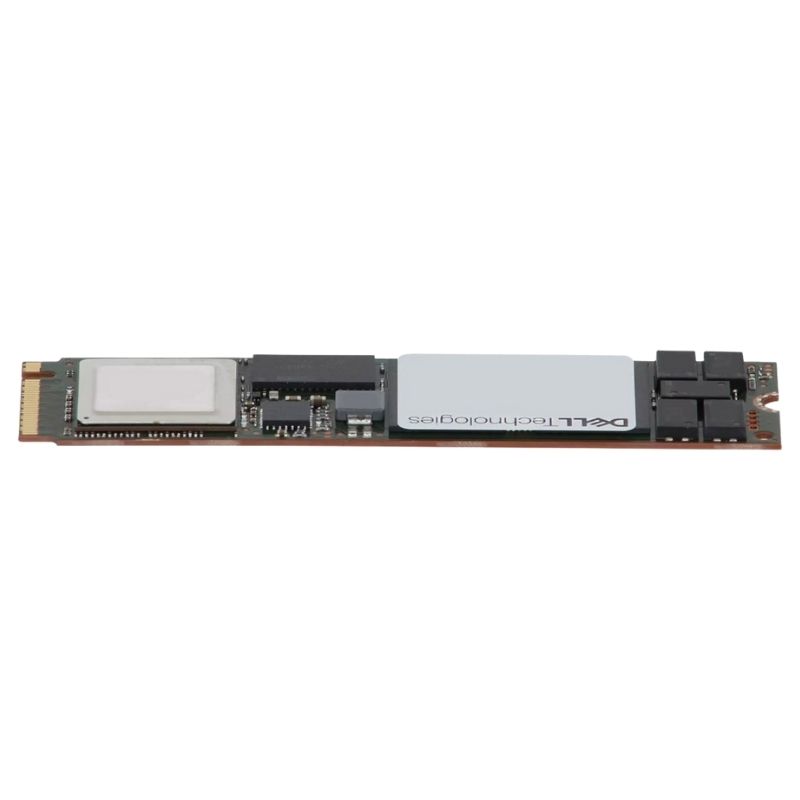
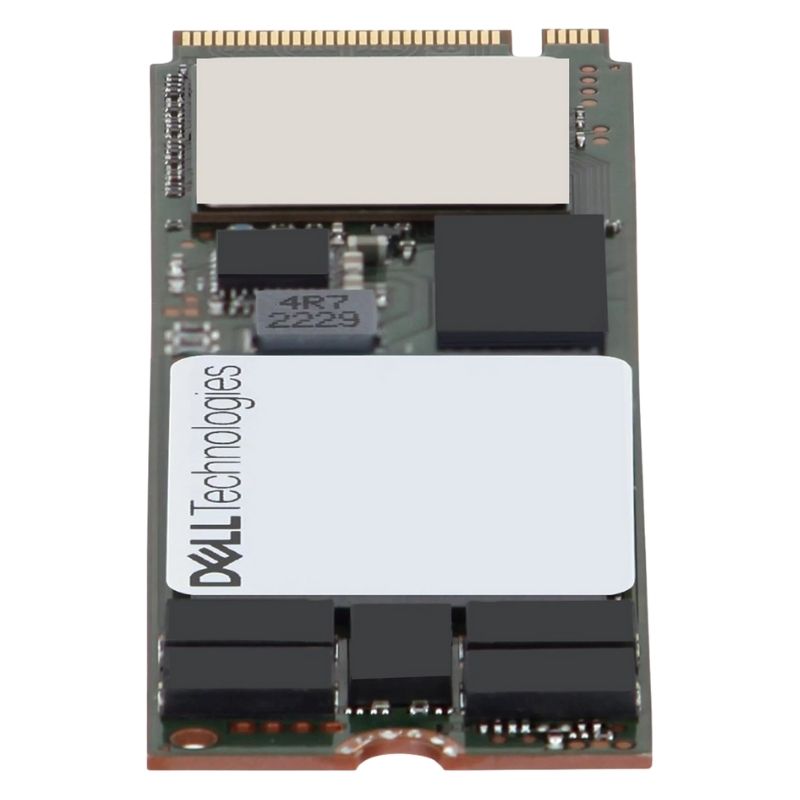
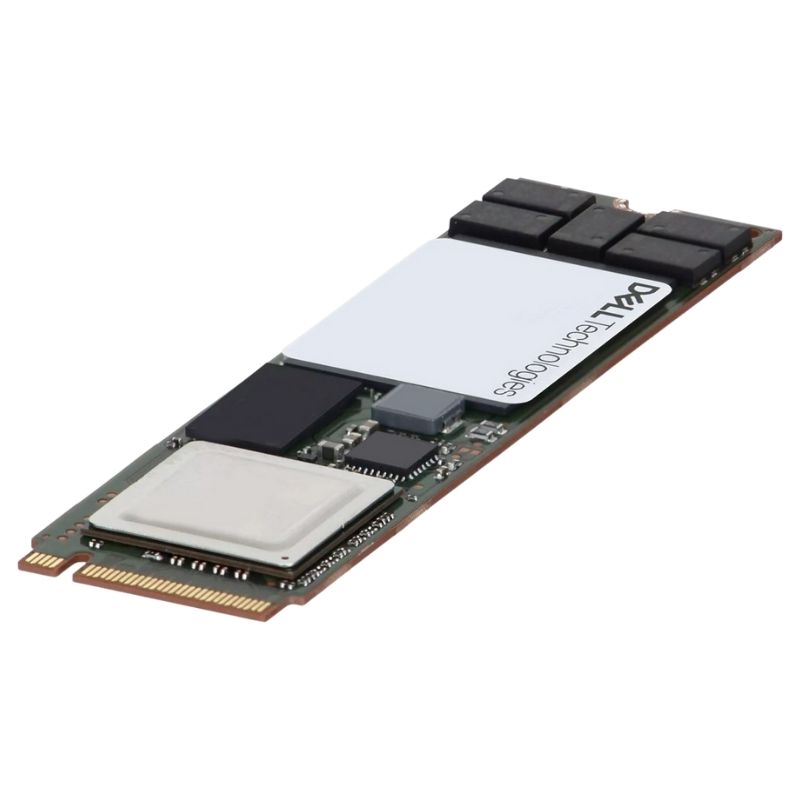
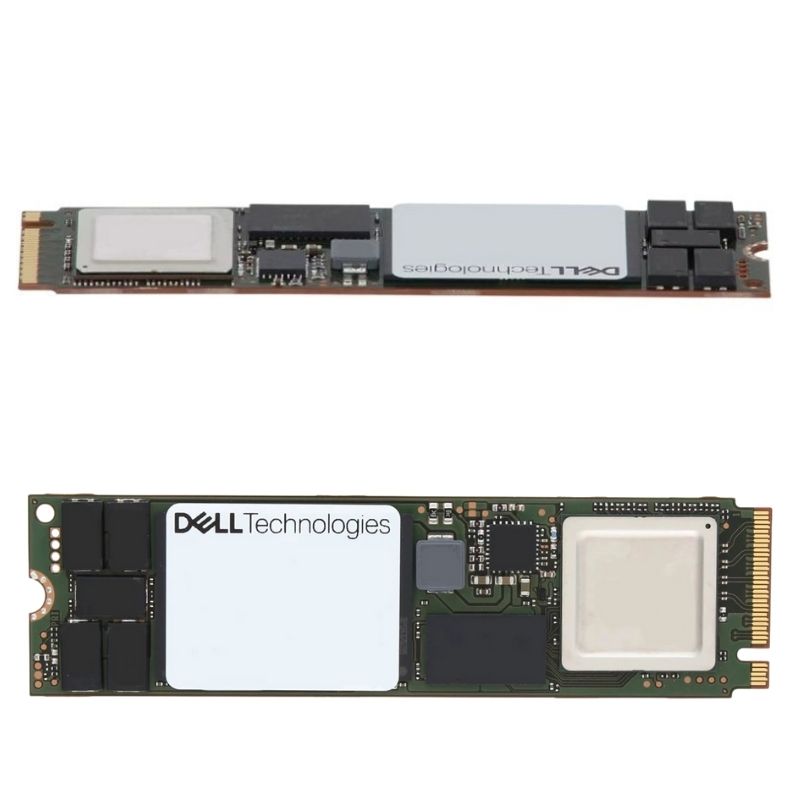
Dell G3YGX 480GB PCI-E Gen4 NVMe Read Intensive TLC SED 2280 M.2 Solid State Drive. Excellent Refurbished with 1-Year Replacement Warranty
The Dell G3YGX 480GB PCI-E Gen4 NVMe Read Intensive TLC SED M.2 Solid State Drive is engineered for enterprise and professional environments that demand consistent throughput, low latency, and dependable endurance. Designed in the compact M.2 2280 form factor, this internal SSD integrates seamlessly into modern servers, workstations, and storage platforms that support PCIe 4.0 NVMe technology.
The Dell G3YGX 480GB PCI-E Gen4 NVMe Read Intensive TLC SED 2280 M.2 Solid State Drive belongs to a specialized category of enterprise-focused NVMe storage solutions engineered for data centers, cloud infrastructures, virtualization platforms, and performance-sensitive business workloads. This category emphasizes high-throughput PCI Express Gen4 connectivity, compact M.2 2280 form factors, and advanced NAND flash technologies designed to balance speed, endurance, and data security. Drives in this segment are optimized to deliver consistent read-heavy performance, low latency access, and enhanced reliability for modern server and workstation environments.
PCI Express Gen4 NVMe solid state drives represent a significant leap forward in storage architecture, doubling the available bandwidth compared to previous PCIe Gen3 interfaces. Within this category, NVMe protocol optimization ensures streamlined command processing, reduced I/O overhead, and direct communication with the CPU through PCIe lanes. This architecture eliminates the bottlenecks associated with legacy SATA and SAS interfaces, enabling enterprise systems to unlock the full potential of multi-core processors, high-speed memory, and advanced virtualization stacks.
The Dell G3YGX series exemplifies how PCIe Gen4 NVMe drives are positioned within this category to meet the demands of data-intensive applications. By supporting higher queue depths and parallel command execution, these drives are well-suited for analytics platforms, transactional databases, and real-time processing environments where rapid data access is critical.
The Non-Volatile Memory Express protocol is foundational to this storage category, providing a streamlined command set specifically designed for flash-based storage. NVMe minimizes latency by reducing instruction cycles and enabling thousands of concurrent queues, each with extensive command depth. In enterprise deployments, this translates into predictable performance under heavy workloads, improved responsiveness for virtual machines, and faster completion times for read-intensive operations.
Within the PCIe Gen4 NVMe SSD category, bandwidth utilization is a defining characteristic. Gen4 interfaces offer significantly higher data transfer rates, allowing solid state drives to sustain rapid sequential reads and handle bursts of I/O without congestion. This capability supports modern workloads such as AI model inference, content delivery networks, and large-scale data lakes where throughput consistency is essential.
The M.2 2280 form factor is a defining physical characteristic of this storage category, enabling compact yet powerful solid state drive designs. Measuring 22 millimeters in width and 80 millimeters in length, M.2 2280 drives are engineered for space-efficient deployment within servers, edge computing devices, and high-performance workstations. This form factor allows system designers to maximize storage density while maintaining airflow efficiency and thermal stability.
For enterprise environments, M.2 NVMe drives like the Dell G3YGX are commonly used as boot devices, cache tiers, or dedicated read-optimized volumes. Their compact footprint supports flexible system layouts, making them suitable for dense rack-mounted servers and modular infrastructure platforms.
Thermal performance is a critical consideration within the M.2 NVMe SSD category. PCIe Gen4 drives generate more heat due to higher data transfer rates, necessitating advanced thermal management strategies. Enterprise-grade designs incorporate thermal throttling controls and optimized component placement to maintain stable operation under sustained workloads. This ensures reliable performance without compromising system longevity.
M.2 2280 NVMe SSDs are increasingly integrated into enterprise server architectures, supporting direct motherboard connections and dedicated NVMe slots. This integration reduces cabling complexity, improves signal integrity, and enhances overall system reliability. Within this category, compatibility with major server platforms is a key factor influencing adoption.
The read intensive classification defines a specialized subset within the enterprise SSD category, focusing on workloads dominated by read operations. Drives in this segment are optimized for scenarios where data is frequently accessed but infrequently modified. This includes web hosting, media streaming, data analytics queries, and content repositories.
The Dell G3YGX 480GB NVMe SSD is designed to align with read intensive usage patterns by prioritizing high read throughput, low read latency, and consistent performance over extended operational periods. This category balances endurance ratings with cost efficiency, making it an ideal choice for large-scale deployments requiring reliable read access without the overhead of write-intensive designs.
Read intensive SSDs utilize endurance profiles tailored to their intended usage. By optimizing write cycles and leveraging advanced wear leveling algorithms, these drives achieve long service life even under continuous read demand. This approach ensures predictable performance and minimizes maintenance requirements in enterprise environments.
Within this category, common applications include virtualization hosts, virtual desktop infrastructure platforms, and cloud-based application servers. These workloads benefit from rapid data retrieval, reduced boot times, and enhanced user experience. Read intensive NVMe SSDs also play a vital role in accelerating database queries and supporting real-time analytics.
Triple-Level Cell NAND flash technology is a cornerstone of this SSD category, offering an effective balance between performance, capacity, and cost. TLC NAND stores three bits of data per cell, enabling higher storage density compared to older MLC designs. In enterprise read intensive SSDs, TLC NAND is paired with advanced controllers and firmware optimizations to deliver reliable performance and extended durability.
The integration of TLC NAND within PCIe Gen4 NVMe drives allows organizations to deploy high-capacity storage solutions without compromising speed or reliability. This makes TLC-based SSDs a popular choice for scalable infrastructure and cost-conscious enterprise deployments.
Enterprise-grade SSD controllers play a critical role in maximizing the benefits of TLC NAND. Sophisticated error correction algorithms, intelligent caching mechanisms, and adaptive performance tuning ensure data integrity and consistent throughput. Firmware enhancements further optimize read performance and manage NAND wear effectively.
Within this category, robust error correction technologies such as advanced ECC and parity management are essential for maintaining data accuracy. These features safeguard against bit errors and ensure reliable operation even under sustained read loads.
Data security is a defining attribute of enterprise storage categories, and self-encrypting drives represent a critical component of this focus. The Dell G3YGX NVMe SSD incorporates SED functionality, providing hardware-based encryption to protect sensitive data at rest. This category emphasizes compliance with enterprise security standards and supports secure key management practices.
Hardware encryption offloads cryptographic operations from the host CPU, ensuring minimal performance impact while maintaining robust security. This makes SED-enabled NVMe SSDs suitable for regulated industries, financial institutions, and organizations handling confidential information.
Self-encrypting NVMe SSDs are designed to align with industry-recognized security frameworks and compliance requirements. By integrating encryption directly into the drive controller, these devices support secure data handling without relying on software-based solutions.
Within this category, secure deployment practices include drive authentication, key lifecycle management, and secure decommissioning. SED-enabled SSDs simplify these processes, enabling organizations to maintain data protection throughout the storage lifecycle.
Performance consistency is a critical metric within the enterprise NVMe SSD category. Drives like the Dell G3YGX are engineered to deliver predictable read latency and sustained throughput under continuous workloads. This consistency is essential for maintaining application responsiveness and ensuring service level agreements are met.
Low latency access is achieved through optimized NVMe command processing, high-speed PCIe Gen4 connectivity, and efficient internal data paths. These characteristics make this category ideal for real-time applications and latency-sensitive workloads.
In virtualized environments, storage latency directly affects virtual machine performance and user experience. NVMe SSDs within this category reduce I/O wait times, enabling higher VM density and improved resource utilization. Cloud service providers leverage these benefits to deliver scalable and responsive services.
Reliability is a foundational requirement for enterprise storage categories, and NVMe SSDs are subjected to rigorous validation processes to ensure dependable operation. The Dell G3YGX series reflects this focus through enterprise-grade components, extensive testing, and firmware designed for long-term stability.
Features such as power-loss protection mechanisms, SMART monitoring, and predictive failure analysis contribute to enhanced reliability. These attributes support proactive maintenance strategies and minimize unplanned downtime.
The PCIe Gen4 NVMe SSD category is designed to support scalable and future-ready infrastructure initiatives. As data volumes continue to grow and application demands increase, these drives provide the performance headroom required to accommodate evolving workloads. Their compatibility with next-generation server platforms ensures long-term value and investment protection.
The Dell G3YGX 480GB NVMe SSD fits seamlessly into this category, offering a balance of speed, security, and reliability that aligns with modern enterprise storage strategies. Its design supports incremental upgrades and integration into hybrid and cloud-native architectures.
In contemporary data centers, NVMe SSDs serve as foundational components for software-defined storage, hyperconverged infrastructure, and edge computing deployments. Their ability to deliver high performance in compact form factors enables flexible system design and efficient resource utilization.


 Contact Us
 Information
 Catalog
 Solid State Drives (SSD)
 Network Switches
 Hard Disk Drives
 HBA & Controllers
 PC & Servers
 PC & Server Memory
 CPU & Processors
 Network Routers
 Power Supplies
 Tape Drives & Libraries
 Network Devices
 Computer & Network Cables