(7% discount is applied at checkout)
Cart is empty
Your go-to destination for cutting-edge server products
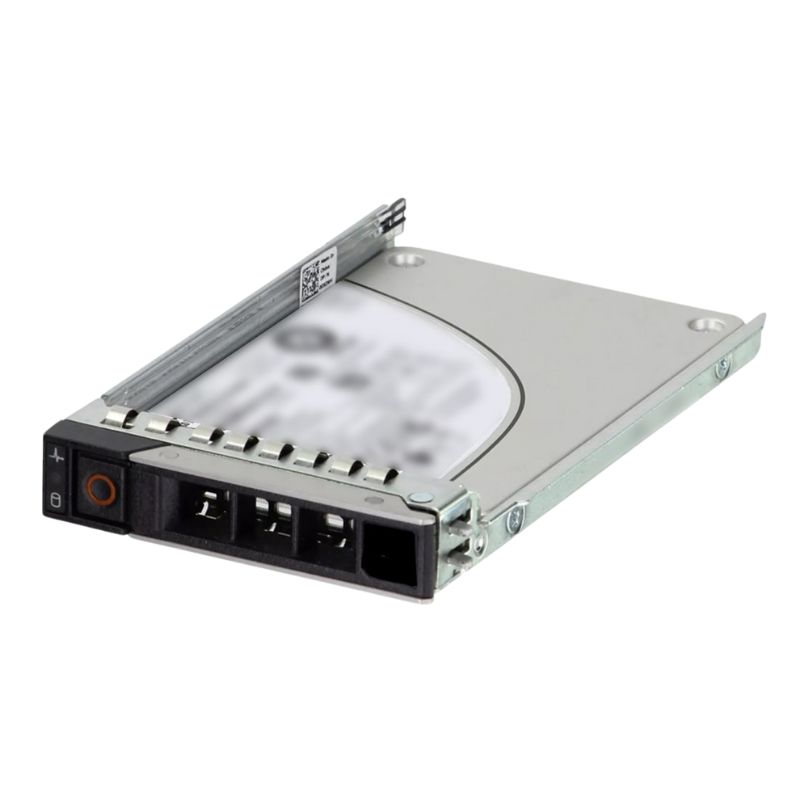


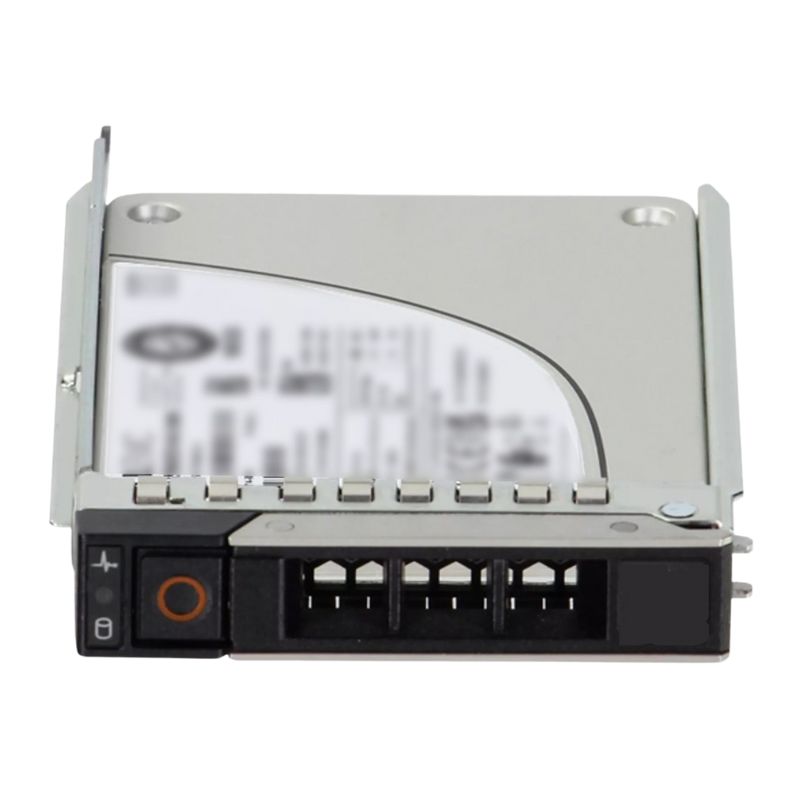
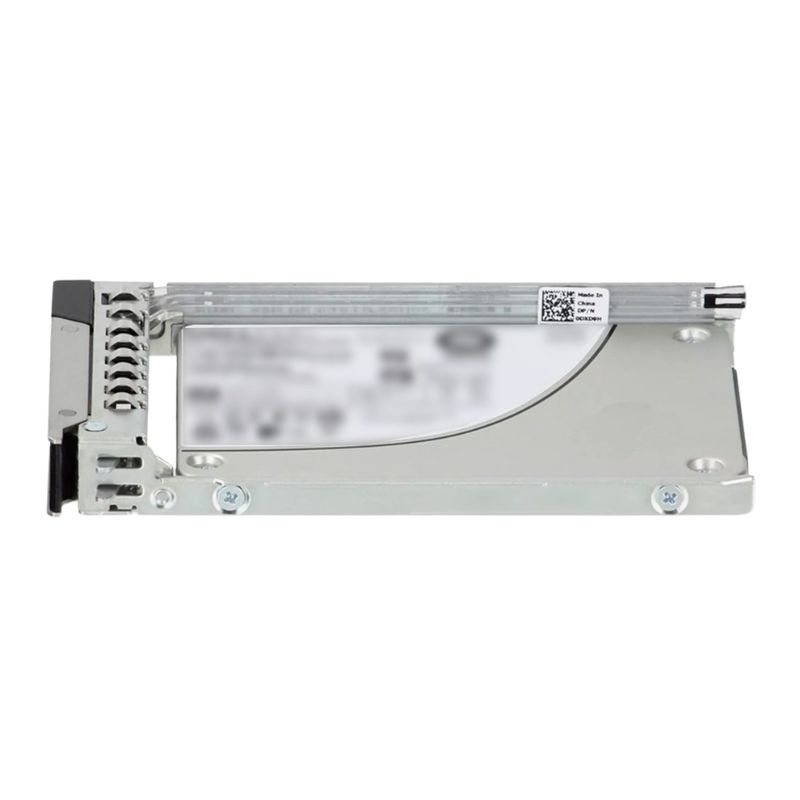
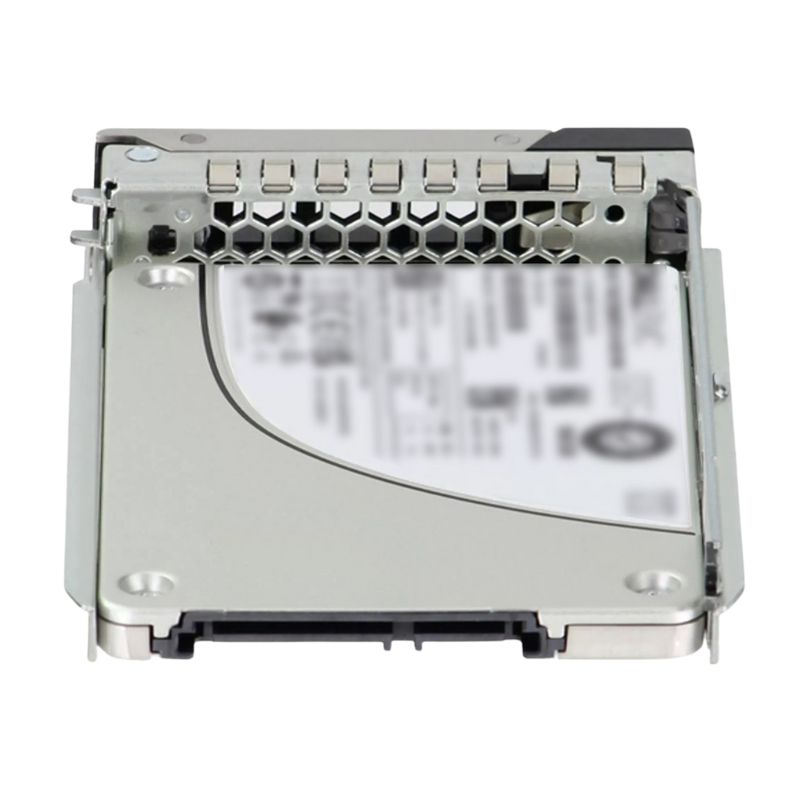
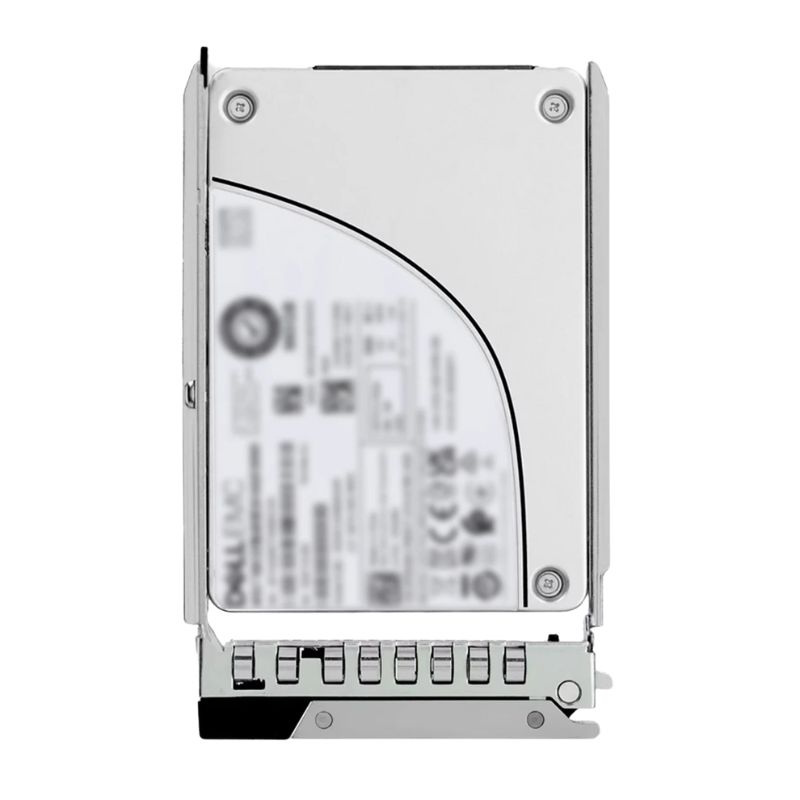
Dell H7HYH 960GB Mixed Use 3DWPD TLC SATA 6GBPS 2.5 Inch Hot Plug Solid State Drive. New Sealed in Box (NIB) with 1 Year Warranty
The Dell H7HYH 960GB solid state drive is engineered for enterprise-grade workloads, delivering dependable speed, consistent endurance, and seamless integration with Dell PowerEdge servers across multiple generations.
The Dell H7HYH 960GB Mixed Use 3DWPD TLC SATA 6GBPS 2.5 Inch Hot Plug Solid State Drive belongs to a specialized enterprise storage category designed for Dell PowerEdge 14th, 15th, and 16th generation servers. This category focuses on high-reliability, mixed workload solid state drives that balance endurance, capacity, and cost efficiency for modern data center operations. Enterprise SATA SSDs within this segment are engineered to replace or complement traditional spinning disks while maintaining compatibility with widely adopted SATA infrastructures. The category addresses organizations that require dependable performance for transactional applications, virtualization environments, and business-critical workloads without migrating to NVMe or SAS architectures.
This category of Dell enterprise SATA SSDs emphasizes stability, predictability, and long-term operational efficiency. SATA 6Gbps interfaces continue to be relevant in many enterprise server deployments, especially where cost-per-gigabyte, thermal control, and legacy backplane compatibility are priorities. The Dell H7HYH model represents a mature design approach that integrates advanced 3D TLC NAND flash with enterprise-grade firmware tuned for mixed-use scenarios. The architectural philosophy centers on delivering consistent latency, controlled write amplification, and predictable endurance characteristics across sustained workloads.
Within this category, 3D TLC NAND technology plays a critical role in balancing storage density and endurance. Unlike consumer-grade TLC implementations, enterprise-class 3D TLC used in Dell PowerEdge-compatible SSDs is validated under continuous load conditions. The NAND layers are optimized to improve cell longevity while supporting mixed read and write patterns common in virtualization hosts, database servers, and collaborative platforms. This integration enables higher capacities such as 960GB within a standard 2.5 inch form factor while maintaining consistent performance profiles over the drive’s operational lifespan.
The mixed-use classification in this category reflects an endurance rating of approximately three drive writes per day, making these SSDs suitable for applications that generate balanced read and write traffic. Enterprise firmware algorithms actively manage wear leveling, garbage collection, and error correction to ensure data integrity under sustained I/O pressure. This approach ensures that Dell H7HYH-class SSDs can be deployed in environments where both transactional updates and frequent data retrieval occur simultaneously.
A defining characteristic of this category is its tight integration with Dell PowerEdge server ecosystems across multiple generations. Dell validates these SATA SSDs specifically for 14th, 15th, and 16th generation PowerEdge servers, ensuring seamless compatibility with system firmware, RAID controllers, and storage backplanes. This validation process reduces deployment risks and simplifies lifecycle management for enterprise IT teams.
The 2.5 inch hot plug form factor remains a cornerstone of enterprise server storage design. Within this category, hot plug capability allows administrators to replace or upgrade drives without powering down the server, supporting high availability requirements. The standardized form factor ensures compatibility with a wide range of PowerEdge drive bays, enabling flexible scaling strategies and simplified inventory management across diverse server fleets.
Enterprise SATA SSDs in this category are optimized for operation with Dell PERC RAID controllers and host bus adapters. Firmware-level tuning ensures stable communication, accurate health reporting, and predictable rebuild behavior during RAID operations. This integration is essential for maintaining data protection and minimizing downtime during drive replacement or expansion procedures.
Dell enterprise SSD categories emphasize firmware stability and long-term support. Each SSD model undergoes extensive qualification testing across supported PowerEdge platforms to ensure consistent behavior across firmware updates and server BIOS revisions. This lifecycle assurance reduces compatibility issues and supports standardized maintenance practices in enterprise environments.
Although newer interfaces such as NVMe offer higher throughput, the SATA 6Gbps category remains highly relevant for many enterprise workloads. The Dell H7HYH-class SSD delivers reliable sequential and random performance that aligns with the needs of business applications, file servers, and virtual machine storage pools. The SATA interface provides sufficient bandwidth for mixed workloads while maintaining low power consumption and thermal output.
Enterprise SATA SSDs are engineered to prioritize latency consistency over peak benchmark figures. This category focuses on delivering stable response times under sustained load, which is critical for multi-tenant server environments. Predictable throughput ensures that applications experience minimal performance degradation during peak usage periods.
Mixed-use SSDs are designed to handle balanced read and write operations without compromising endurance. This makes them suitable for virtualization clusters, email servers, ERP systems, and collaboration platforms. The Dell H7HYH category supports these use cases by maintaining stable write performance while delivering fast read access to frequently accessed data.
Enterprise workloads often involve high queue depths due to multiple concurrent processes. SATA SSDs in this category are optimized to manage parallel I/O requests efficiently, ensuring fair resource allocation across applications. This capability is essential in shared server environments where multiple virtual machines or containers compete for storage resources.
Reliability is a core requirement for enterprise storage categories, and Dell SATA mixed-use SSDs are designed to meet stringent data integrity standards. Advanced error correction, power-loss protection mechanisms, and comprehensive health monitoring features contribute to long-term operational stability.
Enterprise-grade power loss protection ensures that in-flight data is preserved during unexpected power interruptions. Capacitive buffering and firmware-level safeguards prevent data corruption and maintain file system consistency. This feature is especially critical in transactional environments where data integrity directly impacts business operations.
Advanced error correction codes are implemented to detect and correct data errors before they impact applications. End-to-end data protection mechanisms ensure that data remains accurate as it moves between the host, controller, and NAND storage layers. This reliability focus distinguishes enterprise SSD categories from consumer-grade alternatives.
Comprehensive SMART attributes and Dell-specific health metrics enable proactive monitoring of drive status. IT administrators can track endurance consumption, temperature trends, and error rates to plan maintenance and replacement activities before failures occur. This predictive capability supports higher uptime and optimized storage lifecycle management.
The Dell H7HYH 960GB mixed-use SATA SSD category aligns with a wide range of enterprise use cases. Its balanced performance and endurance profile make it suitable for both primary and secondary storage roles within PowerEdge servers.
Virtualized environments benefit from the consistent latency and mixed workload support offered by this category. SATA SSDs provide reliable storage for virtual machine boot volumes, application data, and shared storage pools. Their cost efficiency allows organizations to scale storage capacity without exceeding budget constraints.
Relational databases and transactional systems require stable write performance and low latency. Mixed-use SATA SSDs support these requirements by maintaining consistent response times under write-intensive operations while providing sufficient read throughput for query processing.
File servers and collaboration tools generate diverse I/O patterns that benefit from mixed-use SSD characteristics. This category supports frequent file updates, user access, and background processes without compromising performance or reliability.
Power and thermal efficiency are important factors in dense server deployments. SATA SSDs typically consume less power than high-performance NVMe alternatives, making them suitable for environments with limited cooling capacity or strict energy efficiency targets.
The Dell enterprise SATA SSD category is designed to operate within the thermal constraints of standard PowerEdge chassis. Efficient heat dissipation and controlled power draw reduce the risk of thermal throttling and contribute to overall system stability.
Lower power consumption translates into reduced operational costs over the drive’s lifespan. Organizations deploying large numbers of SATA SSDs benefit from decreased energy usage and cooling requirements, improving total cost of ownership without sacrificing reliability.
Enterprise SSDs are validated for continuous operation in data center environments. This category ensures stable performance across varying workloads and environmental conditions, supporting 24/7 operation in mission-critical systems.
Scalability is a key advantage of standardized SATA SSD categories. The Dell H7HYH-class SSD allows organizations to incrementally expand storage capacity within existing PowerEdge infrastructures.
Support for multiple PowerEdge generations enables organizations to standardize on a single SSD category across mixed hardware environments. This consistency simplifies procurement, deployment, and support processes.
Enterprise endurance ratings and health monitoring features support predictable replacement cycles. IT teams can align storage refresh strategies with server lifecycle plans, reducing unplanned downtime and budgetary surprises.
Dell enterprise SSD categories benefit from extended availability and dedicated support channels. This ensures continuity for organizations that require consistent hardware specifications over multi-year deployment cycles.
Despite the growth of NVMe and high-speed storage technologies, mixed-use SATA SSDs continue to play a vital role in modern data centers. They provide a balanced solution for workloads that do not require extreme throughput but demand reliability and cost efficiency.
SATA SSD categories complement higher-performance storage tiers by handling general-purpose workloads. This tiered storage approach optimizes resource allocation and ensures that high-performance storage is reserved for latency-sensitive applications.
Organizations upgrading from HDD-based storage can leverage SATA SSDs to achieve significant performance improvements without redesigning storage architectures. This category supports gradual modernization strategies that minimize disruption.
Hybrid storage architectures often combine multiple storage technologies to meet diverse workload requirements. Mixed-use SATA SSDs serve as a reliable mid-tier option, balancing performance, endurance, and cost within enterprise storage ecosystems.


 Contact Us
 Information
 Catalog
 Solid State Drives (SSD)
 Network Switches
 Hard Disk Drives
 HBA & Controllers
 PC & Servers
 PC & Server Memory
 CPU & Processors
 Network Routers
 Power Supplies
 Tape Drives & Libraries
 Network Devices
 Computer & Network Cables