(7% discount is applied at checkout)
Cart is empty
Your go-to destination for cutting-edge server products
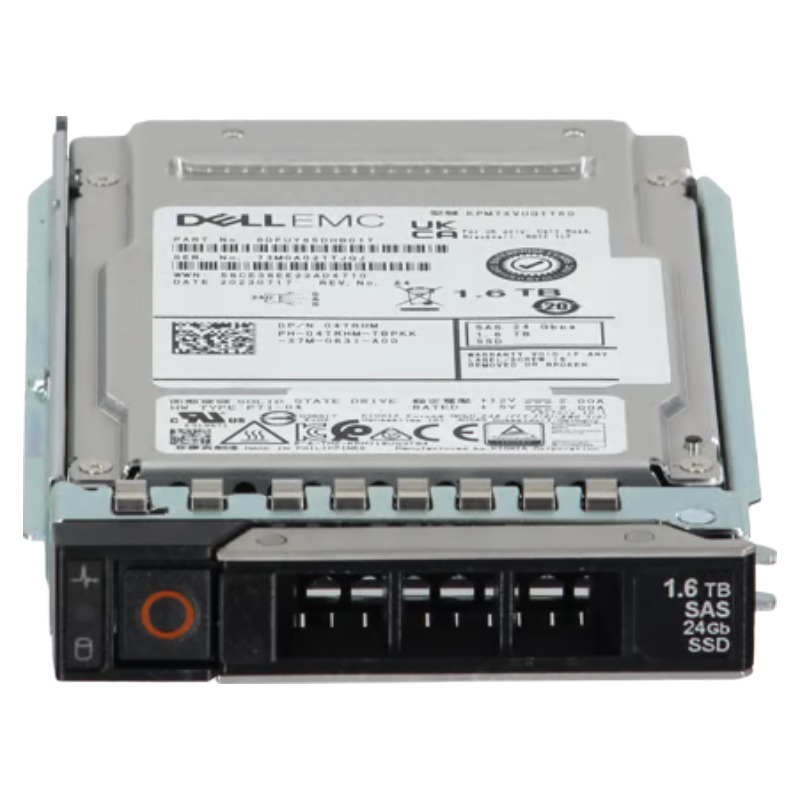


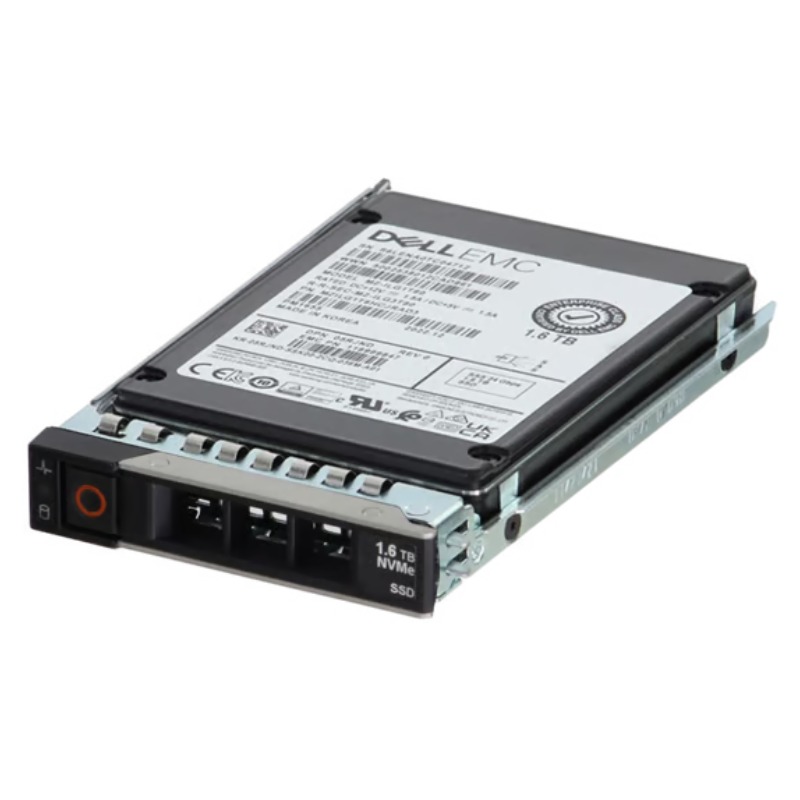
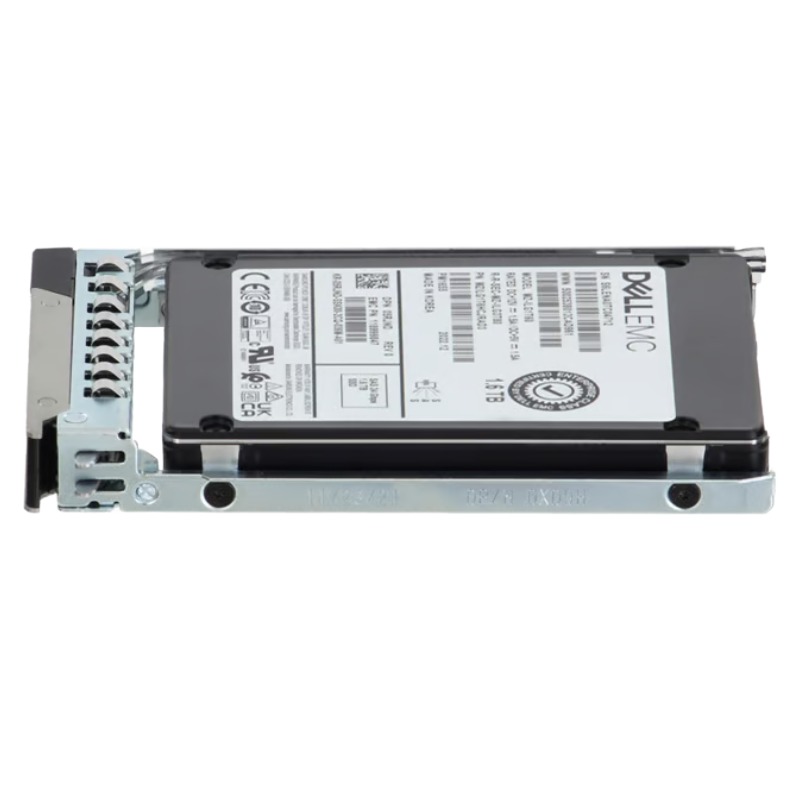
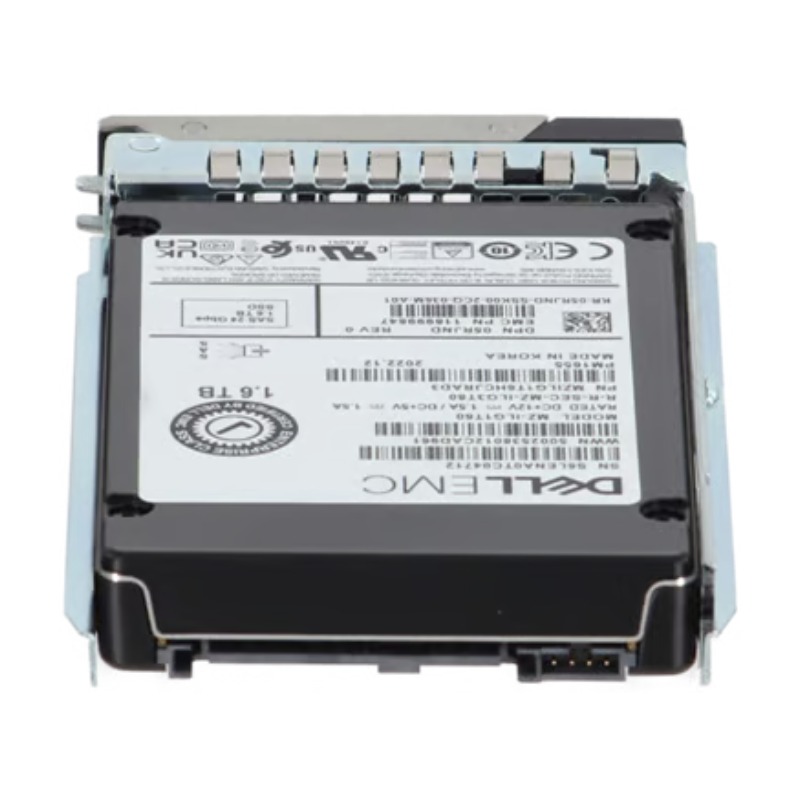
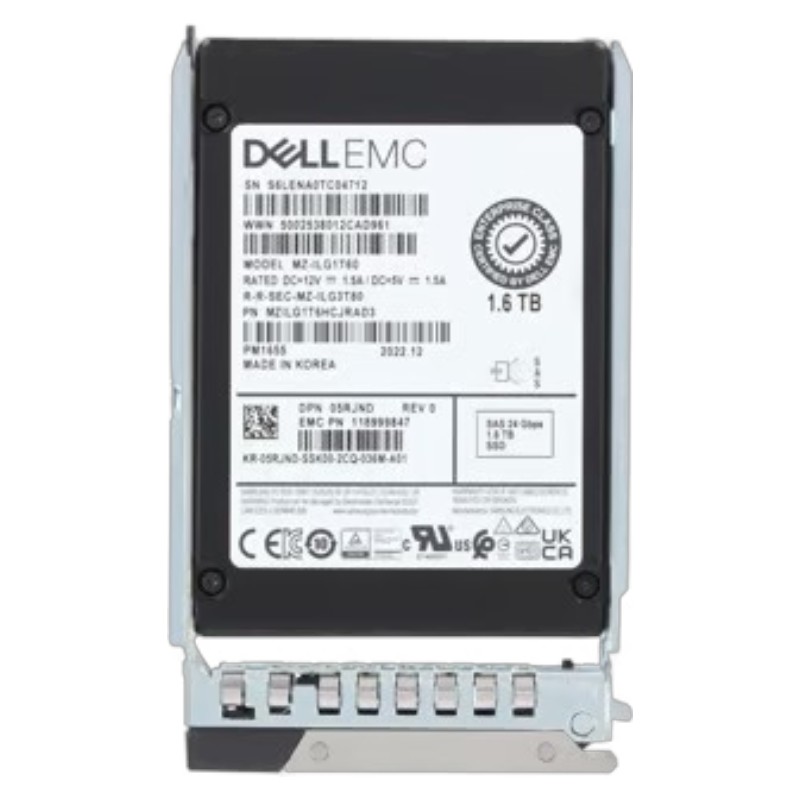
Dell J7MWC 1.6TB SAS-24Gbps Mixed Use 3DWPD 2.5-Inch Solid State Drive. New Sealed in Box (NIB) with 1 year Replacement Warranty
The Dell J7MWC is a high-performance solid state drive engineered for enterprise-grade workloads. With its robust endurance and blazing-fast speeds, this 2.5-inch SAS interface SSD is ideal for mixed-use environments.
The Dell J7MWC 1.6TB SAS-24Gbps Mixed Use 3DWPD 2.5-Inch Solid State Drive is designed for enterprise-grade computing environments that require exceptional data transfer speed, dependable endurance, advanced workload handling, and consistent low-latency performance. Modern data centers continue to demand scalable storage systems capable of supporting virtualization, database management, cloud infrastructure, artificial intelligence processing, transactional workloads, and high-performance analytics. This Dell enterprise SSD delivers a combination of speed, endurance, and reliability that aligns with the operational requirements of mission-critical IT infrastructures.
Equipped with a 24Gbps SAS interface, the Dell J7MWC SSD provides significantly enhanced throughput compared to older SAS generations. Enterprises that rely on high-speed storage architectures benefit from faster input/output operations, improved application responsiveness, and lower bottlenecks during intensive workloads. The 1.6TB capacity also offers an ideal balance between storage density and high-speed performance for mixed-use applications that require frequent read and write operations throughout daily operations.
Businesses deploying enterprise servers often require storage devices capable of maintaining stability under continuous workloads. The Dell J7MWC mixed-use SSD is engineered for such environments, offering sustained endurance and dependable operation in demanding enterprise systems. The 3DWPD rating indicates that the drive can handle up to three complete drive writes per day over its warranty lifecycle, making it suitable for write-intensive and balanced enterprise workloads.
The SAS-24Gbps interface integrated into the Dell J7MWC solid state drive delivers advanced communication speed between the storage controller and the SSD. Enterprise SAS technology is widely preferred in business-critical environments because of its dual-port architecture, superior reliability, advanced error correction, and scalability within large storage arrays. Compared to SATA SSDs, SAS solid state drives provide better queue depth handling and superior performance consistency under heavy workloads.
Organizations operating virtualization clusters, cloud computing platforms, and enterprise database environments frequently require storage hardware that minimizes latency while maximizing transactional efficiency. The 24Gbps SAS interface enables higher bandwidth capabilities that support modern enterprise storage controllers and high-speed backplane infrastructures. As organizations transition toward faster data architectures, storage devices such as the Dell J7MWC become increasingly valuable for maintaining operational efficiency.
Large-scale enterprise workloads often involve simultaneous access requests from multiple virtual machines, applications, and users. The advanced SAS architecture supports these concurrent workloads more effectively than consumer-grade interfaces. This allows businesses to maintain smooth application performance while supporting growing data requirements across multiple enterprise systems.
The 1.6TB storage capacity offered by the Dell J7MWC SSD provides an excellent balance between performance optimization and enterprise storage scalability. Data centers frequently deploy SSDs in tiered storage infrastructures where capacity efficiency and throughput are equally important. A 1.6TB SSD fits effectively into these environments by supporting high-speed application storage without consuming excessive rack space.
Enterprise storage administrators often prioritize efficient storage density to optimize infrastructure investments. The 2.5-inch form factor combined with 1.6TB capacity enables organizations to install multiple drives within compact server configurations while maintaining sufficient storage resources for demanding applications. This capacity level is ideal for virtualization hosts, enterprise resource planning systems, transactional databases, analytics workloads, and cloud application environments.
Modern enterprises continuously process increasing volumes of structured and unstructured data. Storage solutions must therefore support both scalability and consistent speed. The Dell J7MWC SSD addresses these needs by providing reliable enterprise-grade flash storage capable of supporting continuous operational demands across diverse IT infrastructures.
Mixed-use solid state drives are specifically engineered to handle balanced read and write workloads that occur in enterprise environments. Unlike read-intensive SSDs that prioritize data retrieval or write-intensive drives designed primarily for heavy write cycles, mixed-use SSDs provide a versatile balance suitable for varied enterprise applications. The Dell J7MWC SSD excels in these scenarios by offering stable performance under dynamic operational conditions.
Enterprise environments often execute a combination of workloads simultaneously. Database transactions, virtualization operations, application hosting, data analytics, and cloud services all place varying demands on storage infrastructure. A mixed-use SSD architecture ensures that the drive can efficiently manage both frequent data access requests and ongoing write operations without sacrificing performance stability.
The 3DWPD endurance specification indicates the drive’s ability to sustain three complete drive writes per day throughout its operational lifespan. This endurance level is particularly important for organizations handling intensive transactional workloads, large-scale virtual desktop infrastructures, financial applications, and enterprise databases that require continuous write activity.
Endurance ratings are critical indicators of SSD reliability in enterprise deployments. Higher endurance allows storage systems to maintain operational integrity over extended periods while reducing the likelihood of premature wear. The Dell J7MWC SSD is engineered with enterprise NAND flash technologies and advanced wear-leveling algorithms that optimize flash lifespan while preserving performance consistency.
Businesses relying on continuous operational availability benefit significantly from high-endurance storage devices. Applications that frequently update records, generate logs, process transactions, or handle large data modifications require dependable SSD endurance characteristics. The Dell J7MWC enterprise SSD is specifically optimized for these demanding operational conditions.
Enterprise solid state drives utilize advanced NAND flash memory technologies designed for durability, efficiency, and high-speed data handling. The Dell J7MWC SSD incorporates enterprise-grade NAND architecture capable of supporting extensive write cycles while maintaining consistent read and write performance levels. This ensures long-term reliability in high-demand data center environments.
Modern NAND flash management systems utilize sophisticated algorithms for wear leveling, garbage collection, bad block management, and error correction. These technologies contribute to improved SSD longevity and data integrity. In enterprise computing environments, maintaining consistent performance under continuous operation is essential, and enterprise-grade NAND solutions help achieve that goal.
High-performance NAND architectures also contribute to reduced latency and faster data accessibility. Businesses running critical applications benefit from rapid response times and dependable storage consistency across operational workloads. These characteristics make the Dell J7MWC SSD suitable for enterprise servers, storage arrays, and advanced computing infrastructures.
The 2.5-inch form factor remains one of the most widely adopted enterprise storage standards because of its flexibility, compatibility, and space-efficient design. The Dell J7MWC SSD fits seamlessly into enterprise servers, blade systems, rackmount infrastructures, and storage enclosures designed for modern data center operations.
Space optimization plays a critical role in enterprise infrastructure planning. Data centers often deploy hundreds or thousands of storage devices within limited rack space. Compact 2.5-inch SSDs enable higher storage density while maintaining airflow efficiency and simplified maintenance accessibility. The Dell J7MWC SSD contributes to efficient infrastructure scaling without compromising performance capabilities.
Many enterprise servers support hot-swappable storage configurations that allow drives to be replaced or upgraded without shutting down the system. The Dell J7MWC 2.5-inch SSD integrates effectively within these enterprise environments, enabling storage administrators to perform maintenance operations while minimizing downtime.
Continuous operational availability is a major requirement in modern enterprise computing. Hot-swappable SSD support improves system maintainability and reduces service interruption risks during storage maintenance procedures. This capability is particularly important for financial institutions, cloud service providers, healthcare organizations, and mission-critical business applications.
The standardized 2.5-inch enterprise form factor also improves deployment flexibility across multiple server generations and storage infrastructures. Organizations upgrading existing systems can integrate the Dell J7MWC SSD into compatible enterprise hardware platforms while benefiting from modern SAS-24Gbps performance enhancements.
Thermal efficiency is a crucial consideration in enterprise storage environments. Storage devices operating under heavy workloads generate heat that can impact performance stability and hardware longevity. The Dell J7MWC SSD is engineered to maintain efficient thermal performance within enterprise rackmount systems and high-density server environments.
Efficient cooling contributes to long-term storage reliability by reducing thermal stress on internal components. Enterprise SSD designs incorporate thermal management technologies that help maintain stable operating temperatures during continuous workloads. This enables the drive to sustain high-speed performance without excessive thermal throttling.
Data centers focusing on energy efficiency and operational optimization benefit from SSD technologies that consume less power while generating lower heat levels compared to traditional mechanical hard drives. Reduced power consumption also contributes to lower cooling requirements and improved infrastructure efficiency.
The Dell J7MWC 1.6TB SAS-24Gbps SSD is specifically engineered to accelerate enterprise workloads that depend on fast data access, low latency, and high throughput. Enterprise applications frequently process large volumes of transactional data, user requests, and virtual machine operations simultaneously. High-speed SSD storage enables these workloads to execute more efficiently while minimizing operational delays.
Virtualization environments place significant pressure on storage systems because multiple virtual machines share underlying hardware resources. Storage latency can directly affect virtual machine responsiveness and overall infrastructure performance. The Dell J7MWC SSD helps address these challenges by delivering rapid read and write operations capable of supporting dense virtualization workloads.
Enterprise hypervisors, virtual desktop infrastructures, and containerized application platforms all benefit from low-latency storage performance. Faster SSD storage improves boot times, application responsiveness, workload migration speed, and overall user experience. The mixed-use architecture of the Dell J7MWC SSD ensures balanced performance under dynamic virtualization conditions.
As organizations expand their virtualization infrastructures, scalable SSD performance becomes increasingly important. Enterprise SAS SSDs enable efficient resource utilization and support consistent performance across growing virtualized workloads.
Database-driven environments rely heavily on storage performance because transactional operations require rapid data retrieval and continuous write processing. The Dell J7MWC SSD provides the speed and endurance necessary to support enterprise databases handling large-scale transactional activity.
Applications such as financial systems, e-commerce platforms, customer relationship management software, and enterprise analytics solutions all benefit from low-latency SSD storage. Faster storage access improves query execution times, transaction processing efficiency, and real-time data analysis capabilities.
Mixed-use SSD architecture is particularly beneficial for databases because database workloads often involve simultaneous read and write operations. The Dell J7MWC SSD maintains consistent performance during these activities, helping organizations reduce operational bottlenecks and improve application responsiveness.
Cloud computing environments require scalable storage infrastructures capable of supporting fluctuating workloads and large user bases. Enterprise SSDs such as the Dell J7MWC provide the performance stability needed for cloud service platforms, software-defined storage systems, and distributed computing architectures.
Cloud infrastructures often process continuous data synchronization, workload balancing, virtual machine provisioning, and multi-user access operations. High-speed SAS SSDs improve responsiveness across these environments while supporting efficient data movement between systems.
Organizations building hybrid cloud or private cloud infrastructures benefit from storage solutions that combine endurance, scalability, and performance consistency. The Dell J7MWC SSD is designed to meet these operational requirements while supporting enterprise-level reliability expectations.
Enterprise storage reliability extends beyond raw speed and capacity. Organizations require storage devices capable of protecting sensitive data, maintaining operational consistency, and minimizing risks associated with hardware failure. The Dell J7MWC SSD incorporates enterprise-grade reliability technologies that support secure and dependable data storage.
Advanced error correction technologies are essential components of enterprise SSD architectures. The Dell J7MWC SSD utilizes sophisticated data integrity mechanisms that help identify and correct potential storage errors before they affect operational workloads. These technologies improve long-term reliability and help protect mission-critical information.
Enterprise environments frequently handle sensitive business records, financial transactions, customer databases, and operational analytics. Reliable data protection mechanisms reduce the risk of corruption and improve confidence in storage infrastructure stability. Advanced ECC algorithms and enterprise firmware contribute to dependable SSD performance across demanding workloads.
Power loss protection capabilities also enhance enterprise reliability. Sudden power interruptions can create data consistency risks during active write operations. Enterprise SSDs are designed with protective technologies that help preserve in-flight data and maintain storage integrity during unexpected power events.
Low-latency performance is critical for enterprise applications that require rapid response times and predictable operational behavior. The Dell J7MWC SSD delivers consistent low-latency performance that helps improve application responsiveness and overall infrastructure efficiency.
Latency consistency is particularly important in real-time analytics, financial trading systems, online transaction processing, and virtualization environments. Storage devices with unpredictable latency can create operational bottlenecks and negatively affect user experience. Enterprise SAS SSDs help minimize these challenges by maintaining stable performance under varying workload conditions.
Consistent latency also improves overall server efficiency by enabling processors and memory resources to operate without excessive storage-related delays. This contributes to better infrastructure utilization and enhanced application scalability.
Modern enterprise infrastructures require scalable storage solutions capable of supporting future growth and evolving workload demands. The Dell J7MWC SSD integrates effectively into scalable storage architectures designed for expanding business operations.
Dell enterprise SSDs are engineered for compatibility with enterprise server platforms, storage controllers, and rackmount infrastructures commonly used in modern data centers. The Dell J7MWC SSD supports integration within compatible Dell PowerEdge servers and enterprise storage environments optimized for SAS connectivity.
Organizations deploying enterprise-grade infrastructure benefit from validated hardware compatibility because it reduces deployment complexity and improves operational reliability. Enterprise-certified SSDs also support firmware optimization and enhanced interoperability with server management systems.
Scalable deployment flexibility enables businesses to expand storage resources as operational requirements evolve. The 1.6TB capacity and high-speed SAS interface make the Dell J7MWC SSD suitable for both new deployments and infrastructure upgrades.
Enterprise storage arrays frequently utilize RAID configurations to improve redundancy, fault tolerance, and performance optimization. The Dell J7MWC SSD supports deployment within RAID-enabled infrastructures where multiple SSDs operate together to enhance enterprise storage capabilities.
RAID configurations using enterprise SAS SSDs can significantly improve throughput, reduce latency, and increase data protection across mission-critical workloads. Organizations operating database clusters, virtualization farms, and high-performance computing environments benefit from scalable RAID-based SSD architectures.
Storage administrators often deploy mixed-use SSDs within hybrid storage environments that combine flash storage with traditional hard drives. This approach enables businesses to optimize performance-sensitive workloads while maintaining cost-efficient archival storage strategies.
The Dell J7MWC SSD offers substantial advantages over traditional mechanical hard drives in terms of speed, durability, latency, and operational efficiency. Enterprise SSD technology has transformed modern data center infrastructures by enabling significantly faster application performance and improved reliability.
Traditional hard drives rely on spinning platters and mechanical read/write heads, which introduce latency limitations and slower access times. In contrast, solid state drives utilize flash memory technology that eliminates mechanical movement and dramatically improves response times.
The Dell J7MWC SAS SSD provides rapid data accessibility that supports modern enterprise applications requiring real-time processing and low-latency storage performance. Faster boot times, accelerated database queries, and improved application responsiveness all contribute to enhanced operational productivity.
Reduced latency also improves multi-user performance in enterprise environments where simultaneous access requests are common. SSD technology helps eliminate performance bottlenecks associated with mechanical storage limitations.
Enterprise SSDs offer improved durability because they contain no moving mechanical components. This reduces susceptibility to physical wear, vibration damage, and mechanical failure. The Dell J7MWC SSD is designed for continuous enterprise operation in demanding server environments.
Mechanical hard drives may experience performance degradation under intensive workloads or challenging environmental conditions. SSD technology provides greater operational stability while supporting consistent performance over extended periods.
Businesses seeking long-term infrastructure reliability increasingly adopt enterprise SSD solutions to improve uptime, reduce maintenance requirements, and support modern high-performance computing environments.


 Contact Us
 Information
 Catalog
 Solid State Drives (SSD)
 Network Switches
 Hard Disk Drives
 HBA & Controllers
 PC & Servers
 PC & Server Memory
 CPU & Processors
 Network Routers
 Power Supplies
 Tape Drives & Libraries
 Network Devices
 Computer & Network Cables