(7% discount is applied at checkout)
Cart is empty
Your go-to destination for cutting-edge server products
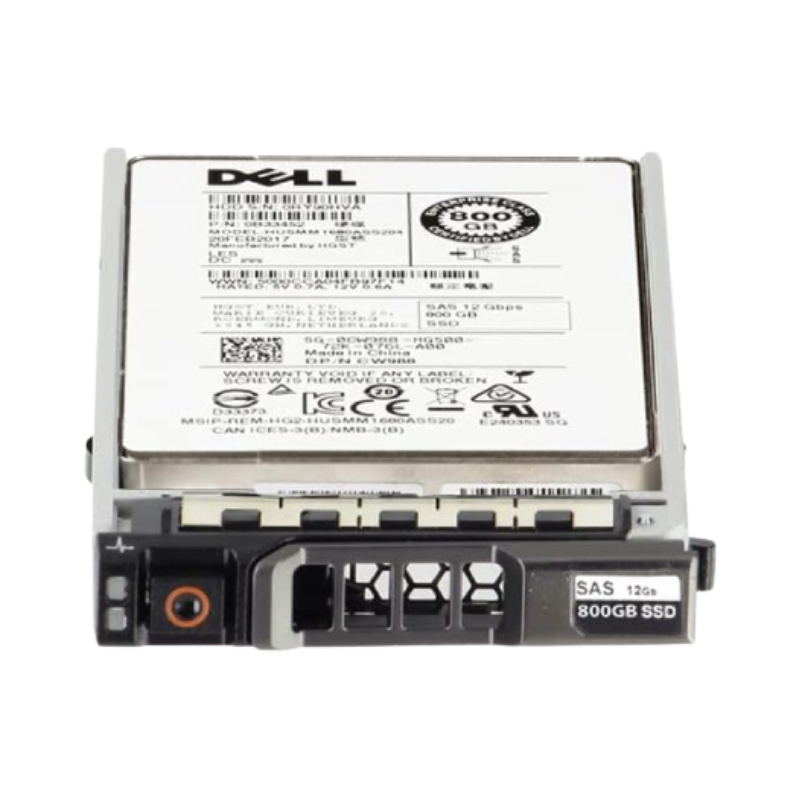


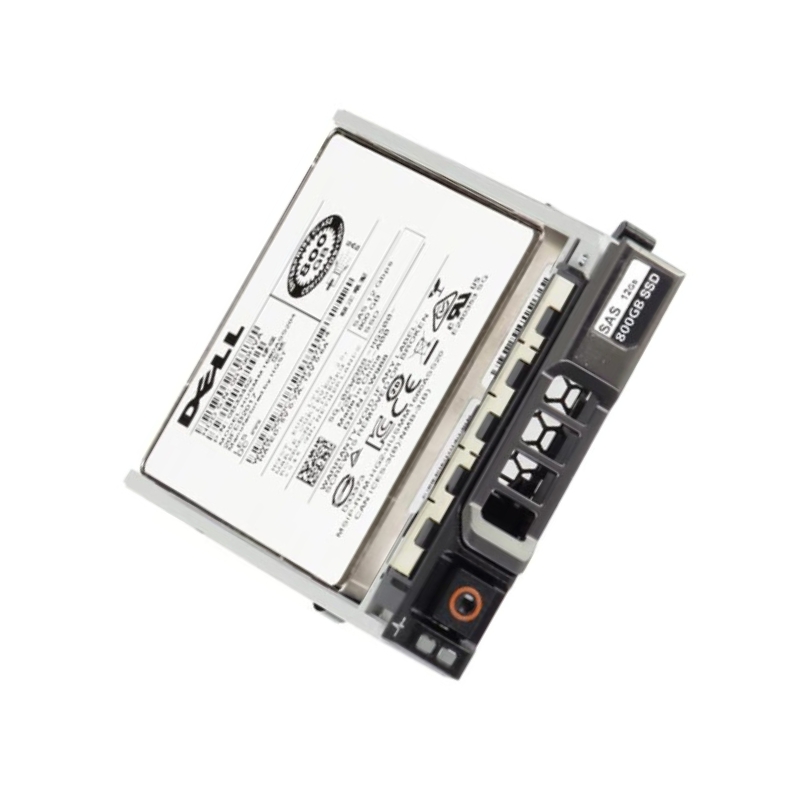
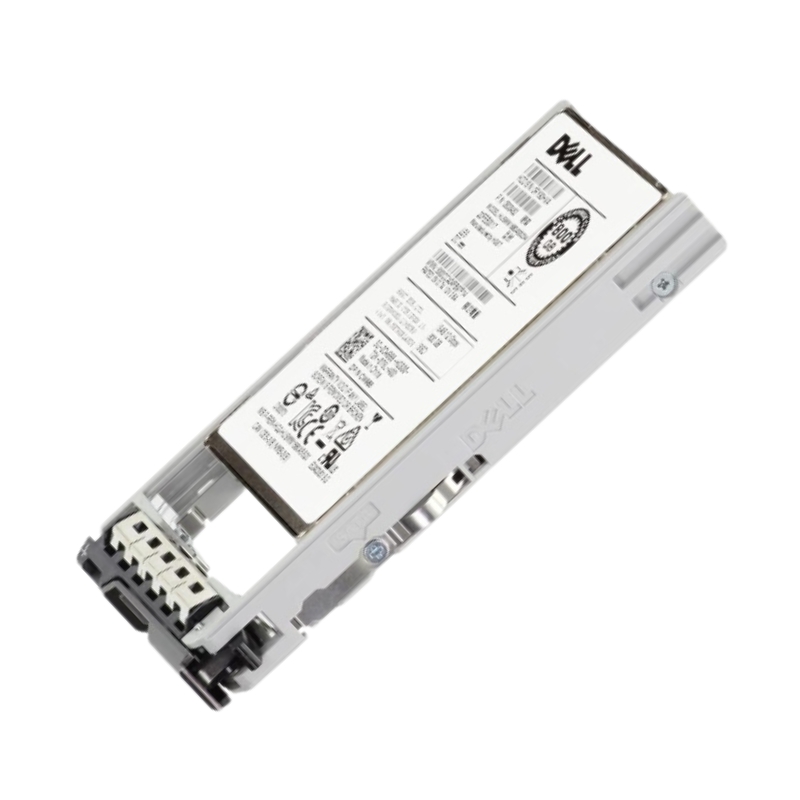
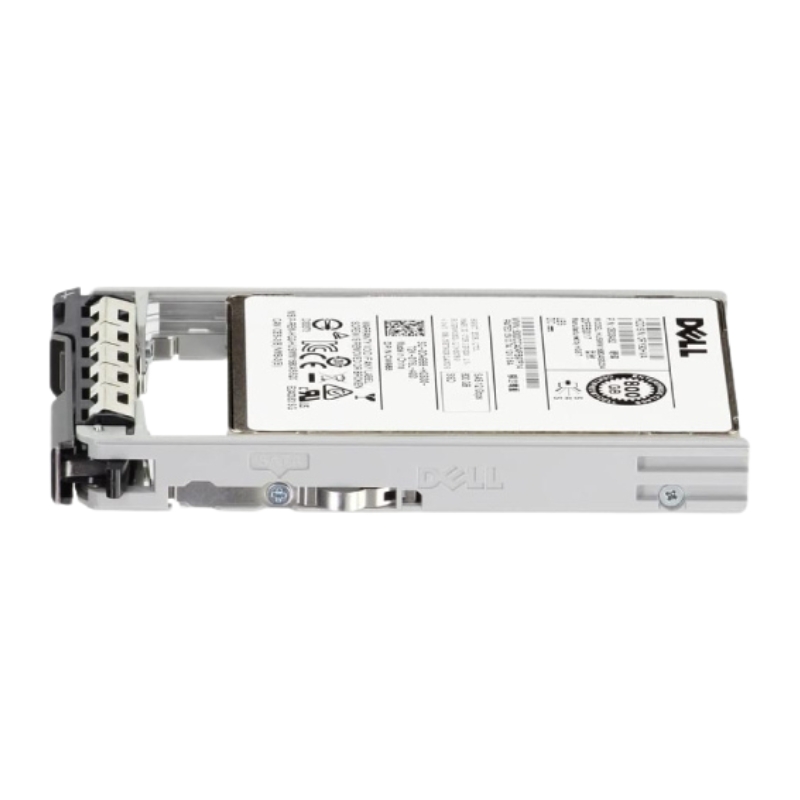
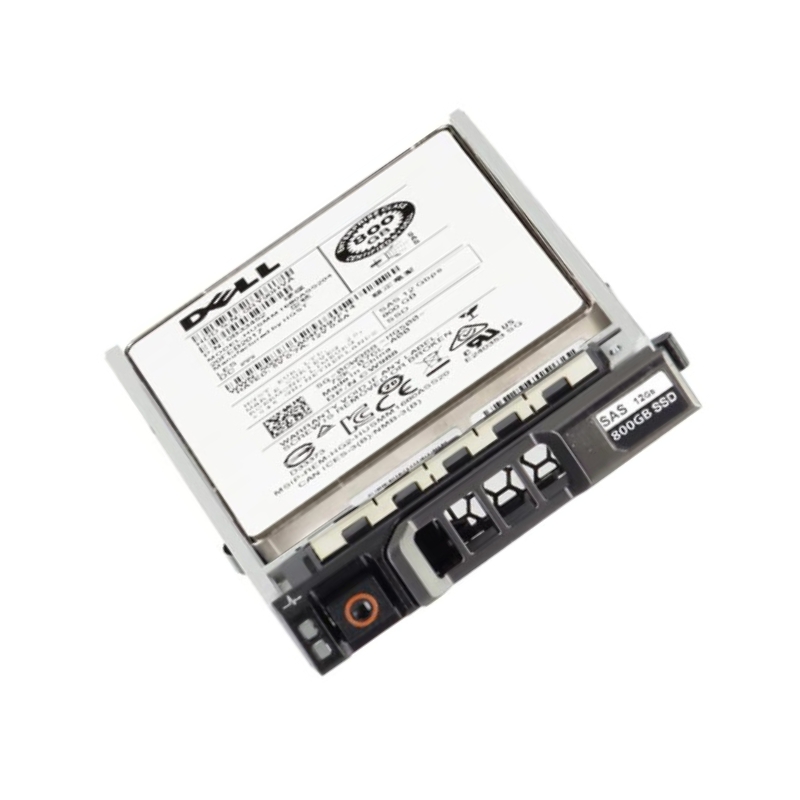
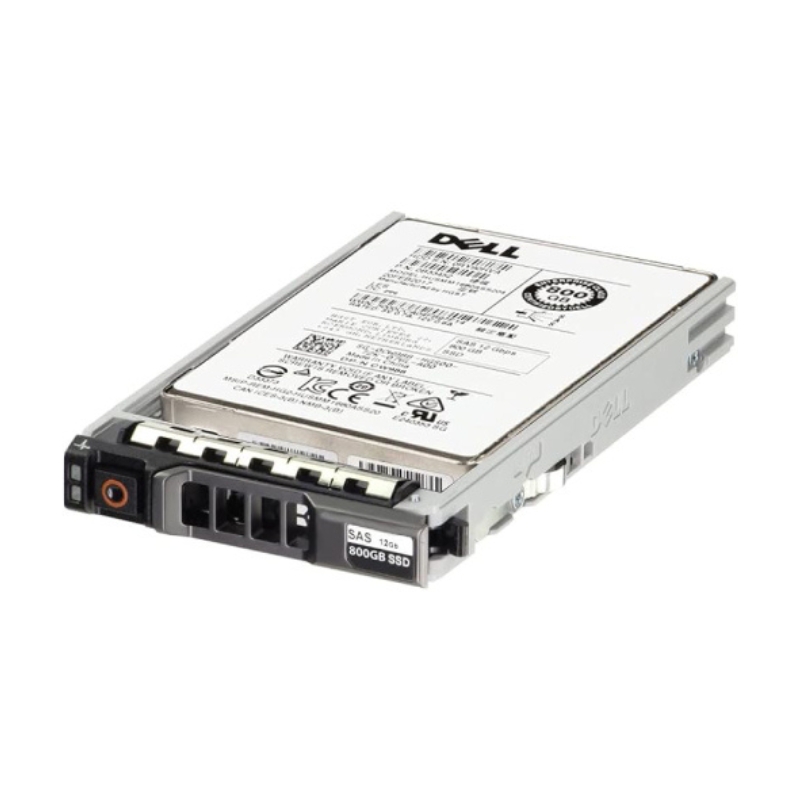
Dell JTKH5 800GB PM6 Mixed Use TLC SAS 12GBPS 512e Hot Plug SSD. Excellent Refurbished with 1 year replacement warranty
| SKU/MPN | Warranty | Price | Condition | You save |
|---|---|---|---|---|
| JTKH5 | 1 Year Warranty | $1,225.00 | New Sealed in Box (NIB) | You save: $428.75 (26%) |
| JTKH5 | 1 Year Warranty | $285.00 | Excellent Refurbished | You save: $99.75 (26%) |
Product Overview
The Dell 800GB SAS 12Gbps Mixed Use TLC SSD delivers exceptional reliability, fast data transfer speeds, and enterprise-grade durability. Designed for Dell EMC PowerEdge servers (14G, 15G, and 16G), this 2.5-inch SFF solid-state drive ensures stable performance for mixed-use workloads, combining read-intensive and write-intensive operations with efficiency and consistency.
This Dell enterprise SSD is engineered for exceptional performance across various workloads, ensuring reliable throughput even under intensive operations.
Engineered with a SAS-3 interface, this drive integrates seamlessly with enterprise-grade storage infrastructures. The 2.5-inch hot-swap bay compatibility enables easy replacement and upgrades without system downtime.
This SSD supports a wide range of Dell PowerEdge servers, offering scalability and optimized storage efficiency for enterprise environments.
The JTKH5 Dell PM6 800GB 12 Gbps Mixed Use TLC SAS 512e Hot-Plug SSD is a high-performance enterprise-grade storage solution designed for demanding data center workloads, virtualization, and mixed read/write environments. As part of the Dell PM6 series, this 800 GB drive combines the endurance and reliability of TLC NAND flash in a 12 Gbps SAS interface, using the 512e sector format and supporting hot-plug functionality. In this category, you will find not only the JTKH5 800 GB variant but also related SKUs (e.g. 480 GB, 1.6 TB) and other PM6 mixed-use SAS SSDs. This category is focused on enterprise SAS SSDs optimized for mixed workloads, with a balance of write endurance, read efficiency, and data integrity features — ideal for virtualization, database operations, mail servers, hyperconverged environments, caching, and tiered storage use cases.
The Dell PM6 JTKH5 and its sibling models offer a compelling set of features tailored for enterprise storage environments:
In virtualization environments such as VMware, Hyper-V, or KVM, the JTKH5 Dell PM6 800 GB and its sibling variants are ideal for consolidating many virtual machines (VMs) with mixed IO profiles. Because the drive is designed for mixed read/write workloads, it can tolerate sudden peaks in write IO (for example, when VMs boot up or when snapshot operations are executed) while providing strong read performance for steady-state operation.
In hyperconverged systems, where compute and storage are integrated on the same nodes, the performance and endurance balance of PM6 series drives enables denser VM deployment, lower latency, and more predictable performance. Hot-plug support ensures that maintenance can be done without downtime, and dual-port SAS provides failover and redundancy in clustered environments.
For OLTP (Online Transaction Processing) databases or mixed read/write analytic databases, the ability to sustain moderate write activity while maintaining high read performance is essential. The PM6 series drives allow high concurrency with low latency, making them suitable for primary database tiers or as cache/storage tiers in hybrid architectures.
The advanced error correction and power-loss protection features enhance data resilience under heavy load or power events, safeguarding transaction consistency and durability.
In tiered storage architectures, high-performance SSDs like the PM6 series can act as a cache or “hot data” tier above slower media (e.g. NL-SAS or hard drives). The 800 GB capacity is large enough to hold a significant working set, and the mixed-use endurance allows frequent evictions and writes without undue wear.
In some designs, PM6 drives are used in front of slower media to absorb write bursts, promote smoother back-end writes, and serve random reads at low latency. The robustness of these drives makes them reliable building blocks in such caching layers, and their SAS interface allows integration in existing enterprise SAN or RAID systems.
Mail servers, collaboration platforms, and messaging environments often generate a mix of reads and writes — as new messages arrive, indexing and metadata writes occur, while historical emails are read. The mixed-use design of the PM6 series ensures the drive can handle both patterns. The 800 GB capacity supports significant mailbox volumes or transaction pools, and the dual SAS paths provide consistency and availability.
Keep firmware up to date — Dell and SSD vendors may release firmware to optimize performance, fix bugs, or improve compatibility. Always test firmware updates in a staging environment before rolling out to production.
Monitor SMART attributes, drive wear levels, read/write error counters, and latency metrics. Use vendor tools or enterprise monitoring suites to flag any drive anomalies early. Replace drives approaching projected endurance thresholds or displaying early signs of degradation.
Use aligned I/O to 512 B boundaries (since the drive uses 512e format). Misaligned I/O can result in additional overhead and reduced performance. Ensure partitioning and filesystem alignment are properly configured (many modern OS installers and logical volume managers handle this automatically).
Avoid unnecessary write amplification. Use sequential writes when possible, batch small writes, and reduce excessive background maintenance tasks (such as scrubs or over-frequent snapshots) that may produce random write storms.
The 800 GB JTKH5 provides more usable space and greater internal parallelism (more NAND channels active), which often translates to better sustained performance and endurance compared to lower-capacity siblings. For lighter workloads, a 400 GB variant may suffice, but scaling beyond its limits may lead to performance bottlenecks or endurance exhaustion faster.
The 800 GB SKU often delivers better cost-per-GB and longevity for mid-range workloads, making it a sweet spot in many enterprise SSD deployments.
Write-Intensive (WI) drives emphasize maximum durability, often with simpler or faster NAND, more over-provisioning, and higher cost per GB — ideal for logging, caching of writes, or streaming write workloads. Read-Optimized (RO) drives favor read throughput and maximize capacity, but have limited write endurance. The Mixed-Use (MU) class — including JTKH5 — strikes a balance between the two, making it suitable for general-purpose use where both reads and writes contribute significantly to workload.
If your workload is extremely write-heavy (e.g. heavy journaling, continuous logging, blockchain, write cache tiers), a WI variant in the PM6 family or another series may be preferable. Conversely, if writes are minimal (mostly archival or read-heavy workloads), RO models might offer cost advantages. But for typical server, virtualization, mail, and database loads, mixed-use is often the optimal compromise.
While NVMe / PCIe SSDs generally offer lower latency and higher throughput, SAS SSDs remain popular in many enterprise installations because they interface natively with existing SAS/SAN infrastructure, support dual-port redundancy, and provide familiarity with RAID controllers and multipath stacks. The PM6 series, including the JTKH5 model, is designed for SAS environments — offering reliability, manageability, and compatibility where NVMe might not yet be supported.
When evaluating SSD options, consider whether your infrastructure supports NVMe or whether maintaining SAS paths offers advantages in redundancy, management, and legacy compatibility. In many cases, the SAS route remains viable and robust in large-scale enterprise storage.
When replacing slower media, plan a staged migration. Begin by deploying the JTKH5 800 GB PM6 drive (or a pair) in caching or front-end roles, and gradually migrate hot data sets onto SSD tier. Monitor I/O patterns and evaluate hit ratios. Over time, adjust the ratio of SSD vs HDD to optimize cost and performance.
In hybrid arrays, use the PM6 drives to absorb bursts and scale down load on hard drives, while keeping the HDD tier for cold or archival data. Use tiering policies or manual data migration to shift hot blocks to SSDs, reducing latency and increasing throughput.
Distribute workloads evenly across SSDs to avoid “hot spots” and ensure effective wear leveling across the fleet. Balance data volumes and IO across ports, enclosures, and controllers. Use multipath or path balancing software to prevent path saturation. Monitor queue depths per path to ensure balanced utilization.
Use RAID levels designed for SSDs (such as RAID 10, RAID 6, or erasure coding) to protect against drive failures. Because SSDs fail differently than HDDs (e.g. silent wear-out), maintain regular scrub or consistency checks. In rebuilds, the high throughput of PM6 drives accelerates recoveries, but ensure the ambient performance of the system supports rebuild loads without impacting production I/O.
Maintain spare capacity (global hot spares) in the array. Use multipath configurations so that a single SAS path failure does not degrade performance significantly. Use alerts and proactive replacement policies to retire drives before failure.
Choose a capacity (e.g. 800 GB, 1.6 TB) that provides comfortable headroom beyond current data volumes and anticipated growth. Don’t overcommit; leave free space for over-provisioning, wear leveling, and peak I/O buffers.


 Contact Us
 Information
 Catalog
 Solid State Drives (SSD)
 Network Switches
 Hard Disk Drives
 HBA & Controllers
 PC & Servers
 PC & Server Memory
 CPU & Processors
 Network Routers
 Power Supplies
 Tape Drives & Libraries
 Network Devices
 Computer & Network Cables