(7% discount is applied at checkout)
Cart is empty
Your go-to destination for cutting-edge server products
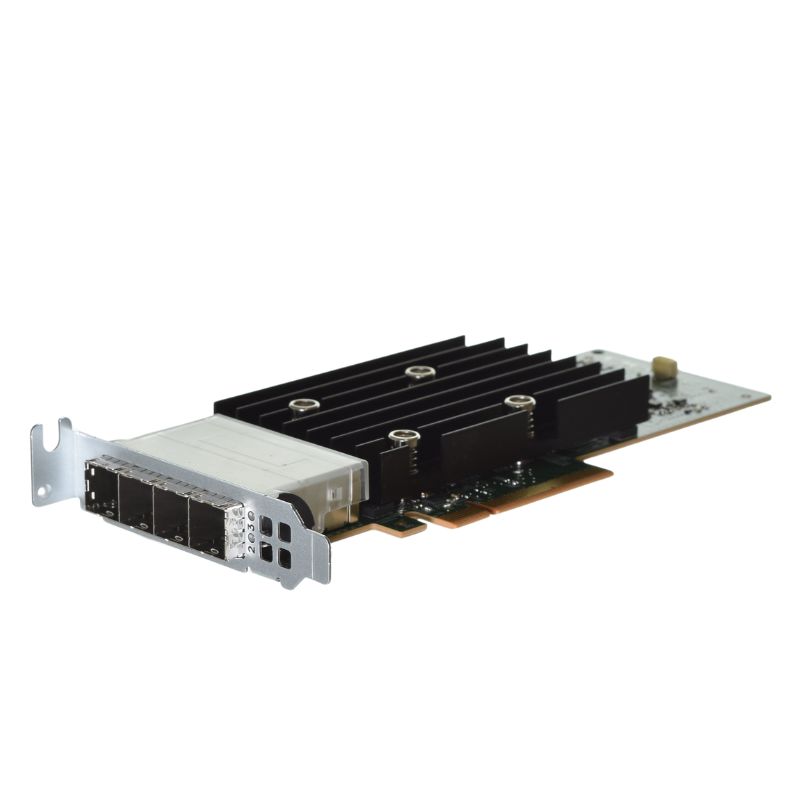


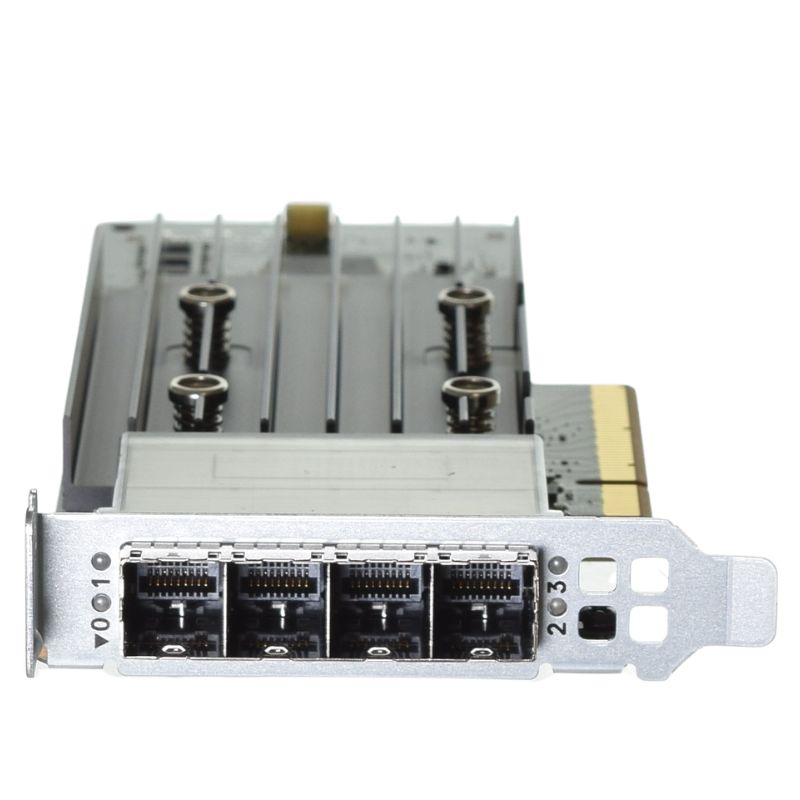
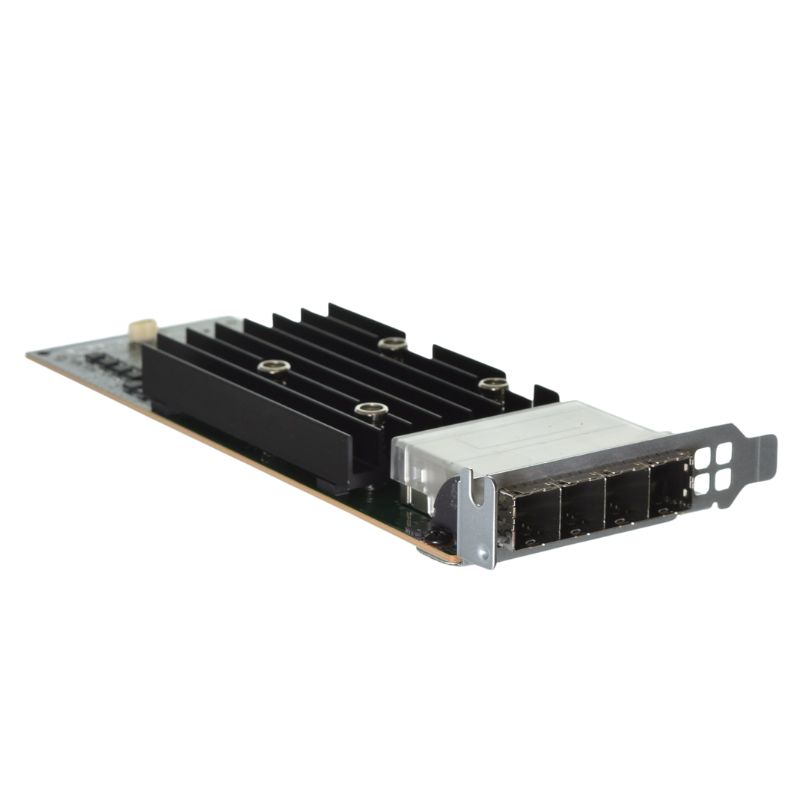
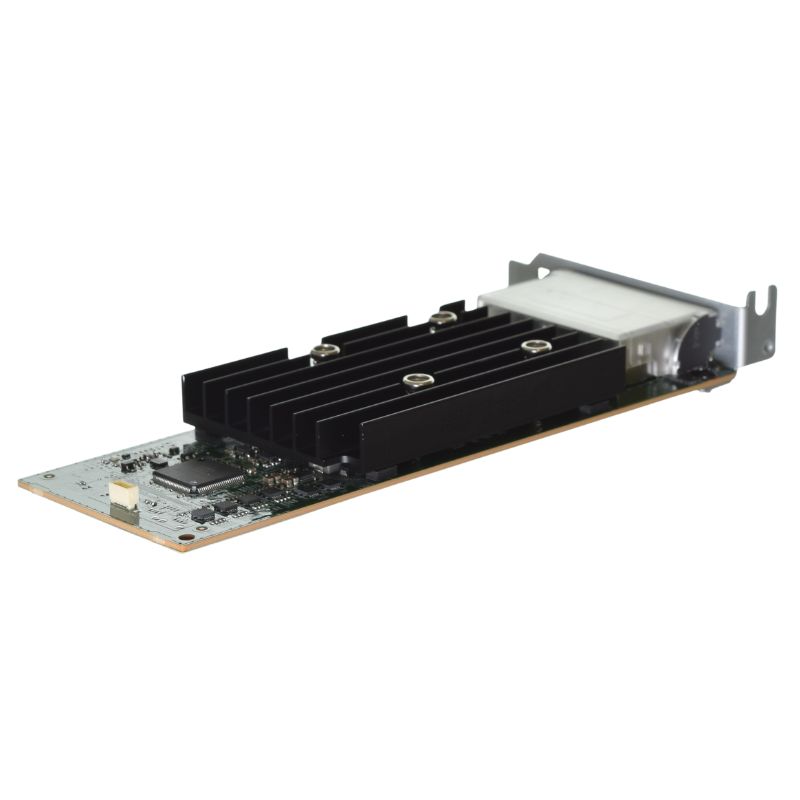
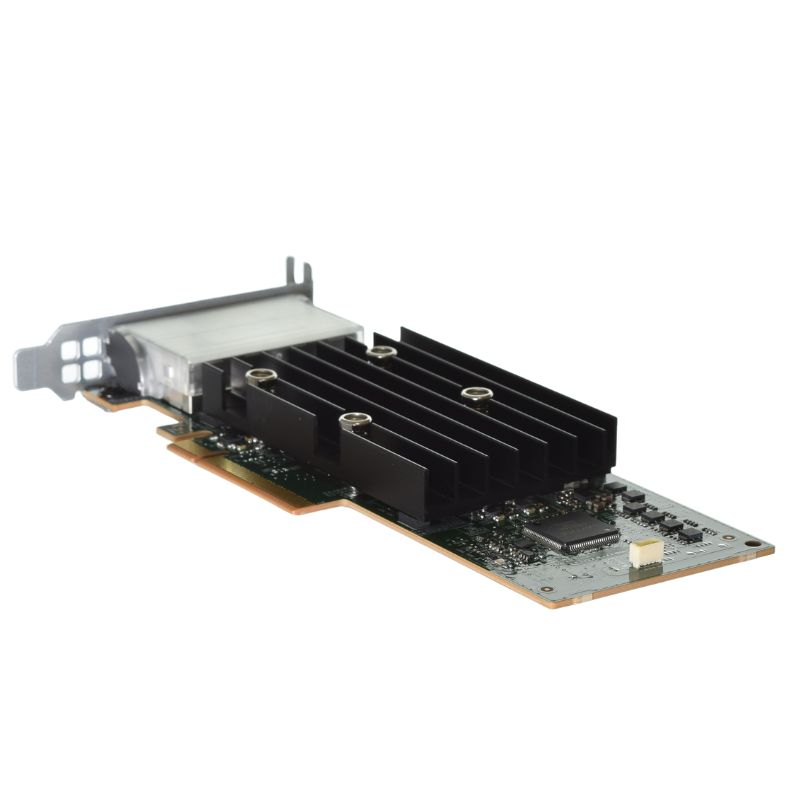
Dell M0NKH Hba355e 12GBPS Quad Ports External Host Bus Adapter Controller Low Profile. New (System) Pull with 1 year replacement warranty
The Dell M0NKH Hba355e is a high-performance external host bus adapter designed for reliable connectivity in enterprise environments. Built with advanced PCIe Gen 4.0 support and 12Gbps SAS interface, this adapter provides seamless data transfer for storage expansion and high-demand applications.
The Dell M0NKH HBA355e 12Gbps quad-port external host bus adapter represents a class of enterprise-grade storage connectivity solutions designed for modern data centers, virtualization environments, and high-performance storage arrays. This low profile adapter combines industry-standard 12Gbps SAS physical layer signaling with a robust firmware stack and proven silicon to deliver resilient, high-throughput connectivity between servers and external storage enclosures. As a category, these HBAs are optimized for use in SAN and DAS topologies, providing direct-attached and fabric-ready connectivity for high-density disk shelves, JBOD units, and external RAID enclosures. The HBA355e family targets organizations that require predictable I/O performance, multi-path resiliency, and enterprise-class manageability while retaining compatibility with a broad range of operating systems, RAID controllers, and storage vendors.
At the core of the category is 12Gbps SAS signaling, which effectively doubles the per-lane throughput of previous 6Gbps HBAs and provides a foundation for handling throughput-intensive workloads including database operations, virtual machine boot storms, backup windows, and large sequential file transfers. The quad external ports typically use SFF-8644 Mini-SAS HD connectors or equivalent interfaces, enabling simultaneous connectivity to multiple external storage enclosures. For administrators, this translates to both increased headroom for future expansion and superior aggregate I/O bandwidth compared to older adapter generations.
The low profile design of the Dell M0NKH HBA355e family supports a wide array of rack and blade servers where space is at a premium. Low profile HBAs are commonly used in dense rack configurations and in servers that prioritize additional expansion slots for networking or GPU cards. The compact physical dimensions do not compromise performance: the card still employs a full PCIe x8 or x4 host interface depending on the variant and system support. This ensures the adapter can be deployed across a heterogeneous fleet of Dell PowerEdge servers and many third-party servers, offering flexibility for phased refresh cycles or mixed-vendor environments.
These adapters are engineered to support a wide range of operating systems and hypervisors, including major enterprise Linux distributions, Microsoft Windows Server releases, VMware ESXi, and commonly used BSD variants. Manufacturer-signed drivers and open-source driver support ensure that the adapter performs reliably within different kernel and hypervisor stacks. Interoperability extends to popular storage arrays and JBOD enclosures, and the adapter usually adheres to SAS standards for device discovery, enclosure management, and link negotiation. For IT teams, this means less time troubleshooting driver mismatches and more predictable behavior out of the box.
Performance for the HBA355e category is driven by a combination of the physical 12Gbps link speed, the host interface (commonly PCIe Gen3 or better), and firmware-level optimizations that handle command queuing, interrupt moderation, and error recovery. These HBAs are tuned to reduce per-transaction latency and to efficiently handle high queue depths common in multi-threaded server workloads. In practice, this provides faster response times for latency-sensitive applications such as OLTP databases and virtual desktop infrastructure, while also supporting sustained throughput for backup and large file transfer operations.
A defining benefit of quad-port external HBAs is the ability to architect multi-path connectivity for redundancy and improved throughput. By connecting each external storage shelf using independent ports and enabling multi-pathing software such as DM-Multipath on Linux, Microsoft MPIO, or VMware Native Multipathing, organizations can achieve failover resiliency and load balancing. The HBA355e category supports robust SAS failover mechanisms and typically works seamlessly with storage fabric software to maintain continuous data access during link or enclosure failures.
Reliability is a central theme for enterprise HBAs. The firmware implemented on these adapters includes advanced error recovery routines, link recovery behavior to manage transient errors, and mechanisms to gracefully handle device timeouts. Firmware updates are periodically released to improve compatibility, close security gaps, and enhance performance. For administrators, it is important to maintain a lifecycle policy that incorporates firmware updates performed in planned maintenance windows to keep the adapters running with the latest stability improvements.
Management of Dell HBA adapters is facilitated through vendor-supplied utilities, operating system tooling, and common SNMP-based monitoring stacks. These tools provide diagnostics, health reporting, S.M.A.R.T. passthrough, link health metrics, and exposure of enclosure and expander status where applicable. The category emphasizes diagnostic transparency so that administrators can proactively detect degraded ports, link flapping, or enclosure errors before they compound into service-impacting incidents. In virtualized deployments, integration with hypervisor management consoles allows for consolidated visibility of adapter status alongside virtual machine inventories.
The Dell M0NKH HBA355e category is often used to connect servers to external RAID controllers or native JBOD enclosures. When paired with external RAID arrays, the HBA acts as the host-side pathway between server operating systems and the RAID controller or external cache module. In direct-attach JBOD scenarios, the HBA provides direct access to physical drives for host-based RAID or software-defined storage architectures. This flexibility allows organizations to mix hardware RAID with software-defined models depending on their redundancy, performance, and cost objectives.
One of the practical benefits of modern 12Gbps SAS HBAs is backward compatibility with 6Gbps SAS and SATA drives. This means that organizations can adopt newer adapters without having to immediately replace existing storage media, enabling smoother migrations and staged upgrade plans. During mixed-speed deployments, the adapter and expander hardware negotiate the highest mutually supported link speed for each attached device while maintaining full protocol compatibility for commands, enclosure management, and S.M.A.R.T. data retrieval.
In virtualized infrastructures, the HBA355e category provides the low-latency, high-throughput storage paths necessary to host dense virtual machine workloads on shared external storage. When used in conjunction with enterprise storage arrays or high-performance JBOD shelves, the adapter enables consolidation of multiple VM hosts onto shared storage resources, simplifying backup, replication, and mobility. The quad-port configuration further allows redundancy for live migration operations and reduces the risk of storage-related performance bottlenecks during peak workloads.
Databases and online analytics platforms require predictable IOPS and low latency. The 12Gbps throughput and firmware optimizations of this HBA category are well suited to feed high transactional workloads and to handle bursts generated by complex queries. For analytics jobs that involve large, sequential reads and writes, the high aggregate bandwidth achievable with multiple external ports can shorten job windows and improve overall system responsiveness.
Backup systems frequently move large volumes of data between servers and external storage. The quad-port external HBA enables parallel connections to backup target arrays, increasing the throughput available to backup windows and deduplication appliances. For archival workloads, the adapter provides a straightforward path to connect to dense disk shelves or tape libraries—facilitating long-term retention strategies and off-site replication.


 Contact Us
 Information
 Catalog
 Solid State Drives (SSD)
 Network Switches
 Hard Disk Drives
 HBA & Controllers
 PC & Servers
 PC & Server Memory
 CPU & Processors
 Network Routers
 Power Supplies
 Tape Drives & Libraries
 Network Devices
 Computer & Network Cables