(7% discount is applied at checkout)
Cart is empty
Your go-to destination for cutting-edge server products
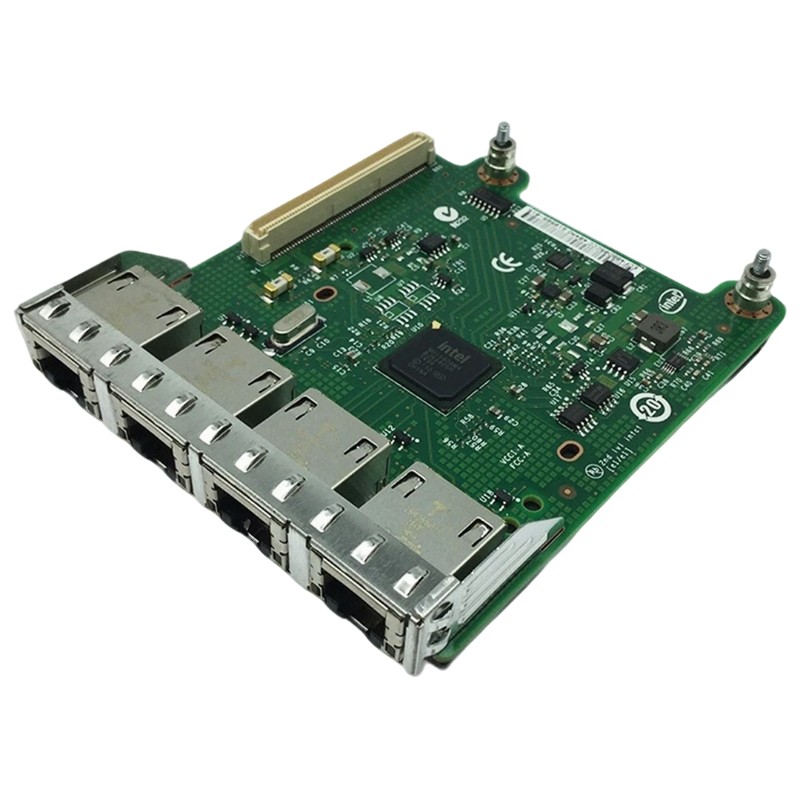


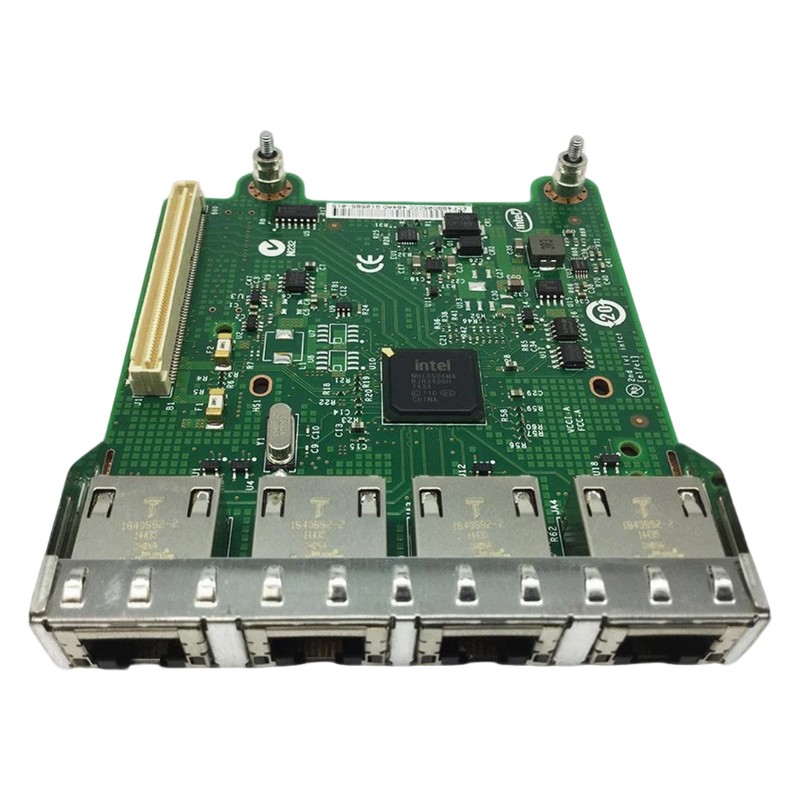
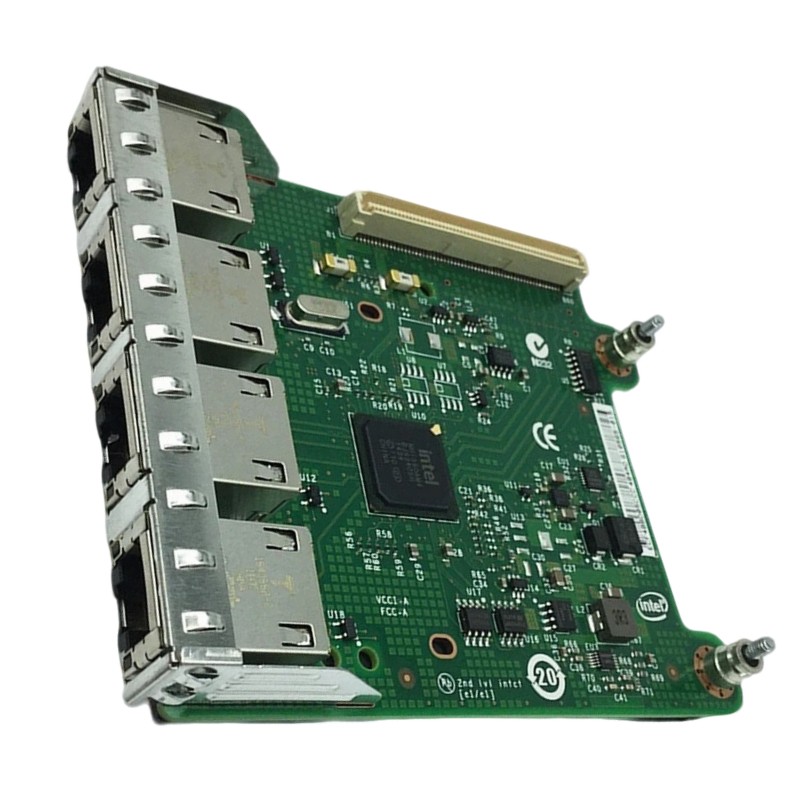
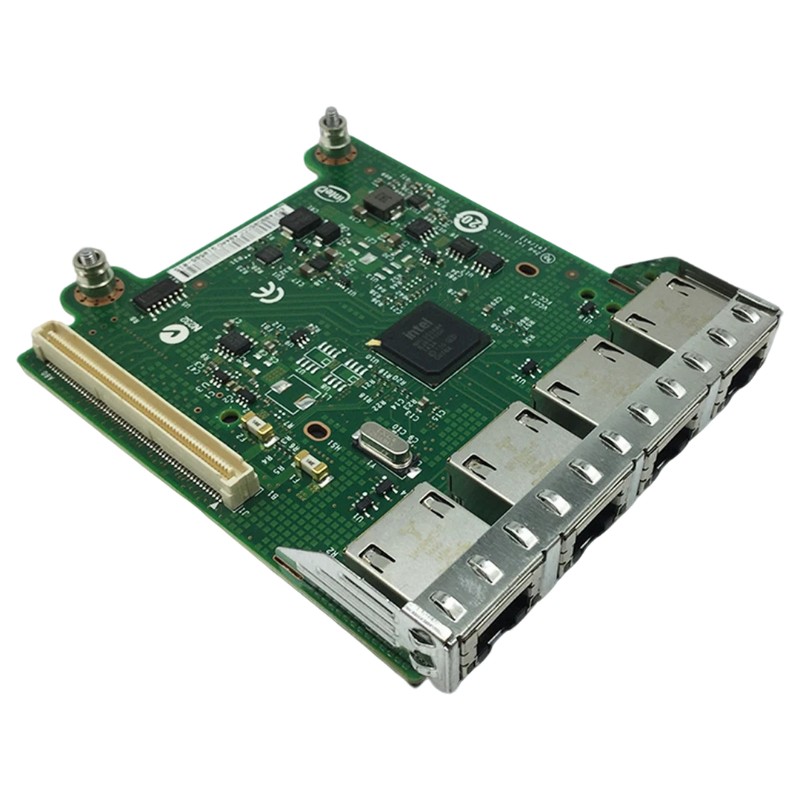
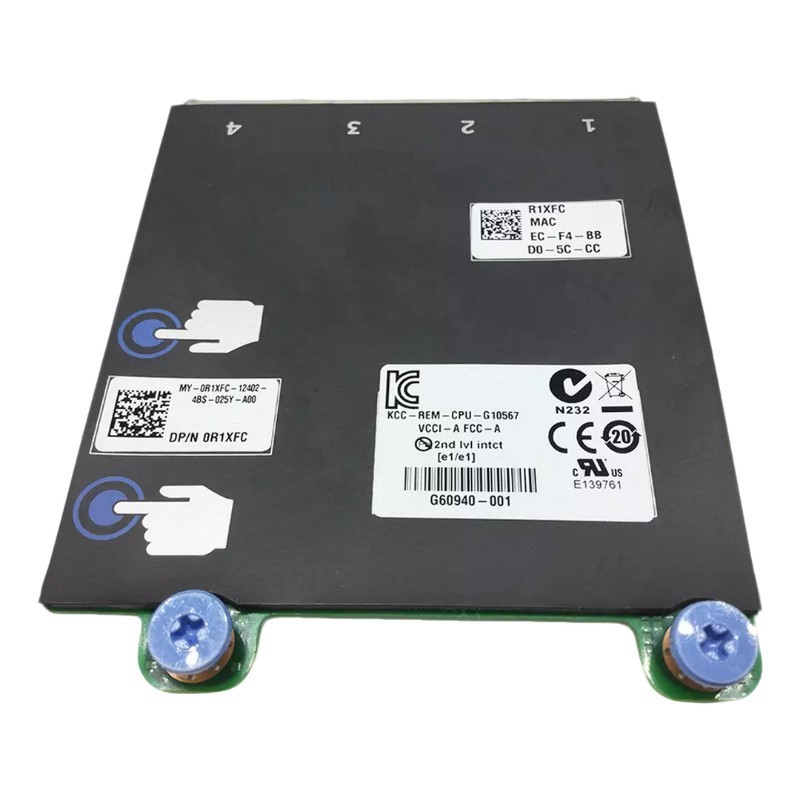
Dell 430-4402 4 Port 1 GBPS Mezzanine Card. Excellent Refurbished with 1 year replacement warranty
The Dell 430-4402 4-Port 1Gbps Mezzanine Card is a reliable and efficient expansion module designed to enhance server connectivity and overall network performance. Built for enterprise-grade environments, this mezzanine card delivers stable Gigabit Ethernet performance and supports scalable data center infrastructures. It is engineered to meet the demanding requirements of modern IT workloads, virtualization, and cloud computing systems.
Organizations rely on this mezzanine card to maintain smooth internal networking operations. It enhances communication between applications, servers, and storage systems.
The Dell 430-4402 4 Port 1 Gbps Mezzanine Card represents a specialized networking expansion solution designed for enterprise-grade blade server environments where scalable, high-performance, and compact networking capabilities are essential. This category encompasses advanced mezzanine network interface cards engineered to integrate seamlessly into Dell blade server architectures, enabling efficient data transmission, improved system throughput, and enhanced network redundancy within data center ecosystems. As organizations continue to demand higher bandwidth, lower latency, and more flexible server networking configurations, this class of mezzanine cards plays a critical role in optimizing infrastructure performance without increasing physical rack space requirements.
Within modern enterprise computing infrastructures, blade servers are widely adopted due to their density, modularity, and efficient power utilization. The Dell 430-4402 4-port 1 Gbps mezzanine card category is specifically designed to operate within this architecture, connecting directly to blade server systems through dedicated mezzanine slots. These slots provide direct communication pathways between the server’s internal components and the networking fabric, eliminating unnecessary cabling complexity and improving signal integrity.
The integration of a mezzanine card into a blade server environment enhances network flexibility by allowing administrators to scale connectivity based on workload demands. In environments where virtualization, cloud computing, and distributed applications are heavily deployed, the ability to maintain stable and consistent network performance becomes essential. This category of network cards ensures that each server blade can operate with multiple dedicated gigabit connections, enabling load balancing and failover capabilities.
The design philosophy behind mezzanine networking components such as the Dell 430-4402 4 Port 1 Gbps card is rooted in compact engineering and high-density connectivity. Unlike traditional PCIe network adapters that occupy full expansion slots, mezzanine cards are embedded directly into the server blade system, allowing for a more streamlined hardware layout. This approach reduces airflow obstruction within chassis units, contributing to improved thermal management and overall system efficiency.
The mezzanine architecture also ensures that network interfaces are closely aligned with the server’s internal bus system. This reduces latency in data transfer and increases communication efficiency between CPU, memory, and network pathways. As a result, workloads that require rapid data exchange, such as virtualization clusters, database management systems, and cloud-hosted applications, benefit significantly from this design structure.
The Dell 430-4402 category is characterized by its quad-port gigabit Ethernet configuration, providing four independent 1 Gbps connections within a single mezzanine module. This multi-port architecture allows for simultaneous data streams, improving throughput and enabling advanced network segmentation strategies within enterprise environments. Each port operates independently, ensuring that traffic distribution can be optimized according to workload priority and network policies.
In data center operations, bandwidth efficiency is a fundamental requirement for maintaining application performance and service availability. The 4-port design allows administrators to distribute traffic loads across multiple channels, preventing congestion and ensuring consistent data delivery. This is particularly beneficial in virtualization environments where multiple virtual machines rely on shared physical networking resources.
By leveraging multiple gigabit connections, the system can support parallel data transmission streams, effectively increasing aggregate throughput beyond the limitations of a single network interface. This architecture also supports redundancy configurations, ensuring that if one port experiences a failure or degradation, the remaining ports continue to maintain network connectivity without interruption.
Low latency is a critical requirement in enterprise computing environments where real-time data processing is essential. The Dell 430-4402 mezzanine card category is optimized to minimize transmission delays by reducing the number of intermediate components between the server processor and the network interface. This direct communication pathway significantly enhances response times for mission-critical applications.
Applications such as financial transaction processing, cloud orchestration systems, and high-performance computing clusters benefit from this low-latency design. The ability to transfer data quickly and efficiently ensures that systems remain responsive even under heavy network loads, supporting continuous operational performance in demanding environments.
The Dell 430-4402 4 Port 1 Gbps mezzanine card category is engineered specifically for compatibility with Dell blade server platforms, ensuring seamless integration into existing enterprise infrastructures. This tight integration allows organizations to expand network capabilities without requiring extensive hardware modifications or system redesigns.
Deployment of mezzanine networking modules within Dell blade systems is designed to be efficient and standardized. The card fits into designated mezzanine slots within compatible blade chassis, allowing IT administrators to quickly upgrade or replace network components as needed. This modularity reduces downtime during maintenance and enhances system scalability.
In large-scale deployments, standardized hardware configurations simplify network management and reduce operational complexity. The Dell ecosystem ensures that firmware, drivers, and system management tools are fully aligned with the hardware architecture, providing consistent performance across multiple server nodes.
Scalability is a defining feature of mezzanine-based networking solutions. As enterprise workloads grow, organizations can expand their networking capabilities by adding additional mezzanine modules or upgrading existing ones. The 4-port 1 Gbps configuration provides a balance between performance and cost efficiency, making it suitable for medium to large-scale deployments.
This scalability extends to cloud computing environments where dynamic resource allocation is essential. Virtualized environments can benefit from flexible network configurations that adapt to changing workloads without requiring physical infrastructure changes.
The Dell 430-4402 mezzanine card category supports advanced network management features that allow administrators to control traffic flow, prioritize applications, and optimize overall network performance. These capabilities are essential in environments where multiple services compete for limited bandwidth resources.
Traffic segmentation enables organizations to divide network resources into logical channels, ensuring that critical applications receive priority access to bandwidth. The quad-port configuration supports the creation of multiple virtual networks, allowing administrators to isolate workloads based on security requirements, performance needs, or organizational structure.
This segmentation is particularly useful in multi-tenant environments where different departments or clients share the same physical infrastructure. By isolating traffic streams, organizations can improve security, reduce interference, and maintain consistent performance across all services.
Redundancy is a key component of enterprise network reliability. The 4-port architecture of the Dell 430-4402 category enables failover configurations that ensure continuous network availability even in the event of hardware failure. If one or more ports become unavailable, traffic can be automatically rerouted through active connections, minimizing downtime and maintaining service continuity.
This failover capability is critical in mission-critical environments such as healthcare systems, financial institutions, and cloud service providers, where uninterrupted network access is essential for operational stability.
The mezzanine form factor of the Dell 430-4402 4 Port 1 Gbps card contributes significantly to improved thermal efficiency within blade server environments. By integrating directly into the server chassis, the card reduces the need for external cabling and minimizes airflow disruption, allowing for more efficient cooling system performance.
Compact engineering plays a vital role in modern data center design, where space optimization directly impacts operational costs. The mezzanine architecture allows multiple networking interfaces to coexist within a single blade server without occupying additional rack space. This high-density design supports greater compute capacity within the same physical footprint.
In addition, reduced cabling complexity lowers the risk of airflow obstruction, ensuring that cooling systems operate at peak efficiency. This contributes to lower energy consumption and improved hardware longevity.
Energy efficiency is a critical factor in enterprise IT infrastructure planning. The Dell 430-4402 category supports optimized power consumption through efficient hardware design and reduced signal transmission overhead. By minimizing unnecessary power usage, organizations can achieve lower operational costs while maintaining high performance standards.
Efficient power distribution within blade systems ensures that network components operate within optimal thermal and electrical ranges, reducing the likelihood of overheating and hardware degradation over time.
The Dell 430-4402 4 Port 1 Gbps mezzanine card category is widely applicable across various enterprise environments, including virtualization clusters, cloud hosting platforms, database systems, and application delivery networks. Its versatility makes it a foundational component in modern IT infrastructure.
Virtualized environments rely heavily on efficient network communication between virtual machines and physical hosts. The quad-port configuration enables high-throughput connectivity that supports dense virtual machine deployments without network bottlenecks. This is particularly important in private cloud environments where resource allocation must be dynamically managed.
Database systems require consistent and low-latency network performance to ensure accurate and timely data processing. The Dell 430-4402 category supports these requirements by providing stable gigabit connectivity across multiple channels, ensuring that database queries and transactions are executed efficiently.
High availability systems depend on continuous network connectivity and rapid failover mechanisms. The mezzanine card architecture supports redundant network paths that maintain system uptime even under adverse conditions. This ensures that critical services remain accessible at all times, supporting business continuity strategies in enterprise organizations.


 Contact Us
 Information
 Catalog
 Solid State Drives (SSD)
 Network Switches
 Hard Disk Drives
 HBA & Controllers
 PC & Servers
 PC & Server Memory
 CPU & Processors
 Network Routers
 Power Supplies
 Tape Drives & Libraries
 Network Devices
 Computer & Network Cables