(7% discount is applied at checkout)
Cart is empty
Your go-to destination for cutting-edge server products
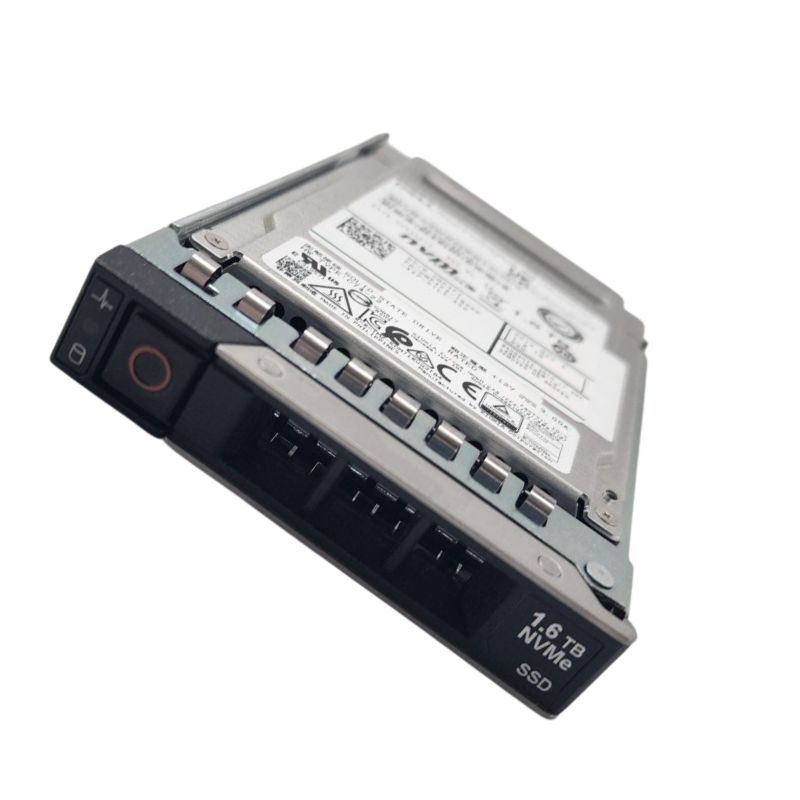


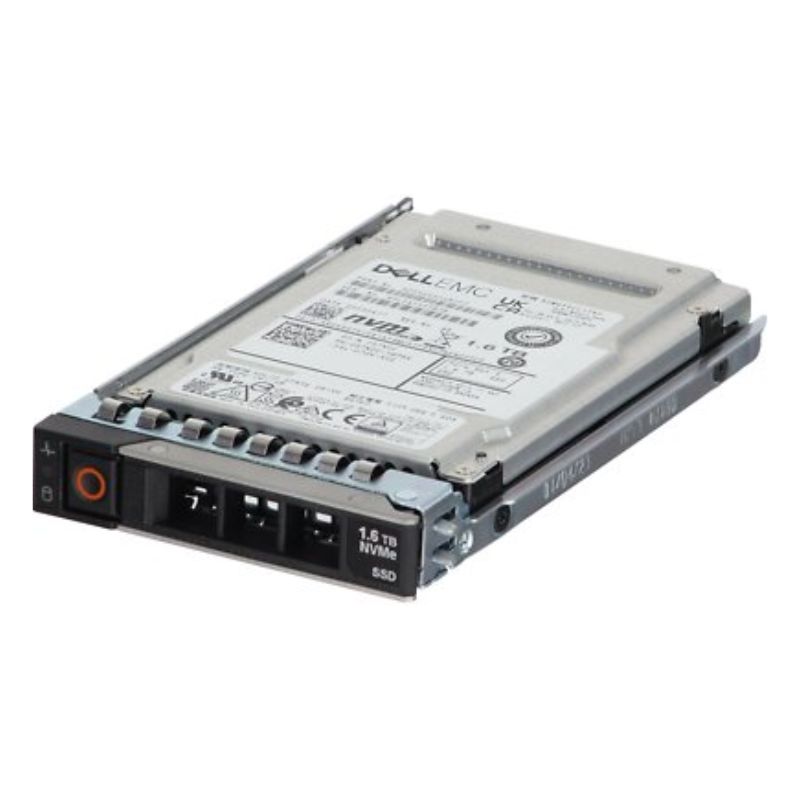
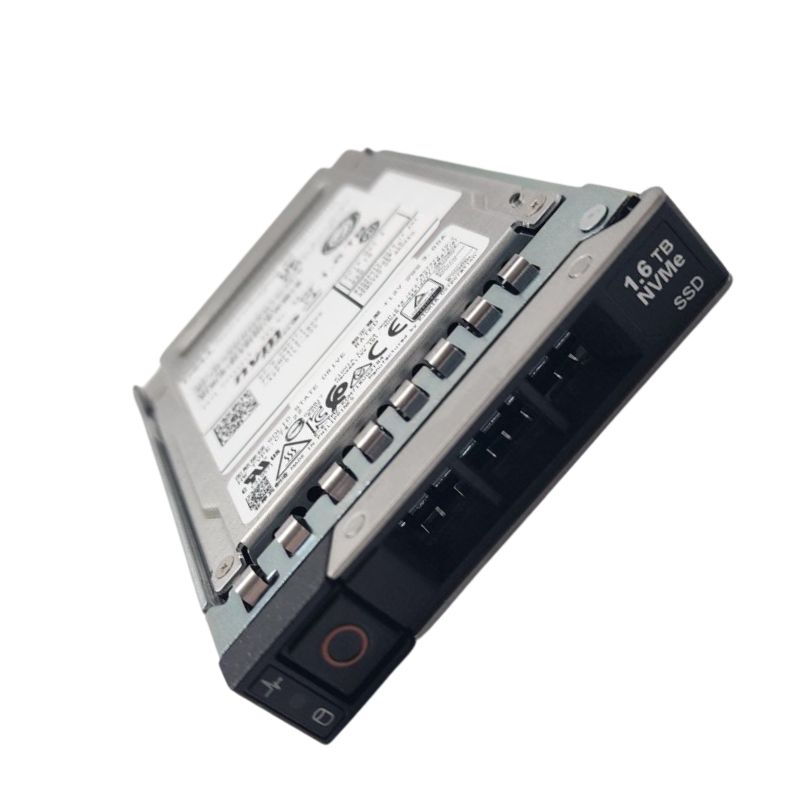
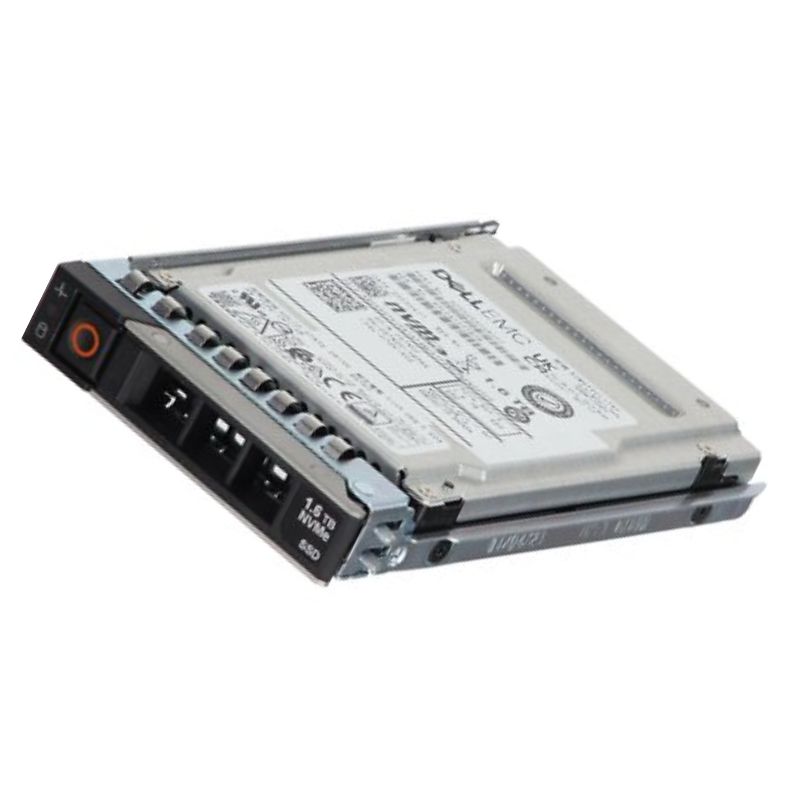
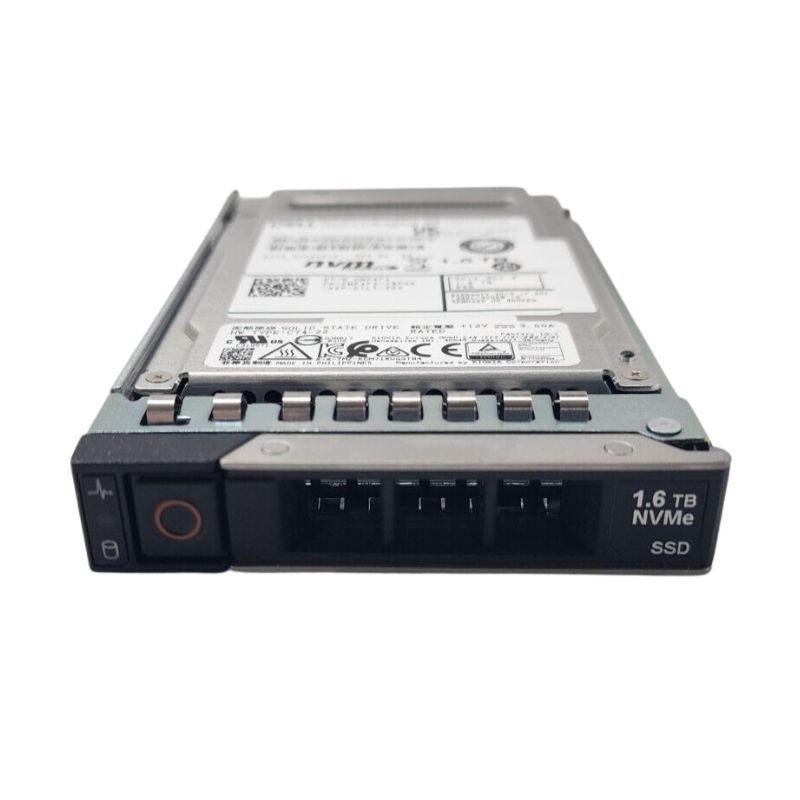
Dell MP4F2 1.6TB NVMe U.2 2.5Inch PCIe Gen4 Mixed Use 3 Dwpd SSD. Excellent Refurbished with 1 year replacement warranty
| SKU/MPN | Warranty | Price | Condition | You save |
|---|---|---|---|---|
| MP4F2 | 1 Year Warranty | $617.00 | Excellent Refurbished | You save: $215.95 (26%) |
| MP4F2 | 1 Year Warranty | $712.00 | New Sealed in Box (NIB) | You save: $249.20 (26%) |
The Dell MP4F2 1.6TB PCIe Gen4 x4 NVMe SSD redefines efficiency and speed for 14G PowerEdge servers. Designed for demanding mixed-use environments, this drive delivers a powerful combination of high throughput, low latency, and endurance—perfect for data-intensive applications, virtualization, and enterprise workloads.
The Dell MP4F2 SSD leverages the PCIe Gen4 x4 interface with NVMe protocol to maximize bandwidth and minimize bottlenecks, making it ideal for modern data centers and cloud systems. Its 2.5-inch U.2 form factor allows smooth integration into existing infrastructure, maintaining compatibility with Dell’s 14th Generation PowerEdge servers.
This SSD is engineered for mixed-use endurance, making it suitable for workloads that require a balance of read and write operations. It ensures consistent performance across a variety of enterprise tasks such as data analytics, online transaction processing (OLTP), and high-performance computing.
To maintain data reliability, Dell integrates advanced error correction, wear-leveling, and end-to-end data protection technologies. These ensure consistent performance and minimize the risk of data loss under heavy workloads.
The Dell MP4F2 means investing in speed, endurance, and enterprise-grade reliability. Its PCIe Gen4 NVMe interface provides up to double the performance of previous generations, making it the go-to solution for businesses that demand efficiency and dependability from their storage infrastructure.
The drive’s high DWPD rating and significant TBW capacity make it a trusted option for data centers running continuous workloads. Designed to perform under stress, it can sustain constant read/write operations without compromising on speed or stability.
The Dell MP4F2 SSD is tailored for IT environments that require a blend of high capacity, strong endurance, and ultra-fast data processing. It’s suitable for a range of professional settings, from virtualization to database management.
The DELL MP4F2 1.6TB PCIe Gen4 x4 NVMe 2.5-inch U.2 Mixed Use TLC Solid State Drive is a high-performance enterprise SSD designed for 14G PowerEdge servers and other U.2-compatible platforms. This category covers enterprise-class NVMe drives built for mixed workloads — combining high throughput, low latency, and sustained write endurance. The drives target data center, virtualization, database, and general-purpose storage tiers where predictable performance, reliability, and manageability matter.
Drives in this category share a blend of hardware and firmware features that optimize them for mixed-use server duties:
Endurance is expressed in drive writes per day (DWPD) or terabytes written (TBW) over the warranty period. Mixed-use SSDs typically aim for a compromise between high endurance (data-center write-intensive drives) and lower-cost read-optimized drives. The 1.6TB MP4F2 is sized to handle regular rewrite cycles of databases, virtual machines, and general server logs without premature wear.
Enterprise U.2 SSDs often include power-loss protection capacitors and firmware mechanisms to protect in-flight data during unexpected power failures. Additionally:
Drives in this tier are validated for high mean time between failures (MTBF) and subjected to thermal, vibration, and compatibility tests typical for 24/7 data center operations. When purchasing, look for published MTBF figures and vendor qualification lists for PowerEdge 14G chassis models.
The U.2 2.5-inch form factor (SFF-8639) is a common enterprise interface on modern servers. The MP4F2 is built to plug into U.2 bays and backplanes with support for NVMe routing over PCIe lanes. 14G PowerEdge server families often have dedicated U.2 drive bays or carriers that accept this drive without modification.
Dell-qualified drives integrate with iDRAC and OMSA for monitoring, firmware updates, and predictive alerts. This ensures:
One major advantage of U.2 enterprise drives is hot-swap capability. In 14G PowerEdge servers:
Mixed-use NVMe SSDs excel in virtualized environments where both reads and writes are frequent. Use these drives for:
Databases often exhibit mixed random reads and writes with stringent latency expectations. The MP4F2 is suitable for:
Application servers serving large numbers of concurrent users benefit from NVMe’s concurrency. Use this drive for:
While heavy sequential SSDs or NVMe U.3/PCIe-AIC solutions may be chosen for bulk scratch space, the mixed-use U.2 drive offers a balanced option for smaller post-production and rendering appliances that require both write capacity and consistent read performance.
For best performance:
When configuring RAID:
NVMe drives in dense server environments generate heat. Best practices include:
A 1.6TB drive is a mid-capacity option. Evaluate:
Compare DWPD (Drive Writes Per Day), TBW, and warranty length. For mixed-use workloads, prioritize drives with balanced TBW and multi-year warranties to minimize long-term replacement costs.
Confirm the specific PowerEdge 14G model and its backplane or riser configuration accepts U.2 NVMe devices and that Dell’s HBA/RAID firmware supports NVMe passthrough or hardware-accelerated RAID with NVMe devices.
Enterprise purchases should include support SLAs and the option for advanced replacement. Dell-qualified drives often include streamlined RMA processes and coordinated support with server warranty contracts.
TLC (Triple-Level Cell) NAND stores three bits per cell, which reduces cost per GB vs. MLC/QLC trade-offs:
If U.2 Gen4 NVMe is not available or optimal, consider:
Total cost includes purchase price, expected replacements based on TBW, power consumption, cooling needs, and support. Mixed-use TLC SSDs are typically positioned as cost-efficient when compared to high-endurance SSDs while providing adequate reliability for most enterprise applications.
Deploying mixed-use U.2 NVMe for hypervisor boot and local VM swap/cache layers can drastically reduce host boot time, improve VM startup concurrency, and lower I/O collisions compared to SAS HDD tiers. Organizations running multi-tenant virtualization stacks often see improved VM density per host with balanced NVMe configurations.
Placing small database indexes and transaction logs on NVMe mixed-use drives reduces query tail latency and improves commit times. The reduced latency results in better end-user responsiveness for interactive applications.
For write-heavy transactional systems, consider enterprise endurance (E) series SSDs or drives with higher DWPD ratings, accepting the higher cost for extended lifespan.
For bulk capacity where random writes are infrequent, QLC-based NVMe or SATA SSD tiers paired with NVMe cache nodes can deliver significant savings while maintaining performance for hot data.
Some data centers evaluate computational storage (offloading specific compute tasks to the SSD) or drives with advanced telemetry for specialized workflows. These are niche and may require distinct software support.
Refresh category content quarterly or whenever Dell publishes new PowerEdge server generations or firmware advisories. Add fresh case studies, performance benchmarks, and customer testimonials to improve relevance and signal topical freshness to search engines.


 Contact Us
 Information
 Catalog
 Solid State Drives (SSD)
 Network Switches
 Hard Disk Drives
 HBA & Controllers
 PC & Servers
 PC & Server Memory
 CPU & Processors
 Network Routers
 Power Supplies
 Tape Drives & Libraries
 Network Devices
 Computer & Network Cables