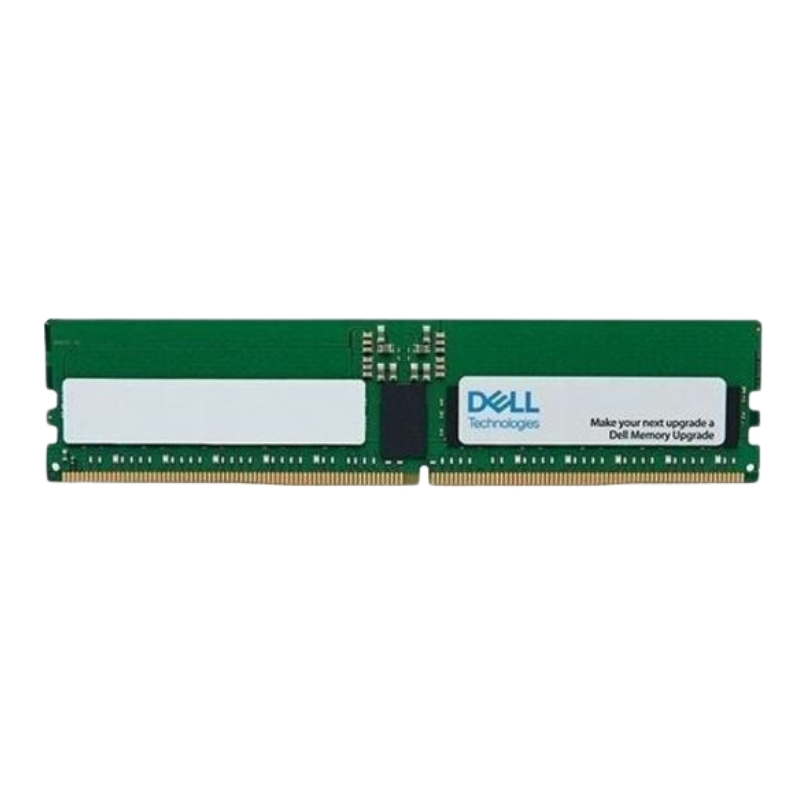
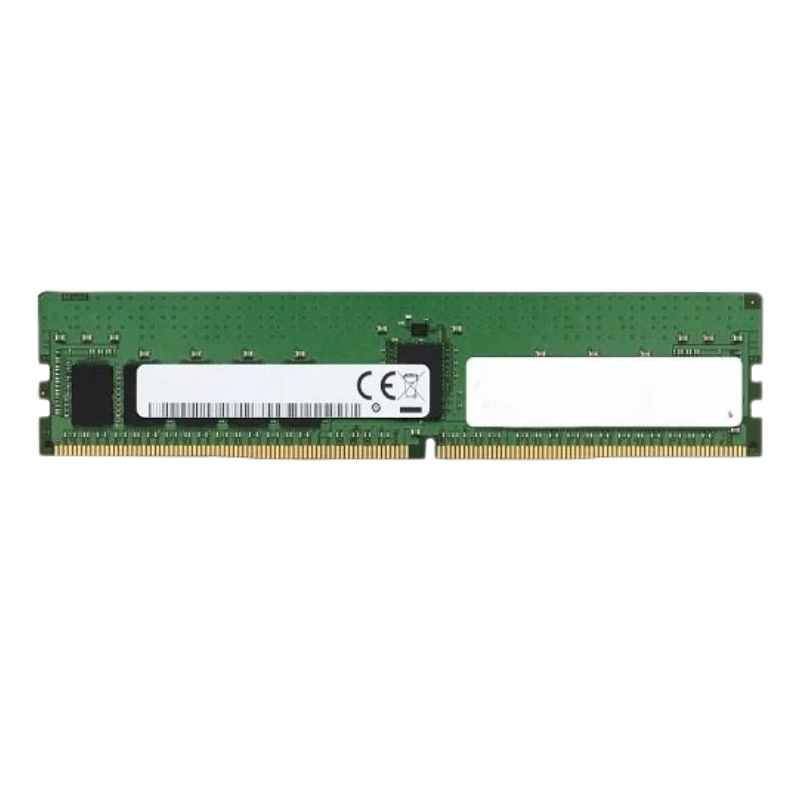
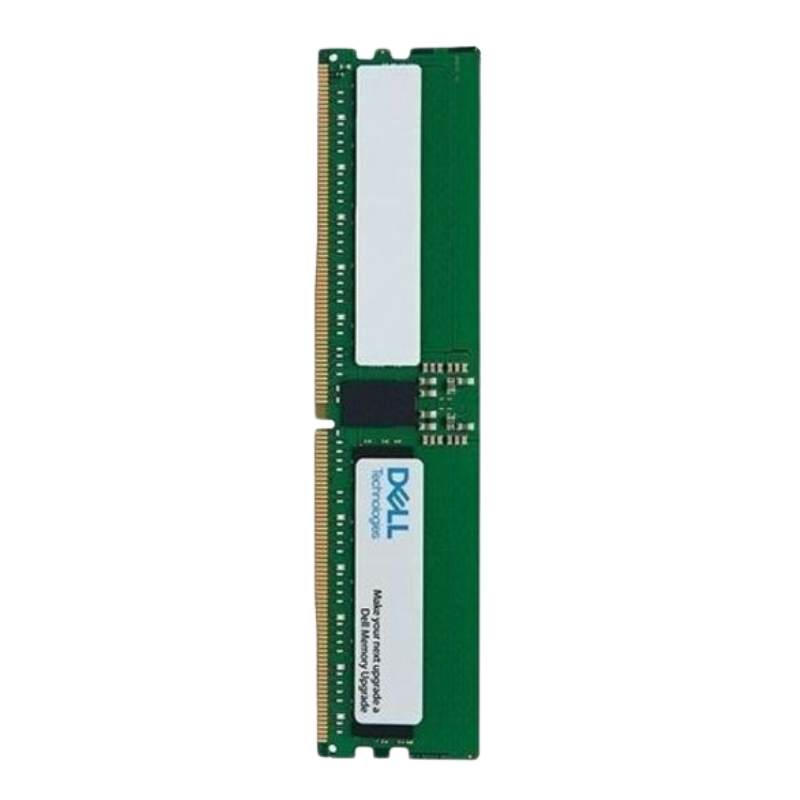
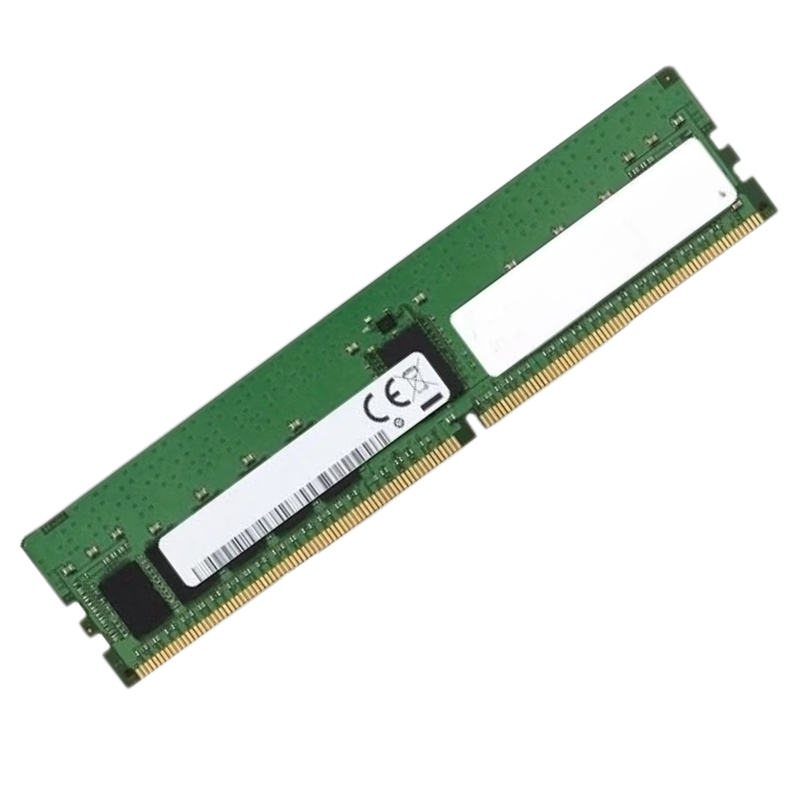
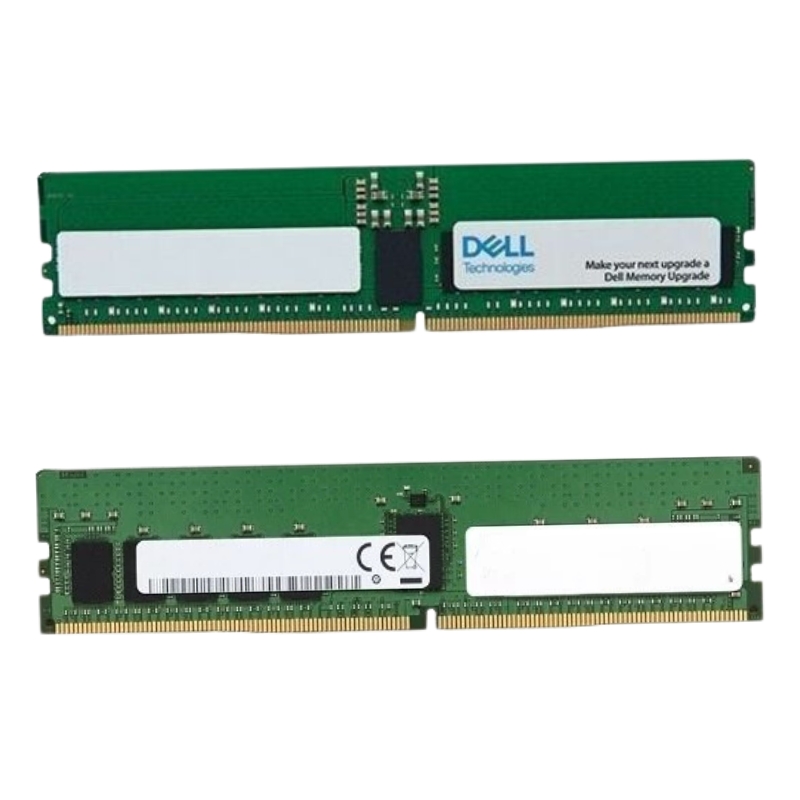
Dell N3X5H 32GB Pc5-44800 DDR5 ECC Registered 288-pin Memory Module.
- — Free Ground Shipping
- — Min. 6-month Replacement Warranty
- — Genuine/Authentic Products
- — Easy Return and Exchange
- — Different Payment Methods
- — Best Price
- — We Guarantee Price Matching
- — Tax-Exempt Facilities
- — 24/7 Live Chat, Phone Support
- — Visa, MasterCard, Discover, and Amex
- — JCB, Diners Club, UnionPay
- — PayPal, ACH/Bank Transfer (11% Off)
- — Apple Pay, Amazon Pay, Google Pay
- — Buy Now, Pay Later - Affirm, Afterpay
- — GOV/EDU/Institutions PO's Accepted
- — Invoices
- — Deliver Anywhere
- — Express Delivery in the USA and Worldwide
- — Ship to -APO -FPO
- — For USA - Free Ground Shipping
- — Worldwide - from $30
Dell N3X5H 32GB DDR5 RDIMM (PC5-44800)
The Dell N3X5H 32GB (1x32GB) DDR5 5600MT/s memory module is a server-grade, error-correcting DIMM engineered for enterprise-class systems. This registered RDIMM delivers dependable data integrity, higher memory density, and accelerated throughput for virtualization, databases, and mission-critical workloads.
Quick Reference — At A Glance
- Manufacturer: Dell
- Part Number: N3X5H
- Product: 32GB DDR5 RDIMM (1x32GB)
- Speed: DDR5-5600 / PC5-44800
- Latency: CL46
- Error Correction: ECC Registered
- Pins: 288-pin RDIMM
Key Benefits & Advantages
- Reliable Data Protection: Built-in ECC (error-correcting code) prevents single-bit memory errors and improves system uptime.
- Optimized Server Performance: High-frequency 5600MT/s (PC5-44800) speed reduces latency and boosts application responsiveness.
- Scalable Memory Capacity: 32GB module allows easy capacity expansion for dense memory configurations and heavy multi-tasking.
- Registered (Buffered) Design: RDIMM architecture stabilizes signal integrity across multi-module configurations in server environments.
- Energy Efficient: Low-voltage 1.1V operation reduces power draw compared with older generations, helping data center efficiency.
Detailed Technical Specifications
Memory & Performance
- Capacity: 32GB (single module)
- Memory Type: DDR5 SDRAM
- Module Count: 1 × 32GB
- Speed: 5600 MT/s (DDR5-5600) / PC5-44800
- CAS Latency: CL46 — tuned for high-speed transaction workloads
- Rank: 1R x4 (single-rank, x4 organization)
Reliability & Signal
- Error Correction: ECC (Error Correcting Code) for automatic detection and correction of memory errors
- Buffering: Registered/Buffered (RDIMM) signal path for improved stability in multi-module arrays
Form Factor & Physical Details
- Pin Configuration: 288-pin RDIMM standard for modern server motherboards
- Operating Voltage: 1.1V (power-efficient DDR5 design)
- Shipping Size: 1.00" (height) × 6.75" (depth)
- Shipping Weight: 0.20 lb
Compatibility & Use Cases
This memory module is engineered for Dell server platforms and other compatible enterprise-class motherboards that support DDR5 RDIMM modules. Ideal deployment scenarios include:
- Virtualized infrastructures and hypervisor hosts
- High-density database servers and in-memory analytics
- Cloud and edge compute nodes requiring consistent latency
- Workload-heavy application servers and transactional systems
Compatibility Tips
- Verify motherboard/BIOS firmware supports DDR5 RDIMM and 5600MT/s frequency.
- For multi-module configurations, follow the system vendor’s memory population guidelines to ensure optimal channel interleaving.
- Match module rank and speed when populating multiple DIMMs to avoid downclocking or stability issues.
Dell N3X5H 32GB PC5-44800 DDR5
The Dell N3X5H 32GB PC5-44800 DDR5 5600MT/s ECC Registered RDIMM memory module is a high-performance, enterprise-grade server memory solution engineered for modern data centers, virtualization platforms, cloud infrastructure, and mission-critical servers. This category covers the Dell-branded 32GB DDR5 registered DIMMs (RDIMMs) designed to deliver enhanced throughput, lower latency, and robust error correction compared with legacy memory technologies. In this description we explore the technical specifications, architecture, compatibility, deployment scenarios, optimization strategies, and purchasing guidance for system administrators, IT buyers, and integrators who require reliable, scalable memory for production environments.
Key Technical Characteristics
Dell N3X5H modules fall into the PC5-44800 class (5600MT/s) of DDR5 memory and incorporate Error-Correcting Code (ECC) and registered buffering to increase system stability and reliability at scale. These modules are manufactured to strict server-class tolerances and undergo rigorous validation for compatibility with Dell PowerEdge servers and other leading enterprise platforms that accept RDIMM form factors.
Core specifications
- Density: 32GB per module, single-rank or 1Rx4 organization depending on part revision
- Memory Type: DDR5 SDRAM (Double Data Rate 5)
- Speed / Bandwidth: 5600MT/s nominal (PC5-44800), delivering up to 44.8 GB/s theoretical per module channel throughput when matched to a compatible memory bus
- Form Factor: 288-pin RDIMM (Registered DIMM) for 1.1V nominal DDR5 operation
- ECC: On-module ECC with server-grade error detection and correction
- Buffered / Registered: Registered address/command buffer to offload load from the memory controller in multi-module configurations
- Voltage and Power: Standard DDR5 operating voltages with on-module PMIC (Power Management IC) in many DDR5 RDIMM implementations
- JEDEC compliance: Manufactured to meet JEDEC standards for DDR5 where applicable
Design attributes that matter
Several design elements differentiate server RDIMMs like the Dell N3X5H from consumer memory:
- Registered buffering: Reduces electrical load on the memory controller enabling higher module counts and improved signal integrity in multi-socket servers.
- ECC capability: Detects and corrects single-bit errors and flags multi-bit errors, significantly reducing the risk of data corruption or silent data errors in long-running workloads.
- Thermal resilience: Components, PCB design, and thermal profiles tuned for continuous 24/7 server operation under heavy multi-threaded loads.
- Validated compatibility: Part numbers such as N3X5H commonly appear on server OEM compatibility lists which simplifies procurement and reduces integration friction.
Performance and Throughput Considerations
DDR5-5600 memory brings meaningful performance improvements over DDR4 generations, particularly in multi-core, memory-bound workloads. The higher data rate (5600MT/s) increases peak bandwidth per channel and supports modern server CPUs that can exploit higher-frequency memory. However, real-world gains depend on workload characteristics, memory channel population, and system configuration.
Workloads that benefit most
- Virtualization: Large virtual machine (VM) densities require high aggregate memory bandwidth and strict error protection to maintain uptime.
- In-memory databases: Databases like Redis, Memcached, or in-memory OLTP/analytics rely heavily on low-latency, high-bandwidth memory.
- High-performance computing (HPC): Scientific simulations and parallel compute tasks that move large data sets through memory.
- Large-scale caching and content delivery: Memory-intensive caching layers where throughput affects response time and QPS (queries per second).
Factors that affect throughput
Achieving expected gains requires attention to several architectural factors:
- Memory channel balance: Populate channels evenly to avoid channel bottlenecks—server motherboards often specify preferred DIMM population order.
- Matched speed across modules: Mixing modules of different speeds or ranks can force the memory controller to lower bus frequency to the slowest module's capability.
- BIOS/firmware tuning: Platform firmware settings for memory speed, XMP/JEDEC profiles, and ECC options influence achievable timings and stability.
- CPU and chipset limits: Processor memory controllers and platform interconnects have maximum supported speeds and capacity per channel.
Compatibility and Server Support
The Dell N3X5H is typically validated for compatibility with specific Dell PowerEdge server models and may also be compatible with other OEM servers that support DDR5 RDIMM. When planning a memory upgrade or new deployment, verify the following:
Compatibility checklist
- Confirm server model and BIOS revision support for DDR5-5600 RDIMM modules.
- Check the maximum supported memory per DIMM slot and per socket to avoid over-provisioning.
- Ensure the platform supports registered (RDIMM) modules rather than unbuffered UDIMMs or LRDIMMs, as mixing types is not supported.
- Review Dell's official compatibility matrix or support documentation for part number N3X5H to ensure validated pairing with your CPU family and server chassis.
Common server platforms and scenarios
While Dell PowerEdge remains the primary compatible platform, many enterprise-grade server motherboards from other vendors that expose DDR5 RDIMM sockets can support this module provided firmware permits it. Typical scenarios include:
- Single-socket and dual-socket rack servers used in virtualization clusters.
- Blade servers with supported memory profiles and registered DIMM slots.
- Storage controllers and database appliance nodes requiring ECC-protected memory.
Reliability, ECC, and Data Integrity
ECC (Error-Correcting Code) is central to the value proposition of server memory like the Dell N3X5H. ECC logic detects single-bit errors and corrects them transparently, and can detect (though not always correct) multi-bit errors, thereby protecting data integrity and reducing silent data corruption risks. Registered buffering further stabilizes operation in dense memory configurations.
Mean Time Between Failures (MTBF) and validation
Server-grade modules are built to higher quality standards and frequently tested under accelerated stress conditions. While vendor MTBF figures vary, RDIMM modules like N3X5H are intended for continuous operation in enterprise racks and are backed by manufacturer reliability processes. For mission-critical deployments, pairing ECC RDIMMs with redundant hardware and proactive monitoring is best practice.
Scalability and Upgrade Paths
One reason organizations choose registered DDR5 RDIMMs is the ability to scale memory capacity without compromising stability. RDIMMs allow higher module counts per channel and per socket than unbuffered alternatives, making them suitable for incremental upgrades and high-capacity server builds.
Scaling strategies
- Start with balanced channel population: Deploy a baseline configuration that fully populates one module per channel and then expand by adding matched modules across channels.
- Upgrade in matched increments: When increasing capacity, add identical or validated module sets to maintain symmetrical channel performance.
- Plan for future CPU/platform changes: Verify that future server CPU families you may adopt will continue to support DDR5 RDIMM speeds and densities.
Capacity planning considerations
When designing server memory configurations, consider total system memory required by peak workloads, headroom for growth, and limits imposed by the motherboard and CPU. Document expected lifetime requirements and aim for a reserve capacity to reduce the frequency of disruptive upgrades.
Energy Efficiency and Thermal Management
DDR5 introduces improved power efficiency features compared to previous generations, including on-module power management which can reduce peak power draw per DIMM. Still, dense RDIMM deployments increase heat generation inside server chassis, and proper airflow and temperature monitoring remain essential.
Thermal best practices
- Maintain recommended ambient temperatures within the data center.
- Ensure unobstructed airflow across DIMM banks and avoid mixing aftermarket heat spreaders that may interfere with chassis cooling.
- Monitor module temperatures when available using platform management tools (e.g., iDRAC, IPMI) and set alerts for abnormal readings.
Procurement Guidance and Cost Considerations
Buying server memory requires balancing cost, warranty, compatibility, and support. OEM-branded parts like the Dell N3X5H often command a premium but include validation, vendor warranty and easier support with Dell systems. Third-party memory vendors may offer competitive pricing but require careful verification of compatibility and return policies.
Buying checklist
- Verify the exact server model and firmware revision before purchasing.
- Confirm whether you need OEM-branded modules for on-site vendor support coverage.
- Compare warranty lengths and RMA processes between OEM and third-party sellers.
- Buy in matched sets or certified kits for large-scale rollouts to reduce troubleshooting overhead.
ROI and total cost of ownership
Consider the total cost of ownership (TCO) including initial purchase price, potential downtime costs for incompatibility, energy costs for denser configurations, and the benefits of improved performance and reduced error rates. Investing in validated ECC RDIMMs can lower risk and operational expense by minimizing unexpected failures and simplifying vendor support interactions.
Use Cases and Deployment Examples
Dell N3X5H 32GB RDIMMs are well-suited for a broad spectrum of enterprise scenarios. Below are representative deployment examples that illustrate where these modules deliver value.

Virtualized server farms
- High VM density per host—each VM benefits from more addressable and reliable memory.
- ECC protects guest memory from corruption and improves uptime for critical multi-tenant services.
Database servers and analytics
- In-memory caches and columnar stores that require fast random access and high sustained bandwidth.
- Large in-memory working sets for OLAP and real-time analytics.
Edge compute and telco infrastructure
- Reliability and ECC are essential for distributed edge nodes running nearline services and low-latency workloads.
- Compact, scalable server designs benefit from RDIMM support for higher density.
Recommended monitoring checklist
- Enable and collect ECC event logs to identify modules that exhibit intermittent errors.
- Automate alerting for repeated corrected errors—these can indicate a failing DIMM even if single-bit errors are corrected automatically.
- Periodically review BIOS memory training logs after firmware updates to ensure stable operation at intended speeds.