
(7% discount is applied at checkout)
Cart is empty
Your go-to destination for cutting-edge server products
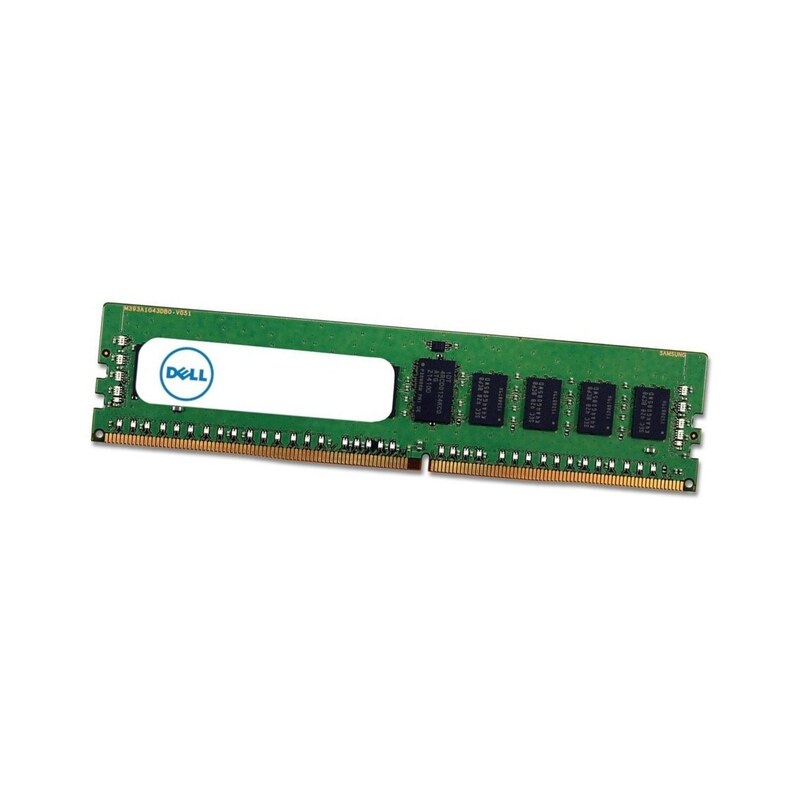
Dell 7FKKK 32GB PC4-19200 Ecc DDR4 2400mhz SDRAM 288-Pin Reg Ram. New (System) Pull with 1 year replacement warranty - Samsung Version
| SKU/MPN | Warranty | Price | Condition | You save |
|---|---|---|---|---|
| 7FKKK | 1 Year Warranty | $470.00 | New (System) Pull | You save: $164.50 (26%) |
| 7FKKK | 1 Year Warranty | $495.00 | Factory-Sealed New in Original Box (FSB) | You save: $173.25 (26%) |
The Dell 7FKKK 32GB PC4-19200 ECC DDR4 2400MHz SDRAM 288-Pin Registered RAM is a high-performance memory solution designed for reliability and speed. This advanced module enhances computing efficiency and ensures stable multitasking for enterprise and professional systems.
Dell 7FKKK 32GB PC4-19200 ECC DDR4 2400MHz RAM
The core technical identity of this module can be expressed through a set of familiar attributes: 32 gigabytes capacity per module, DDR4 generation memory standard, PC4-19200 bandwidth rating which corresponds to 2400MT/s (commonly referred to as 2400MHz), ECC error correction capability, registered/buffered design for improved signal integrity across many memory channels, and the 288-pin DIMM form factor that fits modern server motherboards. These attributes together define where and how the module should be used. Capacity and bandwidth define raw throughput and addressable memory. ECC ensures single-bit errors are detected and corrected on the fly, minimizing the risk of data corruption. Registered memory reduces electrical load on the memory controller, enabling large memory arrays and improved stability in configurations with many modules populated across multiple channels and sockets.
The term PC4-19200 identifies the module's theoretical peak bandwidth expressed in megabytes per second when operating at DDR4-2400 speeds. This bandwidth figure is derived from the memory bus speed and the data rate characteristic of DDR memory; it is useful when comparing across modules and calculating expected throughput for memory-bound workloads. In practice real-world memory throughput depends on CPU memory controller design, server platform, channel population, and the nature of the workload. Systems that heavily rely on large in-memory data sets, such as caching layers, analytics engines, and in-memory databases, benefit from the steady bandwidth offered by PC4-19200 modules, especially when paired with processors that support multi-channel memory architectures.
ECC memory provides a layer of protection against silent data corruption by detecting and correcting certain classes of memory errors as they occur. This is crucial in environments where data integrity is mandatory. Registered memory modules introduce a register between the DRAM chips and the memory controller. The register reduces the electrical load on the memory bus by buffering address and command signals. The result is greater signal integrity in systems with high DIMM counts and the ability to scale up memory capacity without sacrificing stability. For mission-critical systems such as financial transaction servers, healthcare systems, and large virtualization hosts, the combination of ECC and registered buffering dramatically reduces the risk of downtime and data loss caused by memory-related issues.
The 288-pin layout is the standard for DDR4 server DIMMs and it is mechanically keyed for correct insertion. While physically similar modules from different vendors can often be interchanged, compatibility is determined by server platform firmware and supported memory types. Some Dell server lines require memory modules that conform to specific electrical and SPD (Serial Presence Detect) programming profiles. For this reason, modules marketed specifically for Dell systems are often preprogrammed with SPD settings optimized for Dell platforms which can reduce setup friction and improve predictable performance during POST and O/S operation. When selecting modules for an upgrade or replacement, always consult manufacturer compatibility lists or technical specifications for the target server model to avoid mismatches that could prevent boot or limit performance.
Memory performance impacts different workloads in different ways. For CPU-bound tasks with minimal memory footprint, faster CPU clocks and more cores may yield better gains than memory upgrades alone. However, memory-bound workloads — such as large-scale virtualization, in-memory databases, scientific computing, and complex caching — will see measurable improvements from increased capacity and sustained bandwidth. A 32GB per-module capacity is a balanced choice for many modern enterprise servers because it enables large consolidated memory pools without creating excessive DIMM density, which simplifies thermal management and reduces the number of modules to maintain. The 2400MT/s speed offers a reliable baseline bandwidth, and when modules operate in multi-channel configurations the aggregate throughput can satisfy demanding enterprise applications while maintaining ECC protection.
This class of memory is targeted at a number of high-value use cases within enterprise IT. Virtualized infrastructure benefits from larger memory pools per host, allowing more VMs to run concurrently with fewer memory ballooning events. Database servers, particularly those that use large buffer pools or in-memory engines, take advantage of both capacity and error correction to protect critical data. High-performance computing workloads that require large address spaces and consistent memory access also benefit from RDIMM modules. Additionally, business-critical applications requiring guaranteed uptime and data integrity, such as ERP systems and transaction processing platforms, are natural fits for ECC registered memory. In each case, the module's robustness and capacity contribute to operational predictability and long-term reliability.
When consolidating multiple workloads on a single physical server, memory becomes one of the most valuable resources. A 32GB RDIMM enables administrators to allocate meaningful memory shares to many virtual machines while keeping overhead low. In multi-socket servers, which often provide dozens of memory slots, using higher-capacity modules reduces the physical DIMM count needed to reach target memory sizes, simplifying inventory and potentially reducing points of failure. ECC detection and correction protect VMs from single-bit memory errors that could otherwise translate into data corruption within guest operating systems. For service providers and enterprises that run dense virtualized clusters, choosing registered ECC memory supports both scale and integrity requirements without complex workarounds.
Enterprise-grade memory modules are subjected to stricter manufacturing and validation regimes than consumer-oriented DIMMs. Modules in this category are usually screened for thermal characteristics, electrical stability, and long-term reliability. Many vendors subject RDIMMs to burn-in testing and errata validation to detect early-life failures and to ensure that SPD parameters are set to encourage stable operation in server platforms. For organizations that demand predictable lifetime performance, procuring modules that conform to established server vendor standards reduces the risk of incompatibility and improves the likelihood that replacement modules behave identically to original factory DIMMs.
Memory modules generate heat in proportion to activity and voltage. While DDR4 modules typically operate at modest power levels compared with other server components, dense population of DIMM slots across racks and enclosures requires attention to airflow and chassis fan policies. Registered modules are often used in high-density servers where thermal management practices include directed airflow channels, front-to-back cooling designs and monitoring of inlet/outlet temperatures. Administrators should ensure that server chassis fans and rack cooling systems are configured to maintain recommended ambient temperatures, and that firmware thermal thresholds are respected to avoid thermal throttling or premature component failure.
Server firmware interprets SPD data stored on each DIMM and uses that information to configure timings, voltage and speed. While many compatible modules will boot with default conservative timings, to achieve advertised speeds and latencies you may need to enable specific profiles or update the server firmware. In some enterprise environments, firmware policies enforce strict validation of SPD values and may flag unsupported memory. Choosing modules with SPD profiles recognized by the server vendor streamlines deployment and reduces troubleshooting. Firmware updates can also expand memory compatibility lists and unlock support for higher density modules or additional populated configurations.
Plan upgrades by considering both current needs and near-term growth. Map application memory requirements and factor in headroom for peaks, background processes and future expansions. In multi-socket systems, balance memory across sockets to avoid asymmetric memory performance penalties. Where possible, adopt a modular upgrade strategy that uses identical modules to ensure matched timing and minimal surprises. Consider the trade-offs between fewer high-capacity modules and more lower-capacity modules in the context of slot availability, thermal constraints, and vendor-supported population rules. Finally, schedule maintenance windows for firmware updates and memory upgrades to minimize downtime and ensure that compatibility tests are performed before production workloads are resumed.
Memory modules do not store data persistently, but sensitive data may reside in RAM while systems are powered. For environments that require protection against physical theft, memory remanence should be considered; power-down and system-level encryption of persisted data help mitigate risk. Some high-security deployments use memory encryption features on modern processors and platform technologies to reduce exposure of sensitive data in memory. In all cases, secure disposal or return policies for failed or retired memory modules should be followed to prevent unauthorized data recovery attempts.
Search engines evaluate engagement signals such as time on page and bounce rate; pages that provide detailed specifications, configuration guidance, and troubleshooting tips tend to keep technical audiences engaged. Incorporate frequently asked questions as headings and answer them directly. Provide clear descriptions of performance trade-offs and practical examples of workload benefits. For ecommerce contexts, supplement this body content with product filters, compatibility lookups and clear purchase options elsewhere on the page to reduce friction for buyers who arrive with intent to purchase. Rich, informative copy combined with accurate metadata and schema markup will improve discoverability and help technical buyers make confident decisions.


 Contact Us
 Information
 Catalog
 Solid State Drives (SSD)
 Network Switches
 Hard Disk Drives
 HBA & Controllers
 PC & Servers
 PC & Server Memory
 CPU & Processors
 Network Routers
 Power Supplies
 Tape Drives & Libraries
 Network Devices
 Computer & Network Cables