(7% discount is applied at checkout)
Cart is empty
Your go-to destination for cutting-edge server products
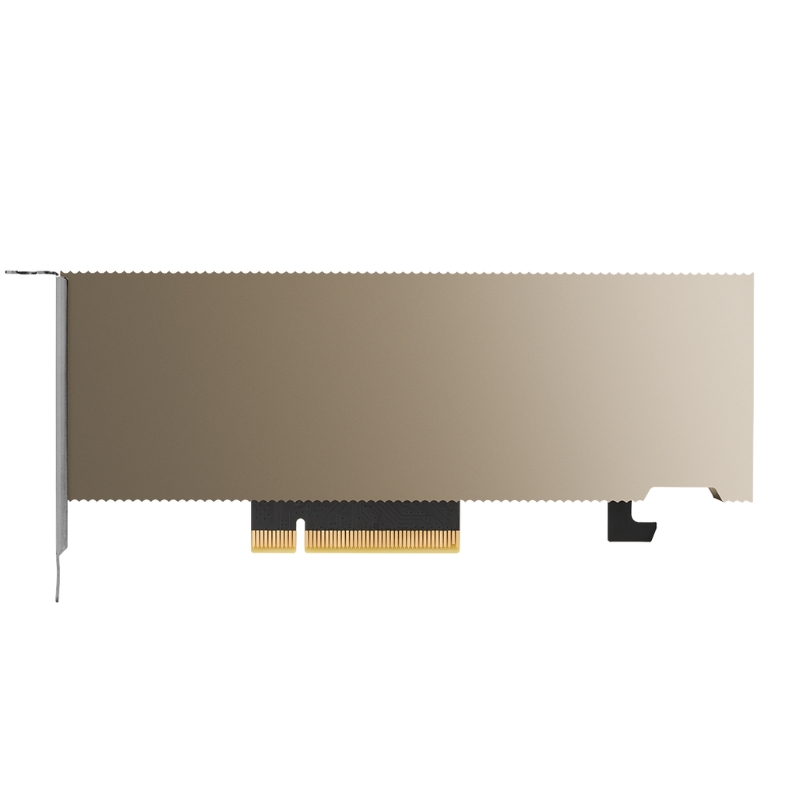


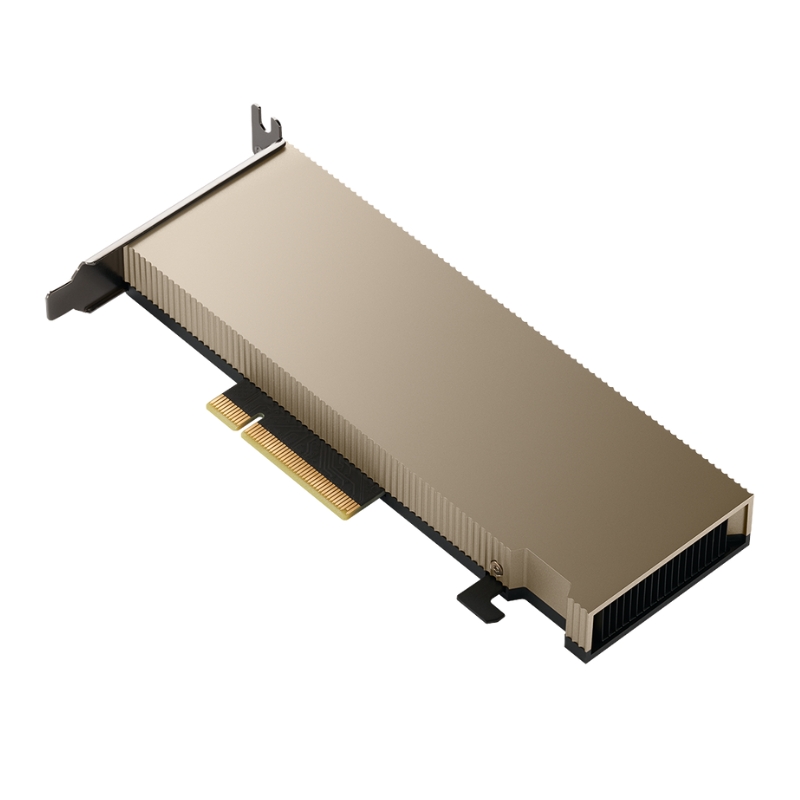
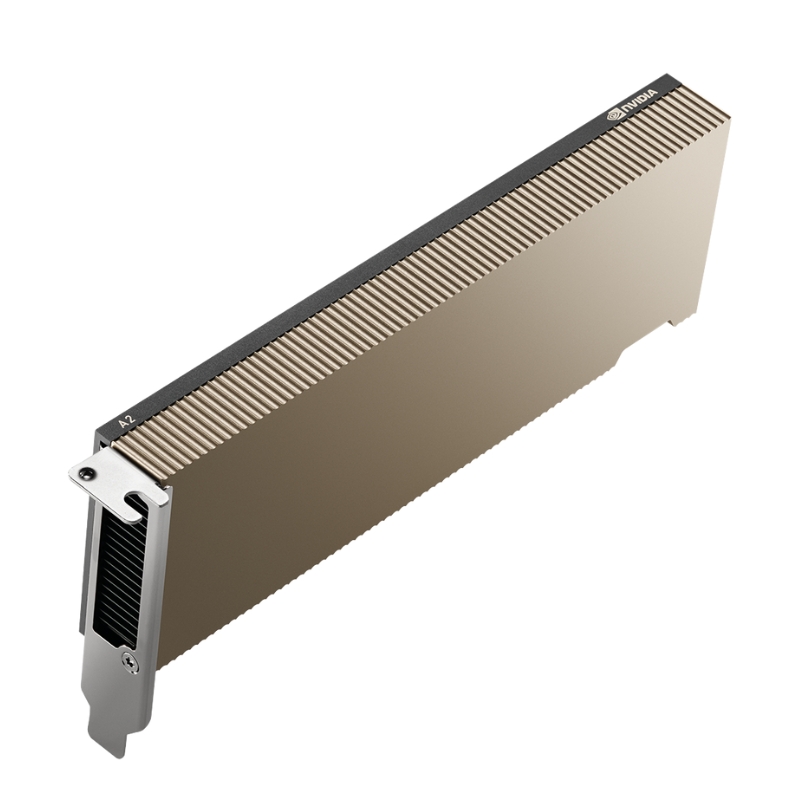
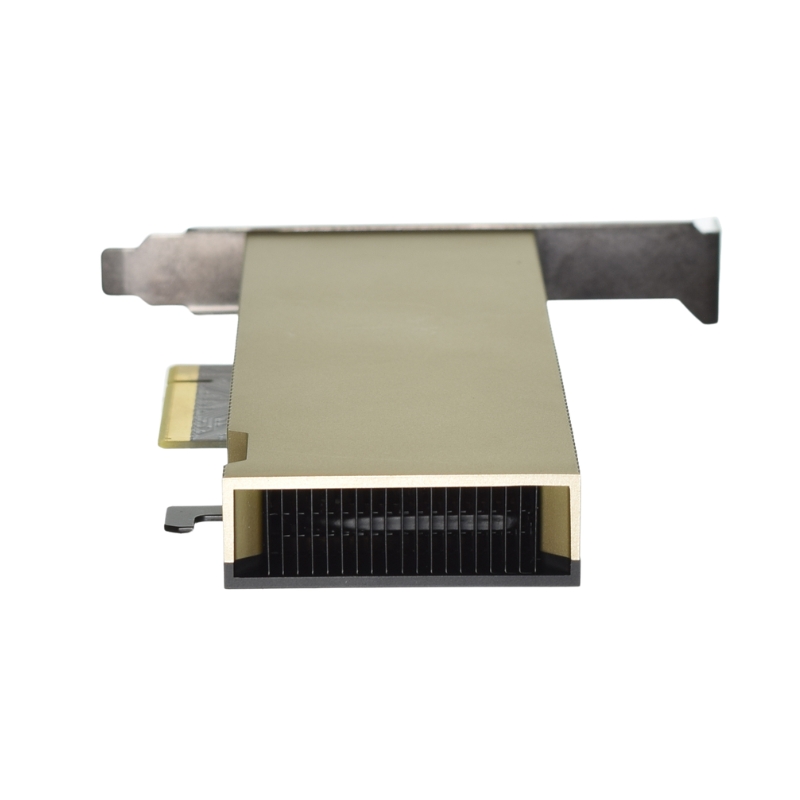
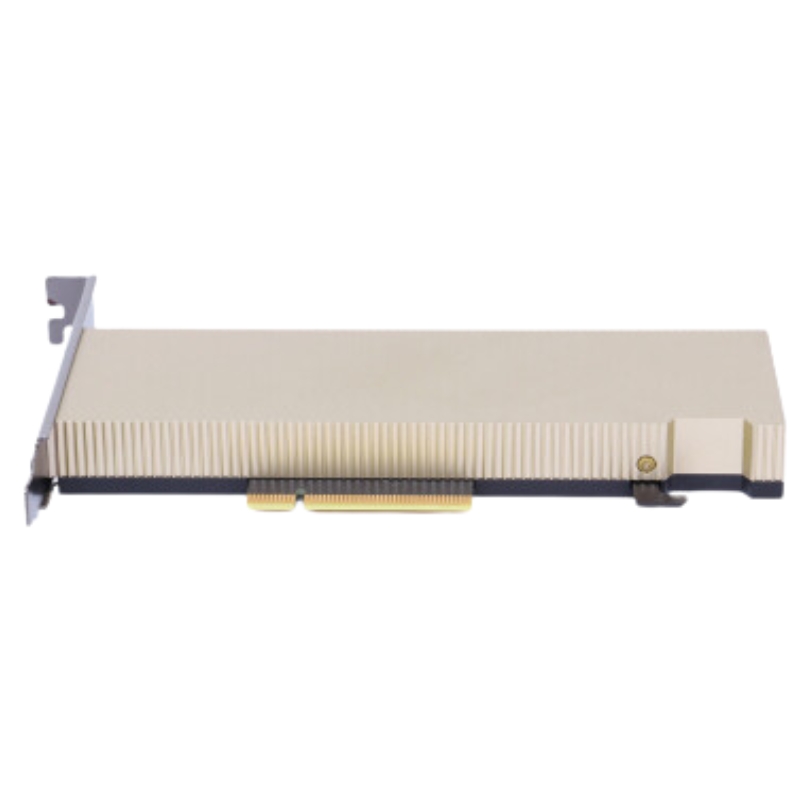
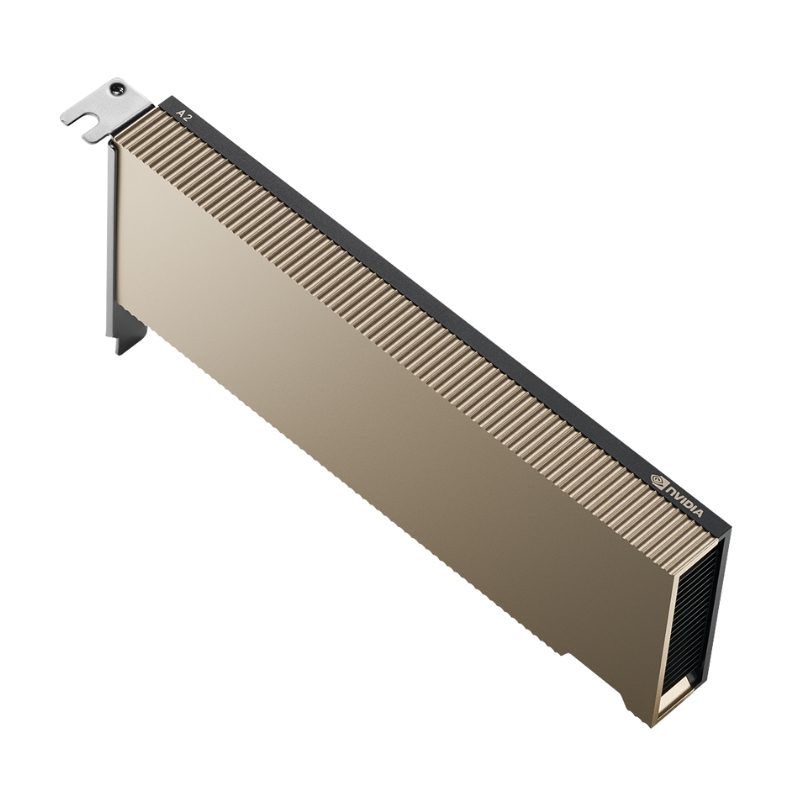
Dell PGN9M 94GB H100 Nvidia Tensor Core PCI-Express Memory Interface 6016 Bandwidth 3938GBPS GPU Card. New (System) Pull with 1-Year Replacement Warranty
The Dell PGN9M 94GB H100 Nvidia Tensor Core GPU Card is a high-performance graphics processing unit designed for advanced AI, HPC, and data-intensive workloads. With exceptional memory bandwidth and robust architecture, it delivers accelerated computing for professional environments, scientific simulations, and enterprise-grade data centers.
This GPU supports multiple power modes, ensuring compatibility with diverse system configurations and power delivery setups.
The Dell PGN9M 94GB H100 Nvidia Tensor Core GPU is a high-performance, professional-grade graphics processing unit engineered for cutting-edge AI, machine learning, and high-performance computing applications. Built on Nvidia's latest Tensor Core architecture, this PCI-Express GPU provides unmatched computational capabilities with a memory interface of 6016 bits and a staggering memory bandwidth of 3938GBPS. Designed for data-intensive workloads, it ensures optimized performance across deep learning training, inference tasks, and GPU-accelerated simulations.
The Nvidia Tensor Core architecture integrated into the Dell PGN9M enhances AI and machine learning operations through specialized tensor processing units. Each Tensor Core is designed to accelerate mixed-precision matrix operations, which are fundamental to neural network computations. The architecture supports FP16, BF16, TF32, INT8, and INT4 precisions, delivering a balance between speed and accuracy. This allows enterprises to scale AI workloads efficiently while maintaining cost-effectiveness and energy efficiency in high-density server environments.
Featuring a 94GB HBM3 memory capacity and a 6016-bit memory interface, the Dell PGN9M offers unparalleled memory bandwidth of 3938GBPS. This ensures rapid data transfer between GPU cores and memory, minimizing latency and maximizing throughput for large-scale AI models and scientific simulations. The high-bandwidth memory architecture significantly improves performance in workloads that require extensive data manipulation, such as image recognition, natural language processing, and genomics analytics.
Memory management in the Dell PGN9M GPU is designed for efficiency in AI-driven workflows. The HBM3 memory provides low-latency access to massive datasets, enabling deep learning models to process larger batches of data without memory bottlenecks. This allows researchers and engineers to train highly complex neural networks at unprecedented speeds. Additionally, memory error correction and ECC support ensure reliability and data integrity, which is crucial for mission-critical AI and HPC applications.
The Dell PGN9M leverages PCI-Express connectivity for seamless integration into enterprise servers and high-performance workstations. Its PCIe interface ensures compatibility with PCIe Gen4 and Gen5 standards, offering scalable bandwidth to match the demands of multi-GPU configurations. This connectivity enables parallel processing across multiple GPUs, significantly accelerating AI training and inference tasks. The PCIe architecture also allows easy deployment in cloud computing environments, providing flexibility for large-scale AI infrastructures.
For users requiring extreme computational power, the Dell PGN9M supports multi-GPU scaling through Nvidia NVLink technology. NVLink provides high-speed interconnects between GPUs, allowing data to be shared directly without routing through the CPU. This reduces communication overhead, improving efficiency in distributed deep learning training and complex scientific simulations. Multi-GPU configurations powered by Dell PGN9M GPUs ensure linear scaling of performance while maintaining consistent memory access and throughput.
The Dell PGN9M GPU is tailored for artificial intelligence and deep learning workloads. Its Tensor Cores accelerate matrix multiplications essential for neural network training, while the massive HBM3 memory enables large model support. AI researchers benefit from reduced training times and the ability to experiment with more sophisticated models. Additionally, the GPU supports advanced frameworks including TensorFlow, PyTorch, and MXNet, ensuring compatibility with widely used AI libraries and tools.
In addition to training, the Dell PGN9M excels in AI inference tasks. Tensor Cores provide high throughput for low-latency inference, enabling real-time AI applications such as autonomous systems, natural language understanding, and recommendation engines. The GPU's optimized architecture ensures minimal computational delay, which is critical for environments where instantaneous decisions are required. Enterprises deploying AI at scale can leverage the Dell PGN9M for both training and production inference with confidence.
Precision flexibility is a standout feature of the Dell PGN9M GPU. By supporting multiple precision formats, the GPU allows users to balance speed and accuracy depending on the specific workload. FP16 and BF16 are ideal for deep learning training with reduced memory footprint, while INT8 and INT4 provide accelerated inference for quantized models. TF32 precision ensures high-accuracy results in scientific simulations and financial modeling. This versatility makes the Dell PGN9M a preferred choice for organizations deploying heterogeneous AI workloads.
Beyond AI, the Dell PGN9M is optimized for high-performance computing applications, including computational fluid dynamics, molecular dynamics, and climate modeling. Its massive memory bandwidth and high computational throughput enable the simulation of complex physical systems with greater accuracy and speed. Researchers and engineers can leverage the GPU to run large-scale simulations that were previously constrained by memory limitations and processing capacity, making it an indispensable tool in scientific and engineering research.
Data-intensive scientific research benefits immensely from the Dell PGN9M GPU. Its tensor acceleration capabilities and HBM3 memory architecture allow real-time processing of massive datasets in genomics, particle physics, and astronomy. High-speed data access reduces computational bottlenecks, enabling researchers to derive insights faster and more efficiently. Advanced analytics workflows, such as high-dimensional matrix computations, machine learning model evaluation, and statistical simulations, are significantly accelerated on this GPU platform.
Engineering simulations, such as finite element analysis and structural modeling, require high computational throughput and memory bandwidth. The Dell PGN9M GPU excels in these tasks due to its large memory capacity and tensor acceleration capabilities. Engineers can simulate complex systems with higher fidelity, enabling more accurate design decisions and optimization. By reducing simulation times, the GPU accelerates product development cycles and facilitates innovation across automotive, aerospace, and industrial engineering sectors.
The Dell PGN9M is engineered for enterprise-grade deployment, ensuring compatibility with Dell PowerEdge servers and other data center infrastructure. Its passive cooling design and low-power footprint make it suitable for high-density server racks. Administrators benefit from simplified deployment and management, with GPU monitoring and optimization tools provided through Nvidia’s enterprise software suite. This ensures maximum uptime and efficient resource utilization in mission-critical environments.
Scalability is a critical consideration for modern data centers. The Dell PGN9M can be deployed in single or multi-GPU configurations to meet the computational demands of cloud services or on-premises AI infrastructures. Its PCI-Express interface and NVLink support allow seamless expansion, while software-defined GPU management tools ensure dynamic allocation of resources to workloads. This flexibility enables organizations to scale AI and HPC capabilities without extensive infrastructure changes, optimizing both cost and performance.
Enterprise deployments demand high reliability and fault tolerance. The Dell PGN9M supports ECC memory for error correction, reducing the risk of data corruption during intensive computations. Passive cooling combined with optimized thermal management ensures consistent performance under heavy workloads. Additionally, redundancy features and GPU health monitoring help prevent downtime, making the Dell PGN9M a robust solution for critical AI, deep learning, and HPC applications where operational continuity is paramount.
Nvidia provides a comprehensive software ecosystem for the Dell PGN9M GPU, including CUDA, cuDNN, and Nvidia AI Enterprise Suite. These tools enable seamless development, deployment, and optimization of GPU-accelerated applications. CUDA allows developers to harness the GPU’s full computational potential, while cuDNN accelerates deep learning primitives for AI model training. The Nvidia AI Enterprise Suite offers enterprise-level management, monitoring, and orchestration, ensuring GPUs are efficiently utilized and workloads are optimized for performance and cost.
CUDA is the cornerstone of GPU-accelerated computing, providing a parallel computing platform and programming model that exploits the massive parallelism of the Dell PGN9M GPU. Developers can accelerate a wide range of applications, including scientific simulations, financial modeling, and data analytics, by offloading computationally intensive tasks to the GPU. CUDA's extensive library ecosystem ensures that developers can leverage optimized routines for linear algebra, FFTs, and neural network operations, maximizing the GPU’s computational efficiency.
The Nvidia AI Enterprise Suite simplifies deployment and management of AI workloads across enterprise environments. It includes optimized AI frameworks, pre-trained models, and orchestration tools for Kubernetes and VMware vSphere. Organizations can accelerate AI model development, streamline deployment, and monitor GPU utilization efficiently. This software ecosystem enhances productivity, reduces operational overhead, and ensures that the Dell PGN9M GPU is fully leveraged in enterprise-scale AI and HPC environments.
Security is a critical aspect of enterprise GPU deployment. The Dell PGN9M supports secure boot, firmware verification, and data encryption to protect sensitive AI and HPC workloads. ECC memory ensures data integrity during computation, while compliance with industry standards such as ISO and GDPR provides assurance for regulated industries. These features make the Dell PGN9M suitable for healthcare, finance, and government applications where security and regulatory adherence are essential.


 Contact Us
 Information
 Catalog
 Solid State Drives (SSD)
 Network Switches
 Hard Disk Drives
 HBA & Controllers
 PC & Servers
 PC & Server Memory
 CPU & Processors
 Network Routers
 Power Supplies
 Tape Drives & Libraries
 Network Devices
 Computer & Network Cables