(7% discount is applied at checkout)
Cart is empty
Your go-to destination for cutting-edge server products
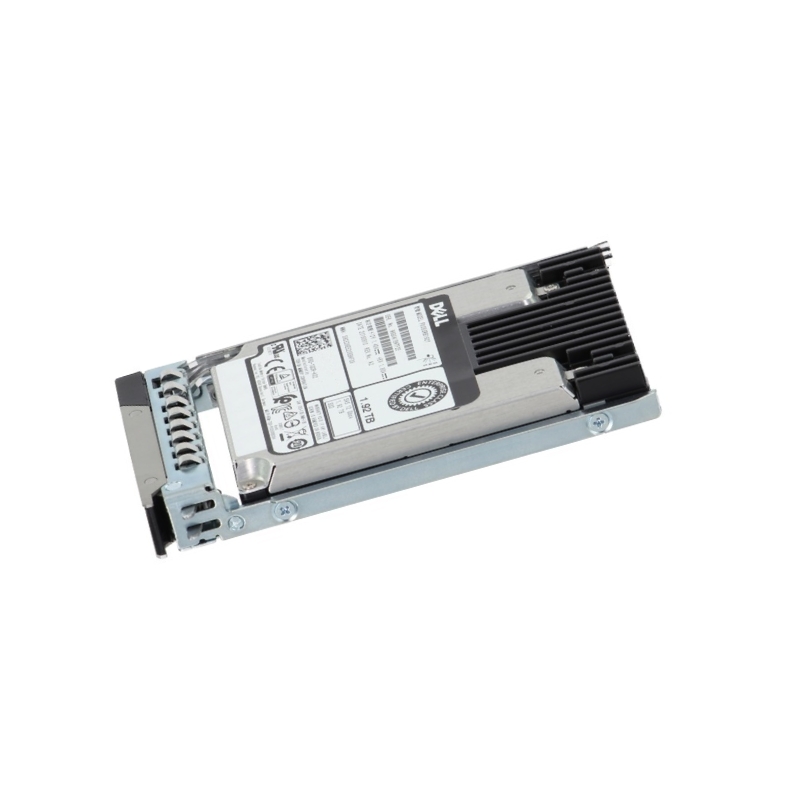


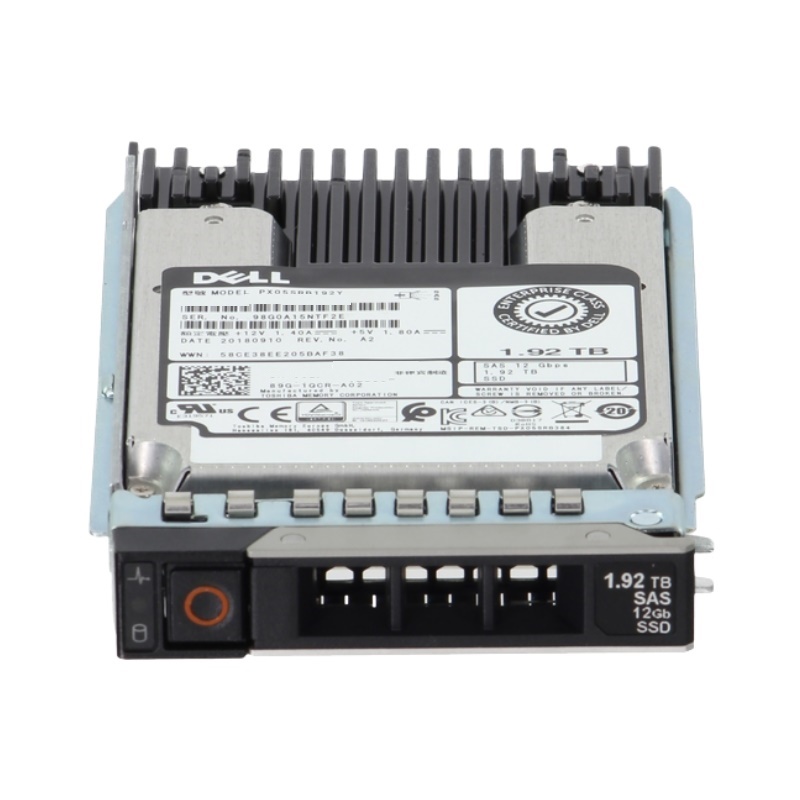
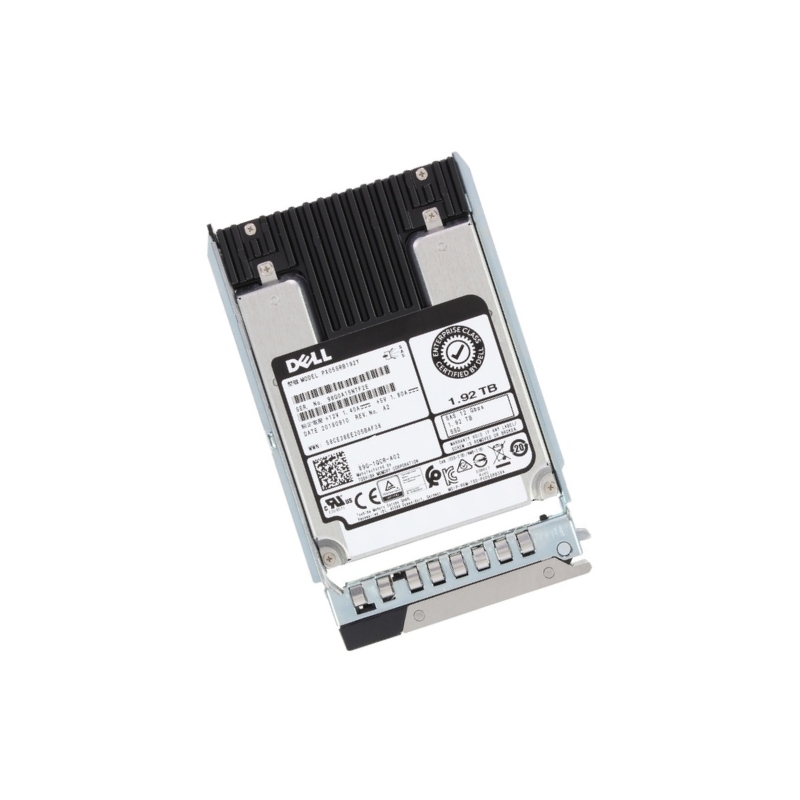
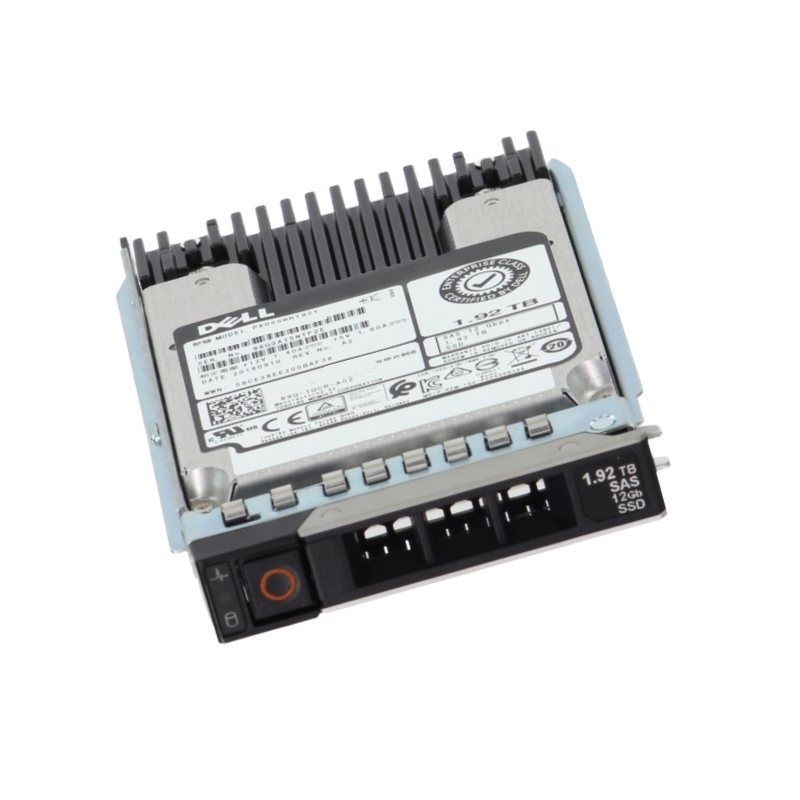
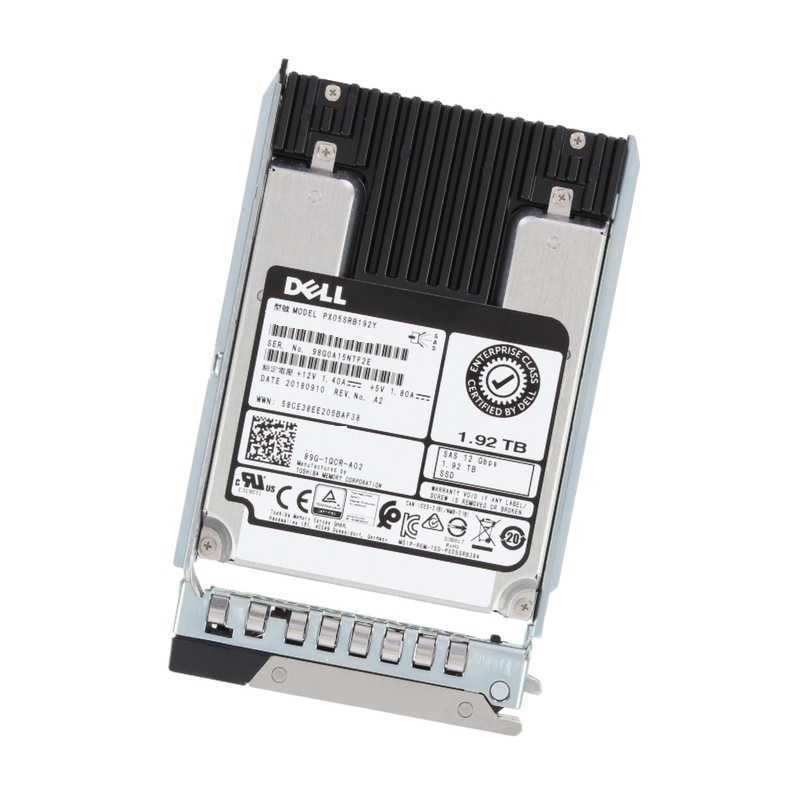
Dell HJC3V Poweredge 1.92TB SAS 12GBPS Hot-Plug Mixed Use SSD. New Sealed in Box (NIB) 1 Year Warranty
Enhance your server infrastructure with the DELL 1.92TB Self-Encrypting Drive (SED), engineered for mixed-use workloads and equipped with FIPS 140-compliant encryption. This hot-pluggable 2.5-inch SAS SSD is optimized for 14th-generation PowerEdge platforms, delivering secure and efficient data handling.
This Dell HJC3V is compatible with the following Dell PowerEdge Servers and Storage Arrays:
The HJC3V Dell PowerEdge 1.92TB SAS 12Gbps SSD represents a balanced blend of performance, endurance, and enterprise-level reliability. Designed specifically for modern PowerEdge servers and validated for use in demanding datacenter workloads, this SSD class is tuned to deliver consistent low-latency responses under mixed read/write profiles. For e-commerce category pages and product collections, this description focuses on the technical character, application scenarios, and purchasing considerations that matter to IT buyers, system integrators, and infrastructure architects who must match storage to service level objectives.
This Dell-branded 1.92TB SAS drive operates over a 12Gbps SAS interface, enabling higher sustained throughput and improved IO operations per second (IOPS) compared with legacy 6Gbps SAS drives. The device is engineered to provide strong random read performance and robust random write capabilities, making it suitable for transactional databases, virtual machine hosts, and latency-sensitive application servers. Its internal controller and NAND configuration are optimized to maintain predictable latency even as the drive approaches high utilization levels. For latency-critical workloads, the HJC3V helps reduce tail latency through firmware-level quality of service (QoS) features and thermal management strategies that minimize throttling under sustained load.
In sequential operations, this class of 1.92TB SSD can stream large blocks of data efficiently, which benefits bulk backup operations, replication tasks, and data-tiering activities. For random small-block I/O, the drive’s microcontroller and flash translation layer are optimized for mixed 4KB/8KB workloads typical of virtualization and database environments. Sustained performance is supported by internal caching algorithms and optimized flash management, enabling predictable metrics for architects planning capacity and performance headroom.
Latency profile is a prime consideration in enterprise deployments and the HJC3V is tuned to keep 99th percentile latency low under typical datacenter mixes. Firmware QoS and over-provisioning cooperate to smooth performance spikes at high queue depths. Administrators who consolidate multiple services on a single host will appreciate predictable response times that reduce the risk of noisy-neighbor problems when many virtual machines or containers share the same physical resources.
Enterprise-class SSDs place emphasis on endurance metrics and data integrity features. The HJC3V 1.92TB model is designed with higher program/erase cycle budgets than consumer drives and includes features such as power-loss protection, advanced error-correcting code (ECC), wear-leveling algorithms, and media management to maximize usable life. These durability measures are important for write-heavy workloads such as logging, analytics, and certain database operations, where predictable lifespan and consistent performance are essential.
Power-loss protection is implemented to safeguard in-flight data during unexpected power events. Capacitor-backed or firmware-managed protection ensures that pending writes are committed to nonvolatile media whenever possible, minimizing risk to metadata and file system structures. Combined with enterprise-grade ECC and background scrubbing utilities, the drive provides a resilient platform for mission-critical storage.
Modern data centers rely on telemetry to predict failures and schedule proactive maintenance. The HJC3V supports S.M.A.R.T. attributes and vendor-specific telemetry that enable integrators and management systems to track wear, temperature, error rates, and other indicators of drive health. Integrating these signals into monitoring tools allows administrators to take corrective action and plan replacements before a drive reaches an unrecoverable state, thereby reducing unplanned downtime and simplifying capacity lifecycle planning.
Although marketed as a Dell PowerEdge compatible SSD, the HJC3V follows enterprise SAS standards that make it suitable for use in a wide range of server platforms supporting 12Gbps SAS. Compatibility extends to both hot-swap 2.5-inch drive bays and server models that include SAS backplanes certified for Dell parts. When selecting drives for a rack or blade server, compatibility checks should include the server model, backplane generation, firmware revision, and the RAID controller’s supported drive list. Many organizations choose OEM-validated parts to preserve warranty coverage and vendor support entitlements.
The 2.5-inch form factor is common for enterprise SSDs and provides a compact footprint that enables high-capacity density within server chassis. Thermal characteristics are critical in dense server environments; therefore the HJC3V is designed to operate efficiently within standard datacenter airflow conditions. HVAC and chassis cooling strategies must account for sustained workloads that can elevate drive temperatures, and administrators should consult server thermal guides to maintain optimal operating ranges and avoid performance throttling.
The drive’s internal architecture pairs a purpose-built controller with enterprise-grade NAND flash. Controller features include multi-channel NAND support, robust firmware for bad block management, and optimized garbage collection that preserves performance over time. The chosen NAND type, whether TLC with enterprise enhancements or higher-grade MLC-class flash, influences endurance ratings and cost per gigabyte. Understanding the underlying NAND architecture helps buyers match the drive to workload endurance requirements and cost constraints.
Optimal use cases for a 1.92TB SAS 12Gbps SSD include virtualized infrastructure where many concurrent I/O streams require low latency, high-performance databases that handle transactional workloads, and front-line application servers that demand fast random access. Additionally, these drives are suitable for high-performance caching layers in hybrid storage architectures, where SSDs accelerate reads and writes while bulk data remains on higher-capacity HDD tiers. Data protection mechanisms such as RAID configurations and mirrored volumes remain essential to combine the speed of SSDs with redundancy for availability.
In virtualization platforms, the balance between capacity and IOPS is a common design consideration. The HJC3V provides a sensible capacity point for hosts that consolidate multiple virtual machines, allowing administrators to carve logical volumes without sacrificing IOPS. Cloud-native workloads using container orchestration benefit from the drive’s consistent I/O performance, which helps maintain responsive microservices and fast persistent volumes.
Databases with high transaction rates and analytics systems that perform frequent random reads see measurable gains when placed on enterprise SSD media. The HJC3V is particularly effective for index storage, hot partitions, and write-ahead logs where endurance and low-latency writes matter. For analytics pipelines, using SSDs for working sets reduces job completion times and improves throughput for parallel queries.
Integrating SSDs into a storage architecture requires careful consideration of RAID levels, controller capabilities, and rebuild strategies. The high throughput and low latency of the HJC3V enable RAID controllers to complete rebuilds faster, but rebuild speed must be balanced against the risk of additional drives experiencing stress during rebuild operations. Many enterprises adopt RAID configurations that mix parity and mirroring to optimize for both space efficiency and resiliency. Additionally, pairing SSDs with enterprise-grade RAID controllers that support TRIM, background media maintenance, and SSD-aware rebuild improves long-term reliability.
Enterprise HDD and SSD designs commonly include hot-swap capability to enable field replacements without powering down systems. For environments that require 24/7 availability, the HJC3V’s compatibility with hot-swap backplanes simplifies maintenance and allows scheduled replacements during maintenance windows. When combined with predictive telemetry, hot-swap readiness helps teams retire drives proactively, reducing risk to uptime and simplifying logistics for spare inventory.
Firmware plays a significant role in drive behavior, addressing bug fixes, performance enhancements, and compatibility updates. Dell-sourced SSDs typically have firmware revisions managed through vendor channels and may be included in server maintenance bundles or support contracts. IT teams should adopt a controlled firmware update policy that includes pre-deployment testing in staging environments, compatibility checks against RAID controllers, and clear rollback procedures. Keeping firmware current can improve performance and reliability but must be balanced with change control policies to avoid introducing instability in production.
Purchasing drives validated by the server OEM often extends support paths and simplifies warranty claims. The HJC3V Dell PowerEdge branded SSD typically carries vendor-specific warranty terms and may be eligible for replacement under hardware support contracts. For large deployments, purchasers should verify support SLAs, end-of-life timelines, and cross-shipping options to ensure rapid replacement when required. Transparent warranty and support policies reduce the operational overhead of managing drive failures at scale.
Right-sizing storage means aligning drive endurance and capacity to workload needs. In mixed-tier environments, using SSDs for hot data and HDDs for cold data reduces overall storage cost while delivering performance where it matters. Choosing the 1.92TB size offers a balance between usable capacity and drive count; fewer higher-capacity SSDs reduce RAID overhead and simplify provisioning while still providing strong performance characteristics.
Data security is fundamental in enterprise storage. Many Dell-branded enterprise SSDs support hardware-based encryption standards and secure erase features that help meet regulatory compliance and data lifecycle requirements. Self-encrypting drive (SED) options provide cryptographic protections that integrate with key management systems used by organizations to enforce data-at-rest encryption policies. Administrators should verify encryption capabilities, supported management tools, and compliance certifications when deploying drives in regulated industries.
At end of life, secure erase and cryptographic wipe functions offer faster, verifiable options for removing sensitive data compared with physical destruction. Using vendor-supported secure erase tools ensures that sanitization procedures meet organizational policies and audit requirements. For drives removed from service, following standardized sanitization workflows reduces the risk of data leakage during resale or disposal.
Proactive lifecycle planning helps avoid capacity shortfalls and performance degradation. Establishing replacement windows based on telemetry, warranty terms, and expected write workloads ensures predictable budgeting and minimizes disruption. Regularly reviewing workload performance metrics and adjusting tiers or drive counts as application patterns evolve keeps the storage environment efficient and responsive to changing business needs.
Modern datacenter operations rely on automation and orchestration. The HJC3V integrates into management ecosystems through standard protocols and vendor APIs that expose health metrics and configuration options. Automation scripts and infrastructure-as-code templates can include checks for drive health, automated capacity alerts, and updates to inventory systems. These integrations accelerate incident response and make it practical to manage hundreds or thousands of drives across multiple clusters.
Integrating SSD telemetry into centralized monitoring platforms provides real-time visibility into drive health and performance. Automated alerts for rising error rates, temperature excursions, or falling spare capacity enable operations teams to respond before incidents impact service. Incident response playbooks that include steps for isolating failing drives, initiating replacements, and validating degraded arrays reduce mean time to repair and preserve application availability.
Before rolling out the HJC3V drives to production, administrators typically validate compatibility with the target server model, confirm RAID controller firmware levels, stage firmware updates in a test cluster, and import the drives into inventory and monitoring systems. Ensuring clear rollback steps in the event of firmware-induced regressions and scheduling non-disruptive verification workloads helps prove that the drives meet application needs before an organization relies on them in production.


 Contact Us
 Information
 Catalog
 Solid State Drives (SSD)
 Network Switches
 Hard Disk Drives
 HBA & Controllers
 PC & Servers
 PC & Server Memory
 CPU & Processors
 Network Routers
 Power Supplies
 Tape Drives & Libraries
 Network Devices
 Computer & Network Cables