(7% discount is applied at checkout)
Cart is empty
Your go-to destination for cutting-edge server products


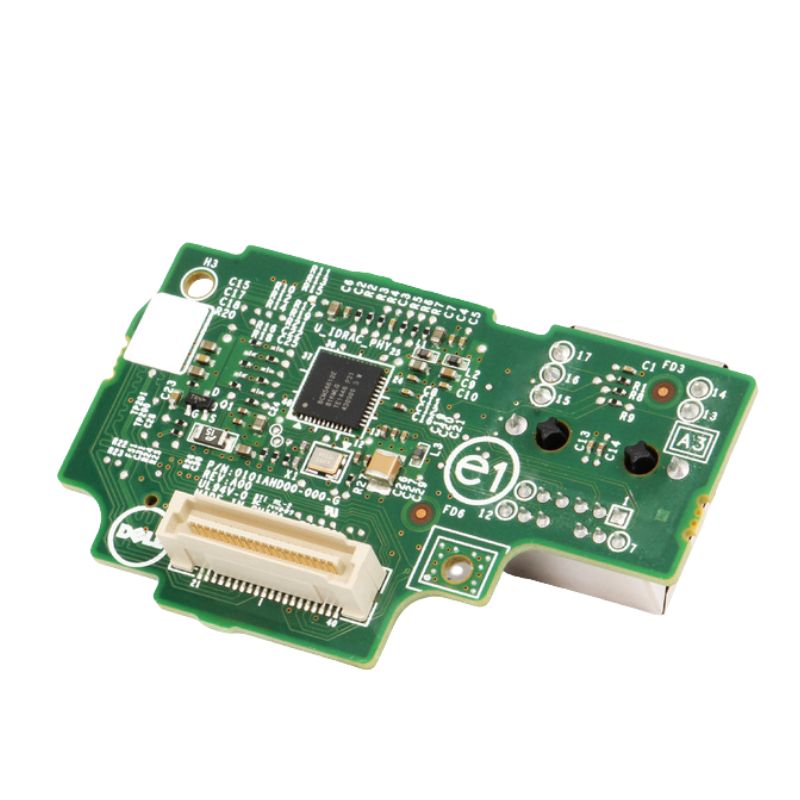
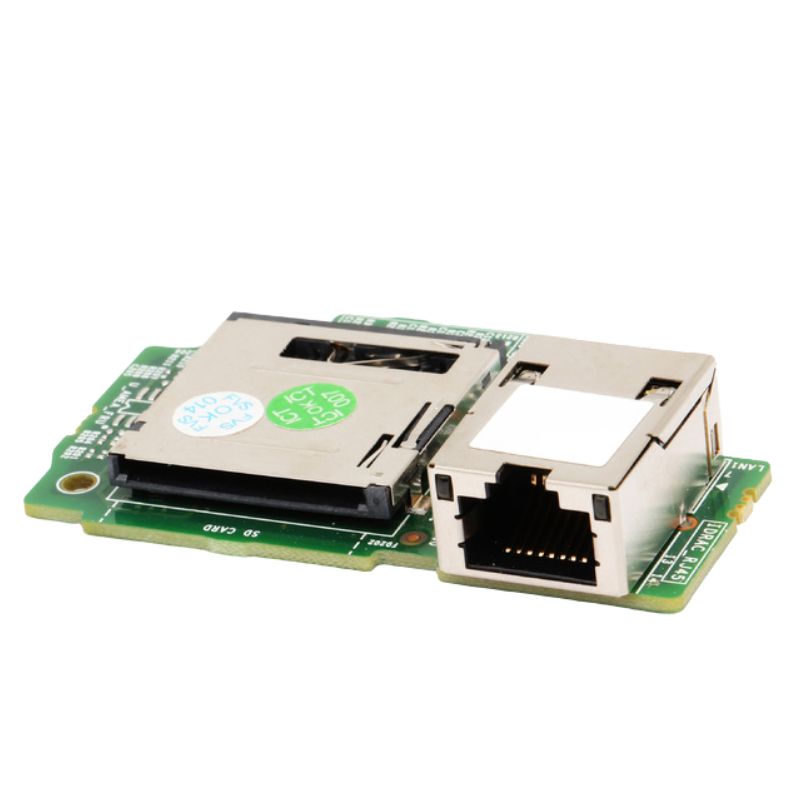
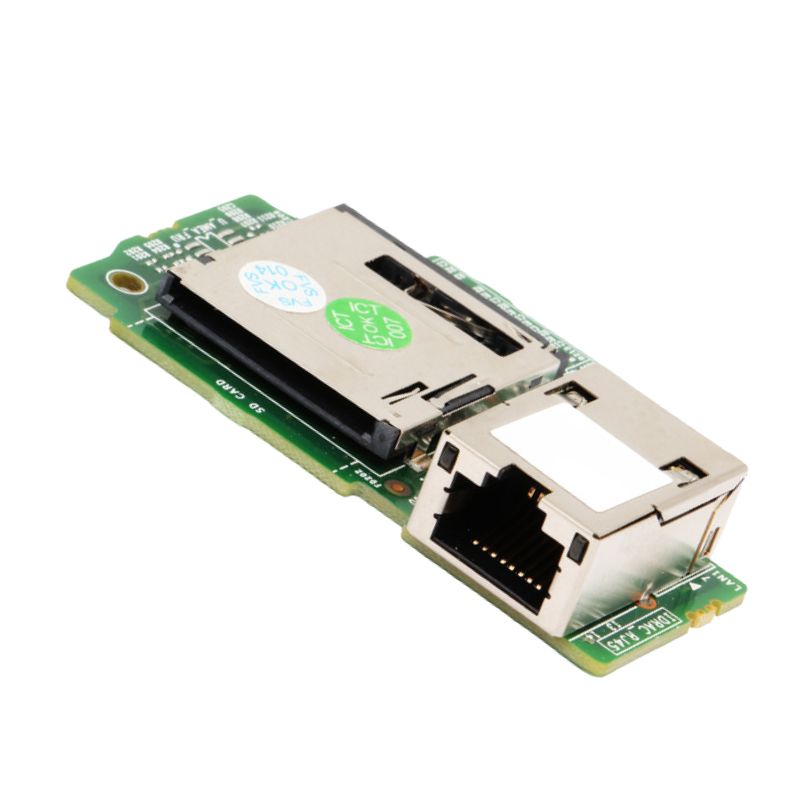
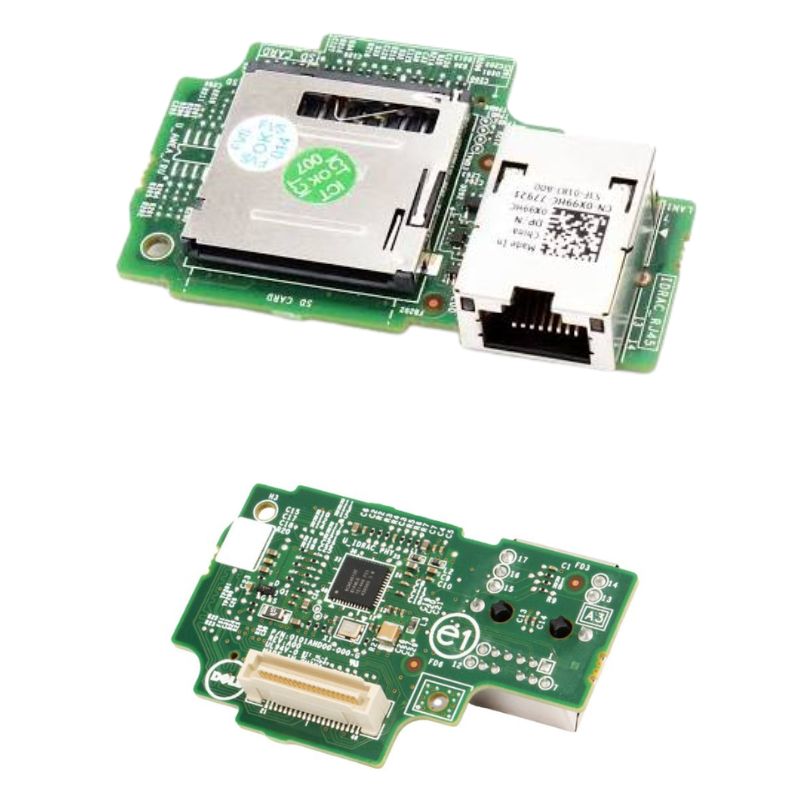
Dell XVD49 Riser Expansion Card for Poweredge R430 R530 T330 T430. Excellent Refurbished with 1 year replacement warranty
The Dell XVD49 Riser Expansion Card is engineered to enhance server functionality, offering seamless integration with Dell PowerEdge 13th Generation systems. This expansion module provides advanced management, storage, and security features for enterprise environments.
The Dell XVD49 Riser Expansion Card is engineered as a high-reliability server expansion component designed specifically for Dell PowerEdge rack and tower server environments such as the R430, R530, T330, and T430 series. This riser module plays a critical role in extending PCI Express expansion capabilities, allowing system administrators and IT architects to maximize hardware scalability within constrained server chassis designs. Built for enterprise workloads, virtualization environments, and data-intensive applications, the riser card ensures efficient connectivity between the motherboard PCIe lanes and additional expansion adapters.
Within modern enterprise servers, PCI Express lane allocation is a key determinant of system performance and expansion flexibility. The XVD49 riser expansion assembly is designed to redistribute PCIe lanes effectively, enabling support for additional network interface cards, storage controllers, RAID adapters, and specialized compute accelerators. This architecture allows data centers to scale computing performance without requiring a full system overhaul, preserving both investment and infrastructure continuity.
The riser module is specifically validated for Dell PowerEdge platforms including the R430, R530 rack servers and T330, T430 tower servers. These systems are widely deployed in small to medium enterprise environments as well as branch office data centers. The integration ensures seamless BIOS recognition, firmware compatibility, and optimized thermal behavior when installed in supported chassis configurations.
The XVD49 riser expansion card operates as an intermediary PCIe signal routing layer that extends motherboard connectivity into additional physical expansion slots. By converting a single PCIe root connection into multiple downstream expansion interfaces, it enables system administrators to deploy additional hardware components without compromising system stability or airflow design constraints.
Designed for high-throughput enterprise workloads, the riser card supports high-speed PCIe signaling that ensures minimal latency in data transmission between connected components. This is especially critical in workloads such as virtualization clusters, database processing systems, cloud infrastructure nodes, and storage-heavy environments where consistent bandwidth delivery is essential.
Signal integrity is a core design principle in server riser modules. The XVD49 expansion card incorporates controlled impedance routing, EMI shielding considerations, and optimized trace layouts to ensure stable data transmission across PCIe lanes. These engineering features reduce packet loss, minimize signal degradation, and ensure consistent performance under continuous enterprise workloads.
Dell server components are built to align with strict enterprise-grade reliability standards, ensuring consistent operation in 24/7 environments. The XVD49 riser expansion assembly is no exception, providing durability under thermal stress, vibration resistance within rackmount installations, and long lifecycle performance suitable for mission-critical infrastructure.
The riser expansion framework enables deployment of multiple classes of PCIe-based hardware components. These include high-speed network adapters, SAS and SATA storage controllers, GPU accelerators for compute workloads, and specialized encryption or security processing cards. By extending physical slot availability, the server gains the ability to adapt to evolving workload requirements.
In enterprise networking environments, additional NICs are often required to support segmented traffic flows, redundancy configurations, and high-speed backbone connectivity. The XVD49 riser enables installation of additional Ethernet adapters, supporting scalable network architectures that can handle increasing bandwidth demands in virtualized and containerized environments.
Storage performance is a critical factor in server optimization. The riser expansion card allows integration of advanced RAID controllers and SAS HBAs that improve data redundancy, increase I/O throughput, and support large-scale storage arrays. This is particularly beneficial in database servers and file storage systems requiring consistent low-latency access.
Certain PowerEdge configurations benefit from GPU or FPGA-based acceleration for workloads such as AI inference, machine learning preprocessing, and high-performance computing tasks. The riser card provides the physical and electrical interface necessary to support these accelerators, enabling servers to handle compute-intensive applications without requiring chassis redesign.
The XVD49 riser expansion card is engineered to match the precise mechanical specifications of supported Dell PowerEdge server chassis. This ensures proper alignment with mounting points, airflow channels, and internal cable routing paths. Proper alignment is essential for maintaining optimal cooling efficiency and minimizing mechanical stress on connected components.
In enterprise data center environments, serviceability is a key consideration. The riser module is designed for straightforward installation and replacement within compatible systems, reducing maintenance downtime and improving operational efficiency. Technicians can access and replace the module with minimal disruption to surrounding components.
Server cooling is a critical aspect of hardware longevity and performance stability. The riser expansion card is designed to integrate within existing airflow patterns of Dell PowerEdge systems, ensuring that heat generated by PCIe expansion devices is efficiently dissipated. This helps maintain consistent operating temperatures even under heavy workloads.
The design of the riser assembly ensures that airflow pathways inside the chassis remain unobstructed. Proper heat distribution prevents localized thermal hotspots that could negatively impact system reliability. This is particularly important in densely populated rack environments where multiple servers operate in close proximity.
Virtualization environments require flexible hardware configurations to support multiple virtual machines and containerized workloads. The XVD49 riser expansion card allows system administrators to increase network bandwidth, storage throughput, and compute acceleration capabilities, ensuring optimal performance in hypervisor-based infrastructures.
Cloud computing environments demand rapid scalability and modular hardware expansion. By enabling additional PCIe device integration, the riser card supports dynamic infrastructure scaling, allowing cloud providers and enterprise IT departments to adapt to increasing workload demands without replacing entire server systems.
Database servers require consistent low-latency data access and high input/output operations per second. The riser expansion card facilitates the integration of advanced storage controllers that improve data retrieval speed, enhance redundancy mechanisms, and support large-scale transactional workloads.
Backup servers and archival storage systems benefit from expanded connectivity options provided by riser modules. These systems can integrate multiple storage controllers and network interfaces, enabling efficient data replication, redundancy management, and disaster recovery operations across distributed environments.
Efficient load balancing across multiple PCIe devices is essential for maintaining system stability. The XVD49 riser ensures balanced signal distribution, allowing workloads to be processed efficiently across connected expansion cards. This prevents bottlenecks and ensures consistent system responsiveness under heavy utilization.
By minimizing signal path inefficiencies and optimizing PCIe lane routing, the riser module contributes to reduced latency in data-intensive operations. This is particularly beneficial in real-time analytics systems, financial transaction processing environments, and high-frequency computing applications.
Enterprise servers often operate continuously for extended periods. The riser expansion card is designed to maintain stability under continuous load conditions, ensuring reliable performance in mission-critical applications such as telecommunications, healthcare systems, and financial infrastructure platforms.
When deployed in redundant server configurations, the riser card supports failover mechanisms by enabling additional hardware pathways. This enhances system resilience and ensures continuity of service in the event of component-level failures within the server architecture.
Modern IT infrastructures rely heavily on modular server design principles. The XVD49 riser expansion card supports this architecture by allowing hardware components to be added or replaced independently of the core system motherboard. This improves upgrade flexibility and reduces total cost of ownership.
Instead of replacing entire server units, organizations can extend the operational lifecycle of existing PowerEdge systems by adding expansion capabilities through riser modules. This approach reduces capital expenditure while maintaining performance alignment with evolving IT demands.
Data center environments require efficient use of physical rack space. By enabling additional functionality within a single server chassis, the riser expansion card contributes to improved compute density, reducing the need for additional hardware installations and optimizing rack utilization.
Higher consolidation of computing resources leads to improved energy efficiency and reduced cooling requirements. The use of riser expansion modules helps organizations achieve lower operational costs while maintaining high-performance computing capabilities across infrastructure systems.


 Contact Us
 Information
 Catalog
 Solid State Drives (SSD)
 Network Switches
 Hard Disk Drives
 HBA & Controllers
 PC & Servers
 PC & Server Memory
 CPU & Processors
 Network Routers
 Power Supplies
 Tape Drives & Libraries
 Network Devices
 Computer & Network Cables