(7% discount is applied at checkout)
Cart is empty
Your go-to destination for cutting-edge server products
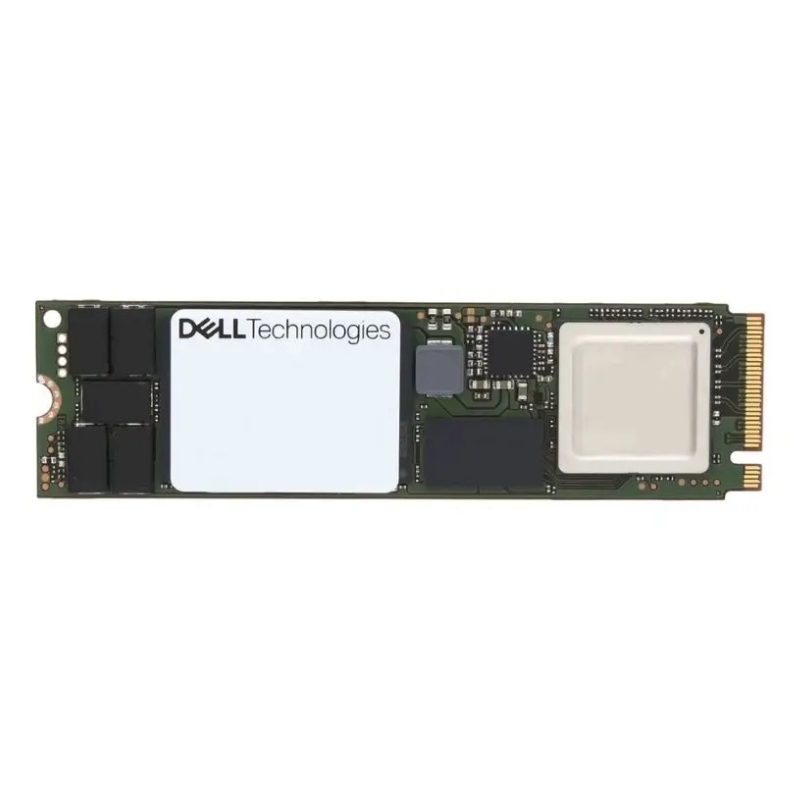


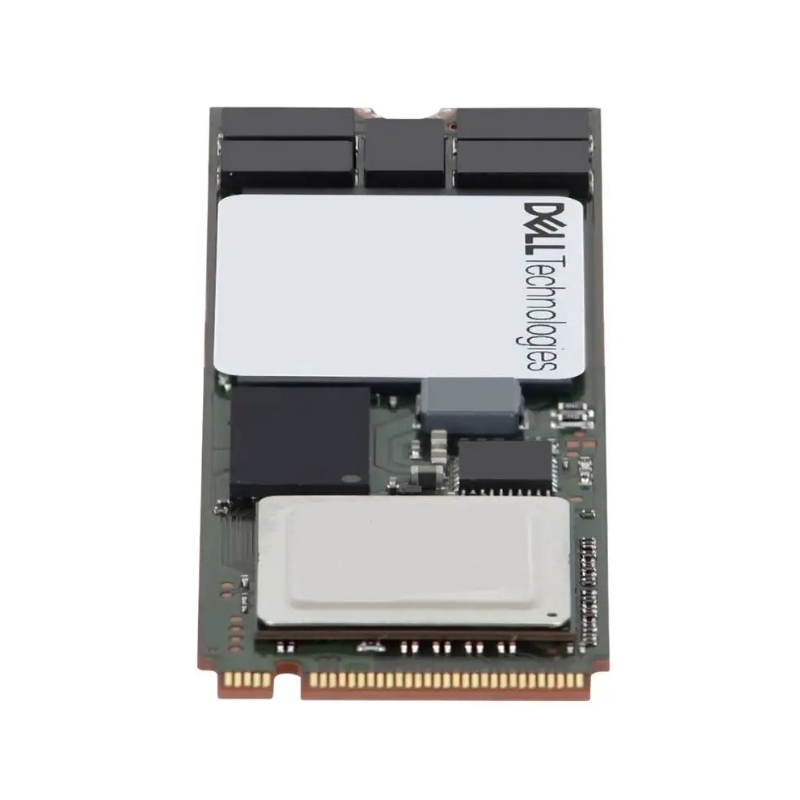
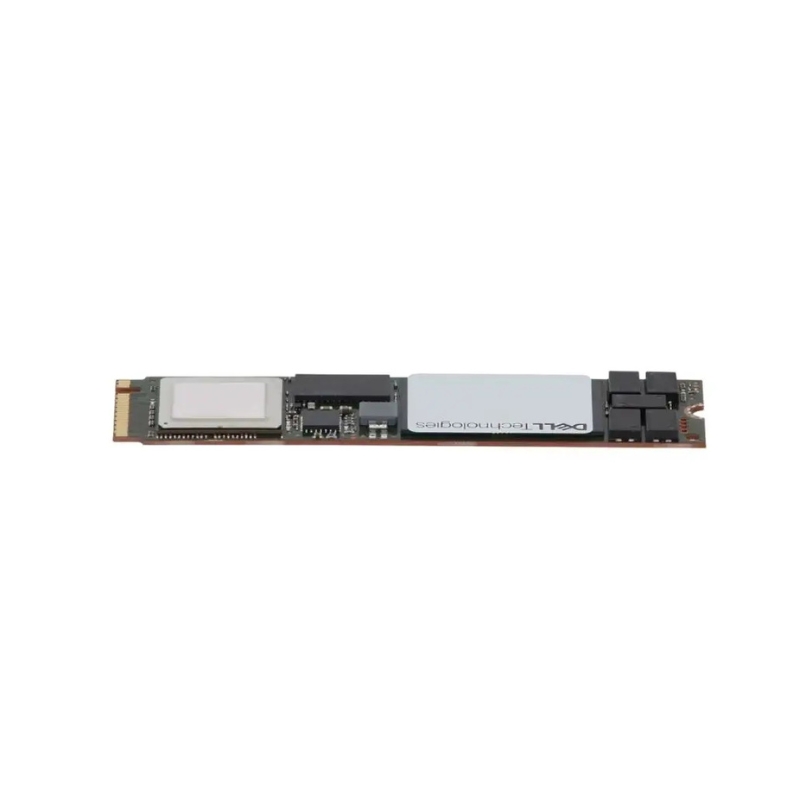
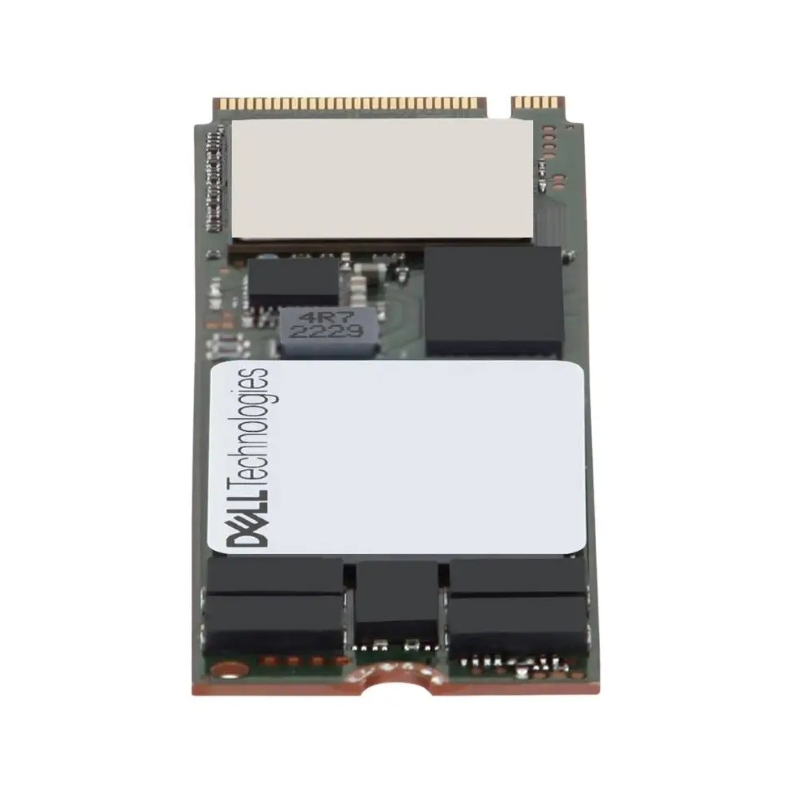
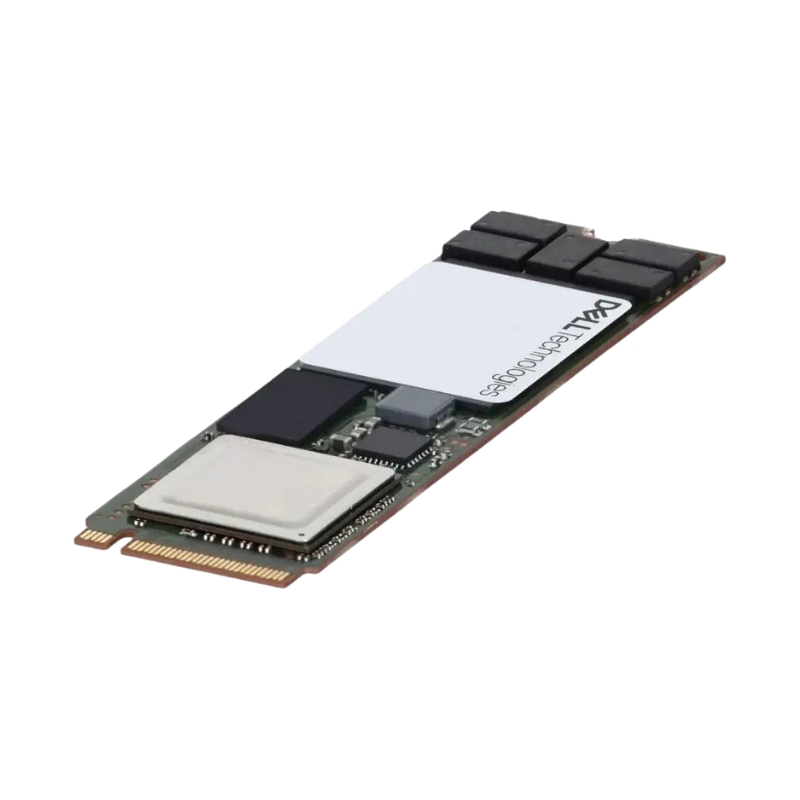
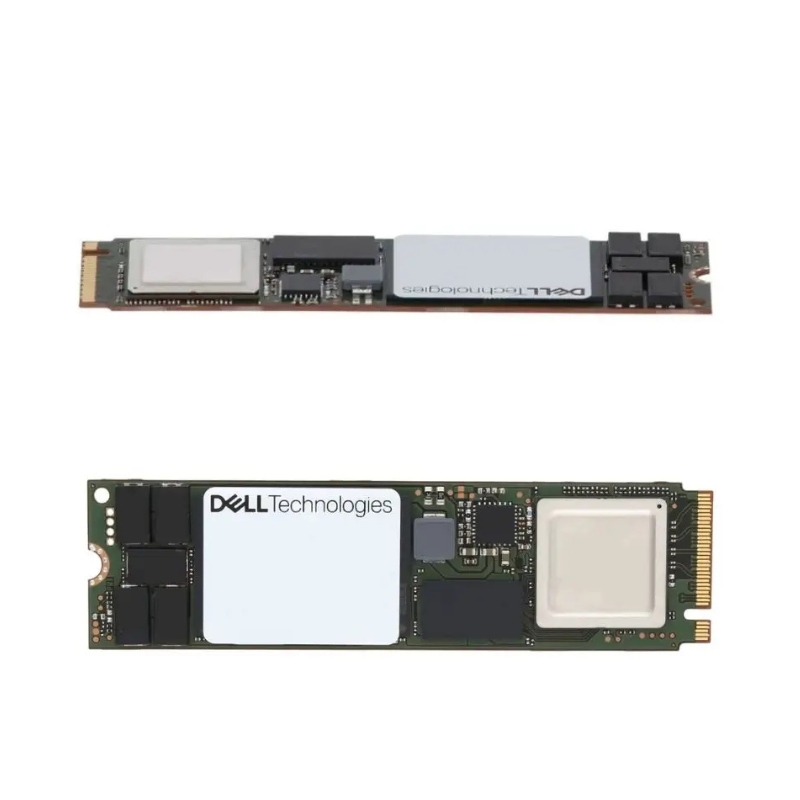
Dell RHYJ7 480GB PCI Express NVMe Read Intensive SED M.2 (2280) TLC Enterprise Class Solid State Drive. New (Box Not Sealed) with 1 year Warranty
Accelerate server boot and OS operations with the Dell RHYJ7, a PCIe 4.0 NVMe M.2 SSD offering reliable, read-optimized performance for enterprise boot drives and caching.
Sequential Read and Write Speeds
The Dell RHYJ7 480GB PCI Express NVMe Read Intensive SED M.2 (2280) TLC Enterprise Class Solid State Drive belongs to a highly specialized category of modern enterprise storage solutions designed to deliver outstanding performance, security, and reliability. This category focuses on compact, high-speed solid state drives that utilize the PCI Express interface and NVMe protocol to provide exceptional data transfer rates and extremely low latency. Unlike traditional storage devices that rely on older SATA or SAS interfaces, NVMe-based drives are engineered specifically for flash memory technology, enabling businesses to achieve new levels of efficiency and responsiveness. Organizations operating data centers, enterprise servers, and high-performance computing environments depend on this category of drives to accelerate applications, improve productivity, and support digital transformation initiatives.Enterprise storage environments require components that are optimized for continuous, high-demand workloads. The Dell RHYJ7 SSD represents a subcategory of read-intensive enterprise drives that are ideal for scenarios where fast data retrieval is more critical than heavy write activity. Many modern business applications, including web hosting, virtualization, data analytics, and content delivery networks, generate large volumes of read operations. For these use cases, read-intensive NVMe drives provide an optimal balance of cost, endurance, and performance.
One of the defining characteristics of this product category is the use of Non-Volatile Memory Express technology combined with the PCI Express interface. NVMe is a modern storage protocol developed specifically to unlock the full potential of solid state memory. Traditional protocols were originally created for mechanical hard drives and often limit the capabilities of flash storage. NVMe eliminates these limitations by allowing drives to communicate directly with the system processor through high-bandwidth PCI Express lanes. This results in dramatically faster data access, higher input and output operations per second, and significantly reduced latency.
The PCI Express interface used in the Dell RHYJ7 category enables multiple data channels to operate simultaneously, allowing the drive to process thousands of commands in parallel. This parallelism is essential for enterprise environments where multiple applications and users access storage resources at the same time. Compared with SATA-based SSDs, NVMe drives deliver many times greater throughput and responsiveness. Tasks such as booting servers, loading applications, and processing large datasets occur much more quickly. Businesses that adopt NVMe storage technology benefit from smoother workflows, faster system performance, and improved overall efficiency.
The M.2 2280 form factor is another important element of this SSD category. This compact design measures 22 millimeters in width and 80 millimeters in length, making it ideal for modern servers, workstations, and enterprise computing platforms where space efficiency is critical. The small size of M.2 drives allows manufacturers to build more streamlined systems without sacrificing storage performance. Data centers and IT departments appreciate the ability to deploy high-speed NVMe storage without requiring large drive bays or additional cabling.
The Dell RHYJ7 drive fits directly into compatible M.2 slots on enterprise hardware, simplifying installation and reducing physical complexity. The form factor also contributes to improved airflow and reduced power consumption within systems. Because M.2 drives connect directly to the motherboard, they eliminate the need for bulky connectors and external enclosures. This streamlined architecture enhances reliability and allows organizations to design compact, high-performance computing environments. The category of M.2 NVMe enterprise drives has become increasingly popular as businesses seek to modernize their infrastructure with faster and more efficient storage components.
This product category is specifically optimized for read-intensive enterprise workloads. Many real-world applications require frequent access to stored information but involve relatively fewer write operations. Examples include database queries, virtual desktop environments, media streaming platforms, and content repositories. For these scenarios, read-intensive NVMe SSDs provide excellent performance at a cost-effective price point. The Dell RHYJ7 480GB drive is engineered to deliver fast and consistent read speeds, enabling applications to retrieve data with minimal delay.
By focusing on read-intensive performance, this category offers higher endurance than consumer-grade SSDs while remaining more affordable than mixed-use or write-intensive enterprise drives. Businesses can deploy these drives for operating system storage, application hosting, and frequently accessed datasets with confidence. The architecture of read-intensive SSDs ensures that performance remains stable even under continuous use. This makes the category an ideal solution for organizations that prioritize fast data access and reliable day-to-day operations.
The Dell RHYJ7 SSD utilizes Triple-Level Cell NAND flash memory, a technology widely used in modern enterprise storage devices. TLC NAND stores three bits of data per memory cell, allowing manufacturers to deliver higher capacities at competitive costs. While earlier generations of flash memory were limited in endurance, advancements in controller design and firmware optimization have made TLC a practical and reliable option for enterprise applications. Drives in this category incorporate sophisticated error correction, wear leveling, and data management features to ensure long-term durability.
Enterprise-class TLC SSDs are designed to handle demanding workloads while maintaining data integrity. The Dell RHYJ7 drive includes advanced algorithms that distribute write operations evenly across memory cells, extending the operational lifespan of the device. This category demonstrates that high-capacity and cost-effective NAND technology can be successfully combined with enterprise reliability standards. Organizations adopting TLC-based NVMe drives benefit from a balance of performance, endurance, and affordability that supports a wide range of business needs.
Security is a critical requirement for enterprise storage systems, and this category includes robust protection through Self-Encrypting Drive technology. The Dell RHYJ7 SSD is equipped with built-in hardware encryption that automatically secures all stored data without impacting performance. SED technology ensures that sensitive information remains protected from unauthorized access, even if the physical drive is removed from the system. This feature is particularly important for businesses that handle confidential customer data, financial records, or proprietary intellectual property.
Hardware-based encryption operates independently of the host system, providing seamless protection without requiring complex software configurations. Encryption keys are managed internally by the drive, preventing exposure to external threats. In the event of device decommissioning or replacement, administrators can securely erase data using cryptographic erase functions. The inclusion of SED capabilities makes this SSD category highly attractive to organizations that must comply with data protection regulations and industry security standards.
Drives within this category are built to meet the rigorous reliability expectations of enterprise IT environments. Unlike consumer-grade storage devices, enterprise SSDs undergo extensive testing and validation to ensure consistent performance under heavy workloads. The Dell RHYJ7 model incorporates enterprise-class controllers, firmware, and components designed for continuous operation. Features such as error correction codes, end-to-end data protection, and advanced monitoring systems help maintain data accuracy and system stability.
Power-loss protection mechanisms are another important aspect of this category. Sudden power interruptions can cause data corruption on ordinary storage devices, but enterprise NVMe SSDs include safeguards that preserve in-flight data during unexpected outages. These protections are essential for mission-critical applications where data integrity is paramount. Organizations that deploy enterprise-class NVMe drives experience fewer failures, reduced downtime, and greater confidence in their storage infrastructure.
One of the greatest advantages of NVMe SSD technology is its ability to deliver extremely low latency. In high-performance computing environments, delays in data access can significantly impact application responsiveness. The Dell RHYJ7 category is engineered to minimize these delays by providing direct, high-speed communication between storage and the system processor. Low latency improves the performance of databases, virtual machines, analytics platforms, and transactional systems.
For businesses that rely on real-time processing, every millisecond matters. Financial trading systems, online gaming platforms, and cloud-based services all benefit from faster storage response times. This category of NVMe drives ensures that critical applications can access data almost instantly, enabling smoother operations and better user experiences. The combination of PCI Express bandwidth and NVMe efficiency makes this category ideal for organizations seeking to maximize performance across their IT infrastructure.
The enterprise NVMe SSD category represented by the Dell RHYJ7 is suitable for a wide range of professional applications. Servers hosting business-critical software can use these drives to accelerate operating systems and core services. Virtualization platforms benefit from faster boot times and improved virtual machine performance. Web hosting providers rely on NVMe storage to deliver content rapidly to users around the world. Data analytics systems utilize high-speed SSDs to process large datasets more efficiently.
Small and medium-sized businesses also find value in this category as an upgrade path from older SATA-based storage. Replacing legacy drives with NVMe technology can provide an immediate and noticeable boost in performance. Developers and creative professionals use enterprise NVMe SSDs to manage complex projects, compile code, and handle large media files. Across industries such as healthcare, finance, education, and manufacturing, this category supports faster and more reliable computing environments.
Modern organizations require storage solutions that can scale alongside growing data demands. The Dell RHYJ7 SSD category supports this need by providing flexible deployment options within enterprise servers and workstations. Multiple M.2 NVMe drives can be combined to create high-speed storage pools capable of supporting large workloads. As businesses expand, additional drives can be integrated without major architectural changes.
Upgrading to NVMe storage is an essential step in modernizing legacy IT infrastructure. Systems that previously relied on mechanical hard drives or older SSD technologies can achieve dramatic performance improvements by adopting this category. Faster storage enables companies to implement new applications, enhance productivity, and support digital innovation. The compact form factor and standardized interface make integration straightforward, allowing organizations to transition smoothly to next-generation storage platforms.
Enterprise NVMe SSDs consume less power than traditional hard drives while delivering far greater performance. This category contributes to reduced electricity usage, lower cooling requirements, and more efficient data center operations. The Dell RHYJ7 drive operates with minimal heat generation, helping maintain stable system temperatures and extending the lifespan of surrounding components. Energy-efficient storage solutions play a vital role in reducing total cost of ownership for businesses of all sizes.
Operational efficiency is further enhanced by the reliability and durability of enterprise SSD technology. With no moving parts, NVMe drives are less prone to mechanical failure than spinning disks. This results in fewer hardware replacements, reduced maintenance costs, and improved system uptime. Organizations that adopt this category benefit from a more resilient and cost-effective storage environment that supports long-term business objectives.
The Dell RHYJ7 SSD category is designed to integrate seamlessly with a wide range of enterprise servers and computing systems. Compatibility with industry-standard M.2 interfaces ensures that these drives can be deployed across multiple hardware generations. Dell and other enterprise vendors validate their SSD offerings to guarantee stable performance and full functionality within supported platforms. This validation process provides customers with confidence that the drive will operate reliably in mission-critical environments.
Firmware optimization and vendor support are important aspects of this category. Enterprise-class SSDs receive regular updates and enhancements to maintain compatibility with evolving technologies. Monitoring tools allow administrators to track drive health, performance metrics, and usage patterns. These capabilities simplify management and help organizations maximize the value of their storage investments. Choosing a validated enterprise SSD ensures access to professional support and long-term reliability.
As computing environments become more distributed, the need for fast and reliable storage extends beyond traditional data centers. Edge computing locations, branch offices, and remote facilities require compact yet powerful storage solutions. The M.2 NVMe SSD category is ideally suited for these deployments due to its small size and high performance. The Dell RHYJ7 drive can be used in edge servers, network appliances, and embedded systems where space and efficiency are critical considerations.
In centralized data centers, this category supports high-density server configurations and virtualized infrastructures. Fast local storage improves application performance and reduces dependency on network-based resources. Whether deployed in large-scale enterprise facilities or smaller remote locations, NVMe SSDs deliver the speed and reliability needed to support modern digital services. This versatility makes the category a foundational component of contemporary IT architectures.
The rapid growth of data-driven applications requires storage technology that can keep pace with innovation. NVMe solid state drives represent the future direction of enterprise storage, and the Dell RHYJ7 category embodies this evolution. As software becomes more sophisticated and workloads become more demanding, high-speed flash storage will continue to play a central role in IT strategy. Organizations that invest in NVMe technology today position themselves for long-term success.
Emerging technologies such as artificial intelligence, machine learning, and real-time analytics depend heavily on fast access to large datasets. The performance characteristics of this SSD category make it well suited to support these advanced use cases. By adopting enterprise NVMe drives, businesses gain the infrastructure foundation needed to explore new opportunities and remain competitive in an increasingly digital world.
The Dell RHYJ7 480GB PCI Express NVMe Read Intensive SED M.2 Enterprise SSD category delivers a compelling combination of speed, security, reliability, and efficiency. Designed for professional IT environments, these drives enable organizations to enhance application performance, protect sensitive data, and modernize aging systems. The integration of NVMe technology, self-encrypting capabilities, and enterprise-grade components ensures that this category meets the highest standards of modern computing.
Businesses seeking to improve productivity and streamline operations find significant advantages in upgrading to this class of storage. Faster data access reduces waiting times, accelerates workflows, and supports better decision-making. The compact M.2 design simplifies deployment while lowering energy consumption and operational costs. Across industries and use cases, this category represents an essential building block for reliable and high-performance enterprise infrastructure.
The enterprise SSD category represented by the Dell RHYJ7 has become an essential element of modern IT strategy. High-performance storage is no longer a luxury but a necessity for organizations that depend on technology to operate effectively. From accelerating databases to enhancing virtualization platforms, NVMe drives deliver tangible improvements across the entire computing stack.
Organizations that embrace this category gain the tools required to build faster, more secure, and more efficient systems. The combination of read-intensive optimization, self-encrypting security, and PCI Express performance makes the Dell RHYJ7 SSD a powerful solution for contemporary business needs. As the demands placed on enterprise infrastructure continue to expand, this category will remain a cornerstone of reliable and high-performance data storage.


 Contact Us
 Information
 Catalog
 Solid State Drives (SSD)
 Network Switches
 Hard Disk Drives
 HBA & Controllers
 PC & Servers
 PC & Server Memory
 CPU & Processors
 Network Routers
 Power Supplies
 Tape Drives & Libraries
 Network Devices
 Computer & Network Cables