(7% discount is applied at checkout)
Cart is empty
Your go-to destination for cutting-edge server products
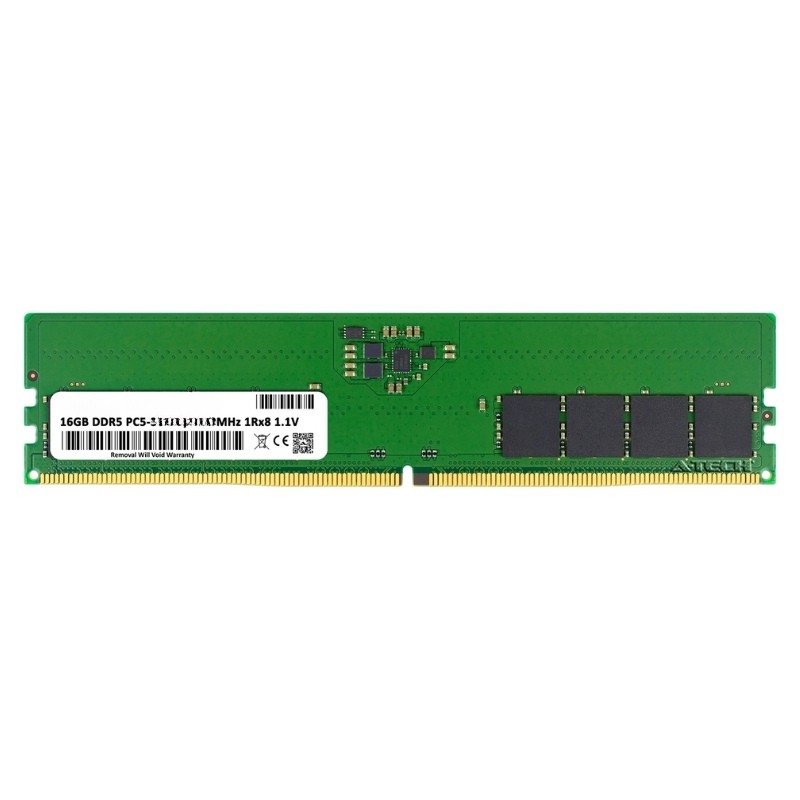


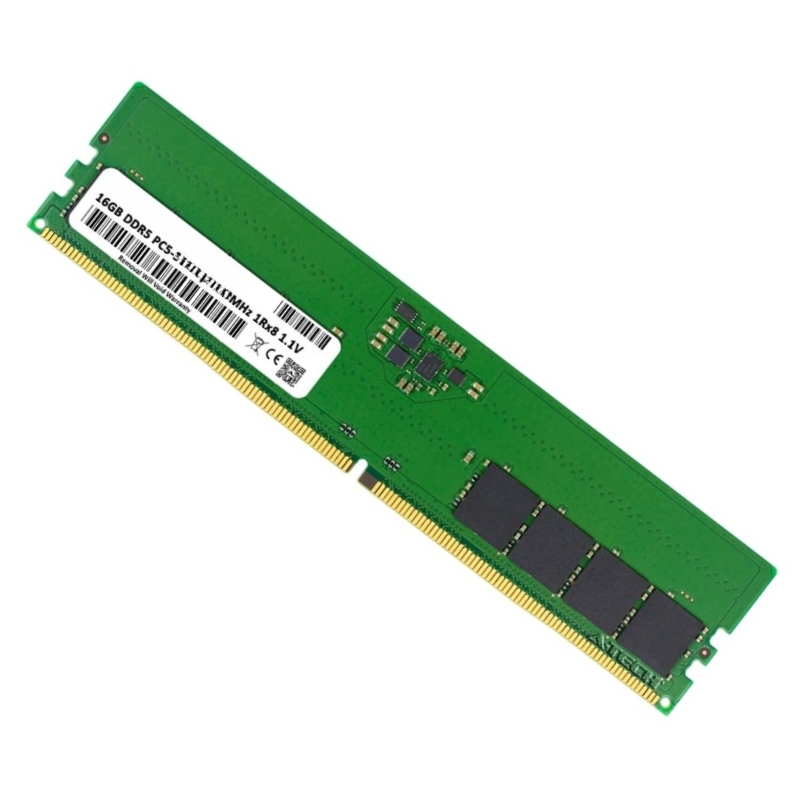
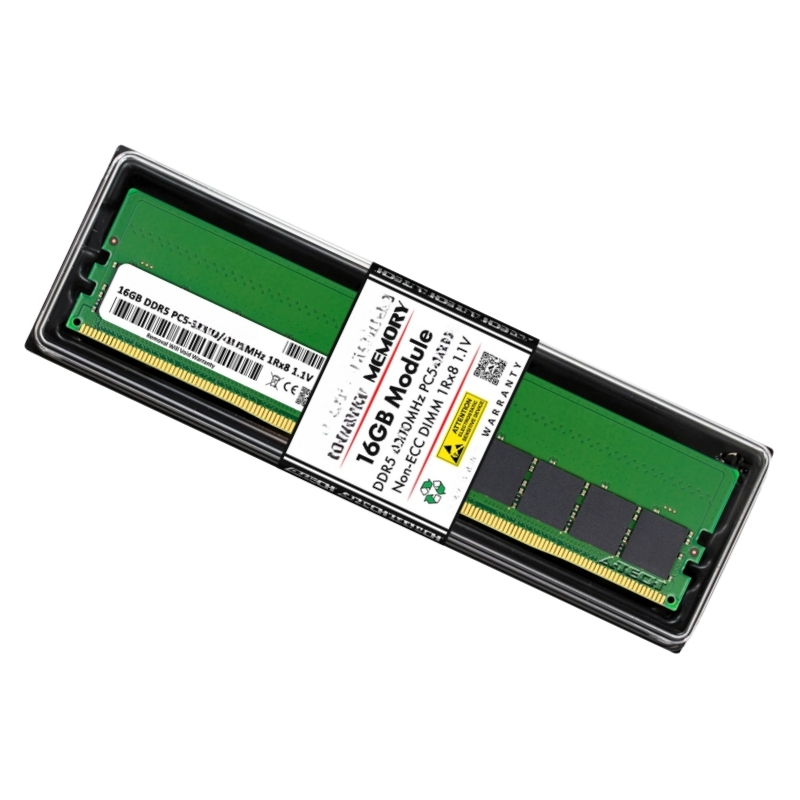
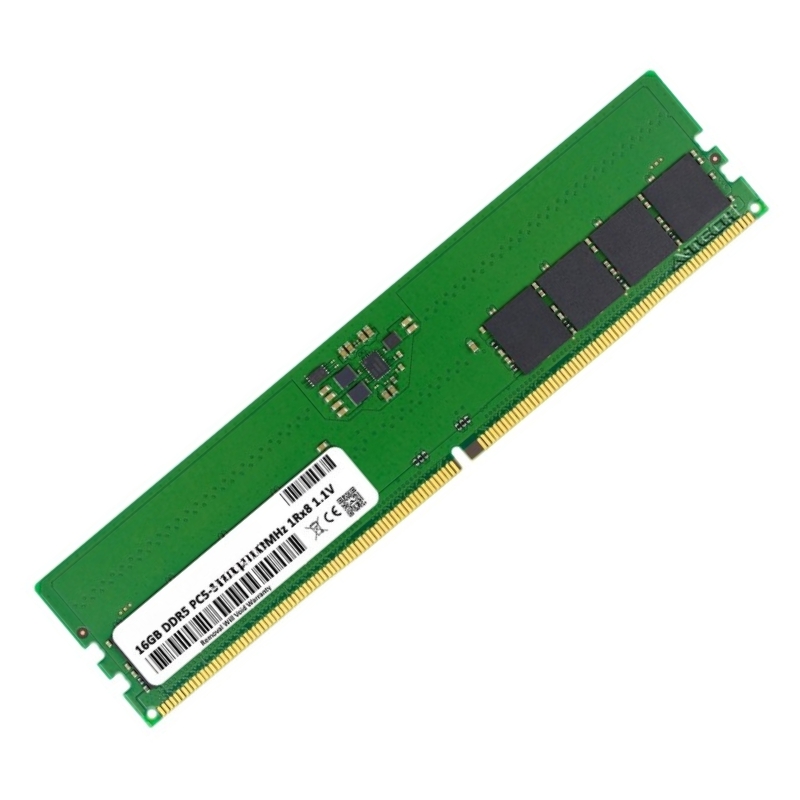
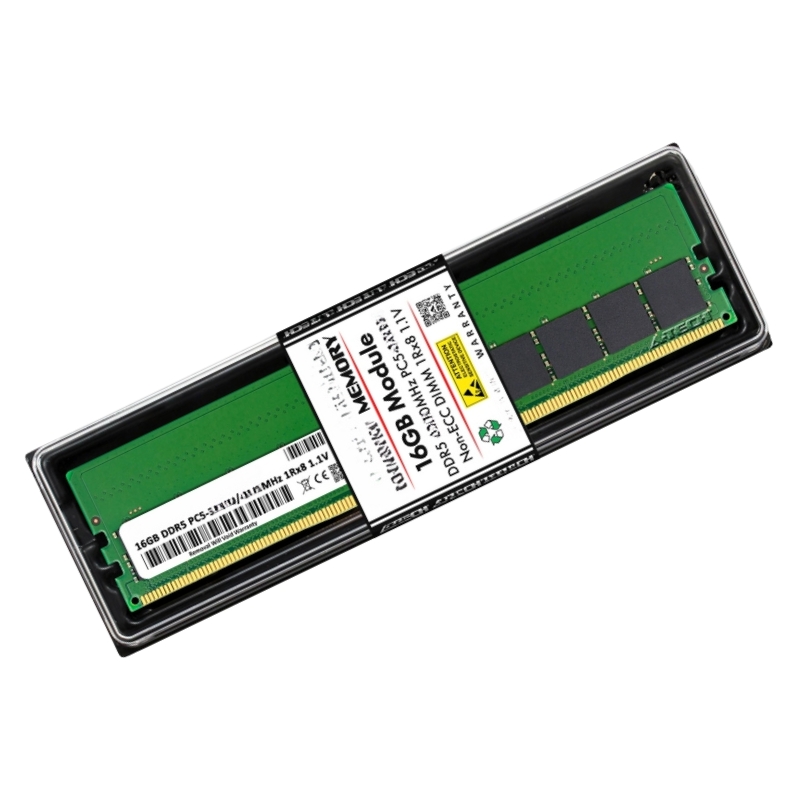
Dell SNP5DR48C/16GVXR16G 16GB DDR5 5600MT/s Cl46 RDIMM PC5-44800 1RX8 ECC Registered 288-Pin Memory. New Sealed in Box (NIB). Samsung Version
The Dell SNP5DR48C/16G 16GB DDR5-5600 ECC Registered RDIMM is engineered to deliver consistent, high-speed performance in modern data center and enterprise computing environments. Built with advanced DDR5 SDRAM architecture and optimized for server-grade reliability, this 16GB memory module is designed to handle virtualization, cloud computing, database processing, and mission-critical workloads with stability and precision.
The Dell SNP5DR48C/16GVXR16G 16GB DDR5 5600MT/s CL46 RDIMM PC5-44800 1Rx8 ECC Registered 288-Pin Memory is engineered for enterprise-class servers and professional workstations that demand reliability, scalability, and exceptional bandwidth. Built with next-generation DDR5 architecture, this registered DIMM module is designed to optimize data throughput, enhance system responsiveness, and maintain operational integrity in mission-critical environments. Whether deployed in virtualization platforms, database clusters, cloud infrastructures, or high-performance computing setups, this 16GB DDR5 RDIMM delivers consistent and dependable memory performance.
DDR5 memory introduces substantial improvements over previous-generation DDR4 modules, including higher data transfer rates, improved power efficiency, and increased memory density. With a speed rating of 5600MT/s, this Dell 16GB DDR5 RDIMM significantly enhances bandwidth capacity, allowing servers to process large datasets faster and more efficiently. The PC5-44800 classification indicates its ability to handle up to 44.8GB/s of theoretical bandwidth, ensuring seamless multitasking and faster data handling in enterprise workloads.
The 5600MT/s transfer speed is particularly beneficial for compute-intensive applications such as artificial intelligence, machine learning, big data analytics, virtualization, and high-frequency transaction processing. Higher memory bandwidth reduces latency bottlenecks and ensures that CPUs and other components receive data without delays, maximizing overall system throughput.
This 16GB DDR5 module incorporates ECC (Error-Correcting Code) technology, which automatically detects and corrects single-bit memory errors before they impact system operations. ECC functionality is critical in enterprise servers where data accuracy is non-negotiable. By preventing memory-related crashes and minimizing data corruption risks, ECC ensures continuous uptime and operational stability.
As a Registered DIMM (RDIMM), this memory module includes a register between the DRAM modules and the system memory controller. This buffering mechanism reduces electrical load on the memory controller, enabling greater memory capacity and improved signal integrity. Registered memory is particularly suited for servers with multiple memory slots, as it ensures stable communication even when fully populated.
RDIMM modules like the Dell SNP5DR48C/16GVXR16G are designed for multi-socket server platforms where stability under heavy workloads is essential. By minimizing signal noise and electrical stress, RDIMM memory allows IT administrators to scale systems efficiently while maintaining reliable performance.
The module operates at 5600MT/s with a CAS latency of CL46. While latency figures are higher in DDR5 compared to earlier standards, the increased data rate compensates for this, resulting in superior real-world performance. The combination of high transfer speed and optimized latency ensures responsive computing in data-intensive environments.
With a PC5-44800 designation, this DDR5 RDIMM supports a theoretical maximum bandwidth of 44.8GB per second. This high throughput capability allows enterprise systems to handle concurrent workloads, virtual machines, and large-scale data processing without memory bottlenecks.
The 1Rx8 configuration refers to a single-rank module with x8 chip organization. This architecture balances performance and efficiency, making it suitable for mainstream enterprise deployments. Single-rank modules can offer compatibility advantages in certain server platforms while maintaining excellent performance characteristics.
Designed in a standard 288-pin RDIMM form factor, this memory module fits compatible DDR5 server motherboards and workstation platforms. The physical layout ensures secure installation and reliable electrical connectivity within enterprise-grade systems.
Virtualized environments rely heavily on memory resources. The Dell 16GB DDR5 ECC Registered module provides the stability and bandwidth required to support multiple virtual machines simultaneously. High transfer speeds reduce latency in hypervisor operations, ensuring smooth allocation of memory resources across workloads.
Modern relational and NoSQL databases benefit significantly from high-speed memory. Increased bandwidth accelerates query execution, indexing operations, and in-memory caching processes. ECC protection further guarantees the integrity of stored and processed information, making this RDIMM ideal for mission-critical database deployments.
Scientific simulations, engineering design, and research computations require reliable and consistent memory performance. The DDR5 5600MT/s speed ensures that large datasets can be processed rapidly, while ECC safeguards results against memory-related errors.
DDR5 memory introduces on-module power management integrated circuits (PMICs), improving voltage regulation and reducing power consumption compared to previous generations. Enhanced power efficiency not only lowers operational costs but also supports greener data center initiatives.
Enterprise servers often operate around the clock. The Dell SNP5DR48C/16GVXR16G is engineered to maintain thermal stability under sustained workloads. Reliable thermal performance contributes to longer hardware lifespan and consistent server reliability.
This memory module is specifically validated for compatibility with Dell enterprise servers and workstations. Optimized firmware integration ensures seamless installation and maximum performance within supported systems. Choosing manufacturer-certified memory helps avoid compatibility issues and maintains warranty compliance.
Dell DDR5 RDIMM modules are suitable for next-generation server platforms that support DDR5 technology. The 16GB capacity allows flexible scaling strategies, whether upgrading an existing server or configuring a new deployment with balanced memory distribution.
Data centers and enterprise IT environments prioritize uptime and reliability. ECC registered memory minimizes unexpected crashes caused by memory faults, ensuring continuous service availability for end users and applications.
The robust build quality and enterprise validation process ensure that this 16GB DDR5 RDIMM delivers consistent performance over time. It is engineered to withstand high workload demands, making it a dependable component in long-term IT infrastructure planning.
ERP platforms require fast and reliable memory to handle integrated business operations. High-speed DDR5 RDIMM modules accelerate data retrieval and processing tasks, ensuring responsive system performance.
Application servers managing high traffic volumes benefit from enhanced bandwidth and error correction capabilities. The Dell 16GB DDR5 5600MT/s module supports stable and scalable web hosting environments.
AI-driven systems process vast datasets that require efficient memory handling. The high transfer rate and improved power efficiency of DDR5 make it suitable for data-intensive computational tasks.
High-speed DDR5 RDIMM modules enable efficient resource allocation across workloads. Faster memory access times reduce CPU idle cycles, ensuring maximum utilization of server hardware.
ECC and registered buffering technologies minimize the likelihood of unexpected system interruptions, safeguarding enterprise operations against costly downtime.
Modern data centers require the ability to manage diverse applications simultaneously. The combination of 5600MT/s speed and reliable error correction supports heavy multitasking demands without compromising system stability.


 Contact Us
 Information
 Catalog
 Solid State Drives (SSD)
 Network Switches
 Hard Disk Drives
 HBA & Controllers
 PC & Servers
 PC & Server Memory
 CPU & Processors
 Network Routers
 Power Supplies
 Tape Drives & Libraries
 Network Devices
 Computer & Network Cables