
(7% discount is applied at checkout)
Cart is empty
Your go-to destination for cutting-edge server products
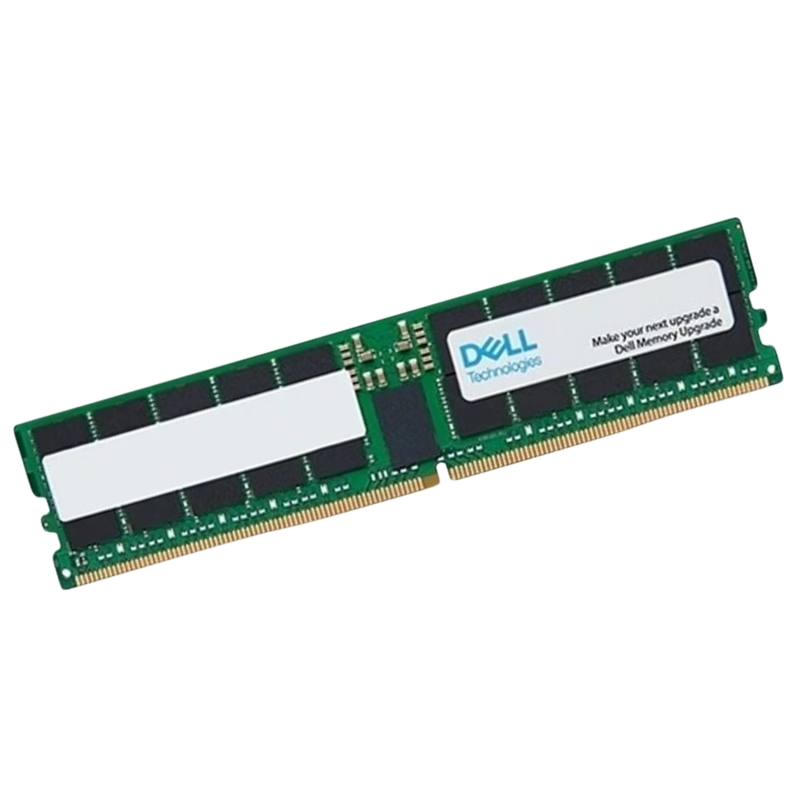
Dell SNP9R6CMC/256VXR 256GB DDR4 3200MHz PC4 25600 CL22 ECC Octal Rank X4 SDRAM 288-Pin LRDIMM Memory Module. New Sealed in Box (NIB). Samsung Version
The Dell SNP9R6CMC/256VXR 256GB DDR4 3200MHz PC4-25600 CL22 ECC Octal Rank x4 SDRAM is a premium memory module designed for enterprise-grade servers. With advanced error correction, registered buffering, and large-scale capacity, it ensures stability, speed, and efficiency for mission-critical workloads.
The Dell SNP9R6CMC/256VXR 256GB DDR4 3200MHz PC4-25600 CL22 ECC Octal Rank x4 SDRAM 288-Pin LRDIMM memory module represents a high-capacity enterprise-grade memory solution designed to enhance the performance, scalability, and stability of modern data center servers. This load-reduced DIMM module is engineered specifically for demanding server environments where large memory capacity, reliability, and consistent data throughput are essential. Organizations running virtualization platforms, large databases, analytics workloads, and cloud infrastructures rely on advanced server memory modules like this one to ensure optimal computing efficiency.
With a massive 256GB capacity per module, the Dell SNP9R6CMC/256VXR allows IT professionals to significantly expand server memory resources while maintaining stability and performance. Its DDR4 architecture provides improved bandwidth and energy efficiency compared with older memory technologies, enabling data centers to scale operations while minimizing power consumption. Operating at 3200MHz with PC4-25600 bandwidth, this memory module supports high-speed data transfers that are essential for modern enterprise applications.
Enterprise-grade memory modules are designed to support complex computing workloads that require constant data access and uninterrupted processing. Unlike consumer-grade memory used in desktops or laptops, server memory modules must deliver enhanced reliability, larger capacities, and specialized technologies such as ECC and LRDIMM architecture. The Dell SNP9R6CMC/256VXR memory module incorporates these enterprise features to ensure dependable operation in mission-critical server systems.
DDR4 SDRAM technology introduced significant improvements over DDR3 memory by increasing bandwidth, reducing power consumption, and enabling higher module densities. Servers utilizing DDR4 memory benefit from improved processing efficiency, reduced latency in data handling, and enhanced scalability when deploying high-capacity configurations.
The Dell SNP9R6CMC/256VXR leverages DDR4 architecture to deliver consistent performance under heavy workloads. Its 3200MHz operating frequency allows servers to access data more quickly, which directly improves application responsiveness. In large data environments, where multiple virtual machines or enterprise databases run simultaneously, faster memory speeds help prevent bottlenecks in CPU processing pipelines.
PC4-25600 refers to the theoretical maximum transfer rate of DDR4 memory operating at 3200MT/s. This high bandwidth ensures that data can move efficiently between the processor and memory modules. For enterprise servers handling massive workloads such as machine learning models, virtualization clusters, or large-scale analytics platforms, bandwidth is a critical factor affecting overall system throughput.
The Dell SNP9R6CMC/256VXR module delivers a data transfer capability of up to 25.6GB per second. This level of performance ensures that high-demand workloads maintain smooth operation even during peak computational tasks.
Load Reduced DIMM technology is specifically designed to support extremely high-capacity memory configurations in servers. Traditional registered DIMMs can place significant electrical load on the memory controller when large numbers of modules are installed. LRDIMM modules solve this problem by incorporating an isolation memory buffer that reduces electrical stress on the memory controller.
The integrated buffer on LRDIMM modules manages data signals between the memory controller and the DRAM chips. By isolating the controller from the direct electrical load of the DRAM components, the buffer allows more memory modules to be installed without compromising signal integrity.
This architecture enables servers to support larger memory capacities per CPU socket. In high-density enterprise servers, deploying multiple 256GB LRDIMM modules allows organizations to reach several terabytes of total memory capacity while maintaining system stability.
Servers designed for virtualization, large database environments, and in-memory analytics require enormous memory pools. LRDIMM modules like the Dell SNP9R6CMC/256VXR provide the scalability needed to expand system memory far beyond the limits of standard RDIMM configurations.
This scalability allows IT teams to consolidate workloads on fewer physical servers while maintaining performance. By increasing available memory resources, organizations can run more virtual machines, larger databases, and more complex analytics workloads without upgrading CPU infrastructure.
Data integrity is one of the most important considerations in enterprise computing environments. Memory errors caused by electrical interference, hardware faults, or environmental factors can lead to data corruption or system crashes. ECC memory technology helps prevent these issues by detecting and correcting memory errors automatically.
The ECC mechanism monitors data stored in memory and identifies single-bit errors that may occur during operation. When an error is detected, the memory controller corrects it immediately before it affects system performance or application stability. This process happens in real time and without interrupting server operations.
By incorporating ECC technology, the Dell SNP9R6CMC/256VXR module ensures consistent system reliability, which is crucial for servers running financial systems, healthcare databases, scientific research workloads, and other mission-critical applications.
ECC memory significantly reduces the likelihood of unexpected crashes or corrupted data. In enterprise environments where uptime is essential, maintaining stable memory operations is a top priority. Servers equipped with ECC-enabled memory modules experience fewer system interruptions, allowing organizations to maintain continuous operations.
The Dell SNP9R6CMC/256VXR module utilizes an octal rank design combined with x4 DRAM organization. This configuration allows the module to store massive amounts of data while maintaining efficient data access patterns.
An octal rank memory module contains eight ranks of memory chips that operate in coordinated sequences. Each rank functions as a separate block of memory that the controller can access independently. This design improves memory density and enables larger capacity modules like the 256GB configuration offered by this Dell memory solution.
By distributing memory chips across multiple ranks, the module optimizes access efficiency and improves parallel processing capabilities within the memory subsystem.
The x4 memory architecture refers to DRAM chips that transfer four bits of data per cycle. This configuration is commonly used in enterprise memory modules because it enhances error correction capabilities and improves overall reliability in ECC environments.
Combining octal rank design with x4 DRAM architecture allows the Dell SNP9R6CMC/256VXR module to deliver both high capacity and exceptional reliability, making it ideal for enterprise-class servers.
Memory speed plays a crucial role in determining how quickly a server can process information. With a clock speed of 3200MHz, this DDR4 module enables faster communication between the CPU and system memory.
Servers handling data-intensive applications such as artificial intelligence training models, financial trading systems, or big data analytics rely heavily on memory bandwidth. Faster memory speeds ensure that the CPU can retrieve data without delays, allowing applications to operate efficiently.
The 3200MHz performance level of the Dell SNP9R6CMC/256VXR module ensures that enterprise workloads benefit from reduced latency and improved throughput.
Modern server processors feature dozens of cores capable of running multiple threads simultaneously. These processors require fast memory access to maintain optimal performance levels. High-speed DDR4 memory modules ensure that each CPU core can retrieve data quickly, preventing bottlenecks in processing tasks.
The Dell SNP9R6CMC/256VXR uses the industry-standard 288-pin DIMM form factor designed for DDR4 server memory modules. This standardized interface ensures compatibility with a wide range of enterprise server platforms.
Enterprise server systems from Dell are designed to support high-capacity LRDIMM modules like this one. These servers utilize advanced memory controllers capable of handling large memory configurations across multiple channels.
The 288-pin design ensures stable electrical connections and optimal signal integrity, which are essential for high-speed memory operation.
One of the defining features of the Dell SNP9R6CMC/256VXR module is its massive 256GB capacity. Large memory modules allow servers to run demanding applications that require substantial memory resources.
Virtualized environments depend heavily on system memory because each virtual machine requires dedicated memory allocation. With 256GB available in a single module, servers can support significantly more virtual machines while maintaining consistent performance.
This capability is especially valuable for cloud hosting providers and enterprise IT departments managing large virtualization clusters.
In-memory databases store large datasets directly in RAM rather than on disk storage. This approach dramatically improves query performance and data processing speed. High-capacity memory modules like the Dell SNP9R6CMC/256VXR are essential for supporting these advanced database architectures.
Energy consumption and heat generation are critical considerations in modern data centers. Efficient memory modules contribute to lower operating costs and improved thermal management.
DDR4 memory technology operates at lower voltage levels compared with previous generations. This reduced power requirement decreases overall energy usage within server systems.
By utilizing efficient DDR4 architecture, the Dell SNP9R6CMC/256VXR module helps organizations optimize energy efficiency while maintaining high performance levels.
High-capacity memory modules can generate significant heat during operation. Dell server memory modules are designed with thermal stability in mind, ensuring that they maintain consistent performance even under heavy workloads.
Efficient thermal characteristics help reduce cooling demands in large-scale data center environments.
The Dell SNP9R6CMC/256VXR memory module is widely used in enterprise data centers where performance, scalability, and reliability are critical requirements. Its advanced architecture makes it suitable for a wide range of professional computing environments.
Cloud platforms require high-capacity memory resources to support thousands of simultaneous users and applications. Servers equipped with large LRDIMM modules can allocate memory dynamically across virtual machines, ensuring smooth cloud service delivery.
AI and machine learning workloads often process massive datasets that must be loaded into memory for rapid computation. High-capacity DDR4 memory modules enable servers to train models faster and analyze complex datasets efficiently.
Large relational databases and analytics platforms benefit significantly from expanded memory capacity. By storing frequently accessed data in RAM, servers can deliver faster query results and improved user experiences.
Enterprise organizations depend on stable server infrastructure to maintain daily operations. Memory reliability directly affects system uptime and data integrity.
Data corruption in memory can lead to serious operational disruptions. By combining ECC technology with enterprise-grade manufacturing standards, this Dell memory module protects critical information and maintains system stability.


 Contact Us
 Information
 Catalog
 Solid State Drives (SSD)
 Network Switches
 Hard Disk Drives
 HBA & Controllers
 PC & Servers
 PC & Server Memory
 CPU & Processors
 Network Routers
 Power Supplies
 Tape Drives & Libraries
 Network Devices
 Computer & Network Cables