
(7% discount is applied at checkout)
Cart is empty
Your go-to destination for cutting-edge server products
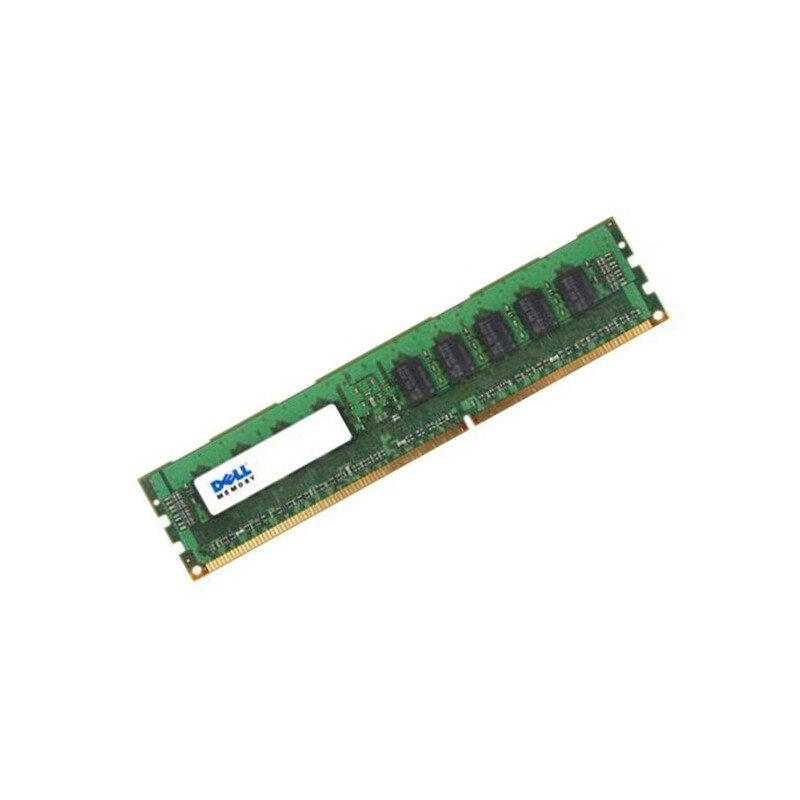
Dell SNPDFK3YC/16G 16GB RAM 2666MHZ PC4-21300 DDR4 SDRAM 288-Pin Cl19 Ecc Registered. New (System) Pull with 1 year replacement warranty - Hynix Version
The SNPDFK3YC/16G Dell 16GB 2666MHz PC4-21300 DDR4 SDRAM 288-Pin CL19 ECC Registered RAM represents a specialized class of enterprise memory designed to deliver reliability, stability, and performance in server and workstation environments. As modern data centers and professional computing infrastructures continue to demand higher memory capacities and improved error resilience, ECC registered memory modules like the Dell SNPDFK3YC/16G become essential components. This category focuses on high-performance server-grade DDR4 memory designed to meet the needs of virtualization platforms, enterprise applications, high-traffic databases, and mission-critical computing environments.
The Dell 16GB 2666MHz PC4-21300 DDR4 ECC Registered RAM module is built on DDR4 architecture, which provides significant improvements over previous DDR3 technologies. DDR4 memory offers higher data transfer rates, lower power consumption, and improved signal integrity. These characteristics are essential for enterprise servers that run continuously and process large amounts of data.
DDR4 technology improves bandwidth and memory density, allowing systems to handle more simultaneous tasks while maintaining consistent performance. With a speed rating of 2666MHz, this module delivers efficient throughput for demanding workloads including virtualization clusters, database operations, and high-performance computing tasks.
One of the primary advantages of DDR4 memory is its improved power efficiency. Operating typically at 1.2V instead of the higher voltage required by older memory technologies, DDR4 reduces power consumption across server infrastructures. This helps organizations manage operational costs while maintaining reliable performance.
Another critical benefit of DDR4 architecture is its improved command and address bus design. These improvements enhance signal reliability and data integrity during high-speed transfers. For enterprise servers that handle large datasets and real-time processing tasks, stable and consistent memory performance is essential.
The PC4-21300 specification indicates a theoretical maximum bandwidth of 21.3GB per second. This bandwidth capacity allows the memory module to transfer data quickly between the CPU and system memory, which is crucial for performance-intensive server applications. High bandwidth ensures efficient handling of virtualization workloads, high-volume transactions, and large-scale data processing.
Enterprise workloads often involve multiple simultaneous processes that compete for memory resources. High-bandwidth DDR4 memory ensures that data can move quickly between system components, reducing latency and improving overall system responsiveness.
Error Correcting Code technology is one of the most important features that distinguish enterprise server memory from standard desktop RAM. ECC memory is designed to detect and correct single-bit memory errors automatically. These errors may occur due to electrical interference, cosmic radiation, or hardware faults.
Without ECC protection, such errors could lead to corrupted data, system crashes, or application failures. In environments where data accuracy is critical, such as financial systems, medical databases, and cloud infrastructure platforms, even minor memory errors can cause serious operational disruptions.
The ECC functionality built into the Dell SNPDFK3YC/16G module provides an additional layer of protection by constantly monitoring memory operations and correcting errors before they impact system performance. This capability ensures reliable operation in mission-critical computing environments.
Data integrity is fundamental for organizations that rely on real-time computing and database operations. ECC memory continuously checks data stored in memory cells using parity bits and mathematical algorithms. When an error is detected, the memory controller automatically corrects it before the data is used by the system.
This proactive correction process prevents system instability and ensures accurate data processing. In large enterprise servers where hundreds of gigabytes of memory may be installed, ECC technology significantly reduces the risk of system-level errors.
Registered memory, also known as buffered memory, is another essential feature of the Dell SNPDFK3YC/16G RAM module. Registered memory modules include a register placed between the memory controller and the memory chips. This register buffers the command and address signals before they reach the memory modules.
By buffering these signals, registered memory reduces electrical load on the memory controller, allowing systems to support larger numbers of memory modules. This is particularly important in enterprise servers that require large memory capacities for virtualization and database workloads.
Without registered buffering, signal integrity could degrade when multiple memory modules are installed. Registered memory ensures stable communication between the CPU and RAM, even in high-capacity configurations.
Servers designed for enterprise environments often contain multiple memory slots across several CPU sockets. Installing numerous memory modules increases electrical complexity and signal load. Registered memory solves this problem by isolating memory signals and stabilizing communication between components.
This design allows IT professionals to install large amounts of RAM without sacrificing system reliability. Servers that require hundreds of gigabytes or even terabytes of memory rely heavily on registered ECC modules to maintain stability.
The 2666MHz operating speed of the Dell SNPDFK3YC/16G module offers an optimal balance between performance and efficiency for many enterprise server platforms. Memory speed directly affects how quickly the processor can access data stored in RAM.
Higher memory speeds enable faster data retrieval, reduced latency, and improved responsiveness for memory-intensive workloads. Applications such as virtual machines, large database systems, and cloud services benefit significantly from faster memory speeds.
At 2666MHz, this memory module supports modern Intel Xeon server platforms and compatible workstation systems that are designed to leverage DDR4 performance capabilities.
CAS latency refers to the delay between a memory controller requesting data and the memory module delivering that data. The CL19 rating indicates the latency cycles required for this process.
Although latency numbers are higher for faster DDR4 memory compared to older memory technologies, the increased clock speeds compensate by delivering faster real-world performance. The CL19 latency rating provides a reliable balance between speed and stability in enterprise environments.
The Dell SNPDFK3YC/16G memory module uses the 288-pin DIMM form factor, which is the standard design for DDR4 server and workstation memory. The DIMM (Dual Inline Memory Module) design allows memory chips to be mounted on both sides of the circuit board, enabling higher capacity configurations.
The 288-pin layout improves electrical connectivity and signal integrity compared to previous memory designs. Each pin serves a specific function in transmitting power, commands, addresses, or data between the memory module and the system motherboard.
This form factor ensures compatibility with enterprise-grade server motherboards that support DDR4 registered ECC memory modules.
Not all systems support ECC registered memory. The Dell SNPDFK3YC/16G module is specifically designed for server platforms and professional workstations that include memory controllers capable of handling ECC and registered memory architectures.
Common compatible platforms include enterprise server systems built with Intel Xeon processors or other enterprise-grade chipsets designed for ECC support. Before installation, system compatibility should always be verified to ensure optimal performance.
Data centers operate under demanding conditions where uptime, reliability, and performance are critical. Memory modules used in these environments must support continuous operation while maintaining consistent performance under heavy workloads.
The Dell 16GB DDR4 ECC Registered RAM module is designed specifically for these environments. Its architecture supports large-scale computing infrastructure including virtualization clusters, database servers, cloud platforms, and enterprise resource planning systems.
Data centers benefit from ECC protection, registered buffering, and high bandwidth because these features reduce the risk of system failures and improve operational stability.
Scalability is a major requirement for modern server infrastructures. As organizations grow and their data processing needs increase, servers must be capable of expanding memory capacity.
Registered ECC memory modules enable servers to support more DIMMs without compromising signal stability. This allows IT teams to scale memory capacity as needed without redesigning the hardware infrastructure.
Virtualization technologies allow multiple virtual machines to run on a single physical server. Each virtual machine requires dedicated memory resources to operate effectively. As virtualization environments grow, memory capacity becomes one of the most important factors influencing performance.
The Dell SNPDFK3YC/16G 16GB ECC Registered RAM module supports virtualization workloads by providing reliable, high-capacity memory for virtual machine environments. Servers equipped with multiple modules can allocate sufficient memory to each virtual instance while maintaining system stability.
Cloud computing platforms also rely heavily on server memory. Cloud service providers must ensure that their infrastructure can handle large numbers of concurrent users and workloads. ECC registered memory helps maintain consistent service availability and prevents data corruption in shared computing environments.
Hypervisors such as VMware, Hyper-V, and other virtualization platforms depend heavily on system memory. Memory overcommitment, ballooning, and caching mechanisms all rely on stable and high-capacity RAM.
Using reliable ECC registered memory ensures that virtualization hosts operate smoothly even when handling dozens or hundreds of virtual machines simultaneously.
Enterprise databases such as SQL-based systems and large-scale analytics platforms require substantial memory resources to maintain high performance. In-memory caching, query processing, and indexing operations all rely heavily on RAM.
The Dell SNPDFK3YC/16G DDR4 module helps database servers maintain rapid data access speeds while ensuring that stored data remains accurate and protected from memory errors.
Applications such as ERP systems, CRM platforms, and large enterprise software solutions also benefit from increased memory capacity. These systems often manage complex datasets and simultaneous user operations that demand reliable memory performance.
Memory failures or data corruption can cause costly downtime for enterprise organizations. ECC registered memory significantly reduces the likelihood of system crashes caused by memory errors.
By automatically detecting and correcting memory faults, ECC technology helps maintain continuous server operation. This is particularly important for businesses that rely on 24/7 service availability.
Dell enterprise servers are designed to operate with validated and optimized hardware components. The SNPDFK3YC/16G memory module is engineered specifically to integrate seamlessly with compatible Dell PowerEdge servers and other supported platforms.
Using manufacturer-certified memory modules ensures compatibility, optimal performance, and full system support. Dell-certified components undergo rigorous testing to meet enterprise reliability standards.
This integration ensures that system firmware, BIOS configurations, and memory controllers work efficiently with the installed memory modules.
Enterprise memory modules undergo extensive quality testing before deployment in data center environments. These tests include thermal performance validation, signal integrity verification, and long-duration reliability assessments.
The Dell SNPDFK3YC/16G memory module meets strict reliability standards to ensure dependable operation under continuous workloads. These quality measures are essential for organizations that require consistent server performance.
Energy efficiency plays an important role in large-scale server deployments. DDR4 memory modules like the Dell 16GB 2666MHz ECC Registered RAM are designed to consume less power than previous-generation memory technologies.
Lower power consumption reduces heat generation within server systems, which improves overall thermal management and contributes to longer hardware lifespan.
Efficient thermal performance is essential for densely packed server racks where maintaining optimal temperatures is critical for reliable operation.
Cooling systems represent a significant portion of data center operational costs. Energy-efficient memory modules help reduce heat output, allowing cooling systems to operate more efficiently.
By using DDR4 memory with lower voltage requirements, organizations can reduce both power consumption and cooling expenses while maintaining high system performance.
Memory upgrades are one of the most effective ways to improve server performance without replacing the entire system. Installing additional ECC registered memory modules allows servers to handle larger workloads and support more simultaneous users.
The Dell SNPDFK3YC/16G module provides a practical building block for memory expansion strategies in enterprise environments. Servers with multiple DIMM slots can gradually increase memory capacity by installing additional modules as workload demands grow.
This scalability approach helps organizations maximize the lifespan of their existing hardware infrastructure while improving system performance.
Modern server processors include multiple memory channels that enable parallel data transfers between the CPU and RAM. Installing memory modules evenly across these channels improves performance by allowing the system to utilize multi-channel memory architectures.
Proper memory configuration ensures optimal bandwidth and reduces bottlenecks in data-intensive workloads.
The 16GB capacity of the Dell SNPDFK3YC/16G memory module makes it suitable for a wide range of enterprise computing scenarios. When combined with multiple modules, servers can reach high memory capacities required for complex workloads.
Common use cases include virtualization servers, database management systems, cloud infrastructure platforms, application hosting environments, and high-performance computing clusters.
Organizations can deploy these modules in scalable configurations to support both current workloads and future expansion requirements.
In addition to server deployments, ECC registered memory may also be used in professional workstation systems designed for engineering, scientific computing, and advanced simulation workloads.
These workstations benefit from ECC protection and high-capacity memory configurations when processing large datasets or performing computationally intensive tasks.


 Contact Us
 Information
 Catalog
 Solid State Drives (SSD)
 Network Switches
 Hard Disk Drives
 HBA & Controllers
 PC & Servers
 PC & Server Memory
 CPU & Processors
 Network Routers
 Power Supplies
 Tape Drives & Libraries
 Network Devices
 Computer & Network Cables