(7% discount is applied at checkout)
Cart is empty
Your go-to destination for cutting-edge server products
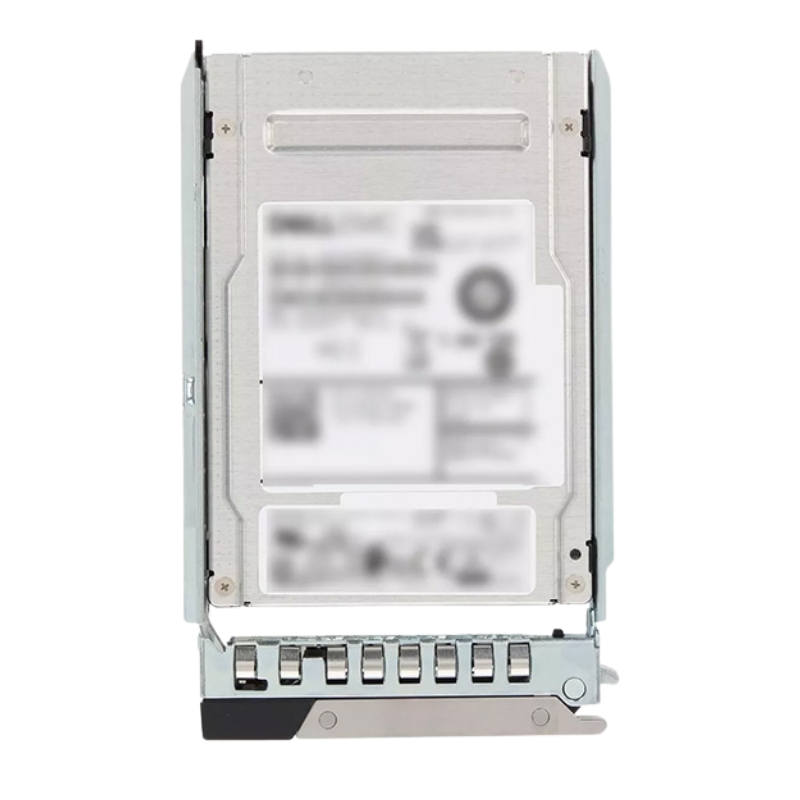


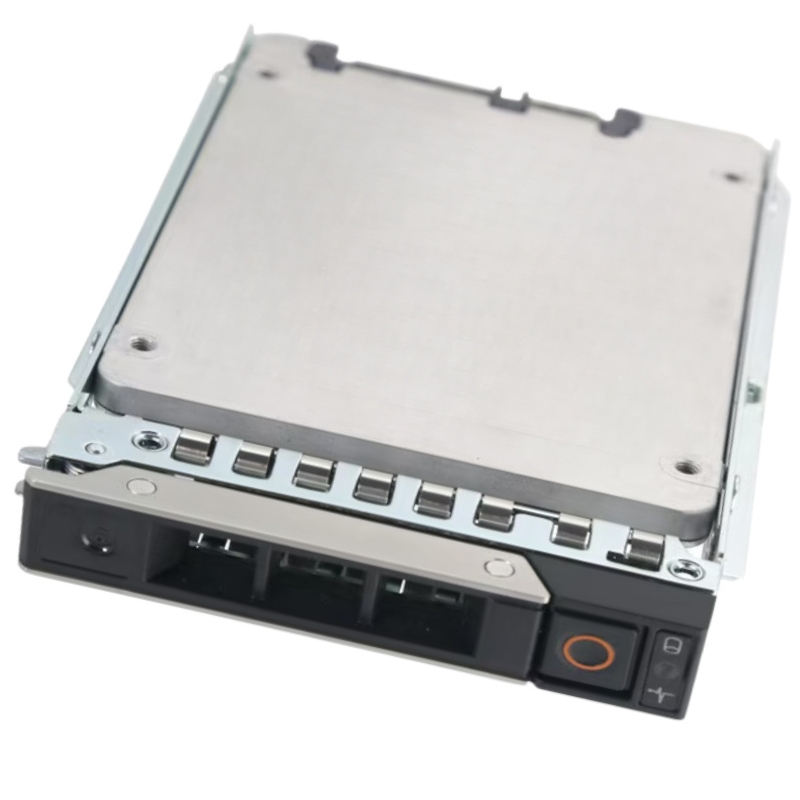
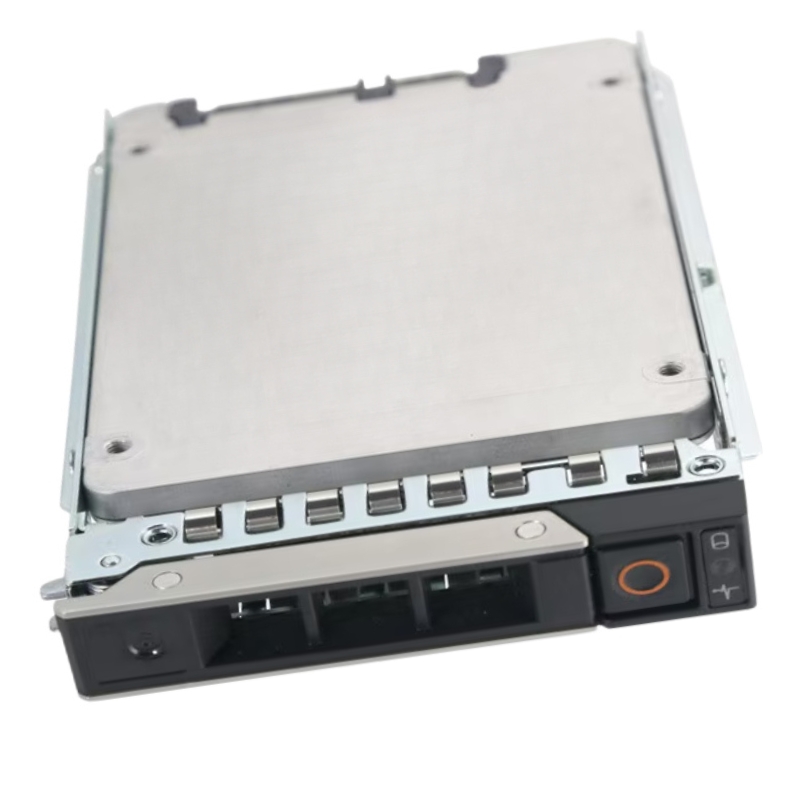
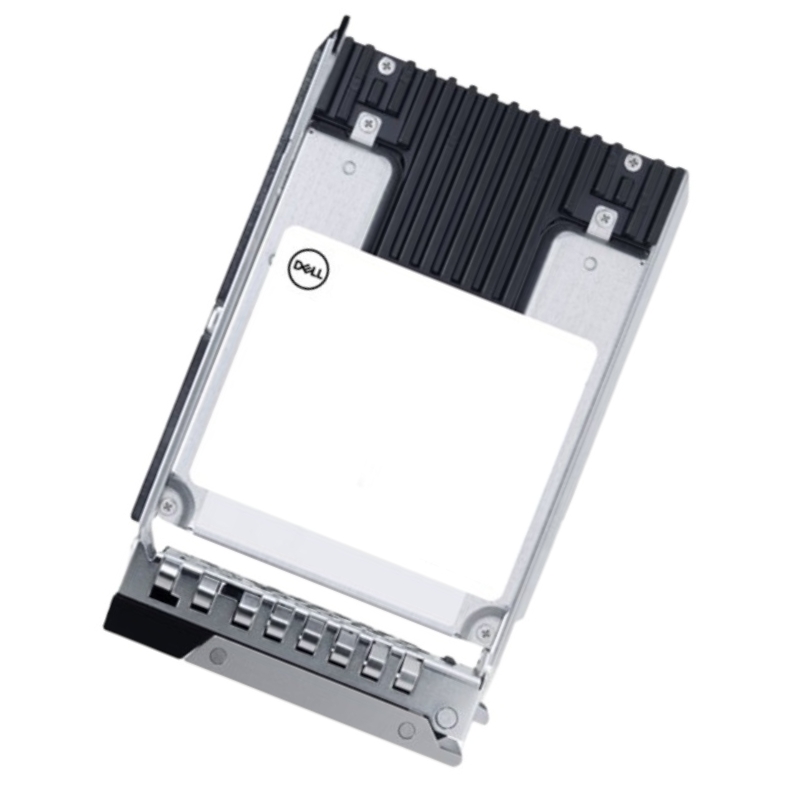
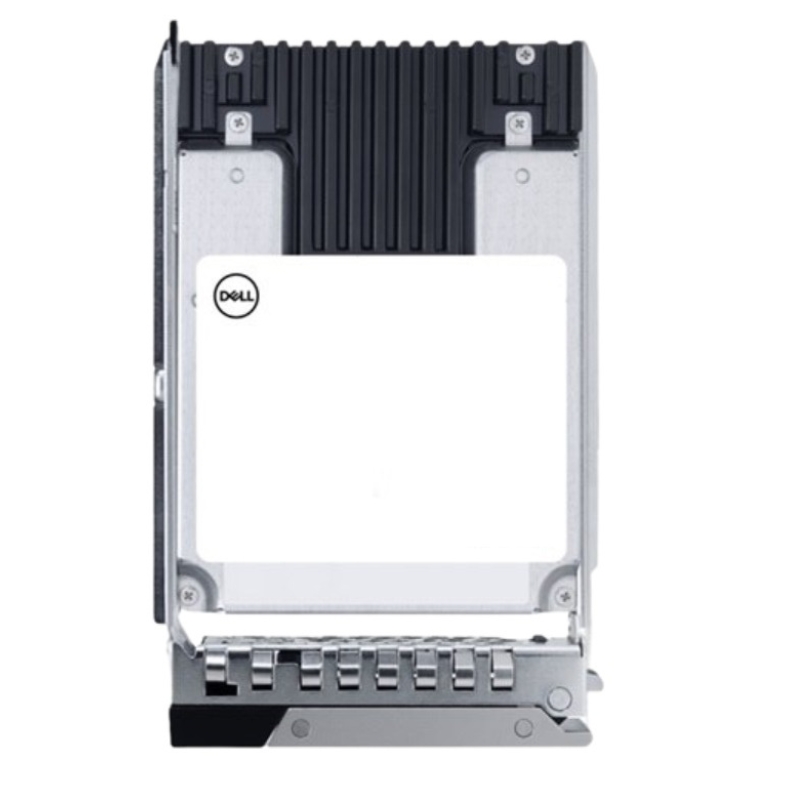
Dell T1RHN 960GB SAS 24GBPS Read Intensive TLC 1 DWPD 2.5 Inch Enterprise Class Solid State Drive. New Sealed in Box (NIB) with 1 Year Warranty
The Dell T1RHN 960GB SAS Solid State Drive is a high-performance, enterprise-grade storage solution designed for data centers, servers, and mission-critical workloads. Built with read-intensive endurance and advanced security features, this SSD delivers consistent speed, reliability, and scalability for modern IT environments.
This Dell enterprise SSD includes self-encrypting drive technology with FIPS 140 compliance, ensuring strong data protection and secure storage for sensitive business information.
Enterprise storage environments demand consistency, reliability, and predictable performance under sustained workloads. The category of enterprise-class Serial Attached SCSI (SAS) solid state drives is designed specifically to address these requirements. Unlike consumer or entry-level SSDs, enterprise SAS SSDs operate in mission-critical servers, storage arrays, and data center infrastructures where uptime, data integrity, and long-term endurance are essential.
This category focuses on read-intensive enterprise SSDs that use Triple-Level Cell (TLC) NAND flash technology while maintaining advanced controller logic, firmware optimization, and endurance ratings suitable for continuous operation. Products in this category are engineered to support high-speed data access, low latency, and robust error correction while integrating seamlessly into enterprise server ecosystems.
Dell enterprise SSDs are developed to align with the strict validation and compatibility requirements of Dell PowerEdge servers and supported storage platforms. This category includes SAS SSDs that operate at up to 24Gbps, offering a significant performance advantage over legacy SATA solutions while ensuring backward compatibility with established SAS infrastructures.
Dell enterprise drives are built to meet stringent quality standards, including sustained performance consistency, thermal stability, and firmware-level safeguards. These drives are not generic storage devices; they are purpose-built components that integrate tightly with Dell hardware management tools, enabling advanced monitoring, predictive failure analysis, and streamlined maintenance workflows.
The 24Gbps SAS interface represents a major evolution in enterprise storage connectivity. This category benefits from the increased bandwidth and improved signaling efficiency that 24Gbps SAS provides. Compared to earlier SAS generations, this interface supports higher throughput, reduced latency, and better scalability across multi-drive configurations.
For data centers managing large-scale virtualization, database workloads, or content delivery systems, the enhanced bandwidth allows storage subsystems to keep pace with modern multi-core processors and high-speed networking. Drives in this category are optimized to fully utilize SAS expanders and controllers, ensuring balanced performance across dense storage environments.
Read intensive SSDs are optimized for workloads where data is read frequently but written less often. This category typically includes applications such as web hosting, media streaming, content delivery networks, analytics reporting, virtualization boot drives, and read-heavy databases.
The defining metric for read intensive classification is Drive Writes Per Day (DWPD). With a rating of 1 DWPD, drives in this category are designed to handle full-capacity writes once per day over their warranted lifespan. This balance provides cost efficiency while maintaining enterprise-grade reliability.
Read intensive enterprise SSDs offer a strong combination of performance and affordability compared to write-intensive models. They provide fast access times, high input/output operations per second (IOPS), and consistent throughput for applications that prioritize data retrieval speed.
By focusing endurance where it is needed, this category allows organizations to optimize storage costs without sacrificing reliability. IT architects can deploy read intensive SSDs in tiers where heavy write activity is not expected, reserving higher-endurance drives for transactional workloads.
Triple-Level Cell (TLC) NAND flash stores three bits of data per cell, offering higher storage density compared to Single-Level Cell (SLC) and Multi-Level Cell (MLC) technologies. In enterprise SSDs, TLC is paired with advanced controllers, firmware algorithms, and over-provisioning strategies to deliver dependable performance and endurance.
This category demonstrates how enterprise-grade TLC differs significantly from consumer implementations. Enhanced error correction, wear leveling, and garbage collection techniques ensure data integrity and consistent performance even under continuous workloads.
Controllers used in this category are specifically tuned for SAS environments. They manage queue depths efficiently, support dual-port access, and handle error recovery in ways that minimize disruption to host systems. These capabilities distinguish enterprise SSDs from consumer-grade alternatives.
A 1 DWPD endurance rating means the drive can sustain one full write of its total capacity per day throughout its warranty period. In practical terms, this provides a predictable and reliable lifecycle for enterprise planning and capacity management.
This category is engineered to meet endurance expectations without unnecessary over-engineering, making it suitable for cost-conscious deployments that still demand enterprise reliability.
The 2.5 inch form factor is a standard in enterprise servers and storage systems. This category benefits from broad compatibility with hot-swap bays, backplanes, and drive carriers commonly found in rack-mounted servers.
The compact form factor allows for high-density configurations, enabling data centers to maximize storage capacity within limited physical space.
Enterprise SSDs in this category are designed for hot-swap operation, allowing drives to be replaced without shutting down the system. This capability is essential for maintaining uptime in mission-critical environments.
Serviceability is further enhanced through standardized mounting, clear status indicators, and compatibility with server management software.
Enterprise-class SSDs adhere to strict reliability standards that exceed those of consumer storage devices. This category emphasizes consistent performance, low failure rates, and predictable behavior under sustained load.
Features such as power-loss protection capacitors ensure that in-flight data is safely committed to non-volatile memory in the event of unexpected power interruptions.
Dual-port SAS functionality allows the drive to maintain two independent data paths. This capability is essential in high-availability architectures where redundancy and failover are required.
If one path fails, the other continues to provide access, reducing the risk of downtime and data unavailability.
This category is tailored for seamless integration with Dell server platforms. Compatibility testing ensures that drives function reliably within supported configurations, reducing the risk of firmware conflicts or unexpected behavior.
Dell management tools provide visibility into drive health, performance metrics, and predictive alerts, enabling proactive maintenance strategies.


 Contact Us
 Information
 Catalog
 Solid State Drives (SSD)
 Network Switches
 Hard Disk Drives
 HBA & Controllers
 PC & Servers
 PC & Server Memory
 CPU & Processors
 Network Routers
 Power Supplies
 Tape Drives & Libraries
 Network Devices
 Computer & Network Cables