(7% discount is applied at checkout)
Cart is empty
Your go-to destination for cutting-edge server products


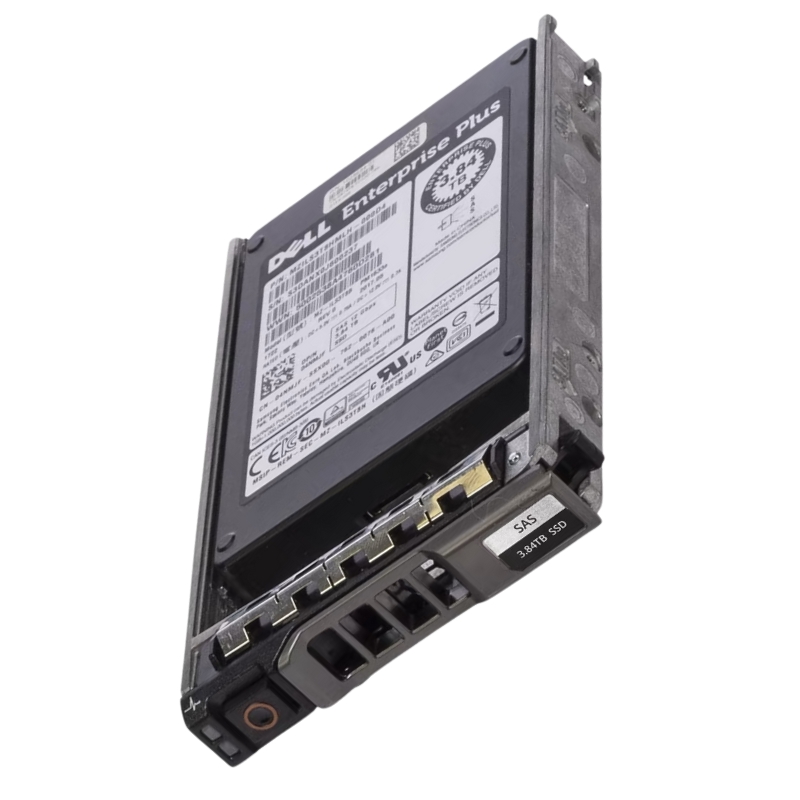
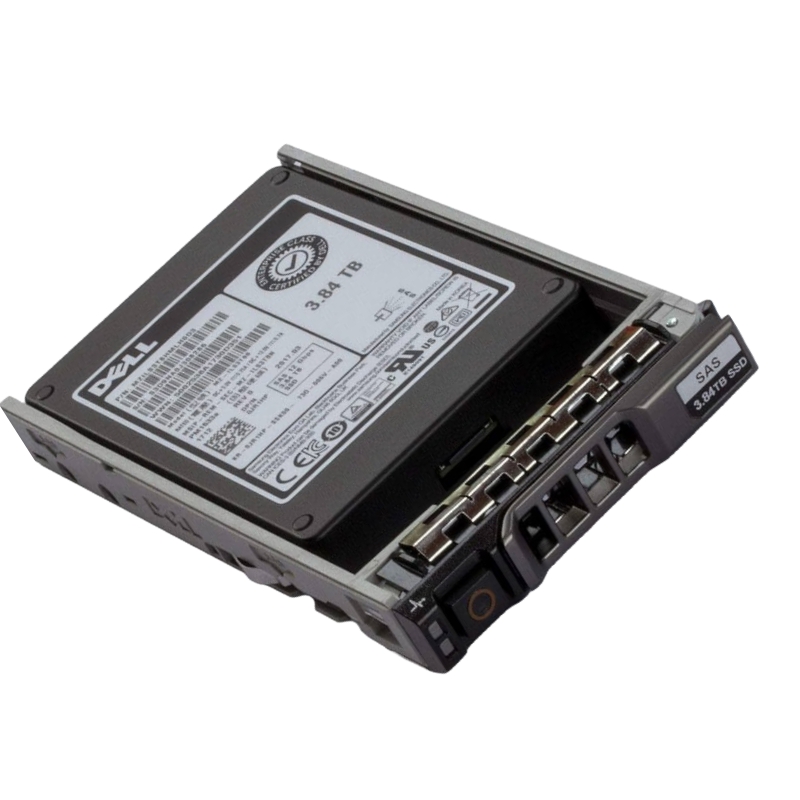
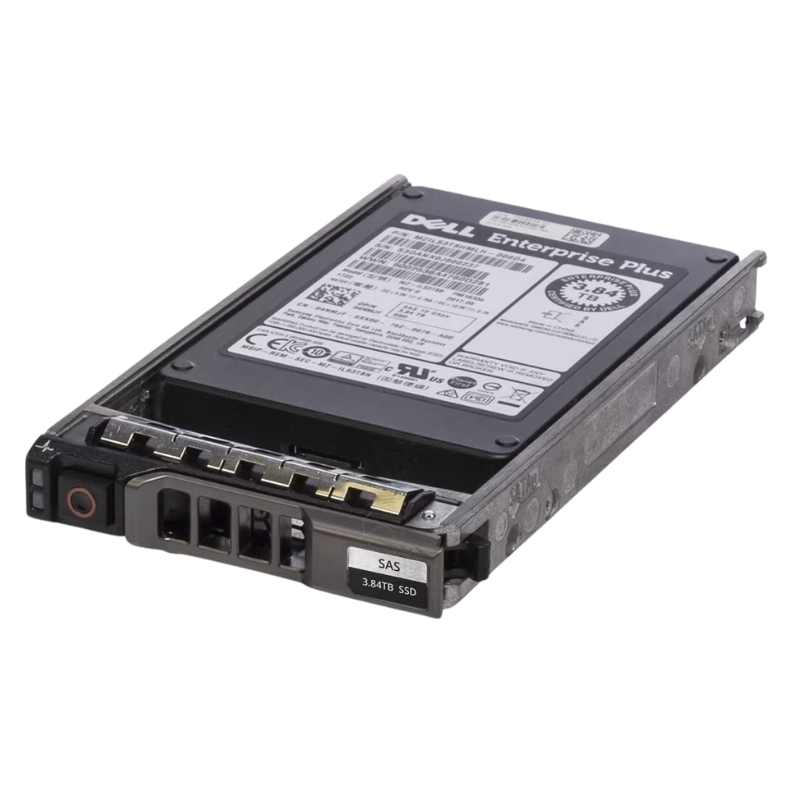
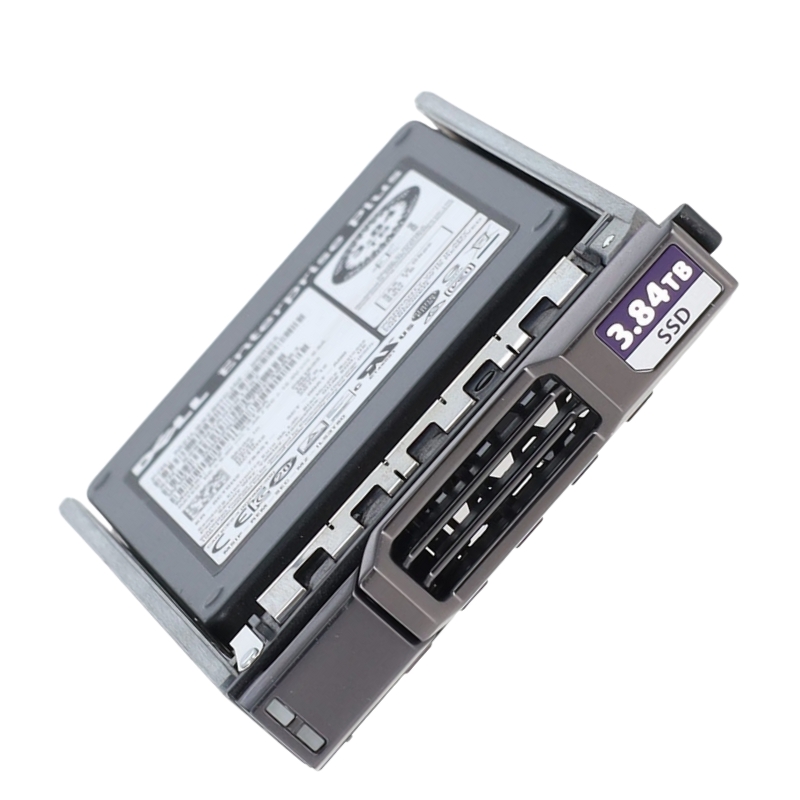
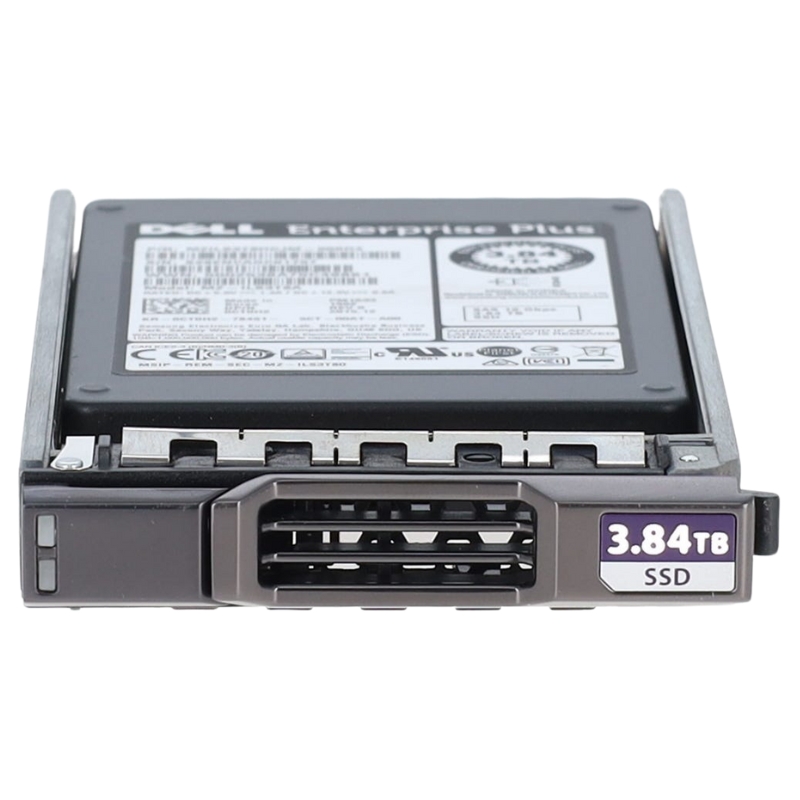
Dell TTXXX 3.84TB Self-Encrypting SED Read Intensive 1dwpd TLC SAS-12GBPS SFF Hot-Plug Certified Solid State Drive with tray for Poweredge Server. New Sealed in Box (NIB) with 1-Year Replacement Warranty
This compatibility list is not exhaustive. Additional PowerEdge and Powervault systems may support this drive. Tray sticker availability may vary.
The Dell TTXXX 3.84TB Self-Encrypting SED Read Intensive 1dwpd TLC SAS-12GBPS SFF Hot-Plug Certified Solid State Drive with tray for PowerEdge Server occupies a clear niche where enterprise durability, data security, and compatibility with Dell PowerEdge platforms intersect. This category of certified solid state drives is designed for datacenter workloads that prioritize read-dominant operations, consistent low latency, and uncompromised data protection through hardware-based self-encryption. The product designation highlights a capacity point of 3.84 terabytes, use of triple-level cell (TLC) NAND tuned for read-intensive endurance, a single drive write per day (1dwpd) workload endurance class, and a SAS interface operating at 12 gigabits per second. The small form factor (SFF) hot-plug capability and inclusion of a tray optimized for PowerEdge systems underline this drive’s readiness for rapid deployment and serviceability in rack, blade, or tower PowerEdge servers.
Drives in this category are engineered for read-heavy enterprise workloads such as database query acceleration, virtual desktop infrastructure (VDI) read caching, content delivery, and large-scale analytics where reads significantly outnumber writes. The read-intensive TLC NAND construction offers a balanced value proposition: larger usable capacity compared with SLC/MLC media while maintaining adequate endurance measured at one full drive write per day. For architectural patterns that require fast retrieval of frequently accessed data, the 3.84TB capacity provides a substantial working set for caching layers or read-optimized storage tiers without forcing architects to jump into higher cost endurance tiers unnecessarily.
In an online transaction processing environment where analytics run over large datasets, these drives act as high-throughput read layers that accelerate query performance and reduce wait time for report generation. For VDI deployments, they shorten guest boot storms and profile load times by serving many simultaneous read requests effectively. Content distribution services and media asset managers benefit from the combination of capacity and read performance, enabling reduced latency for serving static assets. The inclusion of the PowerEdge-compatible tray makes integration into existing server fleets straightforward, minimizing downtime during drive swaps or scaling activities.
A defining characteristic of this category is hardware-based self-encryption. Self-Encrypting Drives perform encryption and decryption within the drive controller, removing the CPU overhead and potential OS dependencies that come with software encryption solutions. For organizations subject to regulatory frameworks or internal data governance policies, SED technology simplifies compliance and key management integration while providing a robust defense in the event of physical theft. The SED capability in the Dell TTXXX line is tailored for enterprise key management systems, enabling secure erase, cryptographic erase, and quick decommissioning workflows that protect sensitive information across the drive lifecycle.
The SAS-12Gbps interface in this product category delivers robust enterprise connectivity, supporting dual-ported configurations and high-availability architectures typical of mission-critical storage environments. SAS 12Gbps provides deterministic performance characteristics, error recovery, and advanced SCSI command sets that are essential for RAID controllers and enterprise host bus adapters. The small form factor (SFF) design enables higher drive density per server chassis and is a natural match for modern PowerEdge rack servers that balance compute and storage density.
Hot-plug support means drives can be removed or inserted while the system remains operational, a nonnegotiable feature for datacenter maintenance windows and single-server service interventions. The included tray for PowerEdge servers ensures mechanical compatibility, proper airflow within the chassis, secure electrical connection, and correct alignment with backplane indicators and locking mechanisms. This tight integration reduces the risk of human error during drive swaps and increases the speed at which technicians can replace or upgrade drives while maintaining service levels.
Performance for read-intensive TLC SAS drives typically emphasizes sustained sequential read throughput and predictable random read latency at enterprise queue depths. The internal controller firmware orchestrates flash translation, wear leveling, and error correction to maximize drive longevity and maintain performance as endurance thresholds near. For system integrators and storage architects, understanding how the drive’s firmware interacts with server RAID controllers and host operating systems is essential. Proper firmware matching and controller configuration can avoid suboptimal behavior such as unnecessary background garbage collection during peak workload periods.
Compatibility with PowerEdge server platforms is a hallmark of this drive category. Certification for PowerEdge systems implies validated compatibility with server backplanes, RAID controllers, and firmware ecosystems. Certified drives reduce integration friction in enterprise environments where homogeneous hardware inventories simplify support and maintenance. Administrators benefit from vendor guidelines for firmware bundles, firmware matching with server BIOS revisions, and recommended controller settings to achieve optimized performance and reliability.
Modern datacenters increasingly rely on automation frameworks to scale operations reliably. Adding drive lifecycle actions to orchestration playbooks — including firmware updates, secure erase procedures, and replacement workflows — minimizes human error and standardizes responses to drive alerts. Automation also makes it possible to schedule noninvasive maintenance tasks during off-peak windows and to orchestrate rolling updates across heterogeneous server fleets while preserving service availability.


 Contact Us
 Information
 Catalog
 Solid State Drives (SSD)
 Network Switches
 Hard Disk Drives
 HBA & Controllers
 PC & Servers
 PC & Server Memory
 CPU & Processors
 Network Routers
 Power Supplies
 Tape Drives & Libraries
 Network Devices
 Computer & Network Cables