(7% discount is applied at checkout)
Cart is empty
Your go-to destination for cutting-edge server products
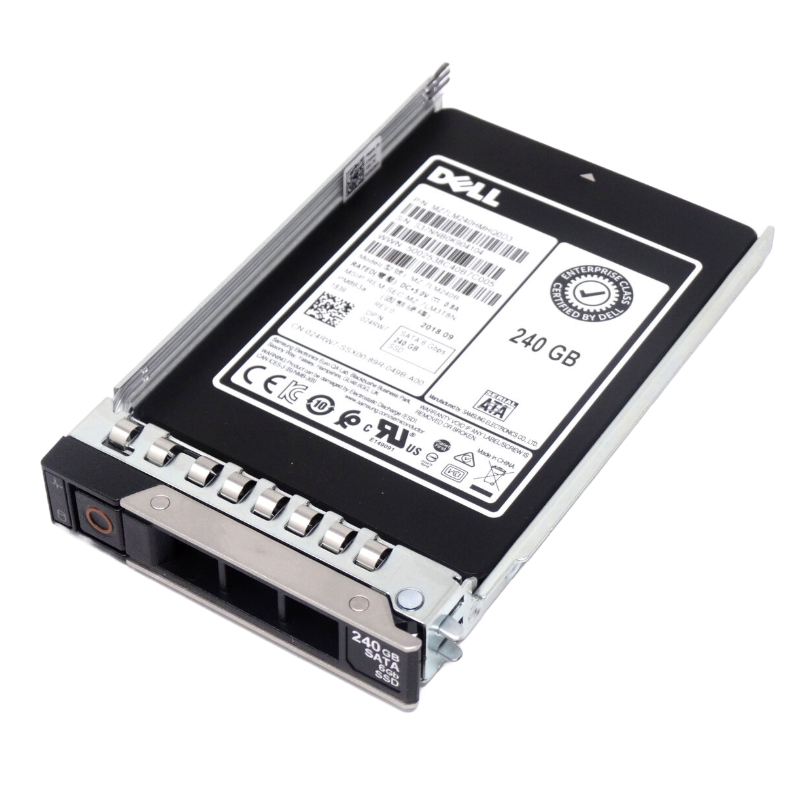


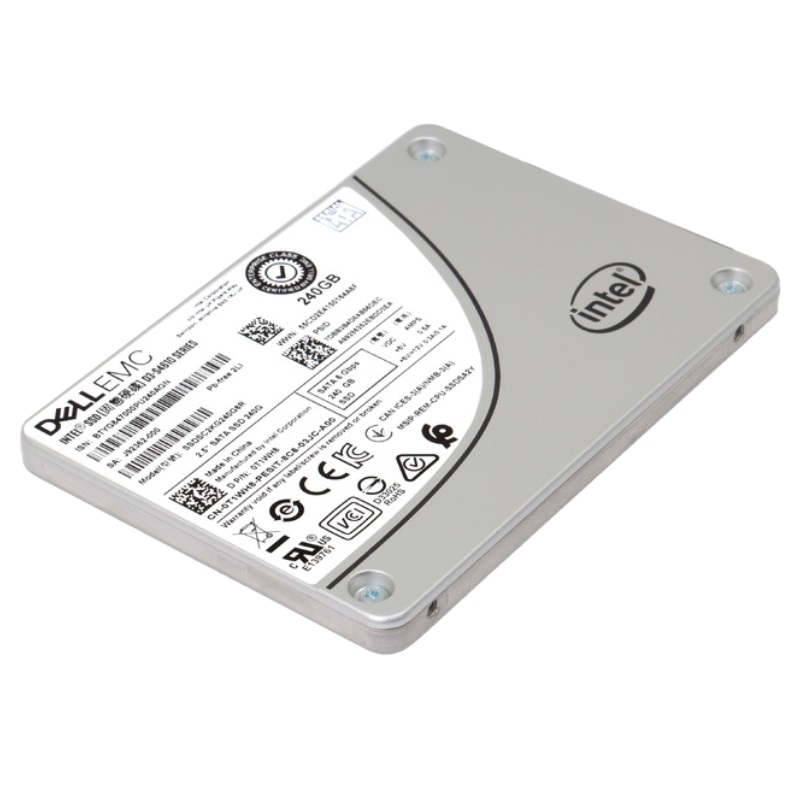
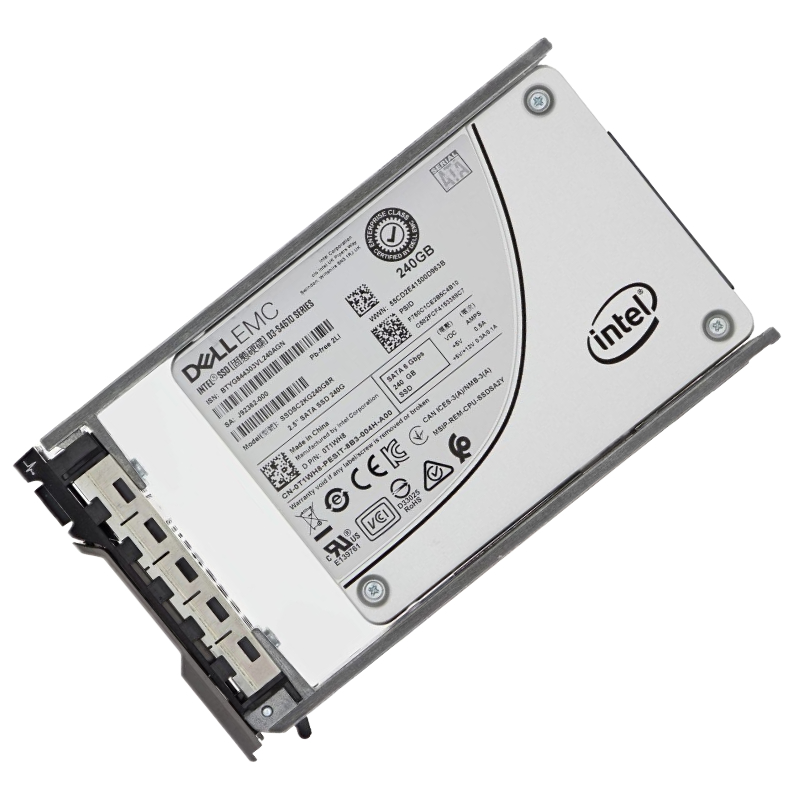
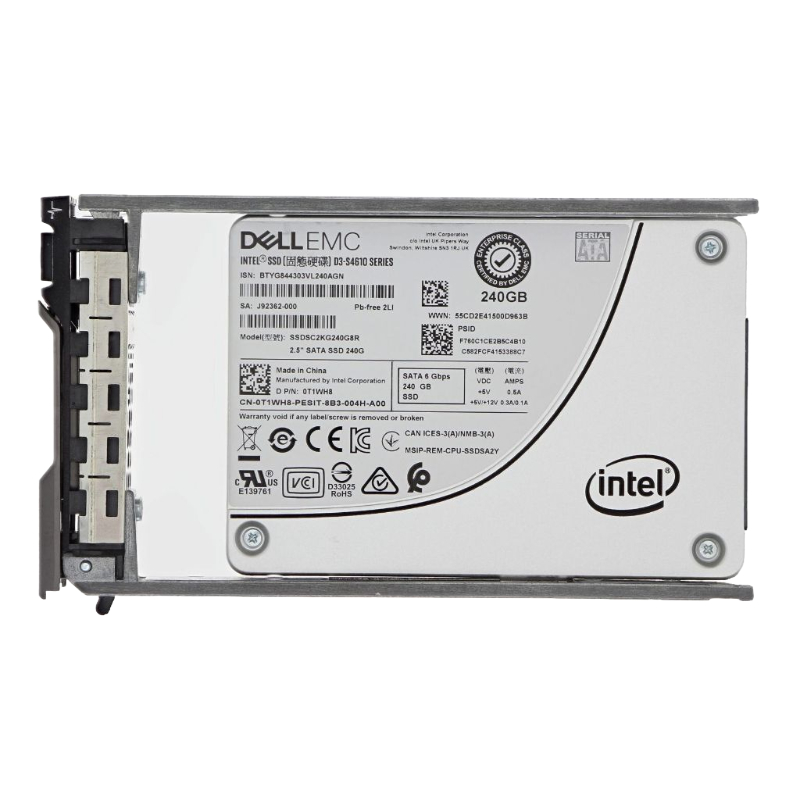
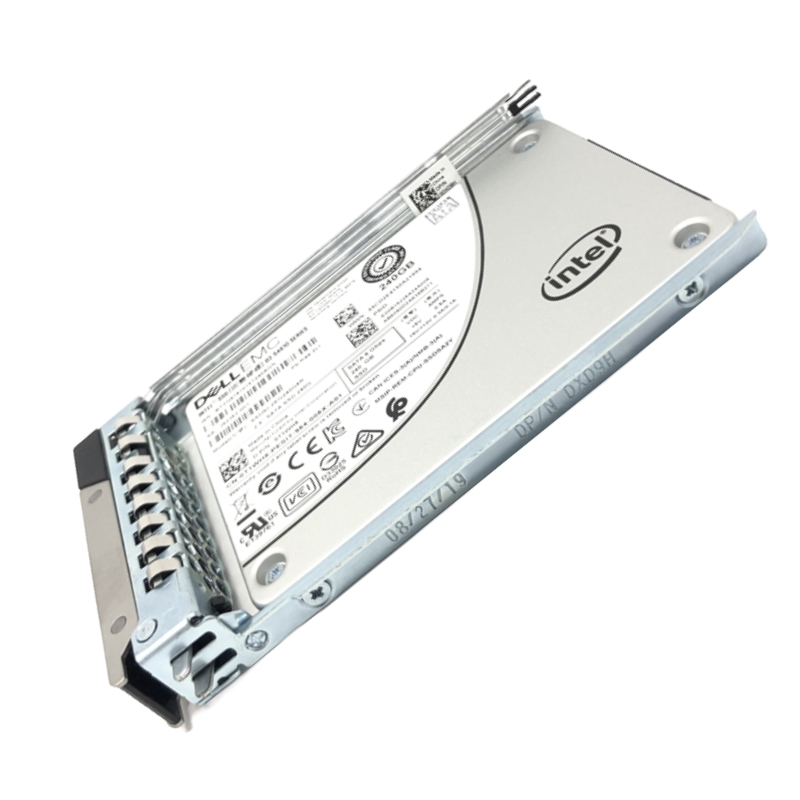
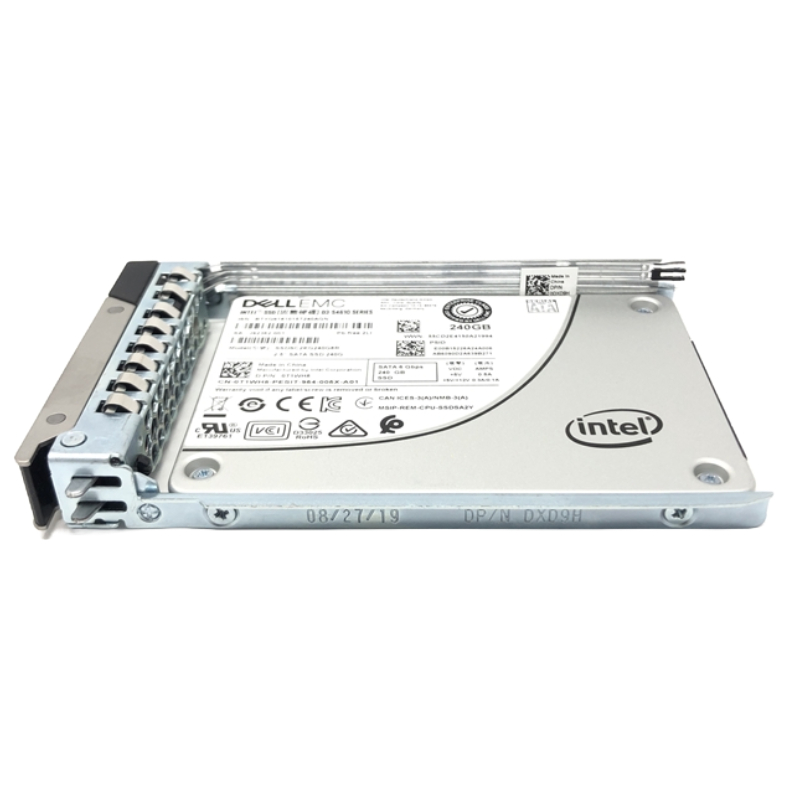
Dell TVDDK 240GB Read-Intensive Triple Level Cell SATA-6GBPS SFF Hot Swap Solid State Drive with tray for Poweredge Server. Excellent Refurbished with 1 year replacement warranty
The Dell TVDDK 240GB Read-Intensive Triple Level Cell (TLC) SATA-6Gbps Small Form Factor (SFF) hot-swap solid state drive with tray for PowerEdge servers represents a focused category within enterprise storage: compact & high-throughput storage optimized for read-dominant workloads in data center and server environments. This category description explores the technical character of the drive, the use cases it targets, integration and deployment considerations for PowerEdge servers, performance expectations for read-intensive applications, and the operational practices that maximize value from 240GB TLC SATA SFF hot-swap SSDs. The content emphasizes search-relevant phrases such as "Dell TVDDK SSD", "240GB SATA SSD PowerEdge", "read-intensive TLC enterprise SSD", and "SFF hot-swap tray for PowerEdge", making the page more discoverable for teams, system integrators, and administrators looking for modular SSD options for server fleets.
The defining technical attributes of this category are the 240GB capacity, the TLC NAND flash, the SATA-6Gbps interface, and the SFF hot-swap form factor with PowerEdge-compatible tray. The 240GB capacity provides an efficient balance between cost per drive and usable capacity when used in boot, cache, read cache, metadata stores, or read-heavy application tiers. TLC flash technology enables higher density compared with MLC, allowing smaller capacities like 240GB to deliver acceptable cost per gigabyte for large deployments. The SATA-6Gbps interface ensures broad compatibility across generations of PowerEdge RAID controllers and HBA ports, while the SFF (typically 2.5-inch) form factor and hot-swap tray design support rapid replacement and serviceability in rack and blade PowerEdge configurations.
Compatibility is a critical selling point for this category: the drive is designed to plug into the existing PowerEdge service and management ecosystem, including tray-based hot-swap bays, iDRAC monitoring, and integrated RAID controllers. Because the drive conforms to standard SATA electrical and command sets and uses the industry-standard SFF chassis size, integration with a broad range of PowerEdge models is straightforward. Administrators can expect familiar replacement procedures, drive health reporting through Dell's system management tools, and predictable mechanical fit in server bays designed for 2.5-inch enterprise drives. Compatibility language is a frequent search term for purchasers, so highlighting cross-generation support with PowerEdge models and controller families improves discoverability for technical buyers.
This category is explicitly aimed at read-intensive workloads. Read-optimized SSDs emphasize high sustained read throughput and low read latency, rather than peak mixed or write-heavy endurance. Typical workloads that fit this profile include web content delivery, virtualization read cache, database query acceleration with high read ratios, firmware and OS boot volumes, virtualization template repositories, and content distribution where reads far outnumber writes. Customers choosing a 240GB read-intensive TLC SATA SSD for a PowerEdge server should expect faster random read IOPS and much lower tail latency for reads compared with traditional spinning media. While TLC has lower program/erase cycle endurance than some higher-endurance NAND types, the read-centric use avoids heavy write amplification and extends drive life in appropriate workloads.
Throughput characteristics for SATA-6Gbps TLC SSDs in this category typically manifest as strong sequential read performance and improved random read IOPS relative to HDDs, with read latencies that are an order of magnitude lower for small random reads. Real-world results depend on controller implementation, firmware tuning, and system integration. In PowerEdge servers using modern RAID controllers or HBA passthrough, the drive will excel in read caching or tiering scenarios, where a small number of high-performance SSDs accelerate read access for a larger pool of slower storage. When designing storage tiers, administrators should balance the 240GB capacity against the working set size of the application to avoid read misses that would undermine the expected performance advantage.
There are several established deployment patterns where the Dell TVDDK 240GB read-intensive TLC SATA SFF hot-swap drive is an excellent fit. First, as an OS and hypervisor boot drive in hyperconverged or virtualized environments: the small capacity and high read performance speed up boot storms and reduce time to service for host restarts. Second, as a dedicated read cache layer in tiered storage architectures, accelerating access to frequently requested objects or database indices.
The hot-swap tray that accompanies the SFF drive confers operational agility. Hot-swap capability means drives can be replaced while the server remains in operation, reducing planned downtime for maintenance. Maintenance workflows should define the steps for drive replacement, firmware updates, and array rebuild sequencing, as well as post-replacement validation checks. Because SSD rebuilds can be faster than HDD rebuilds, RAID rebuild times are reduced, but administrators should also be mindful of rebuild stress on arrays and plan accordingly. Documented swap procedures, labeled trays, and a tracked inventory reduce human error during maintenance and speed recovery from drive failures.
When selecting across SSD categories, purchasers should weigh several dimensions: interface (SATA vs NVMe), NAND type (TLC vs MLC vs SLC/QLC), endurance rating, capacity, and form factor. The Dell TVDDK 240GB SATA TLC SFF hot-swap drive is purpose-built for scenarios where SATA compatibility and cost efficiency matter more than the ultra-low latency of NVMe or the high endurance of enterprise MLC. For organizations upgrading from spinning disks to SSDs, this category offers a compelling performance uplift at a competitive price point. For applications requiring the highest possible IOPS and the lowest latencies—such as high-frequency trading or extremely latency-sensitive databases—NVMe SSDs may be more appropriate. Conversely, if the workload is archival or write-intensive, consider higher-endurance drives or different architectures. The key is matching workload patterns to the category’s strengths: read throughput, compatibility, serviceability, and cost efficiency.
Scalability strategies for this category center on horizontal scaling and tiering. Because single 240GB drives are small by modern standards, capacity scaling often occurs by adding drives across nodes or within arrays and relying on software layer aggregation. Architectures that combine many read-optimized SSDs with larger capacity HDD archives create cost-efficient hybrid tiers. Software-defined storage platforms and distributed filesystems can integrate these drives as local caches or as part of a broader distributed storage pool. Carefully designed tiering policies and automated data movement reduce management complexity and ensure that frequently read data resides on the fastest media available.


 Contact Us
 Information
 Catalog
 Solid State Drives (SSD)
 Network Switches
 Hard Disk Drives
 HBA & Controllers
 PC & Servers
 PC & Server Memory
 CPU & Processors
 Network Routers
 Power Supplies
 Tape Drives & Libraries
 Network Devices
 Computer & Network Cables