(7% discount is applied at checkout)
Cart is empty
Your go-to destination for cutting-edge server products
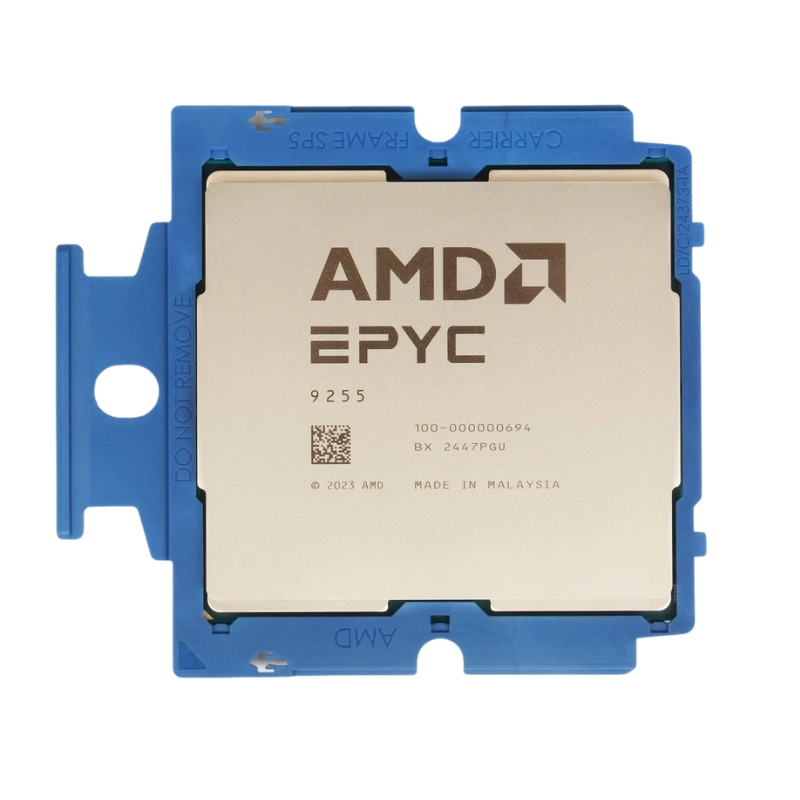


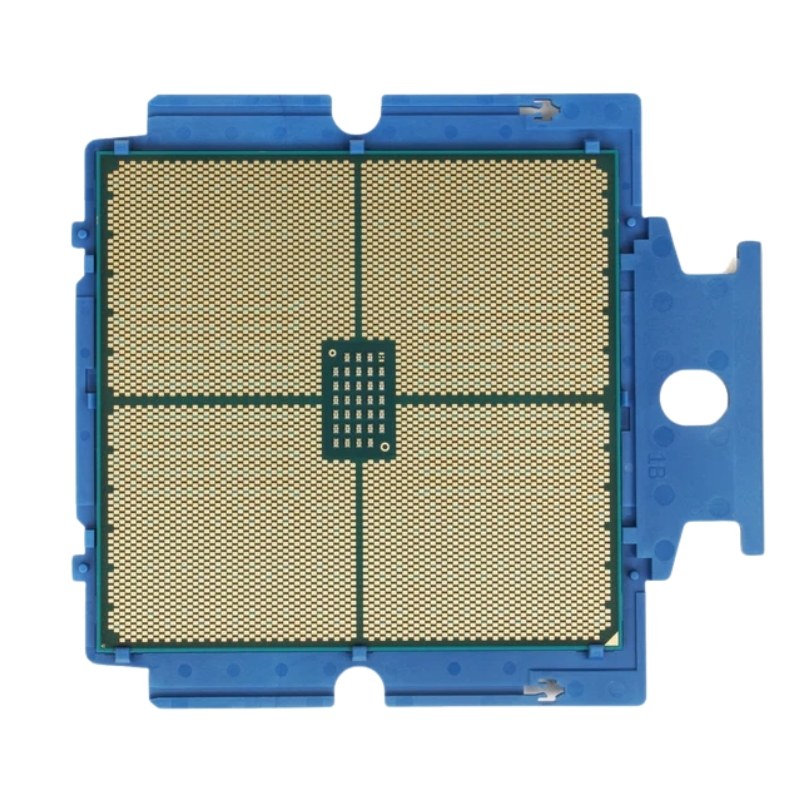
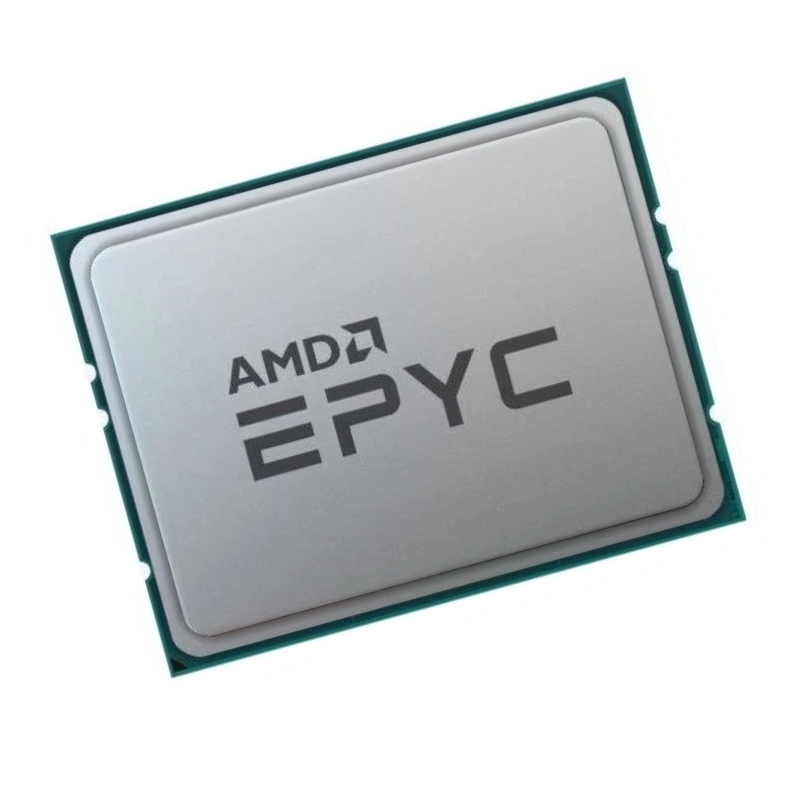
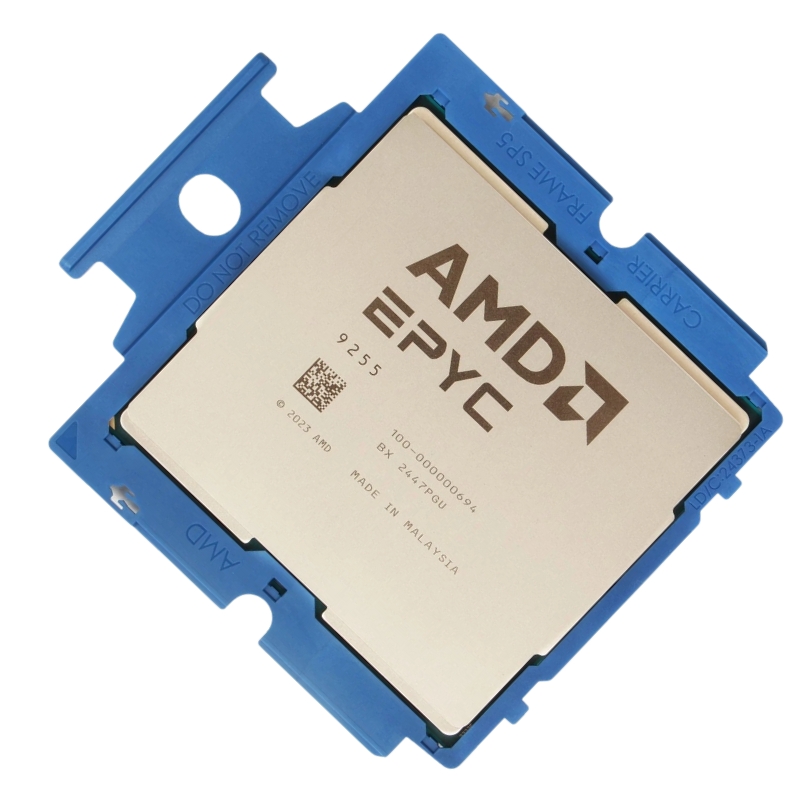
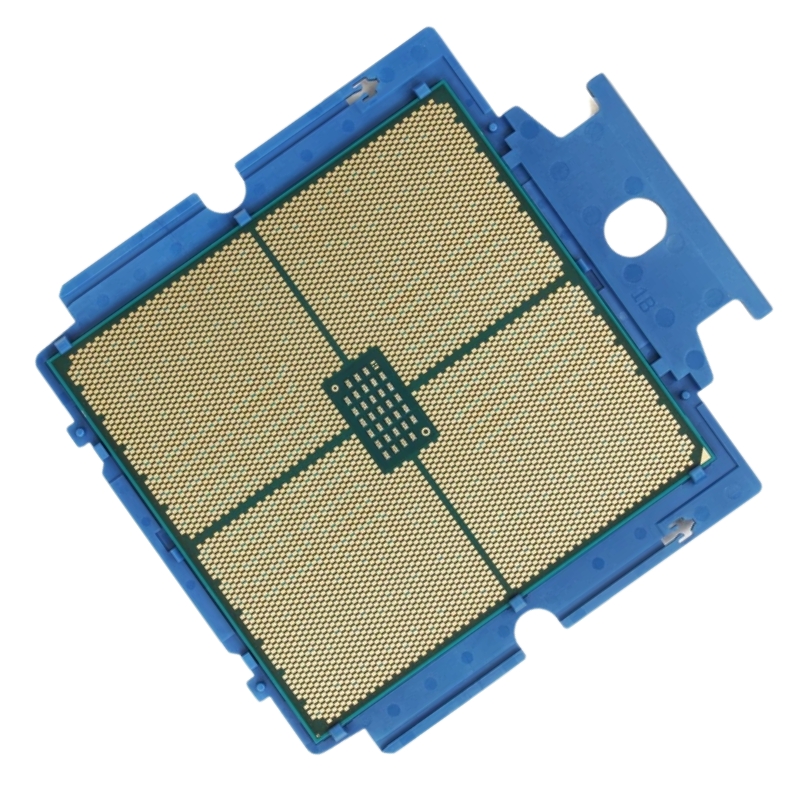
Dell V145K EPYC 9255 3.2GHz 24 Cores 48 Threads Sp5 Processor. New Sealed in Box (NIB) with 1 Year Warranty
The Dell V145K EPYC 9255 is a high-performance server processor designed for modern enterprise workloads, virtualization clusters, data analytics, and cloud infrastructure. Featuring 24 cores and 48 threads, this CPU offers excellent efficiency, advanced connectivity, and exceptional memory support for demanding data center environments.
The Dell V145K EPYC 9255 3.2GHz 24 Cores 48 Threads SP5 Processor represents a highly capable and efficient server-class CPU engineered to support modern datacenter scalability, multi-threaded efficiency, and advanced enterprise computing. As part of the powerful AMD EPYC 9004 series lineup built on the SP5 platform, this category centers on processors that deliver robust performance, exceptional multi-threading, high-speed interconnects, and reliability for demanding enterprise workloads. The EPYC 9255 provides a balanced ratio of cores and threads, making it suitable for virtualization, cloud computing, database handling, analytics, artificial intelligence frameworks, virtualization clusters, and next-generation business applications that rely on comprehensive computational throughput.
The SP5 platform serves as the foundation of the latest AMD EPYC server lineup, delivering next-level I/O expansion, DDR5 memory support, PCIe 5.0 capability, and a significant performance jump for enterprise systems. The Dell V145K EPYC 9255 processor, designed for SP5 infrastructure, takes advantage of advanced chipset architecture that supports high-bandwidth communication between the CPU dies, memory channels, and PCIe-connected devices. This category explores the significance of SP5 architecture in enabling unprecedented system scalability, greater memory bandwidth per core, and next-generation capabilities for workloads involving machine learning, distributed computing, transactional processing, and real-time data analysis.
The EPYC 9255’s CPU architecture incorporates 24 physical cores and 48 threads, offering robust multi-threading capabilities suitable for intensive compute tasks. Its base frequency of 3.2GHz ensures responsiveness for both single-threaded and multi-threaded processes. Built upon the advanced Zen 4 core design, this processor delivers significant IPC gains and increased energy efficiency over previous generations. The architecture fosters accelerated application processing, shorter response times, and enhanced compute density for organizations requiring powerful server resources. This category highlights how the CPU’s balanced design supports various enterprise workloads by optimizing clock speeds, cache layers, memory interactions, and scalar/vector performance.
Zen 4 enhances branch prediction accuracy, improves threading efficiency, extends instruction execution pipelines, and introduces next-level cache and prefetching improvements. These enhancements reduce latency across multi-core operations and improve the reliability of server tasks that run continuously in business-driven scenarios. This architecture supports modern workload types such as distributed computing frameworks, AI inference routines, microservice container deployments, and advanced virtualization clusters. The category emphasizes how the EPYC 9255’s Zen 4 design helps in optimizing execution even under heavy multi-threaded loads.
The 48-thread configuration allows workload distribution across multiple threads, ensuring efficient parallel processing for resource-intensive applications. This is particularly useful for software environments using parallel computation, numerous simultaneous virtual machines, high-volume transaction requests, or data-processing frameworks such as Spark or Hadoop. Thread management is designed to reduce bottlenecks by distributing tasks evenly across the CPU’s logical cores. This category highlights multi-thread scalability and how it enhances performance for business applications reliant on high concurrency.
The processor’s 3.2GHz base clock provides balanced responsiveness for enterprise workloads requiring both rapid single-thread execution and strong multi-core output. The clock speed ensures smooth handling of latency-sensitive tasks including cloud workload balancing, security processing, system orchestration, and database transactions. As an SP5-compatible processor, the EPYC 9255 leverages dynamic frequency scaling to adapt clock behavior to workload demands. This adaptive performance ensures consistent output and optimized power consumption within datacenter infrastructure.
The base frequency plays an essential role in ensuring stable performance for key enterprise applications. Software categories such as enterprise resource planning, corporate analytics programs, virtualization hypervisors, and distributed online services operate efficiently when supported by consistent CPU frequency. This processor provides that balance by delivering robust performance even when the system is executing resource-heavy multi-user operations. The category highlights how clock stability contributes to reliable execution of mission-critical workloads across industries.
The Dell V145K EPYC 9255 processor provides extensive memory capabilities, supporting cutting-edge DDR5 memory types with higher bandwidth and lower latency than DDR4 systems. The SP5 platform supports multiple memory channels, enabling the CPU to handle large datasets, real-time analytics, AI workloads, database operations, and virtualization environments with exceptional speed. The large memory footprint capacity supports enterprise-grade deployments that rely on rapid access to large datasets, scalable memory pools, and dynamic workload adjustments. This category discusses memory throughput and scalability as essential components for maximizing processor efficiency.
DDR5 memory introduces major improvements in transfer rates and signal integrity. Paired with the EPYC 9255 processor, memory channels can deliver higher throughput capable of supporting applications requiring massive real-time computations. Businesses working with large data warehouses, in-memory analytics engines, scientific research applications, and high-capacity virtualization infrastructures benefit significantly from this enhanced memory system. Memory performance directly influences server responsiveness, reducing bottlenecks on compute-intensive operations.
ECC (Error-Correcting Code) memory ensures system-level stability by automatically detecting and correcting single-bit errors. The EPYC 9255 platform supports full ECC functionality, making it well-suited for mission-critical environments where data integrity is essential. Database management systems, advanced analytics frameworks, financial record processing, and healthcare applications require ECC memory to ensure accurate, stable operation. This category highlights the essential role of ECC in building dependable, resilient server architectures.
PCIe 5.0 support allows servers powered by the EPYC 9255 processor to integrate high-speed storage devices, next-generation accelerators, expansion cards, and network adapters. With doubled throughput compared to PCIe 4.0, this connectivity enables faster data movement within enterprise architectures, making it ideal for AI workloads, analytics engines, NVMe storage arrays, and cloud-scale virtual environments. The category explores how PCIe 5.0 elevates server capabilities by removing bottlenecks associated with I/O operations and enhancing cross-node data performance.
The improved PCIe bandwidth supports GPU acceleration, FPGA devices, high-speed NVMe drives, and 100GbE/200GbE network cards. This is important for datacenters requiring rapid scaling and adaptability. Artificial intelligence frameworks, large image-processing tasks, scientific simulations, and distributed analytics can thrive when the system is built upon a PCIe 5.0 architecture. This category highlights how modern enterprises benefit from an ecosystem where data flow is significantly accelerated.
The Dell V145K EPYC 9255 processor excels in virtualization environments through its high core density, robust thread allocation, and memory efficiency. Virtualization platforms such as VMware vSphere, Microsoft Hyper-V, Red Hat Virtualization, Proxmox, KVM, and Xen benefit from the CPU’s multi-threaded performance and architectural enhancements. The processor enables businesses to consolidate multiple workloads on a single server while maintaining high resource availability. This category explains the significance of the EPYC 9255 in supporting virtual machines and container-based deployments in enterprise cloud environments.
With 24 cores and 48 threads, the EPYC 9255 processor supports substantial virtual machine density, enabling businesses to reduce physical infrastructure costs. Systems utilizing this CPU can efficiently handle multiple virtual servers, application clusters, and containerized services simultaneously. The category underlines how advanced virtualization capabilities contribute to better resource utilization, reduced operational overhead, and improved IT consolidation.
Database-driven applications demand high multi-core efficiency, lower latency, and rapid transaction handling. The EPYC 9255 processor’s advanced architecture supports small to large-scale database instances, including MySQL, MariaDB, SQL Server, PostgreSQL, and Oracle. The processor ensures that large transactional workloads, read/write operations, indexing tasks, and in-memory analytics run smoothly even under heavy usage. This category examines the processor’s performance and how it supports complex business data workloads.
The processor performs well in real-time transactional systems, including retail ERP, fintech platforms, logistics, healthcare information processing, and customer-facing applications that require instant responses. The extensive core count ensures that multiple database activities can occur in parallel without saturating processor resources. This capability makes the EPYC 9255 a strong candidate for organizations seeking reliable, scalable database infrastructure.
This category emphasizes the processor’s compatibility with enterprise software ecosystems. Servers powered by the EPYC 9255 handle applications such as microservices, ERP systems, web hosting, analytics dashboards, internal business automation tools, and industry-specific platforms. Its high core efficiency and robust architecture help organizations ensure seamless operation for multi-user systems, business application engines, and end-user service portals.
Applications like SAP, Microsoft Dynamics, Oracle ERP, Salesforce backend systems, CRM automation tools, and supply chain management programs run reliably when paired with a high-performance server CPU like the EPYC 9255. Businesses depend on fast, stable compute power to handle workflow processes and large user interactions in real time. This category illustrates how the EPYC processor’s balanced performance supports these mission-critical systems.
The EPYC 9255 processor incorporates advanced security features, including AMD Secure Processor technology, Secure Memory Encryption, Secure Encrypted Virtualization, hardware-level leak protection, and real-time integrity monitoring. These technologies help mitigate modern cybersecurity threats and ensure that enterprise systems remain secure from unauthorized access or data breaches. This category provides insight into how hardware-based security reduces attack surfaces and enhances compliance for sensitive workloads.
Secure Encrypted Virtualization ensures that virtual machines remain fully isolated from one another, even when multiple tenants share the same physical hardware. This creates a safer environment for cloud hosting, virtual private servers, and enterprise application deployments. The category highlights how modern businesses rely on robust virtualization security to maintain uptime and safeguard sensitive information.
The processor’s architecture is designed to deliver strong performance while managing energy consumption effectively. The SP5 platform uses advanced power regulation and dynamic frequency adjustments to ensure balanced performance. For enterprises with large-scale datacenters or cloud infrastructure, efficient power consumption contributes to reduced operating costs and lower thermal output. This category explains how power efficiency supports long-term sustainability and infrastructure planning.
The CPU’s thermal design helps maintain system stability under continuous high-load operation. Server chassis designed for SP5 processors support efficient cooling and optimized airflow to enhance performance consistency. This category provides details on how effective cooling contributes to system longevity, uptime reliability, and sustained operational performance.
The EPYC 9255 supports cloud-native architectures, distributed computing systems, high-throughput enterprise workloads, and next-generation application ecosystems. It fits into datacenter infrastructures requiring strong compute density, advanced security, and rapid scalability. This category outlines how the processor plays a key role in meeting the increasing demands of digital transformation, hybrid cloud environments, and high-performance business systems.
Organizations deploying large-scale cloud clusters, HPC environments, or elastic compute frameworks benefit from the processor’s strong multi-threading and high memory bandwidth. It provides the backbone for scalable infrastructures that support dynamic workloads, workload orchestration, and distributed compute services.
The Dell V145K EPYC 9255 processor offers enterprise-level reliability with long product lifecycle support. It is engineered for consistent long-term operation across various deployment environments. This category reviews the importance of robust hardware reliability, extended OEM support, and multi-year system usability for enterprise platforms depending heavily on stable compute performance.


 Contact Us
 Information
 Catalog
 Solid State Drives (SSD)
 Network Switches
 Hard Disk Drives
 HBA & Controllers
 PC & Servers
 PC & Server Memory
 CPU & Processors
 Network Routers
 Power Supplies
 Tape Drives & Libraries
 Network Devices
 Computer & Network Cables