(7% discount is applied at checkout)
Cart is empty
Your go-to destination for cutting-edge server products
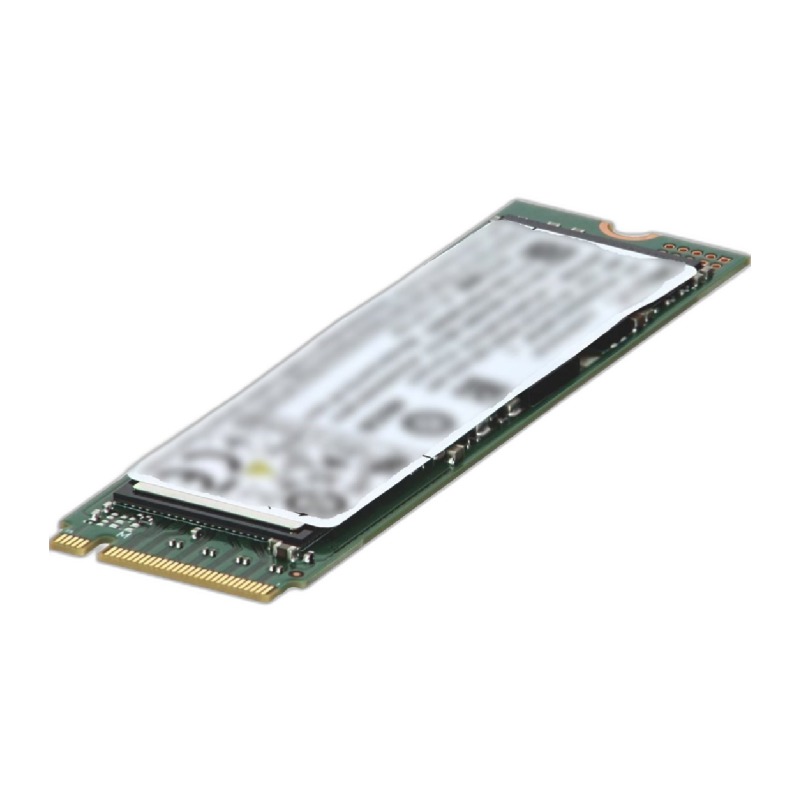


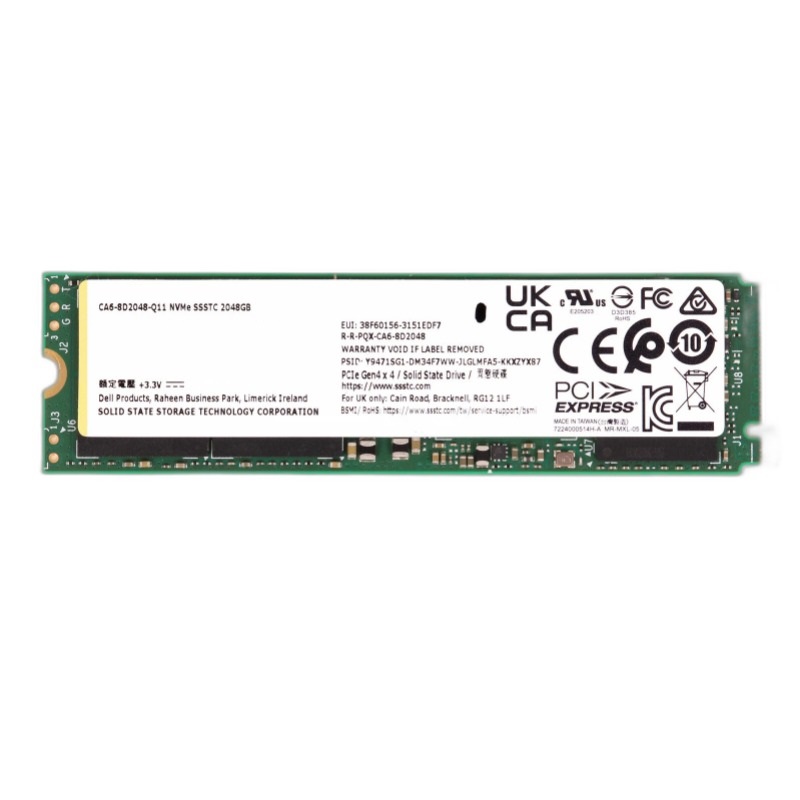
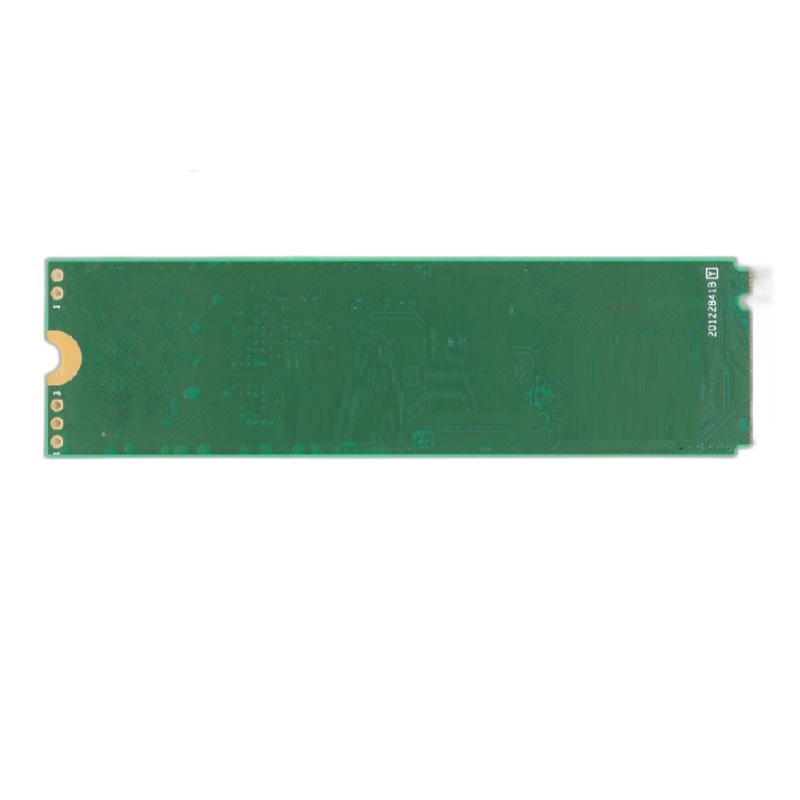
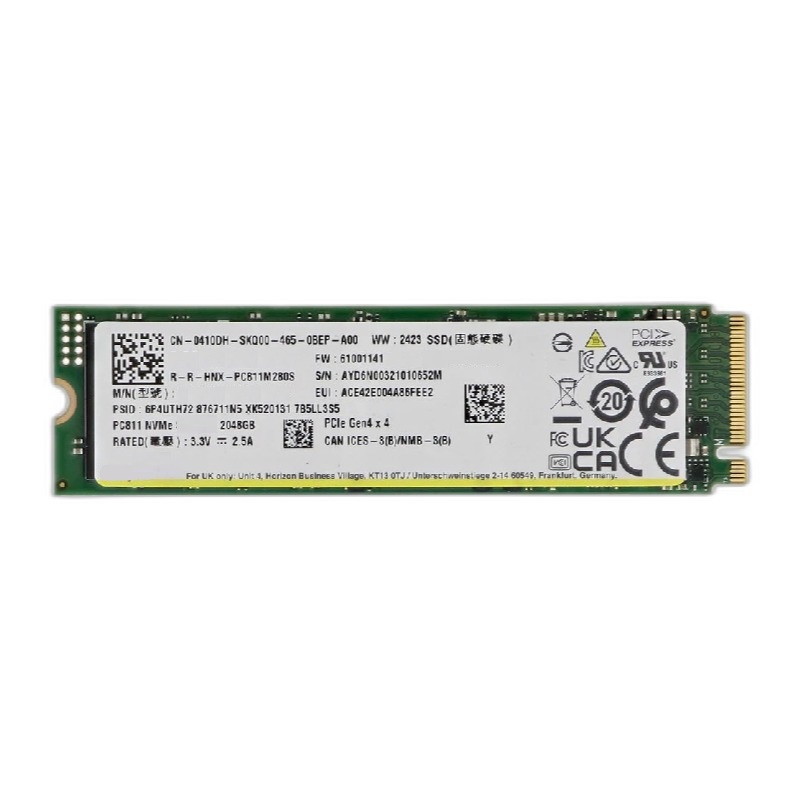
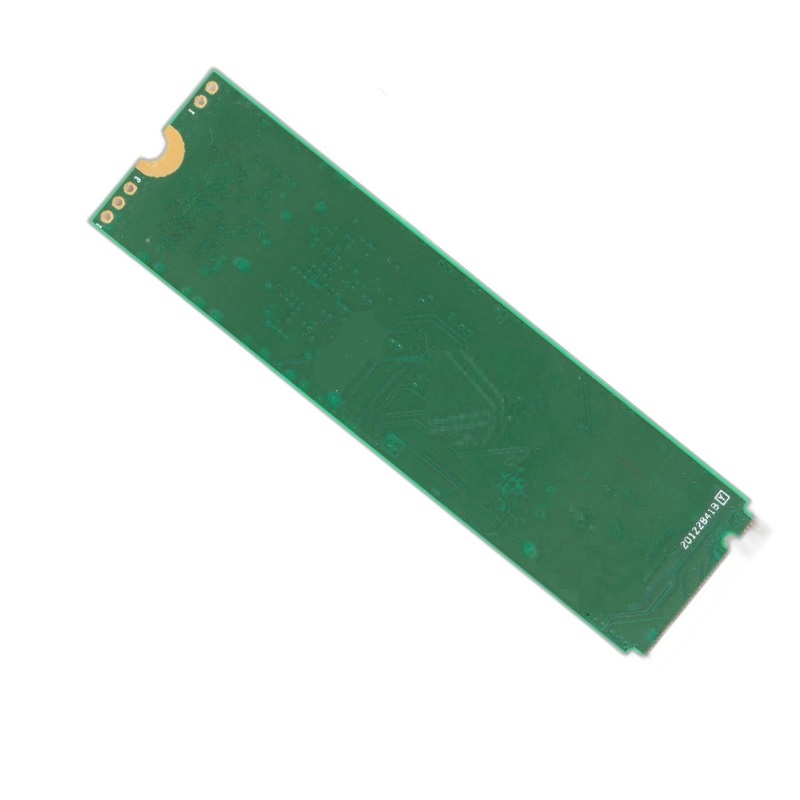
Dell VX5CD 2TB NVMe M.2 2280 PCI E 4.0 X4 Internal Solid State Drive. Excellent Refurbished with 1 year Replacement Warranty
The Dell VX5CD 2TB NVMe M.2 2280 Internal Solid State Drive delivers ultra-fast storage performance, enhanced system responsiveness, and dependable data access for modern desktops and workstations. Designed with PCIe Gen4 x4 technology, this high-speed SSD offers improved boot times, rapid file transfers, and seamless multitasking capabilities.
The Dell VX5CD 2TB NVMe M.2 2280 PCI E 4.0 X4 Internal Solid State Drive represents a modern storage solution engineered for users who demand exceptional speed, dependable performance, and large-capacity storage in a compact form factor. As computing environments continue to evolve toward data-intensive workflows, high-resolution media processing, modern gaming, virtualization, and rapid multitasking, PCIe Gen 4 SSD technology has become essential for achieving fast system responsiveness and efficient data handling. This category focuses on advanced internal SSD storage products designed to maximize bandwidth, reduce latency, and deliver superior reliability across desktops, workstations, and compatible laptops.
The 2TB storage capacity provides substantial room for operating systems, software suites, games, multimedia files, project archives, and enterprise-level workloads without compromising speed. Unlike traditional hard drives that rely on mechanical spinning disks, NVMe SSD technology utilizes flash memory architecture and the PCI Express interface to eliminate bottlenecks associated with older SATA standards. The result is dramatically improved boot times, application loading speeds, file transfer performance, and overall system responsiveness.
PCI Express 4.0 technology significantly increases available bandwidth compared to PCIe Gen 3 SSD solutions. By leveraging a PCIe 4.0 x4 interface, the Dell VX5CD 2TB NVMe SSD category is built for high-throughput applications that require rapid data movement and low-latency access. NVMe, which stands for Non-Volatile Memory Express, was specifically developed to optimize flash storage communication through the PCIe bus, enabling storage devices to process many more commands simultaneously than traditional SATA drives.
The M.2 2280 form factor further enhances system compatibility and space efficiency. Measuring 22mm wide and 80mm long, the M.2 2280 standard has become one of the most widely adopted SSD formats in modern motherboards and laptops. Its slim profile allows manufacturers and PC builders to install high-capacity storage without occupying large internal drive bays or requiring additional cables.
PCIe 4.0 x4 SSDs provide a substantial leap in sequential read and write speeds, making them ideal for users who regularly work with large files and demanding applications. Faster bandwidth enables quicker rendering, accelerated video editing workflows, and improved gaming performance through reduced loading times and smoother asset streaming.
In productivity-focused systems, PCIe Gen 4 drives contribute to faster application launches and more efficient multitasking. Professional software platforms for engineering, architecture, scientific computing, and content creation often require rapid storage communication to maintain responsive operation. NVMe SSDs minimize delays when accessing large datasets or project files.
Traditional SATA SSDs already outperform mechanical hard drives, but NVMe PCIe drives take performance significantly further. SATA interfaces are limited by lower throughput ceilings, while NVMe utilizes multiple PCIe lanes for considerably greater data transfer capability. This architectural difference results in reduced latency and much faster random read and write operations.
Users transitioning from SATA to PCIe Gen 4 NVMe storage frequently notice improvements in system startup speed, game launch times, software responsiveness, and file copy operations. Modern operating systems and software environments increasingly benefit from high-speed NVMe storage, especially when multiple demanding tasks run simultaneously.
The 2TB capacity class is highly attractive for users seeking a balance between large-scale storage and premium SSD performance. Many modern applications, especially AAA games, 4K video projects, CAD libraries, virtual machines, and multimedia archives, consume substantial disk space. A 2TB NVMe SSD allows users to maintain high-speed access to frequently used content while minimizing dependency on slower secondary drives.
Content creators working with RAW photography, cinematic video formats, or complex design assets require extensive storage headroom for active project files. The Dell VX5CD 2TB SSD category supports these workflows by enabling quick retrieval and efficient editing of large files directly from high-speed flash storage.
Modern gaming systems benefit enormously from PCIe Gen 4 SSD technology. Large open-world games continuously stream textures, environments, and assets during gameplay. Faster SSDs reduce loading screens and improve in-game responsiveness by accelerating asset retrieval.
The 2TB capacity is especially valuable for gamers with extensive digital libraries. Contemporary game titles can exceed 100GB per installation, making smaller drives impractical for users maintaining multiple large games simultaneously. A high-capacity NVMe SSD allows gamers to store and launch demanding titles without frequently uninstalling content.
The M.2 2280 specification has become the industry standard for compact high-performance SSD installation. Many current-generation motherboards, ultrabooks, gaming laptops, and compact desktop systems feature dedicated M.2 slots supporting NVMe PCIe SSDs. The cable-free installation process contributes to cleaner internal layouts and improved airflow within PC enclosures.
Compact SSD technology also supports the growing demand for smaller computing systems without sacrificing performance. Mini PCs, compact gaming rigs, and mobile workstations all benefit from the space-saving characteristics of M.2 storage devices.
Desktop users upgrading to PCIe Gen 4 SSD storage often experience significant improvements in overall system responsiveness. High-speed SSD integration can dramatically reduce operating system boot times while accelerating software launches and multitasking operations.
Enthusiast gaming builds and professional workstations commonly utilize PCIe Gen 4 SSDs as primary boot drives. The Dell VX5CD 2TB category aligns well with modern motherboard platforms that support advanced PCIe connectivity and thermal optimization features.
Software applications frequently access large quantities of data during startup. High-speed NVMe storage reduces delays associated with launching creative software, engineering tools, development environments, and large gaming titles.
Professionals working with multiple resource-intensive applications simultaneously can particularly benefit from the responsiveness improvements associated with advanced SSD technology.
Modern PCIe Gen 4 SSDs are designed with thermal management considerations to maintain stable performance under heavy workloads. Sustained high-speed operations generate heat, and advanced controllers combined with motherboard cooling solutions help maintain optimal temperatures.
Many systems incorporate dedicated M.2 heatsinks to improve heat dissipation during demanding tasks such as video rendering, large-scale data transfers, or prolonged gaming sessions. Proper thermal regulation helps maintain consistent performance and contributes to long-term storage reliability.
Solid state drives utilize NAND flash memory technology that offers excellent durability compared to mechanical hard drives. Because SSDs contain no moving parts, they are less vulnerable to physical shock, vibration, and mechanical wear.
This durability advantage makes NVMe SSDs suitable for both desktop and mobile computing environments where reliability is critical. Users transporting laptops or compact workstations benefit from the resilience associated with solid-state storage architecture.
Engineering professionals frequently work with large CAD assemblies, simulation datasets, and technical visualization projects. NVMe SSD performance accelerates file loading, project saving, and rendering tasks within engineering applications.
Rapid storage responsiveness helps minimize delays when switching between complex models or accessing extensive project libraries. This can improve productivity in architecture, manufacturing, and industrial design environments.
Upgrading from an older hard drive or SATA SSD to a PCIe Gen 4 NVMe drive can dramatically transform overall system performance. Users often notice immediate improvements in responsiveness, loading times, and multitasking efficiency.
The upgrade process is particularly impactful for systems that currently rely on mechanical storage technology. Hard drives introduce significant latency due to spinning platters and moving read heads, whereas NVMe SSDs access data electronically with near-instant responsiveness.
Gaming environments, large software suites, and multimedia applications all benefit from shorter loading durations. Faster storage access allows applications to retrieve required assets quickly, reducing interruptions and improving workflow continuity.
Users who regularly open large project files or switch between applications may experience more seamless computing experiences after upgrading to Gen 4 SSD technology.
Multitasking performance improves substantially with NVMe SSD architecture. Systems handling multiple simultaneous read and write operations can maintain responsiveness more effectively than systems limited by older storage technologies.
This advantage is especially valuable for professionals managing virtual machines, browser-heavy workflows, content creation software, and large datasets concurrently.
Reliable storage solutions are essential for protecting important files, applications, and digital assets. Modern SSD controllers incorporate advanced error correction technologies and wear-leveling algorithms to enhance storage integrity and maintain long-term reliability.
Users storing critical work documents, business files, creative assets, or personal data require dependable storage systems capable of sustaining performance over extended usage periods. Enterprise-inspired SSD engineering contributes to greater confidence in data preservation.
High-quality NVMe SSDs are engineered to maintain stable performance even during intensive operations. Sustained workloads such as rendering, compiling, transferring, or archiving large files demand storage solutions capable of consistent throughput.
Performance optimization technologies help reduce slowdowns during prolonged activity, ensuring smoother operation for demanding professional and enthusiast applications.
As operating systems and software continue evolving, high-bandwidth storage solutions become increasingly valuable. PCIe Gen 4 NVMe SSDs provide the performance foundation necessary for next-generation applications and demanding digital environments.
Users seeking future-ready system configurations often prioritize Gen 4 SSD integration to ensure compatibility with modern computing demands and performance expectations.


 Contact Us
 Information
 Catalog
 Solid State Drives (SSD)
 Network Switches
 Hard Disk Drives
 HBA & Controllers
 PC & Servers
 PC & Server Memory
 CPU & Processors
 Network Routers
 Power Supplies
 Tape Drives & Libraries
 Network Devices
 Computer & Network Cables