(7% discount is applied at checkout)
Cart is empty
Your go-to destination for cutting-edge server products
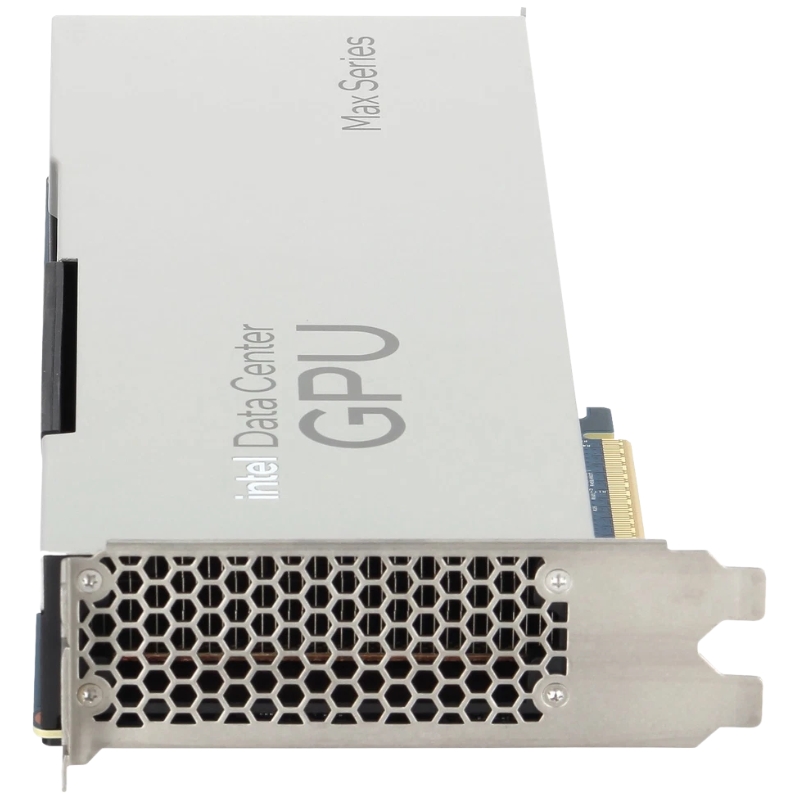


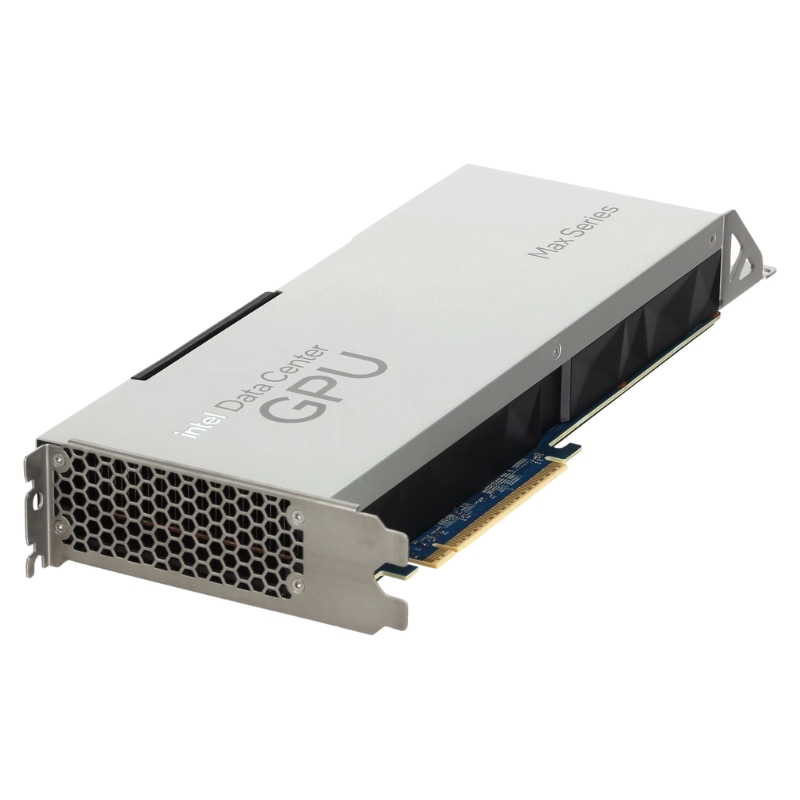
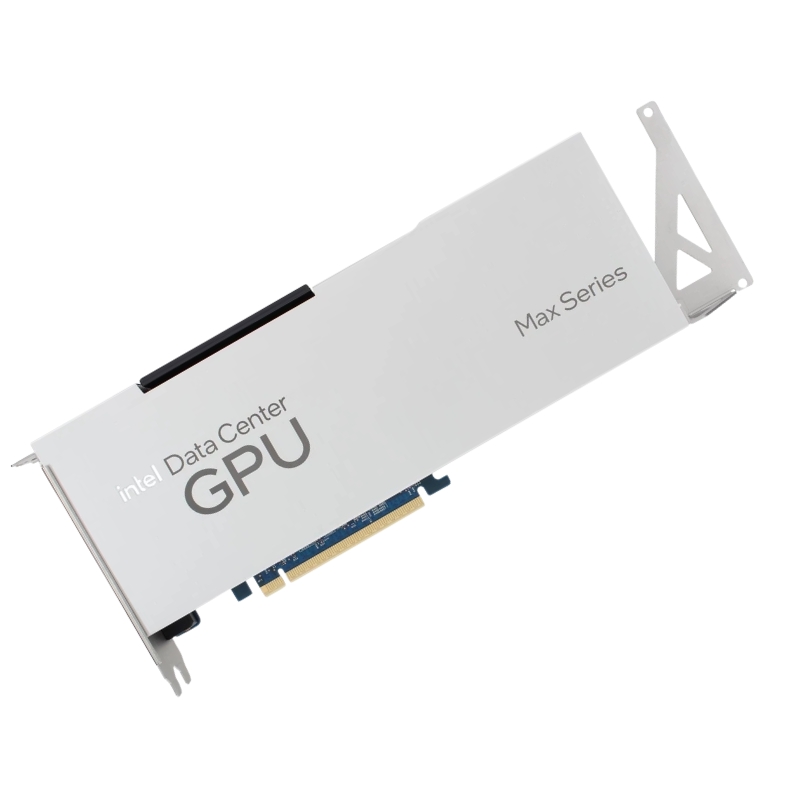
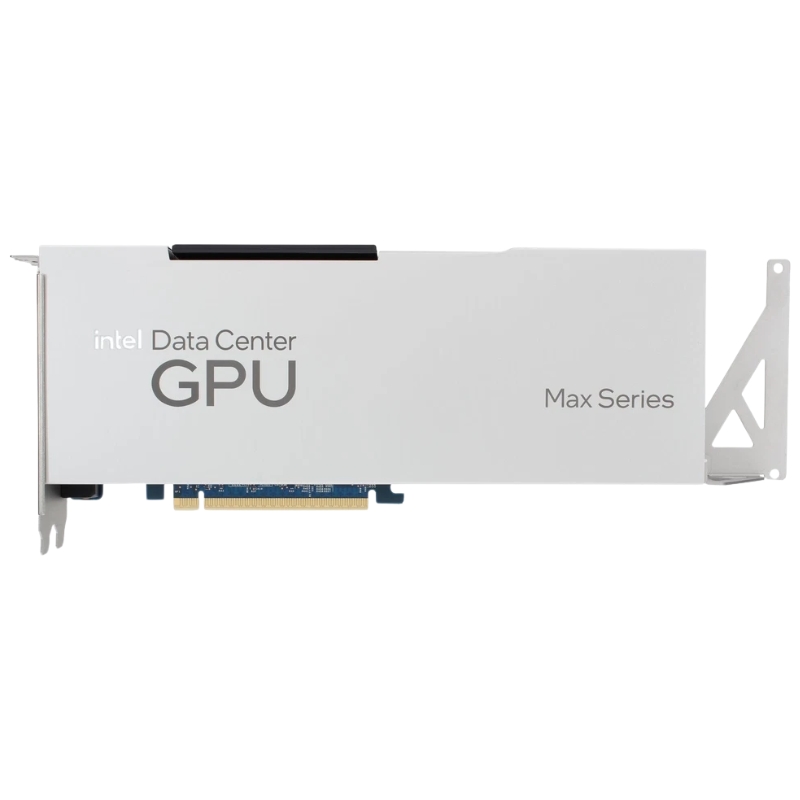
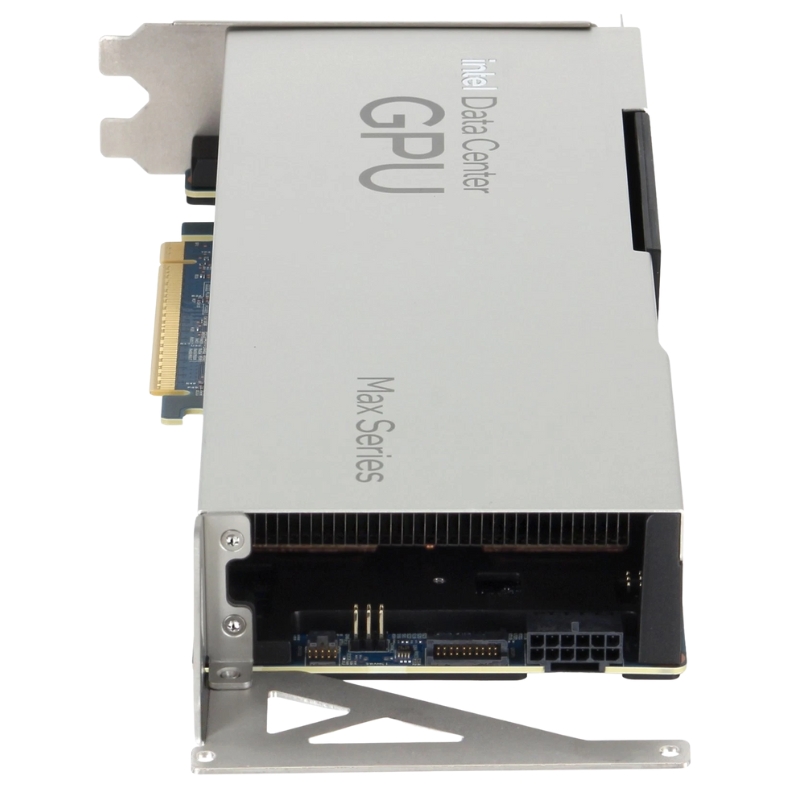
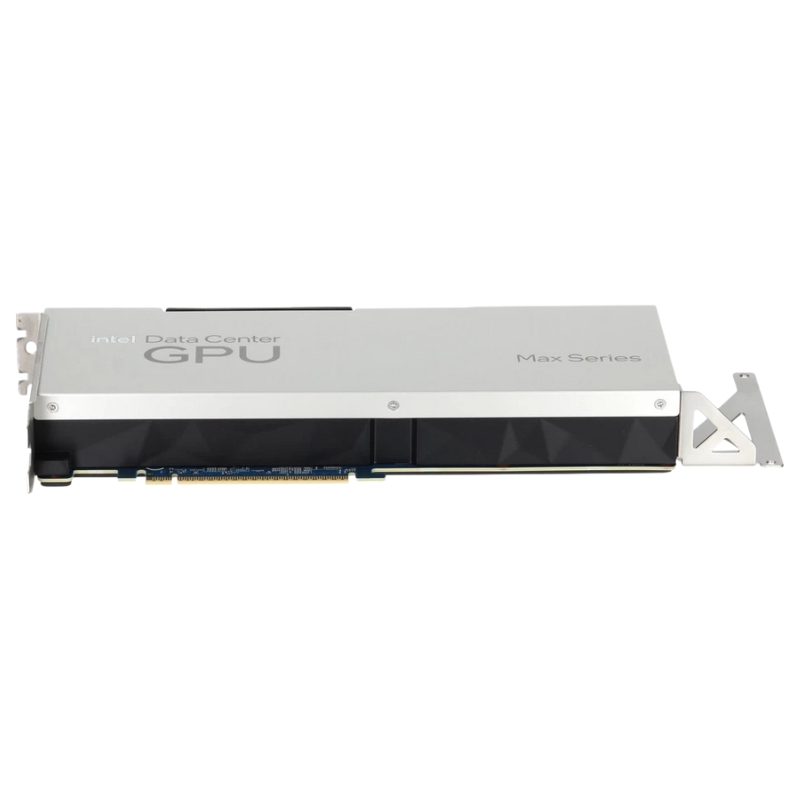
Dell WG7J6 48GB Intel Max 1100 HBM2e 300W PCIe x16 DW FHFL GPU. Excellent Refurbished with 1 year replacement warranty. Eta 2-3 Weeks. No Cancel No Return
The Dell WG7J6 GPU represents a high-performance computing solution designed for professionals and enterprises requiring exceptional graphics and parallel processing capabilities. Equipped with Intel's Max 1100 GPU architecture, this workstation card delivers unmatched computational power, tailored to handle the most demanding workloads in artificial intelligence, deep learning, 3D rendering, and scientific simulations. Its 48GB of HBM2e memory ensures rapid data access and high bandwidth, making it a versatile choice for both rendering-intensive applications and large-scale data computations.
The Dell WG7J6 GPU is equipped with 48GB of HBM2e memory, providing a high-density memory solution optimized for extreme performance. HBM2e (High Bandwidth Memory 2e) offers significantly higher bandwidth compared to traditional GDDR memory types, allowing the GPU to process large datasets at unprecedented speeds. This high-bandwidth memory architecture enables smooth handling of complex simulations, 3D rendering, and high-resolution graphics workflows without bottlenecks. The integration of HBM2e reduces latency while maintaining energy efficiency, making it ideal for power-sensitive environments that require high computational output.
The HBM2e memory of the Dell WG7J6 GPU is engineered to maximize throughput across multiple compute units simultaneously. With a memory interface designed for parallel processing, this GPU can efficiently manage massive datasets while delivering consistent performance across intensive tasks. Its 48GB capacity allows for large-scale AI models and high-resolution graphics workloads to be executed without frequent memory swapping, enhancing both speed and stability during operations. Engineers and designers will benefit from reduced render times and accelerated simulations thanks to the advanced memory efficiency.
The Dell WG7J6 GPU features the Intel Max 1100 GPU architecture, which integrates thousands of compute cores designed for parallel processing and accelerated graphics computation. This architecture provides significant improvements in floating-point performance, integer processing, and AI-specific tensor operations. With its 300W power rating, the GPU is optimized for high-density servers and workstations, delivering reliable performance even under continuous, heavy workloads. The compute cores are engineered to optimize energy efficiency, ensuring minimal thermal throttling and sustained performance during extended compute sessions.
With a PCIe x16 interface, the Dell WG7J6 GPU offers high-speed connectivity to the system, allowing for rapid data transfer between the GPU and the host processor. This interface is essential for data-intensive applications such as real-time rendering, large-scale AI training, and scientific computation. The double-width, full-height, full-length (DW FHFL) form factor provides compatibility with a wide range of server and workstation chassis, enabling seamless integration into existing infrastructure. Users can leverage multiple GPUs in parallel configurations for scalable performance across multiple compute-intensive tasks.
Managing heat and power consumption is critical for high-performance GPUs, and the Dell WG7J6 excels in this domain. With a maximum power draw of 300W, the GPU incorporates advanced thermal management features, including optimized heat sinks and efficient airflow designs. These features maintain stable operating temperatures, even under peak workloads, preventing thermal throttling and ensuring sustained performance. Power optimization technologies allow the GPU to balance energy consumption and performance, providing reliability for 24/7 operational environments.
The Dell WG7J6 GPU is particularly suited for artificial intelligence and deep learning applications. Its HBM2e memory, coupled with Intel Max 1100 architecture, enables rapid matrix multiplications and tensor operations essential for neural network training. Researchers and data scientists can leverage this GPU to train large-scale AI models more efficiently, reducing time-to-insight for complex datasets. Its high memory bandwidth ensures that large AI models are processed without bottlenecks, improving both training speed and inference accuracy.
High-performance computing (HPC) applications benefit significantly from the Dell WG7J6 GPU. From fluid dynamics simulations to molecular modeling, the GPU provides the computational power necessary to handle highly parallel tasks. Its large memory capacity allows for extensive datasets to be processed in memory, minimizing the need for frequent storage access. This capability makes it an essential component for research institutions and enterprises that rely on computational simulations to derive insights from complex scientific problems.
The Dell WG7J6 GPU is designed for seamless compatibility with modern servers and high-performance workstations. Its DW FHFL design fits into a variety of chassis configurations, making it a flexible solution for both enterprise and specialized computing environments. Users can integrate this GPU into multi-GPU setups for clustered computing tasks, expanding computational capacity for AI training, rendering farms, or simulation clusters. Dell’s rigorous quality assurance ensures that each GPU meets industry standards for reliability, thermal performance, and electrical efficiency.
Enterprise deployments require GPUs that deliver consistent performance under continuous workloads, and the Dell WG7J6 meets these requirements. Its combination of high-speed PCIe x16 connectivity, 48GB HBM2e memory, and Intel Max 1100 architecture ensures that large-scale workloads are processed efficiently and reliably. Data centers and enterprise IT teams can rely on this GPU for both compute-heavy tasks and graphics-intensive applications, providing versatility across different use cases. The GPU’s power and thermal optimization features also contribute to lower operational costs and reduced cooling requirements in enterprise environments.


 Contact Us
 Information
 Catalog
 Solid State Drives (SSD)
 Network Switches
 Hard Disk Drives
 HBA & Controllers
 PC & Servers
 PC & Server Memory
 CPU & Processors
 Network Routers
 Power Supplies
 Tape Drives & Libraries
 Network Devices
 Computer & Network Cables