(7% discount is applied at checkout)
Cart is empty
Your go-to destination for cutting-edge server products
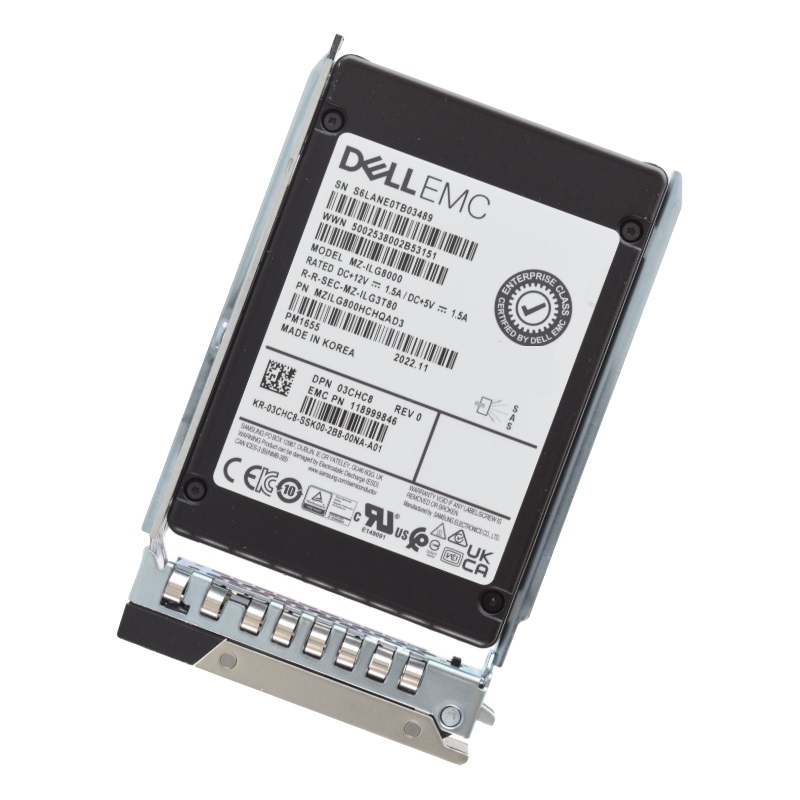


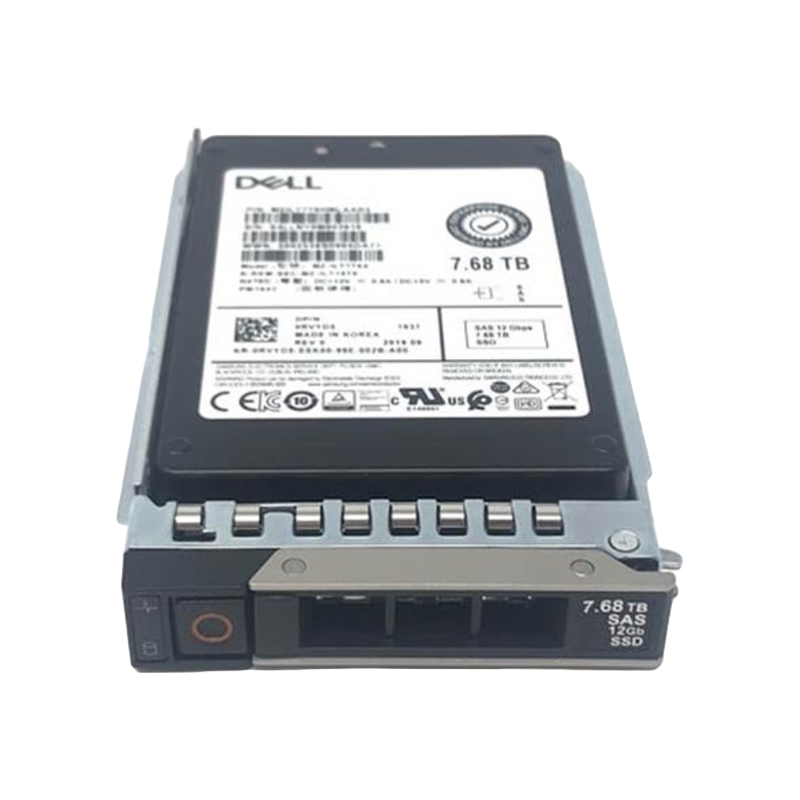
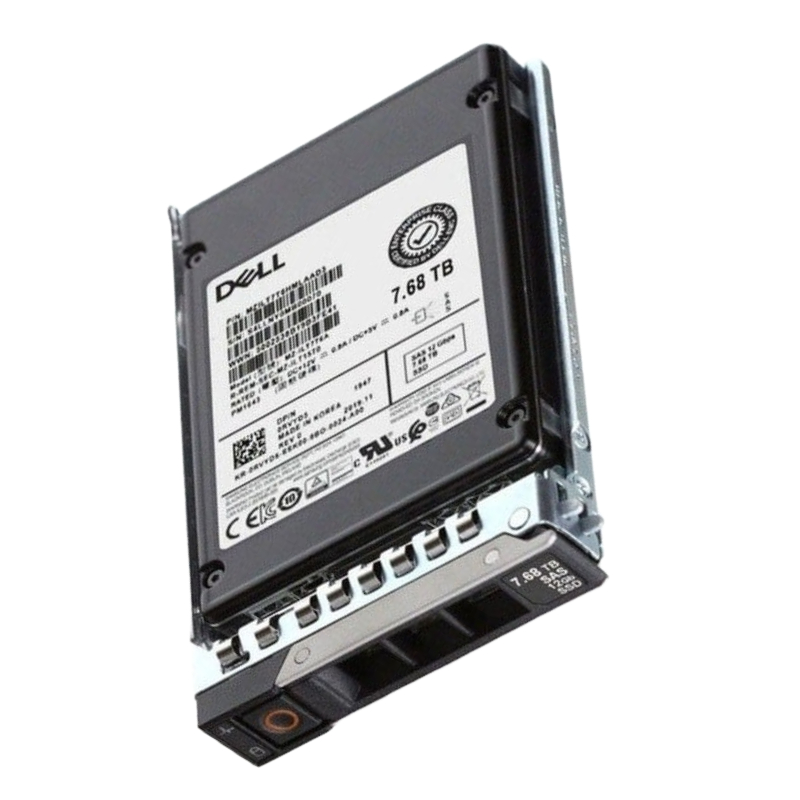
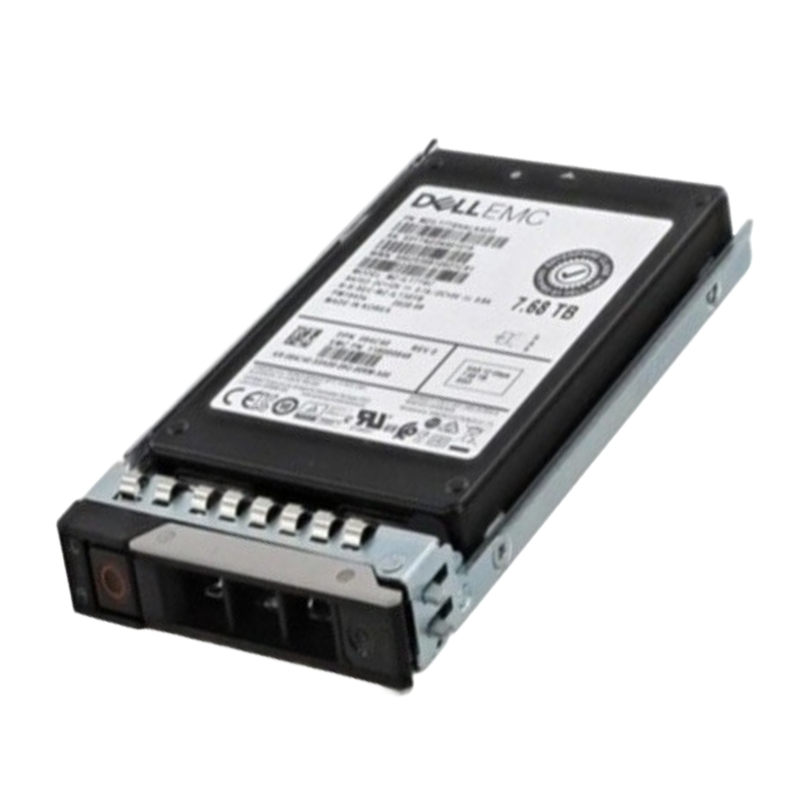
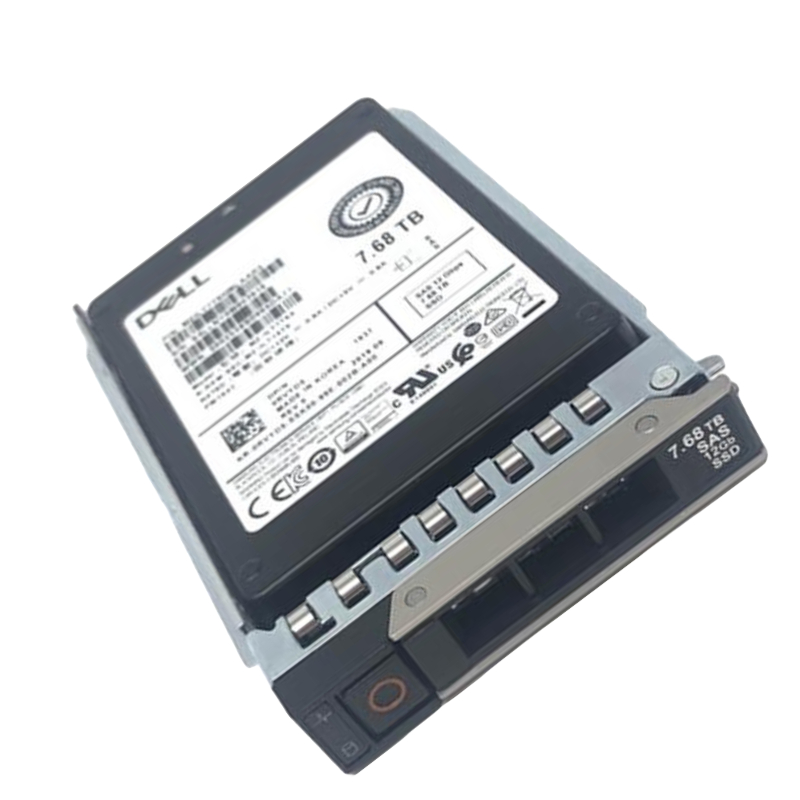
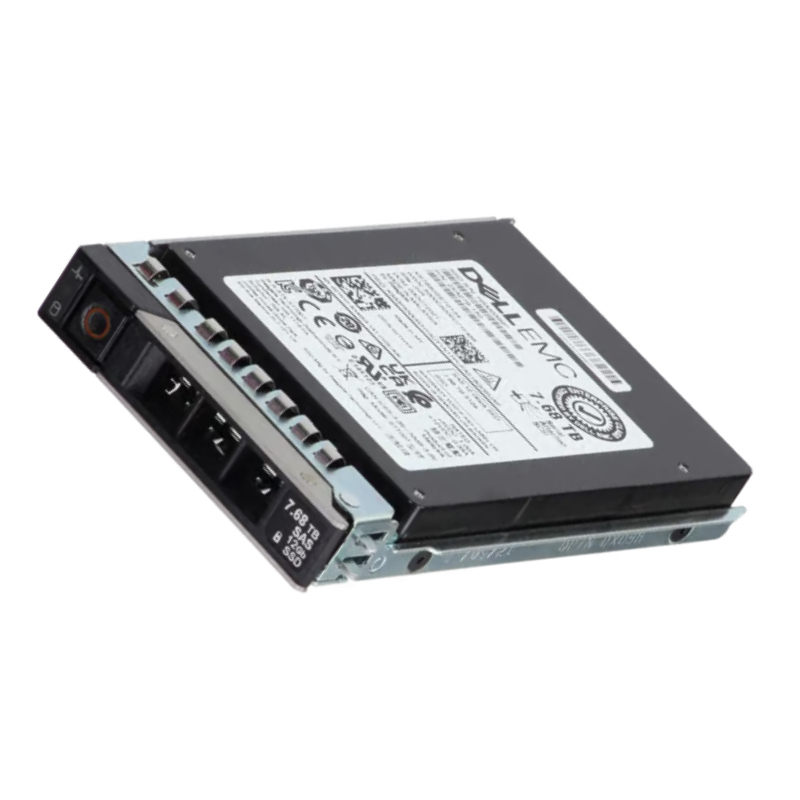
Dell YD0J3 7.68Tb SSD SAS-12Gbps Read Intensive 1DWPD 2.5Inch. New Sealed in Box (NIB) with 1 Year Warranty
The Dell YD0J3 is a high-capacity, enterprise-grade solid-state drive (SSD) designed for read-intensive workloads. With 7.68TB raw capacity, SAS 12Gb/s connectivity and built-in self-encrypting (SED) hardware, this 2.5-inch, 15mm form factor drive delivers dependable performance for servers, storage arrays and data centers.
Designed and validated for a wide range of Dell PowerEdge servers and PowerVault enclosures:
The Dell YD0J3 7.68TB SED SAS-12Gbps SSD represents the pinnacle of enterprise storage technology, specifically engineered for read-intensive workloads in data center environments. This high-capacity 2.5-inch solid-state drive delivers exceptional performance, reliability, and security for organizations requiring consistent, high-speed data access. With its impressive 7.68 terabyte capacity and 12Gb/s SAS interface, this drive addresses the growing demands of modern enterprise storage while maintaining power efficiency and thermal management crucial for dense server configurations.
The Dell YD0J3 offers a substantial 7.68TB of storage capacity in the industry-standard 2.5-inch form factor, making it compatible with most enterprise server and storage systems. This high-density storage solution enables organizations to maximize their storage footprint while reducing the physical space requirements compared to traditional hard disk drives or lower-capacity SSDs.
Featuring a SAS-12Gbps (Serial Attached SCSI) interface, this drive delivers double the bandwidth of previous 6Gb/s SAS generations. The high-speed interface ensures minimal latency and maximum throughput, making it ideal for I/O-intensive applications. The read-intensive classification indicates the drive is optimized for workloads where read operations significantly outnumber write operations.
The YD0J3 is engineered to deliver consistent performance under demanding conditions. With advanced wear-leveling algorithms and sophisticated flash management, the drive maintains high IOPS (Input/Output Operations Per Second) across various block sizes and queue depths. The SAS-12Gbps interface ensures full-duplex operation, allowing simultaneous read and write operations without performance degradation.
DWPD stands for Drive Writes Per Day, and the 1DWPD rating indicates that this SSD can withstand having its entire capacity written to once per day throughout its warranty period. For a 7.68TB drive, this translates to approximately 7.68 terabytes of data written daily over the drive's intended lifespan. This endurance rating positions the YD0J3 as ideal for read-heavy applications where write operations occur less frequently.
The 1DWPD endurance rating makes this drive suitable for a wide range of enterprise applications where data is written once and read many times. This includes database servers, web servers, virtual desktop infrastructure (VDI), and content delivery networks. The rating ensures predictable performance and reliability over the drive's operational life, providing IT administrators with clear expectations for deployment longevity.
Enterprise SSDs typically fall into three endurance categories: read-intensive (1-3 DWPD), mixed-use (3-10 DWPD), and write-intensive (10+ DWPD). The YD0J3's 1DWPD rating places it in the read-intensive category, offering a balance between cost-effectiveness and endurance for appropriate workloads. This classification helps organizations match storage technology to specific application requirements while optimizing total cost of ownership.
The Dell YD0J3 features built-in Self-Encrypting Drive technology, providing hardware-based encryption that protects data at rest without impacting performance. The SED implementation uses AES-256 encryption, the same standard adopted by government and financial institutions for sensitive data protection. This encryption occurs transparently at the hardware level, ensuring all data written to the drive is automatically encrypted without requiring additional software or processing overhead.
SED technology simplifies compliance with data protection regulations such as GDPR, HIPAA, and SOX by providing a secure method for data sanitization through cryptographic erasure. Instead of physically destroying drives or performing time-consuming data wiping procedures, administrators can instantly render data inaccessible by changing the encryption key. This capability significantly reduces the cost and complexity of drive retirement while ensuring complete data protection.
The YD0J3's SED functionality complies with TCG Opal 2.0 and Enterprise standards, ensuring interoperability with major management frameworks and encryption management solutions. This standards-based approach allows seamless integration into existing security infrastructures and enables centralized management of encryption policies across the storage environment.
The SAS-12Gbps interface represents a significant advancement over previous SAS generations, delivering up to 1,200MB/s per port in full-duplex mode. This high-speed interface eliminates storage bottlenecks in performance-sensitive environments and ensures the flash memory's capabilities are fully utilized. The dual-port capability inherent to SAS technology provides path redundancy for high-availability configurations, a critical feature for enterprise applications requiring continuous operation.
While delivering 12Gb/s performance, the YD0J3 maintains backward compatibility with 6Gb/s and 3Gb/s SAS infrastructures, allowing gradual migration to higher performance levels without requiring complete infrastructure overhaul. The SAS ecosystem also supports extensive connectivity options, including expanders that enable building large-scale storage systems with hundreds of drives while maintaining performance consistency.
Compared to SATA SSDs, SAS drives offer superior performance, enhanced reliability features, and dual-port capability. While NVMe drives provide higher performance in certain scenarios, SAS remains the interface of choice for many enterprise storage arrays due to its maturity, robustness, and extensive management capabilities. The YD0J3's SAS-12Gbps interface strikes an optimal balance between performance, reliability, and ecosystem support.
The 2.5-inch form factor enables higher storage density compared to traditional 3.5-inch drives, allowing more terabytes per rack unit in storage arrays and servers. This compact design is particularly valuable in space-constrained data centers where maximizing capacity within limited physical footprints is essential. The standardization of the 2.5-inch form factor across the industry ensures broad compatibility with existing infrastructure and future systems.
2.5-inch SSDs typically consume less power and generate less heat than their 3.5-inch counterparts, contributing to reduced operational costs and more efficient cooling requirements. The YD0J3's design optimizes power consumption based on workload demands, further enhancing energy efficiency. These characteristics make the drive suitable for high-density configurations where thermal management and power distribution are critical considerations.
The 2.5-inch form factor incorporates robust mechanical design to withstand the vibrations and environmental conditions typical in data center environments. The drive's construction ensures reliable operation in multi-drive configurations where mechanical resonance could impact performance or reliability. Standard mounting points and connector placement simplify installation and maintenance procedures.
The Dell YD0J3 incorporates several architectural optimizations specifically designed for read-intensive applications. These include advanced read-ahead algorithms, sophisticated caching strategies, and NAND flash management techniques that prioritize read latency reduction. The drive's controller is tuned to anticipate sequential read patterns common in enterprise environments, further enhancing performance for typical workload characteristics.
Read-intensive workloads often feature specific I/O patterns, including large sequential reads, small random reads, and mixed workloads with predominantly read operations. The YD0J3's firmware is optimized to handle these patterns efficiently, maintaining consistent low latency even under heavy load. Quality of Service (QoS) features ensure predictable performance across multiple simultaneous I/O streams, preventing any single application from monopolizing drive resources.
In typical enterprise deployments, the YD0J3 demonstrates consistent read performance with latency profiles that meet the requirements of demanding applications such as database serving, data analytics, and content delivery. The drive maintains performance consistency even as capacity utilization increases, thanks to advanced garbage collection and over-provisioning strategies that minimize write amplification and maintain free blocks for incoming writes.
The YD0J3 implements sophisticated error correction mechanisms, including LDPC (Low-Density Parity Check) codes, to ensure data integrity throughout the drive's lifespan. These technologies correct bit errors that naturally occur in NAND flash memory, extending the drive's usable life and preventing data corruption. Additional protection features include end-to-end data path protection and power-loss protection that safeguards data in transit during unexpected power events.
Advanced wear-leveling algorithms distribute write operations evenly across all available NAND flash blocks, preventing premature wear on specific areas of the drive. This proactive management extends the drive's lifespan and maintains consistent performance throughout its operational life. The drive continuously monitors cell health and applies read-retry and read-refresh techniques to maintain data integrity as NAND characteristics change over time.
The YD0J3 excels in database environments where fast read access to large datasets is critical for application performance. In OLTP (Online Transaction Processing) and OLAP (Online Analytical Processing) systems, the drive's low latency and high IOPS capabilities reduce query response times and improve overall system throughput. The 7.68TB capacity allows storing substantial database instances on a single drive, simplifying storage architecture and management.
In virtualized environments, the drive provides the consistent performance necessary to support multiple virtual machines with varying I/O patterns. The high capacity enables greater VM density per host, while the read-optimized characteristics improve boot times and application responsiveness. For cloud service providers, the YD0J3 offers an optimal balance of performance, capacity, and endurance for instance storage and shared storage platforms.
Content delivery networks and media streaming platforms benefit from the YD0J3's ability to deliver high sequential read performance for large media files. The drive's capacity allows storing extensive content libraries locally, reducing dependency on backend storage systems and improving content delivery efficiency. The consistent low latency ensures smooth streaming experiences even during peak demand periods.
The YD0J3 is designed with power efficiency as a key consideration, featuring multiple power states that optimize consumption based on activity levels. Advanced power management capabilities allow the drive to quickly transition between active and low-power states without impacting performance. These features contribute to reduced operational costs and enable higher density deployments within existing power and thermal envelopes.
Enterprise SSDs generate less heat than traditional hard drives, but thermal management remains critical in high-density configurations. The YD0J3 incorporates thermal monitoring and throttling mechanisms that maintain optimal operating temperatures without compromising data integrity. These features ensure reliable operation in various environmental conditions and prevent performance degradation due to overheating.


 Contact Us
 Information
 Catalog
 Solid State Drives (SSD)
 Network Switches
 Hard Disk Drives
 HBA & Controllers
 PC & Servers
 PC & Server Memory
 CPU & Processors
 Network Routers
 Power Supplies
 Tape Drives & Libraries
 Network Devices
 Computer & Network Cables