(7% discount is applied at checkout)
Cart is empty
Your go-to destination for cutting-edge server products
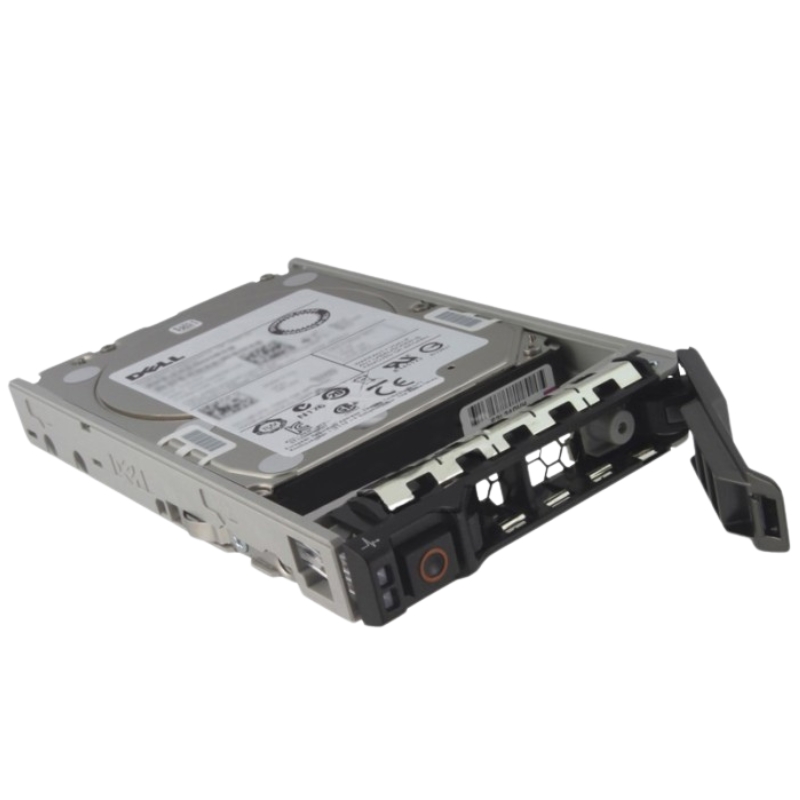


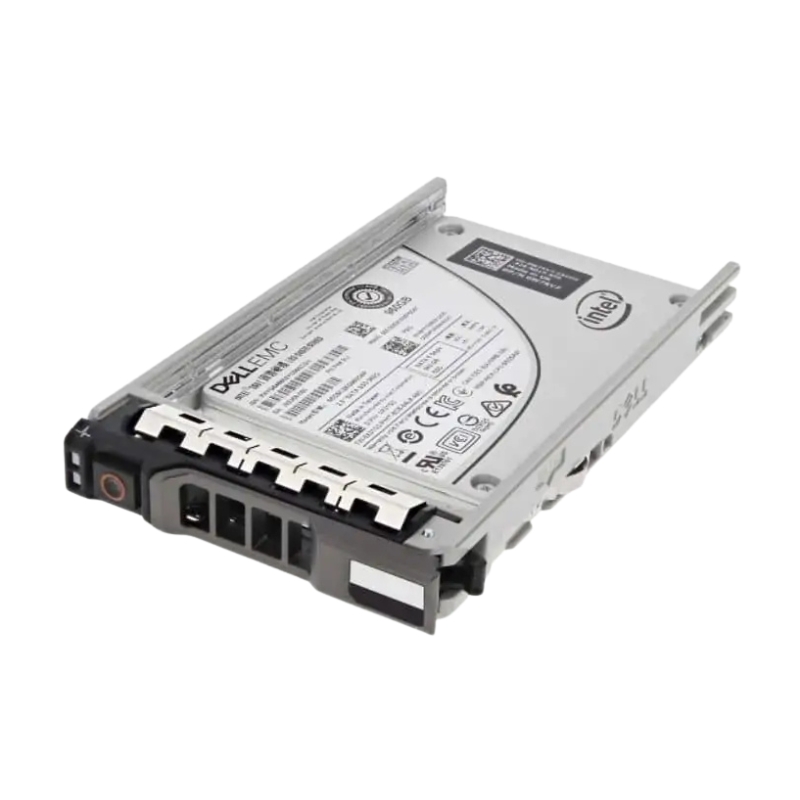
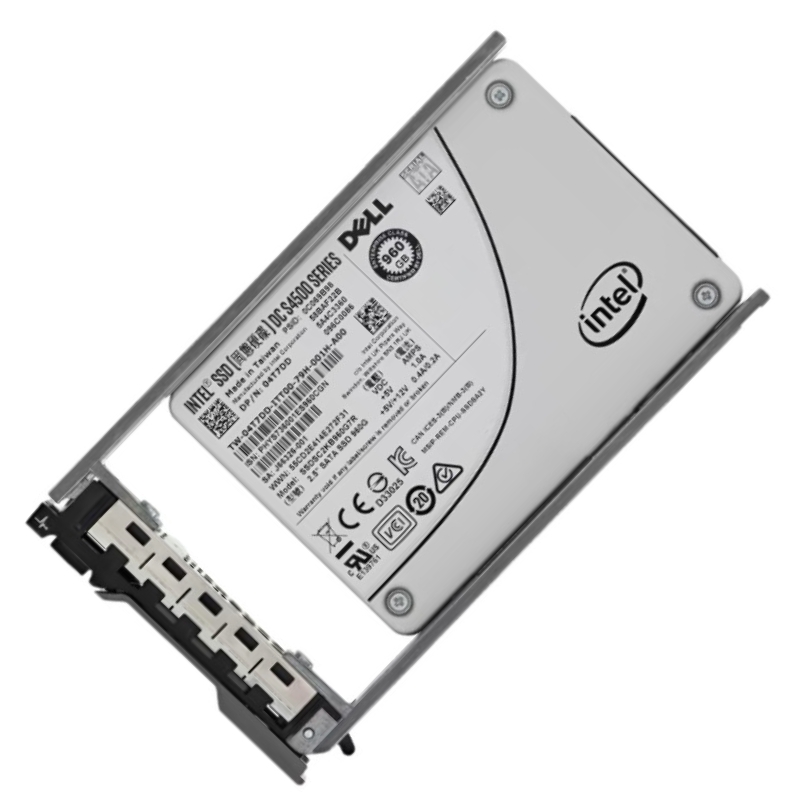
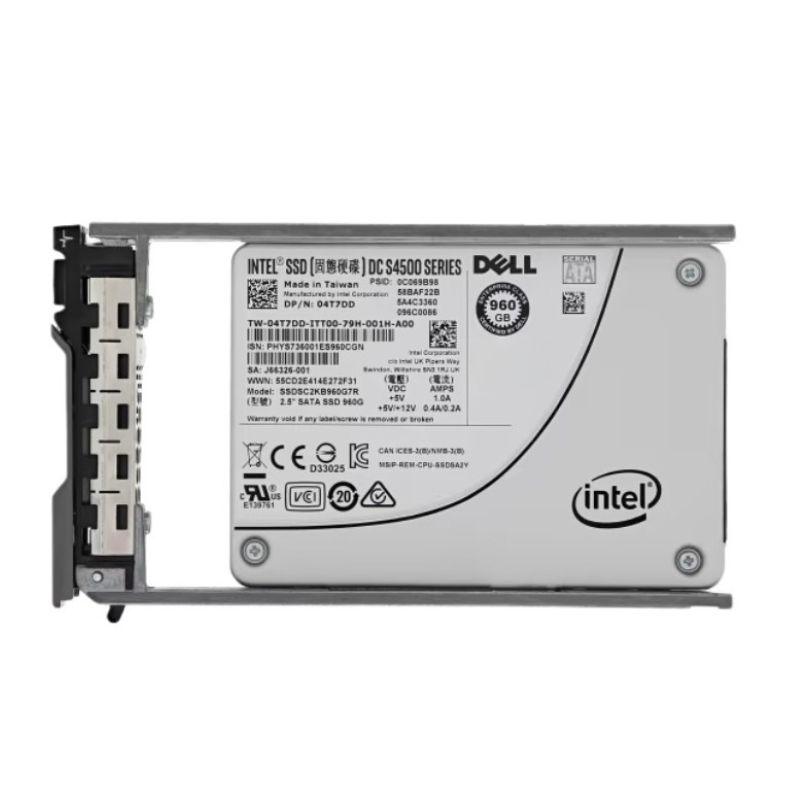
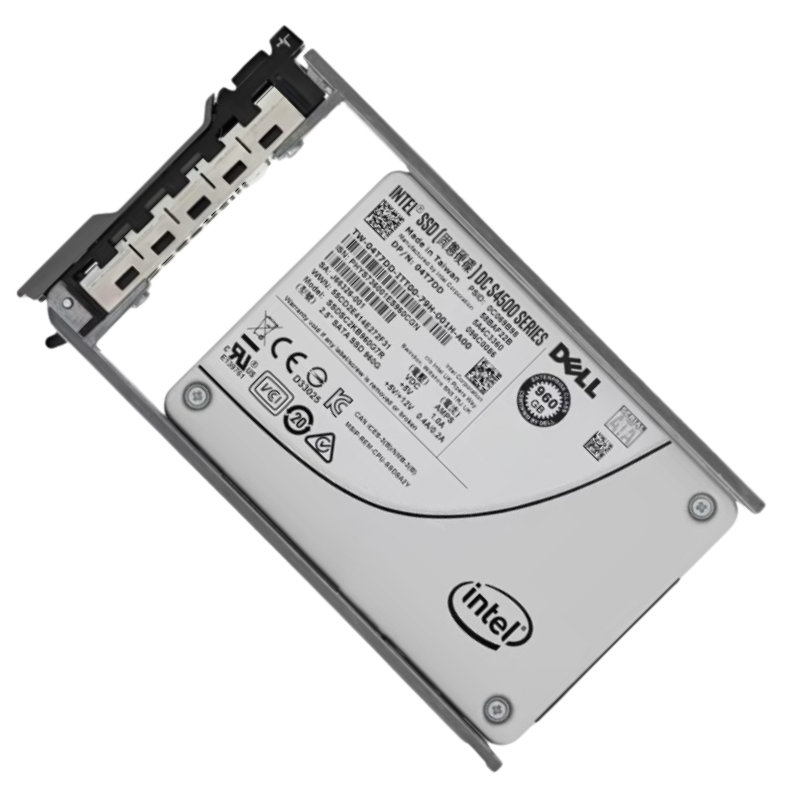
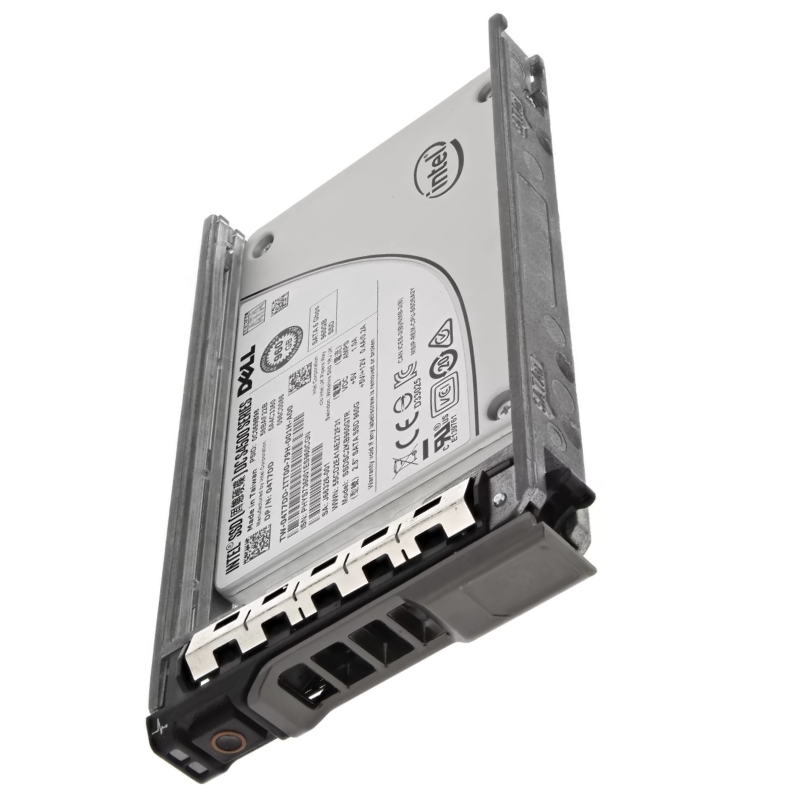
Dell YVD63 960GB SSD SAS-12GBPS Mixed Use Mlc Hot Plug. Excellent Refurbished with 1 year replacement warranty
The Dell YVD63 960GB MIX Use MLC SAS 12Gbps 2.5-inch Hot Swap SSD delivers outstanding reliability and performance for enterprise-grade servers. Designed with advanced MLC NAND flash and a high-speed SAS 12Gbps interface, this solid-state drive ensures faster data access, enhanced durability, and efficient data management for both read-intensive and write-intensive applications.
This SSD offers a 960GB storage capacity, making it ideal for servers and workstations that require fast, dependable, and scalable storage solutions.
The Dell YVD63 SAS SSD delivers superior I/O performance, low latency, and efficient throughput for mission-critical operations. Its robust architecture provides consistent read/write operations under mixed-use workloads, enhancing system responsiveness.
Compatible with 2.5-inch hot-swap bays, this SSD simplifies upgrades and replacements without system downtime.
The Dell YVD63 960GB SAS SSD is designed to integrate seamlessly with a wide range of Dell PowerEdge servers, providing enterprise-level storage reliability.
In the demanding landscape of enterprise storage, not all workloads are created equal. While read-intensive applications dominate many environments, true enterprise operations require a balanced approach to handling both read and write operations with exceptional performance and endurance. This is precisely where Mixed-Use Solid State Drives, like the Dell YVD63 960GB MIX Use MLC SAS SSD, excel.
Mixed-Use SSDs deliver excellent performance for both read and write operations, typically with a balanced ratio that can handle workloads with up to 50/50 read/write distributions effectively.
While not as extreme as write-intensive models, Mixed-Use drives feature significantly higher write endurance than read-intensive counterparts, making them suitable for applications that generate moderate write traffic.
These drives maintain low and consistent latency for both read and write operations, ensuring predictable performance in mixed workload environments.
The Dell YVD63 represents a pinnacle of enterprise storage engineering, combining proven technologies with robust design to deliver exceptional performance for mixed workload applications. This drive embodies Dell's commitment to reliability and performance in demanding enterprise environments.
The 960GB capacity point represents an optimal balance between storage density and performance characteristics. This capacity is ideally suited for applications requiring substantial storage while maintaining high performance levels. The 2.5-inch form factor ensures broad compatibility with enterprise servers and storage arrays from various manufacturers.
The 2.5-inch hot-swappable form factor allows for easy installation and replacement without system downtime. This industry-standard sizing ensures compatibility with most enterprise server configurations and storage enclosures.
Featuring SAS 12Gbps interface technology, the YVD63 delivers double the bandwidth of previous-generation 6Gbps SAS drives. This high-speed interface ensures that the drive never becomes the bottleneck in performance-critical applications, maximizing the potential of the underlying NAND flash technology.
The Serial Attached SCSI interface provides full duplex capability, meaning data can be read from and written to the drive simultaneously at full speed. This dual-port capability also offers redundant pathways for high-availability configurations, a critical feature for enterprise deployments.
The use of Multi-Level Cell (MLC) NAND flash represents a strategic choice for enterprise mixed-use applications. MLC technology stores two bits per cell, striking an optimal balance between performance, endurance, and cost-effectiveness for enterprise workloads.
MLC NAND typically offers significantly higher program/erase cycle endurance compared to TLC (Triple-Level Cell) or QLC (Quad-Level Cell) alternatives. This enhanced endurance directly translates to higher total bytes written over the drive's lifespan, making it ideal for write-intensive portions of mixed workloads.
The Dell YVD63 delivers impressive performance metrics that cater to the most demanding mixed-use scenarios. With high sequential read and write speeds, coupled with exceptional random I/O performance, this drive can handle diverse workload patterns without performance degradation.
Enterprise applications often depend on random I/O performance more than sequential throughput. The YVD63 excels in this area, delivering high IOPS (Input/Output Operations Per Second) for both read and write operations, ensuring responsive performance for database applications, virtualization, and other random I/O heavy workloads.
With enterprise-grade components and rigorous validation processes, the Dell YVD63 achieves exceptional reliability metrics. The drive features advanced error correction, power-loss protection, and sophisticated wear-leveling algorithms to ensure data integrity and maximize lifespan.
The drive boasts an impressive MTBF rating, typically exceeding 2 million hours, demonstrating the exceptional reliability engineered into every component. This reliability is further enhanced by comprehensive monitoring and reporting capabilities through standard SAS management interfaces.
The balanced performance profile of Mixed-Use SSDs like the Dell YVD63 makes them exceptionally versatile across a wide range of enterprise applications. Understanding where these drives deliver the most value helps organizations make informed purchasing decisions aligned with their specific workload requirements.
Modern virtualized infrastructure presents one of the most challenging mixed workload scenarios. With multiple virtual machines running diverse applications on a single host, the storage layer must handle unpredictable combinations of read and write operations efficiently.
When used as boot devices for hypervisor hosts, Mixed-Use SSDs provide fast boot times while handling write operations from log files, configuration changes, and performance data without compromising endurance or performance.
In both VMware and Hyper-V environments, the Dell YVD63 delivers consistent performance for host operations while providing headroom for intensive operations like VM provisioning, snapshot creation, and storage vMotion operations.
Relational databases typically generate balanced read/write workloads, with transaction logs creating write-intensive bursts and query operations generating significant read activity. Mixed-Use SSDs are ideally positioned to handle these variable demands.
Online Transaction Processing systems benefit tremendously from the consistent low latency and balanced read/write performance of Mixed-Use SSDs. The Dell YVD63 can significantly reduce transaction times while handling write-ahead logs and data modifications efficiently.
For enterprise database platforms, the YVD63 provides the endurance needed for tempdb operations, transaction logs, and data files simultaneously, reducing the need for tiered storage configurations within the database ecosystem.
Enterprise collaboration tools like Microsoft Exchange and SharePoint generate complex mixed workloads that combine user data access with background processing, indexing, and compliance activities.
In Exchange Server configurations, Mixed-Use SSDs can handle mailbox databases, transaction logs, and content indexing simultaneously, providing consistent performance during peak usage periods while maintaining data integrity.
The YVD63 delivers the low latency needed for responsive user experiences while providing the write endurance to handle continuous transaction log generation and database maintenance operations.
Development environments and continuous integration systems generate highly variable workloads, from compiling large codebases (read-intensive) to running automated tests and deploying builds (write-intensive).
The Dell YVD63 accelerates compilation times through high read performance while efficiently handling the write operations generated by build artifacts, test results, and deployment packages.
When hosting version control repositories like Git, the mixed-use characteristics ensure fast clone and fetch operations while efficiently handling commits, pushes, and branch operations that generate write activity.
Beyond raw performance specifications, the Dell YVD63 incorporates numerous enterprise-focused features designed to ensure data integrity, maximize availability, and simplify management in large-scale deployments.
Enterprise environments demand protection against data corruption during unexpected power events. The YVD63 incorporates robust power-loss protection circuits that provide sufficient power to complete in-progress writes and commit data from volatile caches to non-volatile storage.
Using high-quality capacitors, the drive maintains enough energy to execute a controlled shutdown procedure when primary power is lost, ensuring data consistency and preventing corruption.
This protection extends to both user data and critical metadata, ensuring the drive remains consistent and operational following power interruption events.
The drive implements sophisticated error correction codes (ECC) that detect and correct multi-bit errors, significantly extending the usable life of the NAND flash and maintaining data integrity even as the flash cells approach their endurance limits.
Low-Density Parity Check codes provide stronger error correction capabilities compared to traditional BCH codes, enabling the drive to maintain reliability with advanced NAND processes and higher density cells.
Advanced read retry and read disturb management algorithms prevent data corruption in adjacent cells during read operations, a critical feature for maintaining data integrity in high-density MLC NAND.
The choice of SAS 12Gbps interface technology represents a strategic decision for enterprise mixed-use applications, providing significant advantages over alternative interfaces in reliability, performance, and feature completeness.
With 12Gbps theoretical bandwidth per port, the SAS interface ensures that the storage medium never becomes the bottleneck in high-performance applications. This bandwidth translates to real-world performance benefits across various workload types.
Unlike SATA, which operates in half-duplex mode, SAS provides full-duplex capability, allowing simultaneous read and write operations at full interface speed. This characteristic is particularly valuable in mixed-use scenarios where concurrent read and write activity is common.
The ability to process read and write commands simultaneously eliminates the contention that can occur in half-duplex interfaces, resulting in more consistent and predictable performance under mixed workloads.
SAS technology incorporates enterprise-specific features that enhance reliability, simplify cabling, and enable sophisticated storage topologies not possible with consumer-oriented interfaces.
The inclusion of dual independent ports provides redundant data paths to the storage device, enabling high-availability configurations where a single controller or path failure doesn't result in storage unavailability.
Operating systems and hypervisors can leverage the dual ports for load balancing and automatic failover, enhancing both performance and reliability in mission-critical applications.
SAS expanders enable the connection of numerous devices to a single host port, simplifying storage array design and reducing infrastructure costs while maintaining performance characteristics.
The expander architecture allows organizations to scale storage capacity efficiently without proportionally increasing host controller count, optimizing infrastructure investments.
SAS incorporates comprehensive management features that simplify deployment, monitoring, and maintenance of storage infrastructure in large-scale enterprise environments.
Serial SCSI Protocol and SCSI Enclosure Services provide standardized management interfaces for device discovery, configuration, and environmental monitoring through industry-standard tools.
The SAS specification includes robust hot-swap capabilities that ensure safe insertion and removal of devices without system disruption, a critical requirement for maintainability in 24/7 operations.
End-to-end data protection using T10 Protection Information (formerly DIF) ensures data integrity from the host application through the storage device, detecting and preventing data corruption throughout the I/O path.
This additional protection layer works in conjunction with internal drive ECC to provide comprehensive data integrity assurance beyond what's possible with consumer-grade interfaces.
The selection of Multi-Level Cell NAND flash for the Dell YVD63 represents a calculated engineering decision aimed at delivering optimal endurance characteristics for mixed-use enterprise workloads without compromising performance or cost-effectiveness.
Understanding the characteristics of MLC NAND helps explain why it remains the preferred choice for many enterprise mixed-use applications, despite the emergence of higher-density alternatives.
MLC NAND stores two bits per cell, positioning it between SLC (one bit per cell) and TLC (three bits per cell) in terms of both performance characteristics and endurance metrics.
The reduction in bits per cell compared to TLC and QLC alternatives directly translates to higher program/erase cycle endurance, typically by a factor of 3-10x depending on the specific NAND technology and manufacturing process.
Enterprise-grade MLC incorporates additional enhancements beyond consumer MLC technology, further improving endurance and performance characteristics for demanding workloads.
Through optimized manufacturing processes and controller algorithms, enterprise MLC typically achieves significantly higher endurance ratings than consumer-grade MLC with the same basic cell structure.
Enterprise MLC NAND typically supports thousands of program/erase cycles per block, providing sufficient endurance for years of continuous operation in mixed-use enterprise environments.
The simpler cell structure of MLC compared to TLC and QLC results in more consistent write performance, particularly as the drive fills and during garbage collection operations.
MLC NAND maintains higher sustained write speeds under continuous workload conditions, avoiding the significant performance degradation that can affect higher-density NAND technologies during extended write operations.
Successfully integrating the Dell YVD63 into enterprise infrastructure requires careful planning around configuration, monitoring, and maintenance to maximize performance and lifespan while ensuring compatibility with existing systems.
While SAS interfaces provide broad compatibility, verifying specific interoperability with existing hardware ensures optimal performance and feature support.
Confirming compatibility with specific SAS host bus adapters and RAID controllers ensures that advanced features like T10 protection information and dual-port failover function as intended.
Ensuring current firmware versions on both the drives and controllers resolves known compatibility issues and often provides performance enhancements and reliability improvements.
Proper configuration maximizes the performance potential of Mixed-Use SSDs, ensuring they deliver their full capability to applications.
SAS SSDs typically support higher queue depths than mechanical drives, and configuring operating system and application parameters to leverage this capability can significantly improve performance in I/O intensive scenarios.
Utilizing the latest storage drivers and optimizing driver parameters for solid-state storage rather than traditional hard drives ensures the operating system properly leverages the performance characteristics of the YVD63.
Understanding how Mixed-Use SSDs compare to other enterprise SSD categories helps organizations select the optimal storage technology for their specific workload requirements and performance expectations.
Read-Intensive SSDs prioritize cost-effectiveness for workloads dominated by read operations, making strategic compromises in write endurance and performance.
Mixed-Use SSDs typically offer 3-5x higher write endurance compared to Read-Intensive models using similar NAND technology, making them suitable for applications with moderate write components.
While Read-Intensive drives excel in archival and streaming applications, Mixed-Use drives provide the flexibility to handle unexpected write workloads without premature wear-out or performance degradation.
Write-Intensive SSDs prioritize maximum write endurance, often using premium NAND technologies and substantial over-provisioning to achieve extreme write tolerance.
Mixed-Use drives provide substantial write endurance at a significantly lower cost per gigabyte than Write-Intensive alternatives, representing a more cost-effective solution for balanced workloads.
For truly write-dominated workloads like logging or write-back caching, Write-Intensive drives remain preferable, but for balanced mixed workloads, Mixed-Use drives provide optimal value.


 Contact Us
 Information
 Catalog
 Solid State Drives (SSD)
 Network Switches
 Hard Disk Drives
 HBA & Controllers
 PC & Servers
 PC & Server Memory
 CPU & Processors
 Network Routers
 Power Supplies
 Tape Drives & Libraries
 Network Devices
 Computer & Network Cables