(7% discount is applied at checkout)
Cart is empty
Your go-to destination for cutting-edge server products
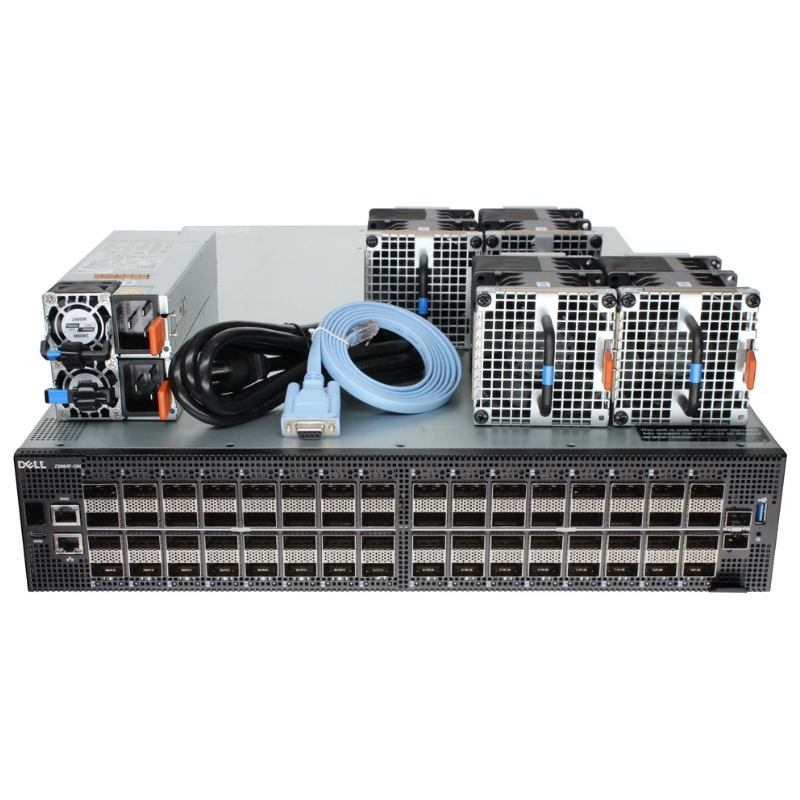


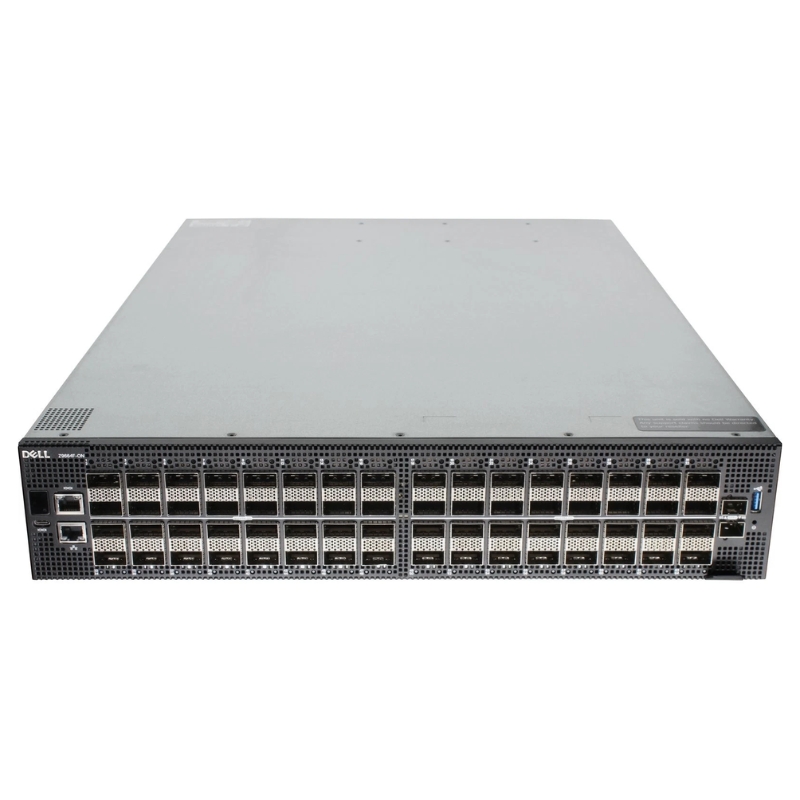
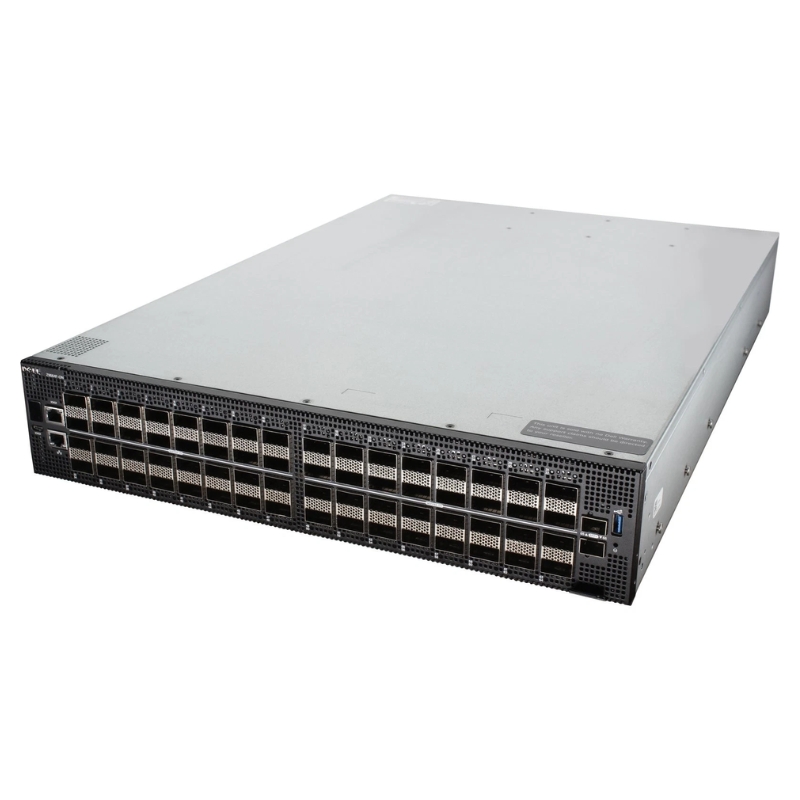
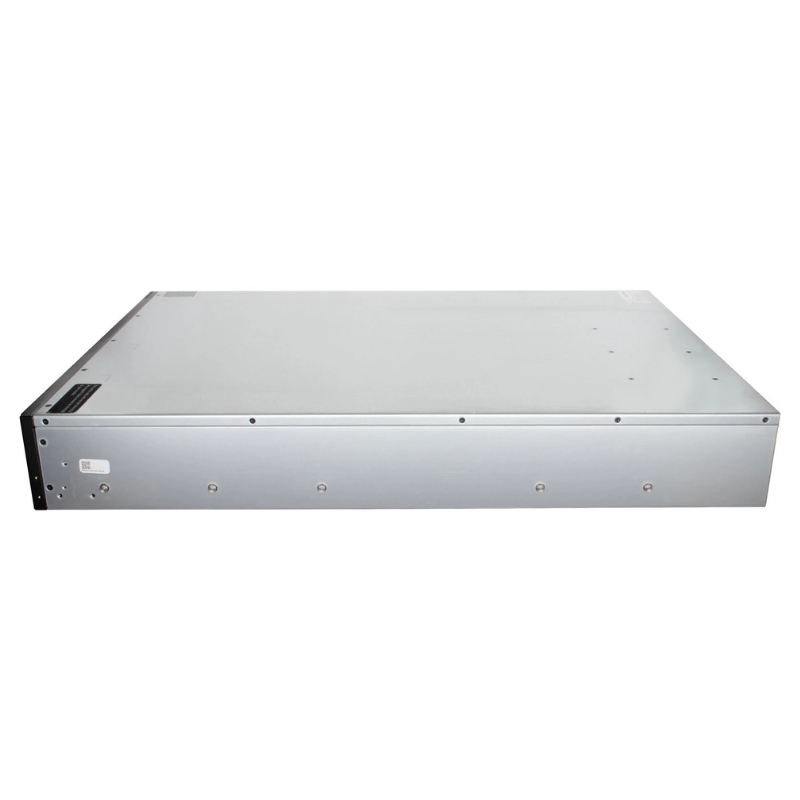
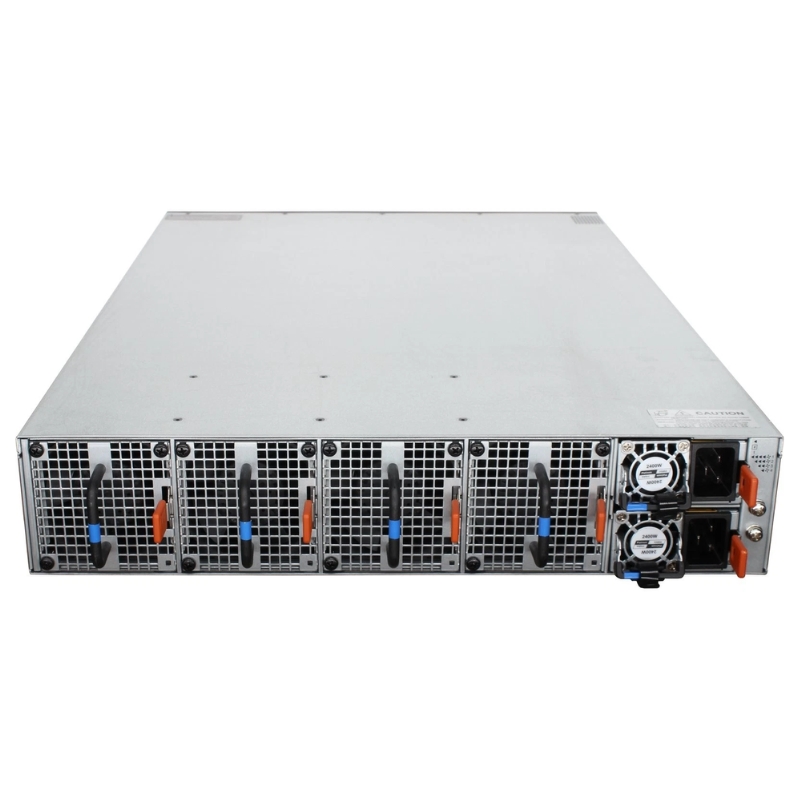
Dell Z9664F-ON 64P 400GBE QSFP56-DD OS10 PSU 2400W AC Reverse Airflow Rack Ears Networking Switch. Excellent Refurbished with 1 Year Replacement Warranty
The Dell Z9664F-ON 64-Port 400GbE QSFP56-DD Networking Switch is engineered for high-performance data centers, offering advanced connectivity, scalability, and reliability. Designed with reverse airflow and powerful PSU support, this enterprise-grade switch ensures seamless integration into modern IT infrastructures.
The Dell Z9664F-ON 64P 400GBE QSFP56-DD networking switch belongs to an advanced category of high-density, spine-class and aggregation-layer Ethernet switches designed for hyperscale, enterprise, and cloud data center environments. This category addresses the growing need for ultra-high bandwidth, low-latency, and scalable networking infrastructure capable of supporting modern workloads such as artificial intelligence clusters, high-performance computing, large-scale virtualization, and cloud-native application frameworks. The architectural focus of this category emphasizes port density, throughput efficiency, and predictable performance under extreme east-west traffic patterns.
Within this category, switches are engineered to act as central traffic hubs, efficiently interconnecting leaf switches, compute nodes, storage systems, and accelerator resources. The Dell Z9664F-ON exemplifies this design philosophy by integrating sixty-four high-speed 400 Gigabit Ethernet interfaces in a compact form factor, allowing data centers to scale bandwidth without increasing physical footprint. This consolidation capability is a defining characteristic of modern spine and core networking categories, enabling simplified cabling, reduced power consumption per gigabit, and optimized airflow management.
The 400GBE QSFP56-DD switching category represents a major evolution in Ethernet technology, delivering unprecedented throughput per port while maintaining compatibility with existing data center standards. Each 400 Gigabit Ethernet interface is capable of supporting massive data flows required by bandwidth-intensive applications, including distributed machine learning training, real-time analytics, and large-scale data replication. The aggregated bandwidth offered by sixty-four 400GBE ports enables multi-terabit switching capacity, supporting non-blocking architectures that ensure consistent performance across all connected devices.
This category benefits from the QSFP56-DD form factor, which supports double-density electrical interfaces and allows for flexible breakout configurations. Data center architects can leverage this flexibility to adapt network topologies dynamically, supporting multiple deployment scenarios such as spine-leaf architectures, high-speed interconnects, and modular expansion strategies. The ability to break down 400GBE ports into lower-speed interfaces enhances compatibility with existing infrastructure while preserving an upgrade path toward higher speeds.
Switches in this category are optimized for low-latency packet forwarding, ensuring minimal delay across network hops. This is particularly critical in environments where application performance is sensitive to microsecond-level latency variations, such as financial trading platforms, distributed databases, and AI inference pipelines. Advanced buffering strategies and intelligent queue management allow the switch to handle bursty traffic patterns without introducing congestion-related delays.
High-performance ASICs integrated into this category of switches provide deterministic forwarding behavior, supporting consistent throughput even under peak load conditions. This predictable performance profile is essential for maintaining service-level agreements in enterprise and cloud environments where network reliability directly impacts application availability and user experience.
The Dell Z9664F-ON is part of an open networking category that emphasizes flexibility, programmability, and interoperability. Open networking switches decouple hardware from software, allowing organizations to choose the network operating system that best aligns with their operational requirements. In this category, Dell’s OS10 operating system provides a robust, modular, and scalable platform designed for modern data center operations.
OS10 is built on a Linux-based architecture, enabling seamless integration with automation frameworks, orchestration tools, and DevOps workflows. This open design allows network teams to adopt infrastructure-as-code practices, streamline configuration management, and accelerate deployment cycles. The combination of open hardware and a flexible operating system positions this category as a strategic choice for organizations seeking agility and long-term adaptability.
Switches within this category support advanced automation and telemetry capabilities that enhance visibility and control across the network fabric. Real-time monitoring of traffic patterns, port utilization, and system health enables proactive issue detection and performance optimization. These features are essential in large-scale environments where manual monitoring is impractical and rapid response to anomalies is critical.
Programmability is a core attribute of this category, with support for APIs, scripting, and model-driven management interfaces. Network engineers can integrate these switches into automated provisioning pipelines, reducing operational overhead and minimizing configuration errors. This level of automation aligns with modern data center strategies that prioritize efficiency, scalability, and consistency.
Enterprise-grade security is a defining characteristic of the OS10-enabled switching category. Support for advanced access control mechanisms, secure boot processes, and role-based management ensures that network infrastructure remains protected against unauthorized access. Segmentation features allow administrators to isolate traffic flows, enhancing security and compliance in multi-tenant or hybrid cloud environments.
By integrating security at the network layer, this category supports defense-in-depth strategies that complement application-level protections. This approach is particularly valuable in environments handling sensitive data or operating under strict regulatory requirements.
The Dell Z9664F-ON networking switch category emphasizes efficient power delivery and thermal management to support high-density deployments. Equipped with dual 2400W AC power supply units, this category is designed to handle the substantial energy demands associated with multi-terabit switching. Redundant power configurations enhance resilience, ensuring continuous operation even in the event of a power supply failure.
Reverse airflow design is a critical feature for data centers that employ hot aisle and cold aisle containment strategies. By aligning airflow direction with rack-level cooling layouts, this category improves thermal efficiency and reduces the risk of hotspots. Effective cooling is essential for maintaining consistent performance and prolonging hardware lifespan in high-density environments.
Power efficiency is an increasingly important consideration in modern data centers, and this category addresses that need through optimized hardware design and intelligent power management. Efficient power supplies reduce energy loss, while advanced thermal controls adjust fan speeds based on real-time temperature readings. These features contribute to lower operational costs and support sustainability initiatives.
By delivering high bandwidth per watt, this category enables organizations to scale network capacity without proportionally increasing energy consumption. This efficiency is particularly valuable in large-scale deployments where power and cooling constraints can limit expansion.
The inclusion of rack ears and standardized form factors ensures seamless integration into existing data center racks. Mechanical design considerations focus on ease of installation, maintenance, and serviceability. Front-accessible components and clear labeling simplify routine tasks, reducing downtime and improving operational efficiency.
Robust construction and high-quality materials contribute to the durability of this category, ensuring reliable performance under continuous operation. Mechanical stability is essential in environments where vibration, temperature fluctuations, and long service intervals are common.
The high-port-density switching category represented by the Dell Z9664F-ON is designed to scale alongside growing data center demands. By serving as a spine or aggregation switch, it enables the construction of large-scale network fabrics that can accommodate thousands of endpoints. This scalability supports evolving workloads, from traditional enterprise applications to cloud-native microservices and AI-driven platforms.
Flexible port configurations and high throughput allow network architects to design fabrics that balance performance, redundancy, and cost efficiency. As data volumes increase and application architectures become more distributed, this category provides the foundation for resilient and adaptable network infrastructures.
Modern workloads such as containerized applications, distributed databases, and machine learning pipelines generate complex traffic patterns that demand high-speed, low-latency networking. This category is optimized to handle such patterns, ensuring consistent performance across diverse use cases. High-speed interconnects reduce communication overhead between compute nodes, accelerating application performance and improving user experience.
In cloud and hybrid environments, this category supports seamless integration between on-premises infrastructure and external services. High-capacity links enable efficient data exchange, supporting disaster recovery, data replication, and hybrid cloud connectivity strategies.
Reliability is a cornerstone of this networking switch category. Redundant components, including power supplies and cooling systems, ensure continuous operation even under fault conditions. Advanced diagnostics and self-monitoring features enable rapid identification of potential issues, supporting proactive maintenance strategies.
High availability features are essential in mission-critical environments where network downtime can result in significant financial and operational impacts. This category is engineered to meet stringent uptime requirements, supporting enterprise and service provider deployments alike.


 Contact Us
 Information
 Catalog
 Solid State Drives (SSD)
 Network Switches
 Hard Disk Drives
 HBA & Controllers
 PC & Servers
 PC & Server Memory
 CPU & Processors
 Network Routers
 Power Supplies
 Tape Drives & Libraries
 Network Devices
 Computer & Network Cables