(7% discount is applied at checkout)
Cart is empty
Your go-to destination for cutting-edge server products
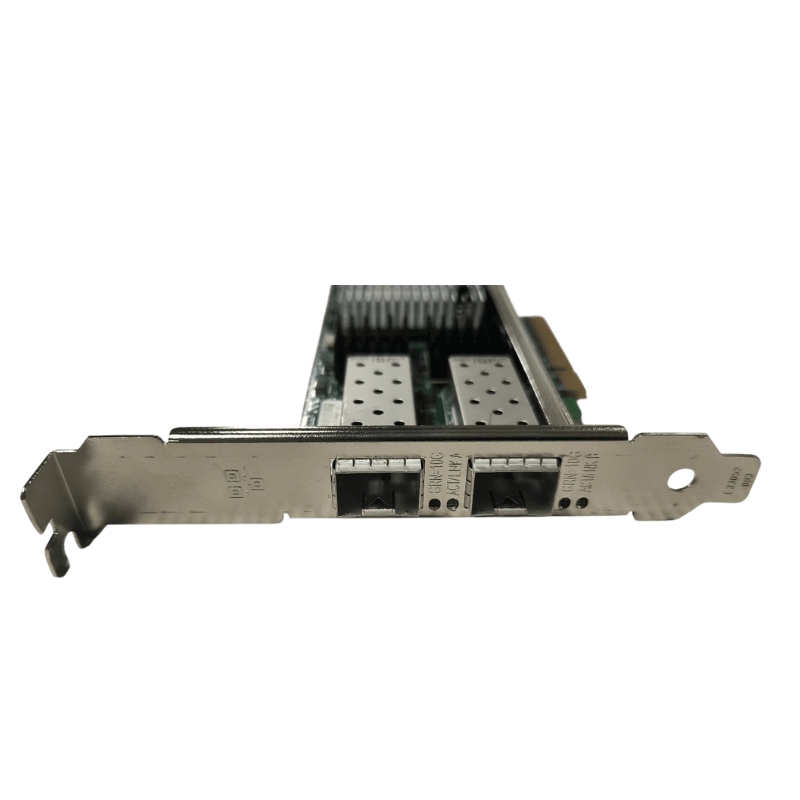


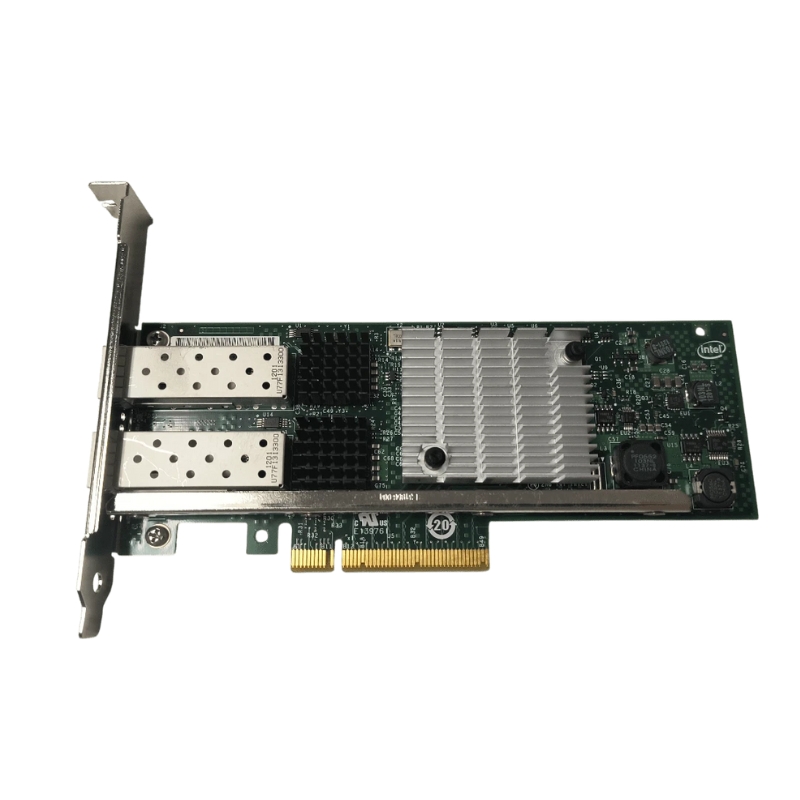
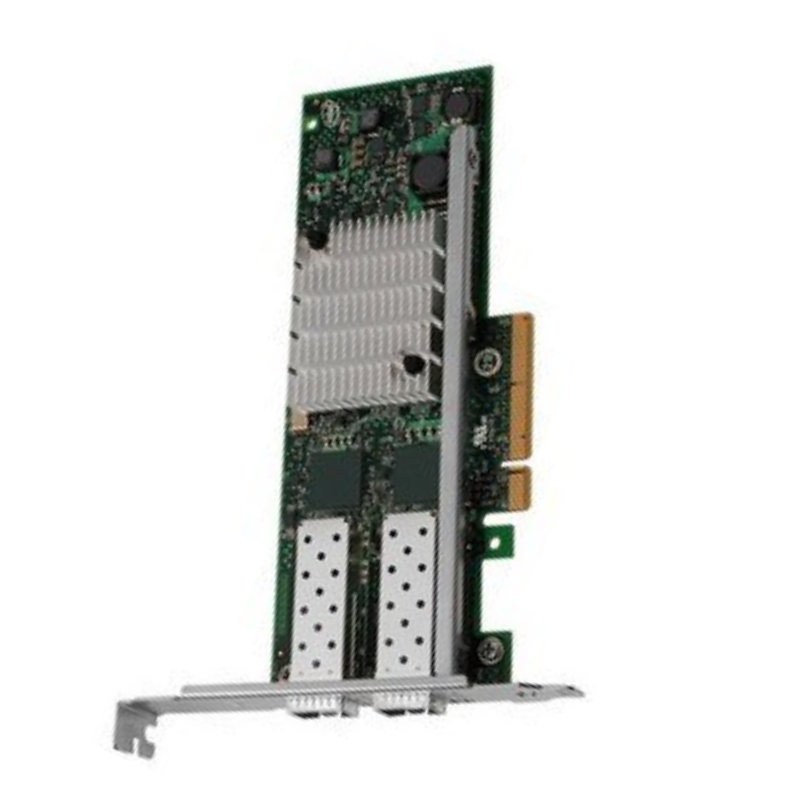
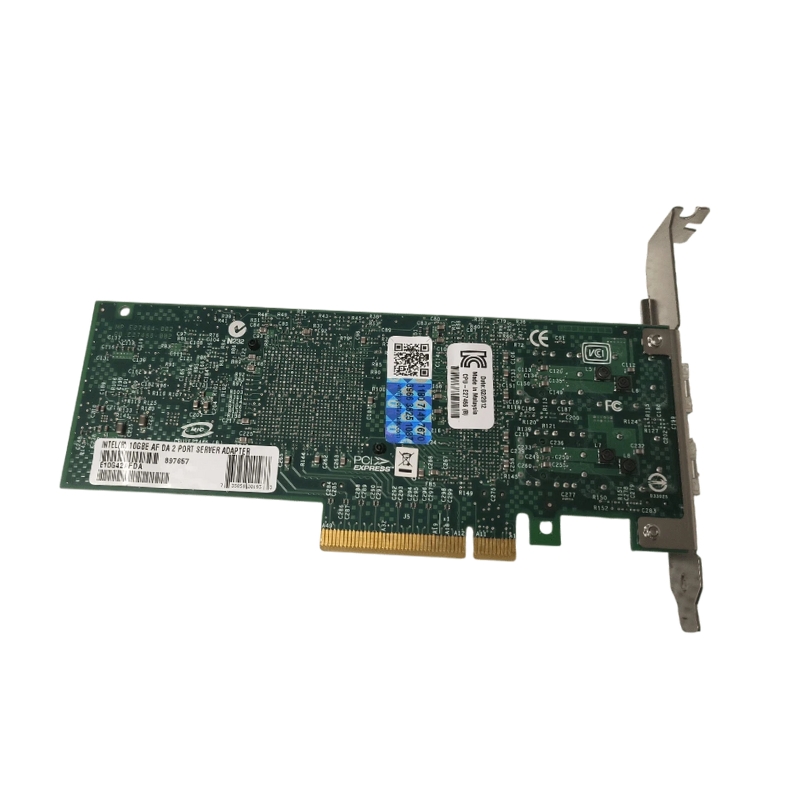
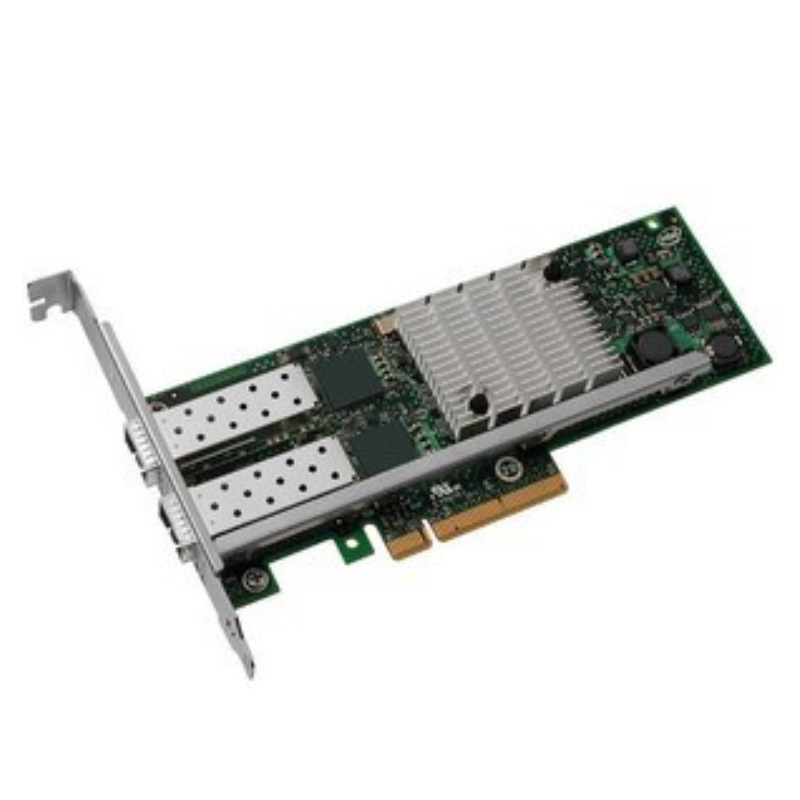
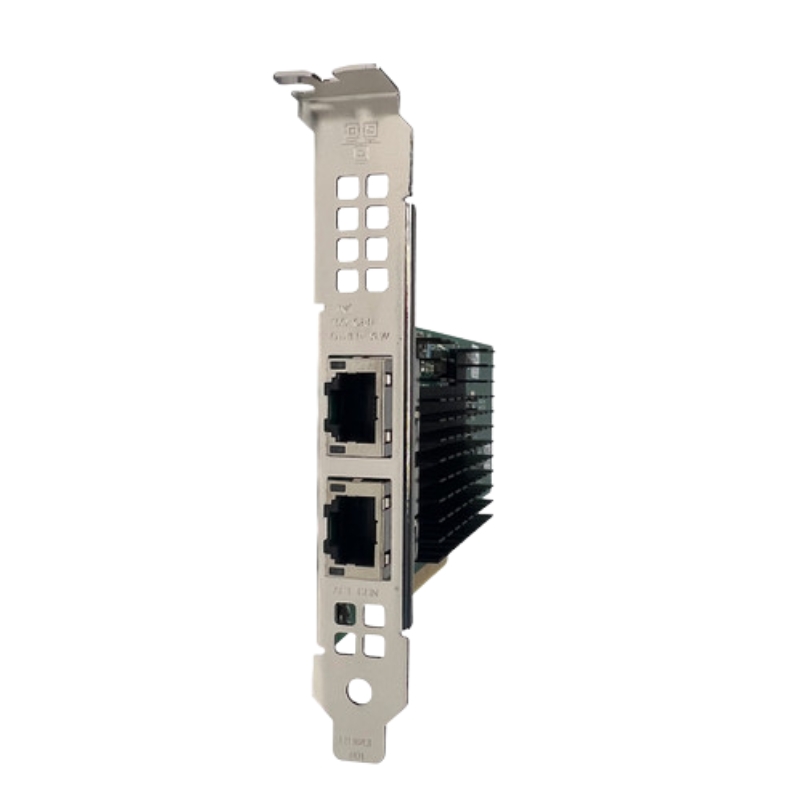
Intel E10G42AFDAGP5 Dual-Ports SFP+ 10 Gigabit Ethernet PCI Express Server Adapter. Excellent Refurbished with 1-Year Replacement Warranty
The Intel E10G42AFDAGP5 Dual-Port SFP+ 10 Gigabit Ethernet PCI Express Server Adapter is a high-performance networking solution designed for enterprise servers, data centers, and virtualization environments. Built to deliver ultra-fast connectivity, reliability, and scalable bandwidth, this adapter supports demanding workloads where stable 10GbE throughput is essential.
The Intel E10G42AFDAGP5 Dual-Ports SFP+ 10 Gigabit Ethernet PCI Express Server Adapter represents a high-performance networking solution engineered for enterprise-grade servers, data centers, and cloud infrastructure environments requiring ultra-fast, low-latency connectivity. Designed with dual SFP+ ports and PCI Express architecture, this adapter enables scalable 10 Gigabit Ethernet throughput while maintaining stability under heavy network loads. It is widely used in virtualization clusters, storage networking, high-frequency trading systems, and mission-critical workloads where reliable bandwidth and minimal packet loss are essential.
This server adapter is built on a PCI Express interface that ensures direct communication between the network hardware and the system motherboard. The PCIe design minimizes bottlenecks by providing dedicated lanes for data transmission, allowing consistent throughput for both inbound and outbound traffic. The architecture is optimized for server environments where multiple virtual machines and services compete for network resources simultaneously.
The inclusion of two SFP+ ports allows flexible connectivity options using fiber optic transceivers or direct attach copper cables. This dual-port configuration enhances redundancy and load balancing capabilities. In enterprise deployments, administrators can configure link aggregation or failover strategies to ensure uninterrupted connectivity in case one link experiences degradation or failure.
The SFP+ design supports hot-pluggable transceivers, enabling network administrators to replace or upgrade optical modules without shutting down the server. This capability is particularly valuable in 24/7 data center environments where uptime is critical and maintenance windows are limited.
The adapter is capable of delivering up to 10 Gigabits per second per port, resulting in an aggregated potential throughput of 20 Gbps in dual-port configurations. This high bandwidth is essential for data-heavy applications such as virtualization clusters, backup systems, distributed databases, and large-scale file transfers across storage area networks.
Low latency is a defining characteristic of this adapter, making it suitable for applications that require real-time communication. Financial trading systems, high-performance computing clusters, and cloud-native microservices benefit significantly from reduced packet transmission delays and efficient interrupt handling mechanisms embedded within the hardware design.
To reduce CPU overhead, the adapter supports hardware-based checksum offloading, segmentation offloading, and packet classification. These features allow the system processor to focus on application-level tasks while the network adapter handles repetitive packet processing functions internally.
Interrupt moderation techniques reduce the frequency of CPU interrupts generated by network traffic, improving system stability under high-load conditions. This ensures that server resources are allocated efficiently, especially in environments with multiple simultaneous network streams.
Modern data centers rely heavily on virtualization technologies, and this adapter is designed to support multiple virtual machines operating on a single physical host. It provides consistent bandwidth allocation and ensures that virtual workloads do not interfere with each other’s network performance.
Single Root I/O Virtualization (SR-IOV) support allows the adapter to present multiple virtual interfaces directly to virtual machines. This reduces hypervisor overhead and improves network efficiency by enabling near-native performance for virtualized workloads.
In cloud environments, isolation between tenants is critical. The adapter ensures that each virtual function operates independently, minimizing cross-traffic interference and improving security boundaries between virtual machines hosted on the same physical server.
The architecture of this adapter is designed to scale seamlessly in cloud infrastructures. Whether deployed in private clouds, hybrid environments, or large-scale enterprise clusters, it supports high-density server configurations and dynamic workload balancing.
One of the key strengths of this adapter is its ability to maintain consistent throughput even under sustained heavy network traffic. This is essential for applications such as distributed analytics, high-volume transaction systems, and real-time data replication services.
Advanced buffering and flow control mechanisms help minimize packet loss during peak traffic conditions. This ensures data integrity and reliable transmission across long-distance fiber connections commonly used in enterprise networks.
The adapter dynamically adjusts internal buffering based on network conditions. This adaptive approach helps maintain performance stability during traffic spikes and prevents congestion-related degradation.
Despite its high performance, the adapter is designed with energy efficiency in mind. Power management features reduce energy consumption during low-utilization periods while maintaining readiness for instant scaling when network demand increases.
The adapter is compatible with a wide range of enterprise server platforms, including rack-mounted servers, blade systems, and modular data center architectures. It integrates seamlessly with Intel-based server infrastructures and supports various chipset configurations.
This network adapter supports multiple operating systems commonly used in enterprise environments, including Linux distributions, Windows Server editions, and virtualization hypervisors. Optimized drivers ensure stable performance and advanced feature accessibility across platforms.
Driver-level optimization ensures efficient interaction with the operating system kernel. This reduces overhead and improves packet processing efficiency, particularly in high-throughput environments.
The adapter supports standard networking protocols used in modern enterprise systems, ensuring interoperability with existing network infrastructure. This allows organizations to upgrade performance without redesigning their entire network architecture.
In high-density environments, this adapter plays a critical role in maintaining stable and high-speed connectivity between servers, storage systems, and external networks. Its dual-port design supports redundant paths, reducing downtime risks.
The adapter is frequently used in storage area networks where large volumes of data must be transferred rapidly and reliably. It supports synchronous and asynchronous replication systems that require consistent throughput.
Organizations implementing disaster recovery strategies rely on this adapter to ensure fast replication of critical data across geographically distributed data centers. Its reliability ensures minimal data loss during failover events.
Cloud providers deploy this adapter in compute nodes to deliver high-performance networking for tenant workloads. It supports scalable architectures where bandwidth allocation must be dynamically adjusted based on demand.
The adapter includes hardware-based mechanisms for validating packet integrity, ensuring that corrupted or malformed packets are detected early in the transmission process. This improves overall network reliability and reduces processing overhead.
When used in conjunction with secure network protocols, the adapter helps maintain encrypted data flows between servers and clients. This is particularly important in regulated industries such as finance, healthcare, and government IT systems.


 Contact Us
 Information
 Catalog
 Solid State Drives (SSD)
 Network Switches
 Hard Disk Drives
 HBA & Controllers
 PC & Servers
 PC & Server Memory
 CPU & Processors
 Network Routers
 Power Supplies
 Tape Drives & Libraries
 Network Devices
 Computer & Network Cables