(7% discount is applied at checkout)
Cart is empty
Your go-to destination for cutting-edge server products
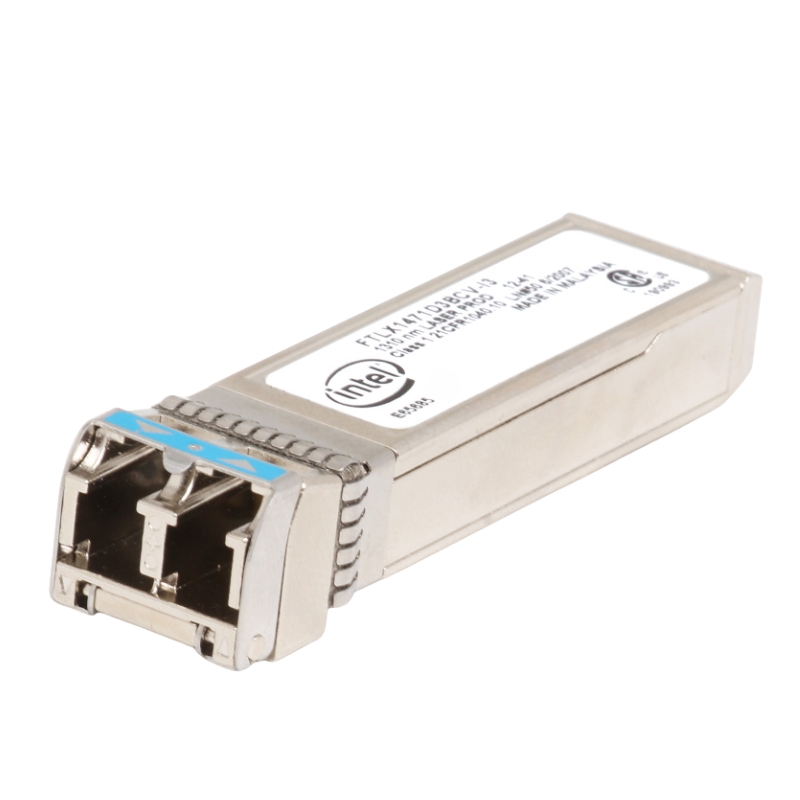


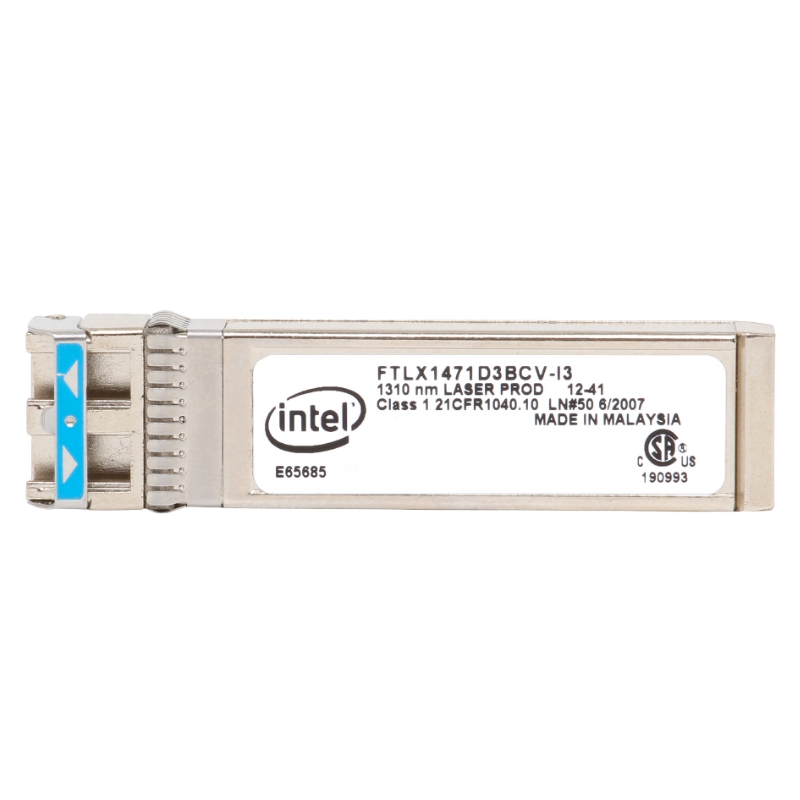
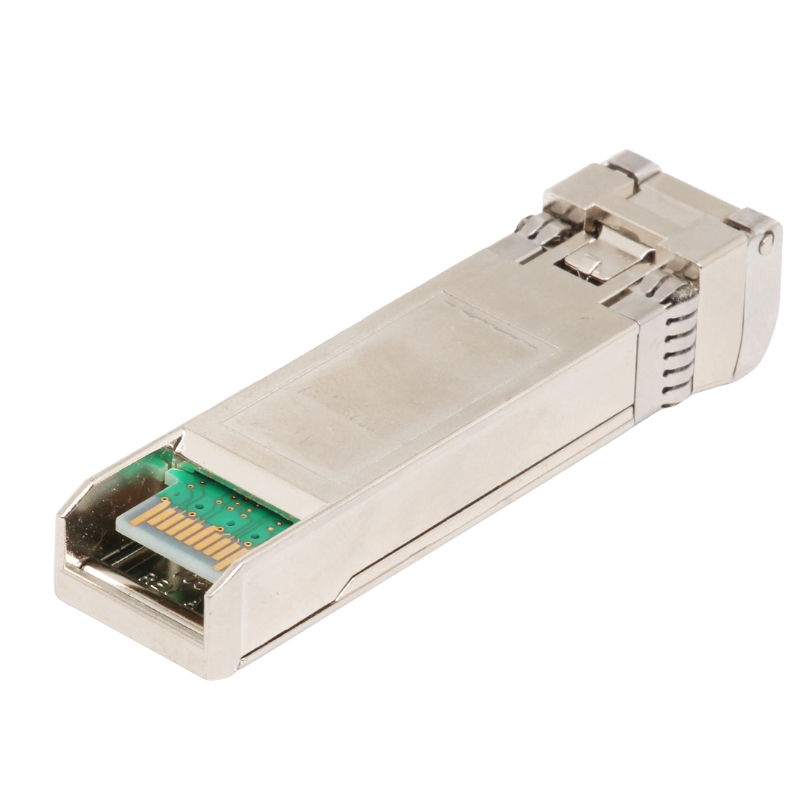
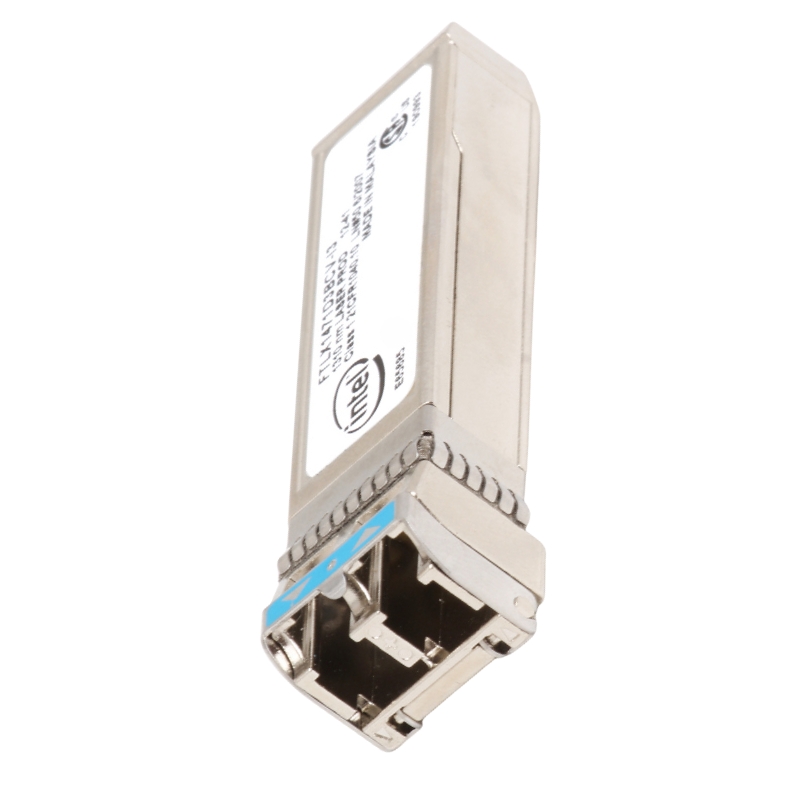
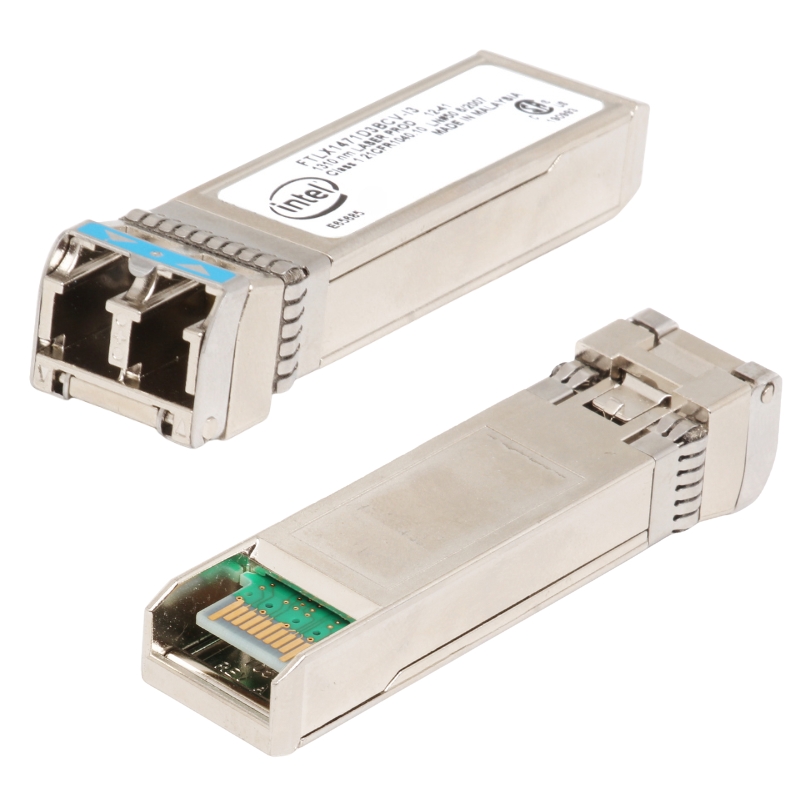
Intel E65685-002 10GB 1310nm SFP+ Optical Transceiver. Excellent Refurbished with 1 year replacement warranty
The Intel E65685-002 is a high-performance 10GB 1310nm SFP+ optical transceiver engineered for dependable high-speed fiber networking in enterprise, server, storage, and data center environments. Designed as an SFP+ transceiver module, it supports 10 Gigabit Ethernet connectivity over optical fiber and is ideal for organizations that need stable long-distance data transmission, low-latency communication, and reliable network expansion. With its 1310nm optical wavelength and compact hot-pluggable SFP+ form factor, the Intel E65685-002 helps simplify deployment in compatible switches, adapters, and network infrastructure while maintaining the performance, consistency, and signal integrity required for demanding business applications.
The Intel E65685-002 10GB 1310nm SFP+ Optical Transceiver belongs to the enterprise optical networking category built for high-speed Ethernet communication across fiber-based infrastructure. This transceiver class is associated with 10 Gigabit networking environments where stable optical transport, low-latency data movement, and dependable long-distance signal delivery are essential to the overall design of the network. In modern server rooms, corporate campuses, data centers, virtualization clusters, storage networks, cloud access layers, and edge aggregation environments, SFP+ optical modules remain a foundational component because they create the physical optical link between switches, servers, routers, and network interface cards.
As a 10GB 1310nm SFP+ optical transceiver, the Intel E65685-002 is aligned with long-reach optical transmission practices commonly used in single-mode fiber environments. The 1310nm wavelength is widely recognized in enterprise and data center networking for long-distance optical communication where administrators need reliable signal integrity beyond the short-distance limits of multimode optics. In category page architecture, this product sits within the broader family of Intel optical networking accessories, Intel Ethernet transceivers, 10GbE SFP+ modules, data center optical modules, and long-range fiber connectivity components designed to support Intel-based networking ecosystems and compatible infrastructure.
The value of a transceiver such as the Intel E65685-002 extends well beyond simple link establishment. It plays an important role in bandwidth planning, rack-to-rack communication, switch uplink design, storage traffic handling, virtualization performance, application delivery, and business continuity planning. Organizations deploying 10 Gigabit Ethernet infrastructure require components that fit within a larger strategy focused on throughput, thermal efficiency, optical stability, interoperability, and service continuity. A 1310nm SFP+ module is therefore not just a cable accessory or a replaceable plug-in device; it is a performance enabler within a carefully engineered physical network layer.
In 10 Gigabit Ethernet architecture, the transceiver acts as the interface that converts electrical signals from a host device into optical signals for transmission over fiber and then converts incoming optical signals back into electrical form for the receiving hardware. This process is central to the operation of SFP+ based networking. The Intel E65685-002 10GB 1310nm SFP+ Optical Transceiver supports this physical layer function in a form factor that is compact, modular, hot-pluggable, and well suited to enterprise deployment standards.
The significance of this role becomes clear when considering how many layers of a network depend on consistent optical transport. Hypervisor clusters rely on fast east-west traffic. Storage arrays depend on low-latency, high-bandwidth access. Backup systems require predictable transfer performance. Application servers need stable upstream links to access switching infrastructure. Security appliances, load balancers, and WAN edge devices often participate in the same optical network fabric. In all of these scenarios, the transceiver is a critical hardware element because it determines how the physical link is established and sustained.
The Intel E65685-002 category is especially relevant for organizations standardizing on Intel Ethernet hardware or building mixed-vendor enterprise environments where Intel adapters and Intel-qualified optics play a role in the physical network design. A compatible 10GbE optical transceiver supports cleaner deployment planning because it aligns the network adapter side of the infrastructure with known optical specifications, wavelength expectations, and long-reach connectivity requirements.
The 1310nm wavelength is strongly associated with long-reach optical Ethernet communication, especially where single-mode fiber is used to connect devices across greater distances than short-range 850nm optics can practically support. In the context of the Intel E65685-002 10GB 1310nm SFP+ Optical Transceiver, the 1310nm designation is one of the most important technical identifiers because it signals the product’s suitability for longer fiber runs, building-to-building links, campus interconnects, distribution layer uplinks, and data center connections that require dependable optical transport over significant distance.
Long-reach optical networking is valuable because it provides design flexibility. Rather than forcing all critical equipment into close physical proximity, organizations can distribute infrastructure across rooms, floors, buildings, or facilities while maintaining high-speed Ethernet connectivity. A 1310nm SFP+ transceiver supports that design philosophy by enabling optical links that can traverse structured fiber paths with strong signal integrity when paired with the proper fiber type and compatible hardware endpoints.
For enterprise planners, wavelength selection affects cabling strategy, equipment placement, disaster recovery design, and lifecycle cost. A 1310nm module is often selected when the deployment requires greater reach than a short-range multimode optic, or when the existing structured cabling plant is already optimized for single-mode fiber. In many organizations, single-mode fiber becomes attractive not only because of distance but because it can provide a longer-term infrastructure foundation for future growth. As a result, the Intel E65685-002 category appeals to customers thinking beyond a single switch-to-switch link and instead considering how the optical layer will support long-term expansion.
The SFP+ form factor remains one of the most successful and widely adopted standards in enterprise networking because it combines density, modularity, serviceability, and broad ecosystem support. The Intel E65685-002 10GB 1310nm SFP+ Optical Transceiver benefits directly from this design standard. Instead of locking a device into a fixed optical interface, SFP+ based hardware allows network teams to choose the optical module that best fits the application, reach requirement, cabling environment, and budget profile.
In practical terms, this modularity improves deployment flexibility. A network switch can be purchased with SFP+ ports and then populated with the appropriate optics depending on whether the intended links are short-range, long-range, direct attach, or future upgrades. The same principle applies to Intel Ethernet adapters in servers and appliances that expose SFP+ connectivity. By using pluggable optics, organizations can tailor each link to the exact physical conditions of the environment without replacing the entire adapter or switching platform.
Space efficiency is another major advantage. High-density networking environments benefit from SFP+ modules because they are compact and designed for tightly packed port layouts. In data centers where rack space and front-panel port density matter, the small size of SFP+ optics supports cleaner hardware design and more scalable deployment patterns. The Intel E65685-002 category is therefore not only about optical performance but also about physical infrastructure efficiency.
The Intel E65685-002 10GB 1310nm SFP+ Optical Transceiver is most relevant when viewed as part of the broader Intel Ethernet and optical networking ecosystem. Intel has long maintained a strong presence in server networking through Ethernet adapters, converged network adapters, and data center connectivity solutions. In these environments, transceiver compatibility is not a minor detail; it is a crucial factor in ensuring that the optical module is recognized by the host adapter, operates within supported parameters, and contributes to stable link performance.
Intel-qualified optics can be particularly important in environments using Intel server adapters because many enterprise networking platforms validate or recommend specific modules for proper operation. This is relevant in procurement workflows where buyers need confidence that the selected transceiver aligns with Intel networking hardware rather than relying on an uncertain compatibility assumption. When a product category centers on an Intel SFP+ optical transceiver, the implied value proposition includes ecosystem alignment, installation confidence, and more predictable integration with Intel-based 10GbE adapters and associated infrastructure.
Compatibility planning extends beyond the transceiver and host adapter. It includes the fiber type, patch panels, structured cabling, connector cleanliness, link budget expectations, firmware compatibility, switch-side optical acceptance, and the broader network topology. The Intel E65685-002 category therefore serves customers who are not simply buying a small plug-in module, but who are solving an end-to-end optical connectivity requirement. System integrators and IT procurement teams often search by exact Intel part number because the part number helps confirm fit within a pre-existing validated bill of materials.
Data centers represent one of the most natural deployment environments for the Intel E65685-002. Within a data center, the demand for stable 10 Gigabit links spans multiple traffic classes including application traffic, storage traffic, backup replication, cluster communication, hypervisor management, and security monitoring. Although newer bandwidth tiers are common in hyperscale environments, 10GbE remains highly relevant in private data centers, colocation deployments, enterprise server rooms, and departmental compute clusters.
One of the most common use cases is server-to-switch connectivity in racks that use Intel Ethernet adapters with SFP+ interfaces. In this model, the Intel E65685-002 can serve as the optical endpoint for a server NIC, allowing the server to connect to a top-of-rack or end-of-row switch over single-mode fiber. This arrangement is useful when racks are separated by significant distance, when cable pathways are already fiber-based, or when administrators want to minimize bulk and electromagnetic concerns associated with copper cabling.
Another key data center use case is switch uplink connectivity. Access layer switches frequently require 10GbE uplinks to aggregation switches, core switching layers, or storage fabrics. A 1310nm optical transceiver is valuable in these scenarios when uplink paths extend beyond the practical reach of short-range optics. Because data centers often span multiple rooms or halls, long-reach SFP+ optics provide the flexibility needed to interconnect racks, pods, and distribution blocks without redesigning the physical layout around cable distance limitations.
The Intel E65685-002 category is closely tied to the broader value proposition of 10 Gigabit Ethernet in server and workload performance. Compared with legacy 1GbE infrastructure, 10GbE dramatically improves bandwidth availability for modern business applications, virtualized environments, storage traffic, and backup operations. A 10GB optical transceiver helps unlock this performance by providing the physical link necessary for the higher-speed network path.
In virtualized server environments, multiple virtual machines may share a single physical host and therefore a single set of network uplinks. As application density grows, so does the need for higher throughput. A 10GbE optical connection allows the host to handle larger aggregate traffic loads with less congestion than a 1GbE connection. This is especially important when the same host also carries storage traffic, management traffic, and live migration traffic. The transceiver itself may be small, but it is a critical enabler of the larger bandwidth strategy.
Database systems, analytics platforms, media repositories, and backup appliances also benefit from higher-speed optical connectivity. Large file transfers, replication tasks, and user access patterns can quickly saturate slower links. A 10GB SFP+ transceiver helps maintain responsiveness by supporting the optical infrastructure required for greater throughput. In business terms, this can translate into shorter backup windows, faster data synchronization, smoother application performance, and improved user experience.
Because a 1310nm SFP+ transceiver is typically associated with long-reach optical communication over single-mode fiber, category buyers often evaluate it in the context of broader fiber planning. Single-mode fiber infrastructure is frequently selected for backbone links, inter-building runs, and environments where long-term scalability matters. Although the transceiver is only one element of the link, its characteristics influence how the entire path is designed and validated.
Single-mode fiber offers advantages in distance capability and future readiness. Organizations investing in new structured cabling sometimes prefer single-mode for backbone routes because it can support both current 10GbE needs and later migration paths, depending on the optics chosen in the future. In that sense, the Intel E65685-002 can be part of a larger infrastructure roadmap where the fiber plant is treated as a long-lived asset and the optics can evolve over time.
Planning a successful optical deployment involves understanding connector types, patch panel quality, attenuation budgets, cable cleanliness, route documentation, and hardware compatibility. Even the best transceiver cannot compensate for contaminated connectors, excessive bends, or poorly documented patch paths. Buyers exploring the Intel E65685-002 category often do so alongside patch cables, cable management accessories, cleaning tools, and optical testing services because the transceiver is part of a complete physical-layer solution rather than an isolated purchase.
Reliability is one of the most important factors in the optical transceiver category because these modules often support links carrying business-critical traffic. If a transceiver fails or behaves inconsistently, the impact can extend far beyond a single port. Entire server workloads, storage paths, branch uplinks, or application clusters can be affected. The Intel E65685-002 10GB 1310nm SFP+ Optical Transceiver category is therefore strongly associated with operational stability and service continuity.
Enterprise networking environments often run continuously, with maintenance windows limited by business demands. This places pressure on every component in the network stack, including the optical layer. A dependable SFP+ transceiver helps maintain uptime by providing a stable physical connection under normal operating conditions and by supporting predictable integration with compatible host devices. In high-availability environments, administrators often prefer known optical part numbers because they reduce uncertainty during deployment and replacement.
Thermal efficiency also matters in dense networking environments. Rack-mounted switches, network adapters, and compute nodes operate within constrained airflow and temperature envelopes. A well-designed optical module must coexist with these conditions without introducing unnecessary power or thermal burdens. This is one reason enterprise buyers often focus on vendor-qualified optics rather than treating all transceivers as interchangeable commodities. The physical quality of the module influences the long-term stability of the link and the overall health of the platform.


 Contact Us
 Information
 Catalog
 Solid State Drives (SSD)
 Network Switches
 Hard Disk Drives
 HBA & Controllers
 PC & Servers
 PC & Server Memory
 CPU & Processors
 Network Routers
 Power Supplies
 Tape Drives & Libraries
 Network Devices
 Computer & Network Cables