(7% discount is applied at checkout)
Cart is empty
Your go-to destination for cutting-edge server products
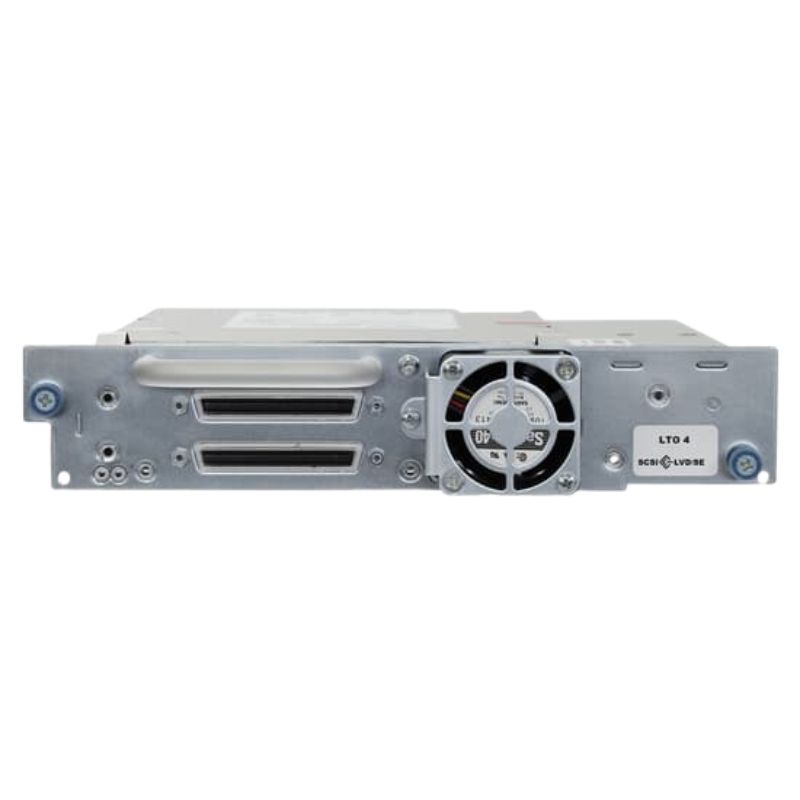


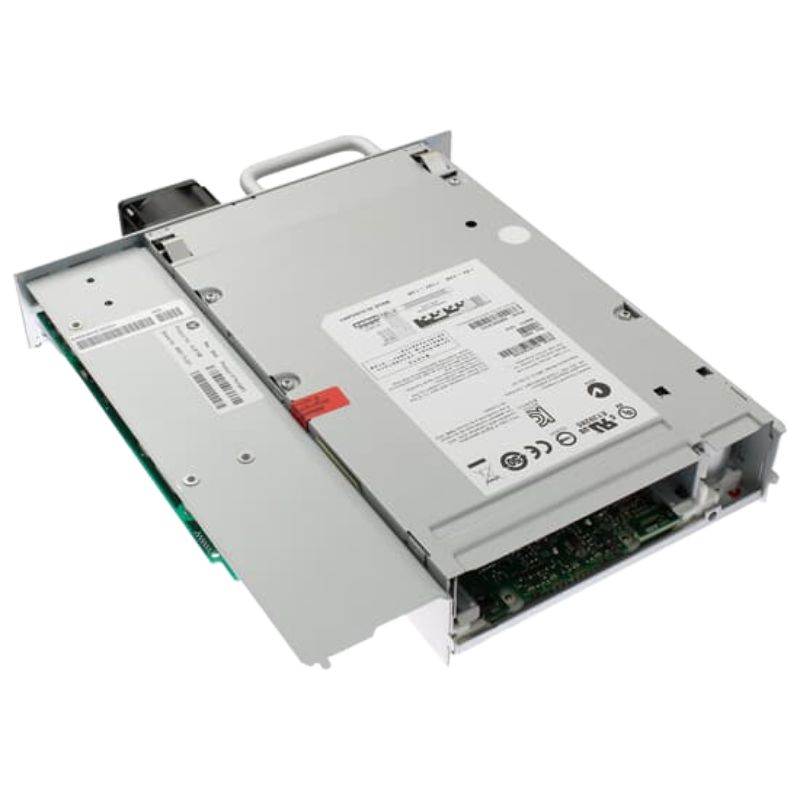
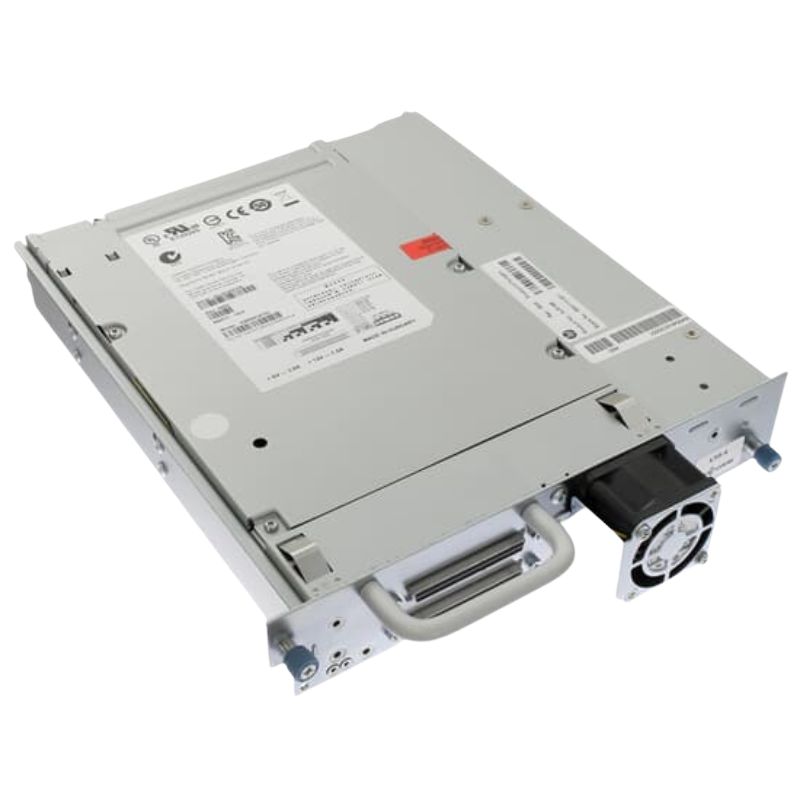
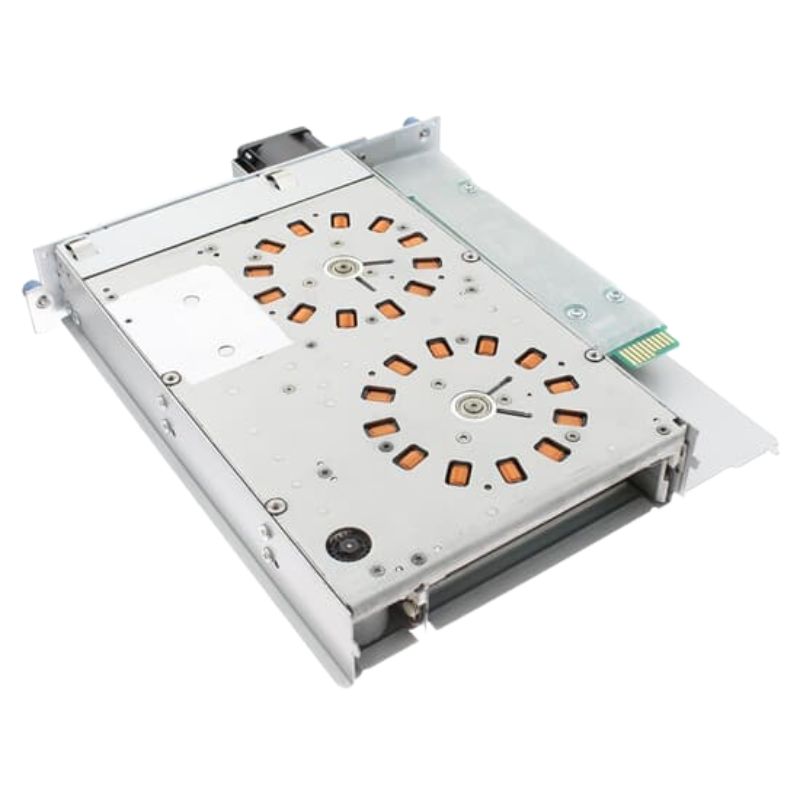
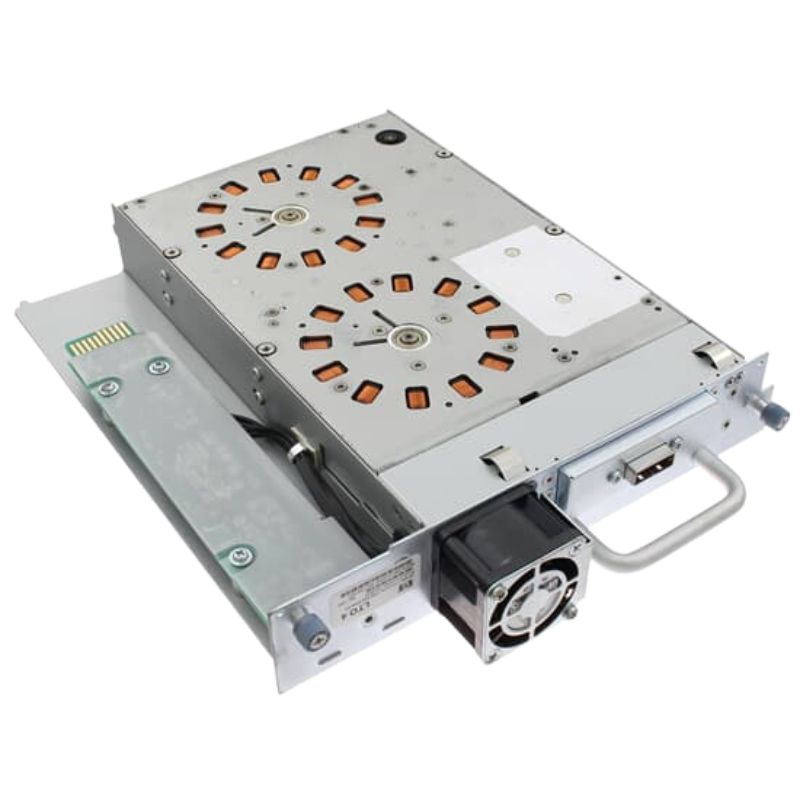
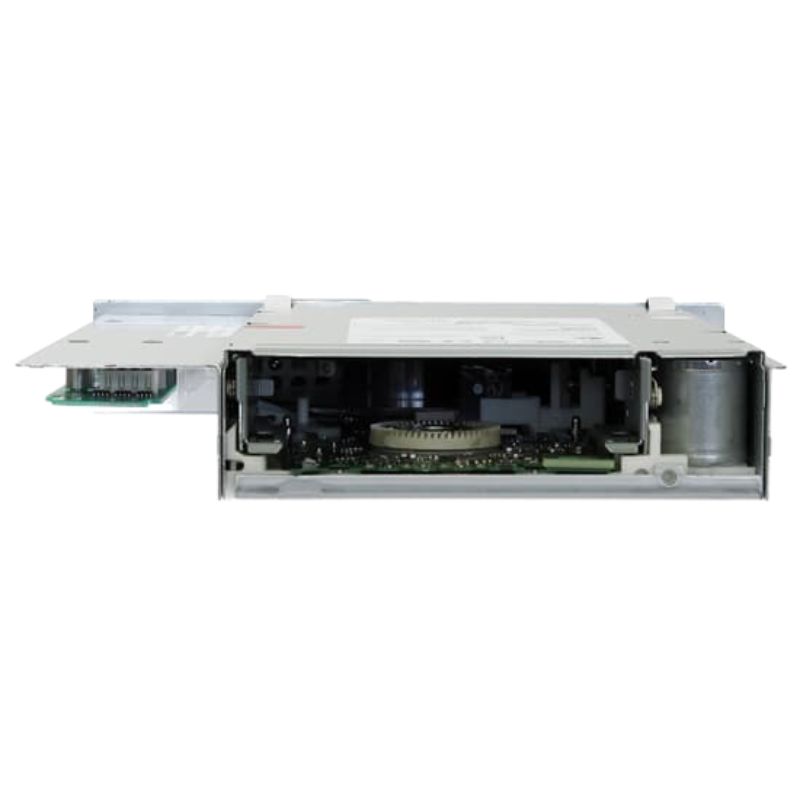
HPE EH919SB LTO-4 1600GB SAS Ultrium 1760 Internal Tape Drive. Excellent Refurbished with 1 year replacement warranty
The HPE EH919SB Storage Works LTO-4 Ultrium 1760 SAS Internal Half-Height Tape Drive provides organizations with an exceptional solution for secure, high-capacity, and reliable data backup. Designed to meet modern storage requirements, this advanced device offers both performance and data protection while ensuring compatibility with enterprise-level IT infrastructures.
The HPE EG001200MXJQU 1.2TB 10K RPM SAS 12Gbps Mission Critical SSF 2.5-inch Self-Encrypting Hard Drive with Tray sits in the enterprise-class storage category designed for mission-critical server and storage array deployments. This category targets datacenter environments that require a balance of sustained performance, predictable latency, strong data protection and security features, plus the physical robustness necessary for multi-drive enclosures, blade and rack servers, and hybrid storage tiers. Keywords for search optimization include: HPE EG001200MXJQU, 1.2TB SAS 12Gbps 10K, mission critical 2.5-inch HDD, SSF (small form factor) SED hard drive, HPE hot-swap drive with tray, and enterprise SAS hard drives.
Drives in this class are engineered for mission-critical workloads—database systems, virtualization hosts, transaction processing, high-availability clusters and tiered storage arrays. They combine:
Enterprise SAS interface (Serial Attached SCSI) at 12 Gbps for high-throughput connectivity and compatibility with modern RAID controllers and HBAs.
2.5-inch SSF form factor to maximize density in blade chassis and high-density 2U/1U storage servers.
10,000 RPM spindle speed delivering lower seek latency and higher IOPS than 7,200 RPM archival drives.
Self-Encrypting Drive (SED) capability for at-rest data protection, often integrating with enterprise key management systems and HPE iLO/management frameworks.
Hot-swap tray/caddy compatibility so the drive can be replaced or serviced without powering down the server, reducing maintenance windows and improving uptime.
EH919SB LTO-6 media supports native capacities up to 2.5 TB per cartridge (raw), with a standard 2.5:1 compression ratio for effective capacities up to 6.25 TB per cartridge under typical workloads that are compression-friendly. When vendors or resellers refer to category capacities like “20 TB / 50 TB,” they commonly aggregate the effective total capacity across multiple cartridges loaded in the autoloader’s magazine or across several available slots — for example, a 4-slot autoloader populated with LTO-6 cartridges could be marketed with a cumulative native or compressed capacity depending on the number and compression assumption used.
The LTO-6 drive supports native data transfer rates that are suitable for sequential backup jobs. Peak sustained throughput is influenced by host interface (commonly 6 Gbps SAS for LTO-6 drives), drive firmware, and the presence of hardware compression. The autoloader’s robotic mechanism may impose small delays between cartridge loads, but when run in batch backup mode it provides a steady aggregate throughput for scheduled jobs.
HPE’s Store Ever series is built to deliver the longevity attributes associated with tape: extended shelf life, resistance to bit rot when stored under proper conditions, and a low power profile compared to spinning disk for long-term retention. Typical reliability specs include mean time between failures (MTBF) figures for robotic subsystems and tape drives, as well as recommended environmental ranges for storage and operation — such as temperature and relative humidity limits. For mission-critical use, confirm MTBF and environmental specs in the vendor datasheet or product manual prior to deployment.
The compact footprint of an autoloader makes it ideal for SMBs that need automated tape handling but lack space or budget for enterprise tape libraries. Daily incremental backups and weekly full backups are easily orchestrated: the autoloader cycles tapes through scheduled jobs, minimizing administrator intervention and reducing human error in tape swaps and offsite rotations.
Branch offices with moderate data retention needs benefit from a local autoloader for on-site snapshots and periodic transfer of cartridges to central archives. A single C0H19A unit can provide years of local retention before cartridges are rotated offsite for disaster recovery.
Industries subject to regulatory retention rules — financial services, healthcare, government, and legal services — commonly use WORM (Write-Once Read-Many) cartridges, encryption, and tamper-resistant media handling to satisfy audit requirements. LTO-6 autoloaders with WORM support and encryption keys provide an auditable, offline copy of records that complements online storage.
Routine maintenance is straightforward: clean tape heads at vendor-recommended intervals using approved cleaning cartridges, monitor robotic health through management utilities, EH919SB and apply firmware updates to address drive and autoloader enhancements. Keep a log of cartridge usage cycles and retire cartridges that have reached their end-of-recommended life.
WORM cartridges create immutable media that cannot be altered after data is written, making them suitable for regulatory retention where records must be preserved unmodified. Check your autoloader’s firmware and drive firmware for WORM support and configure retention locks through your backup software that interacts with the tape library.
Audit trails are generated through media catalogs, management software, and backup application logs. Good practice is to centralize logs and archive them in a tamper-resistant manner to maintain chain-of-custody information for audits or legal discovery.
LTO EH919SB technology follows a well-defined roadmap where drives support read/write compatibility with prior generations and read compatibility with previous generations (for many versions). For example, an LTO-6 drive usually reads LTO-5 cartridges and writes to LTO-6 cartridges. When planning migrations, understand the supported cross-generation read/write rules and test data migration strategies in a lab environment before
Catalog and index management
Maintain a centralized catalog with metadata for each cartridge — contents, date written, retention policy, and last verify date. Many backup applications provide a tape catalog service that enhances search and restore speed. Periodically verify catalogs by performing test reads of stored cartridges.
TCO should include media costs, media management labor, electricity, support contracts, and any offsite storage/transport costs for rotated cartridges. Tape’s upfront media cost is often low compared to disk per gigabyte, and the long shelf life of tape can reduce repurchase frequency — factors that drive attractive long-term TCO for archival use cases.
Buy from authorized HPE resellers or certified to ensure genuine parts, valid warranties, and firmware authenticity. When purchasing used units, request maintenance history, confirm available firmware versions, and inspect the robotic mechanism and drive heads for wear.
Handle cartridges by their edges to avoid contaminants, store them vertically in proper cases, and follow recommended cleaning schedules for tape heads. Environmental control (stable temperature and humidity) dramatically affects media longevity and reliability.
EH919SB Integrate tape rotation into your disaster recovery plan. Maintain an offsite copy of critical tapes in secure vaults and periodically test restores from those offsite cartridges to confirm the end-to-end process — from catalog retrieval to actual data recovery functions correctly.
A poorly maintained catalog can make restores slow and error prone. Keep metadata accurate and perform regular catalog integrity checks.
EH919SB Avoid mixing WORM and non-WORM cartridges in workflows that expect immutability. Clearly label media types and maintain strict inventory practices.
Mismatched firmware between host drivers, HBAs, and autoloader firmware can introduce subtle performance issues. Always verify compatibility matrices and document firmware revisions in change control processes.


 Contact Us
 Information
 Catalog
 Solid State Drives (SSD)
 Network Switches
 Hard Disk Drives
 HBA & Controllers
 PC & Servers
 PC & Server Memory
 CPU & Processors
 Network Routers
 Power Supplies
 Tape Drives & Libraries
 Network Devices
 Computer & Network Cables