(7% discount is applied at checkout)
Cart is empty
Your go-to destination for cutting-edge server products
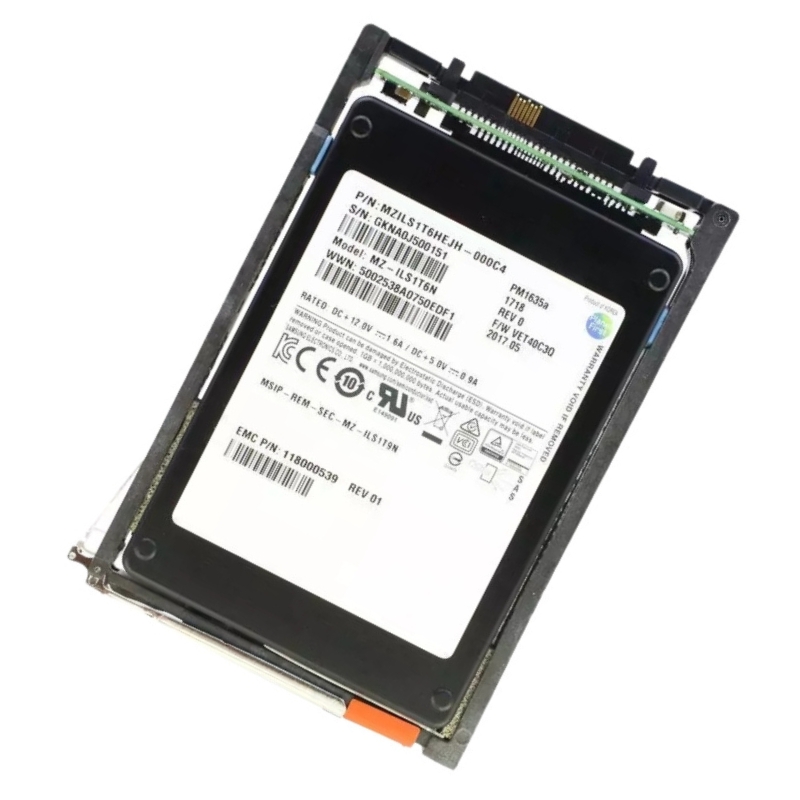


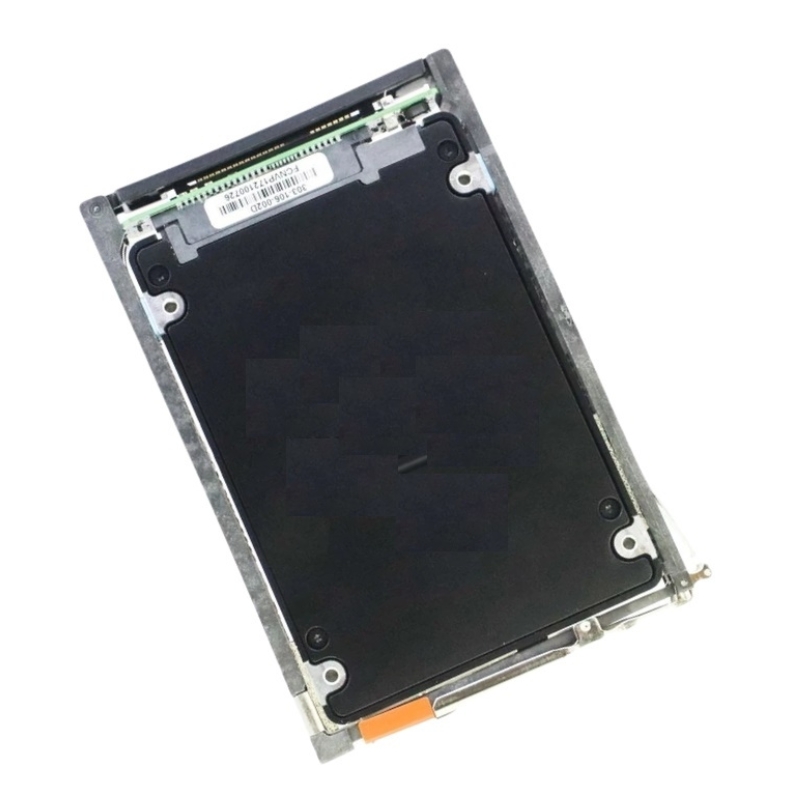
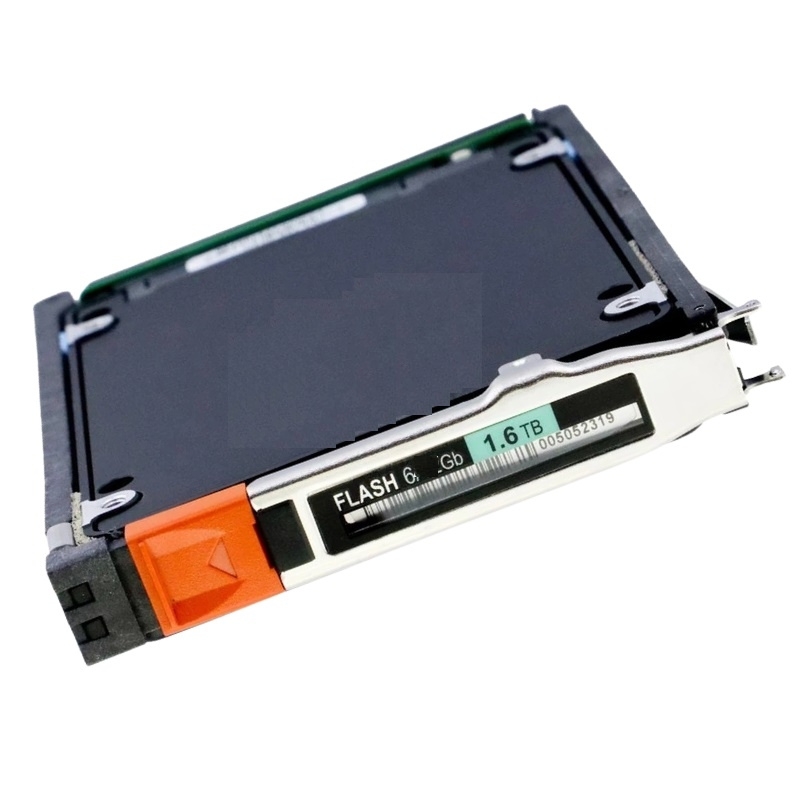
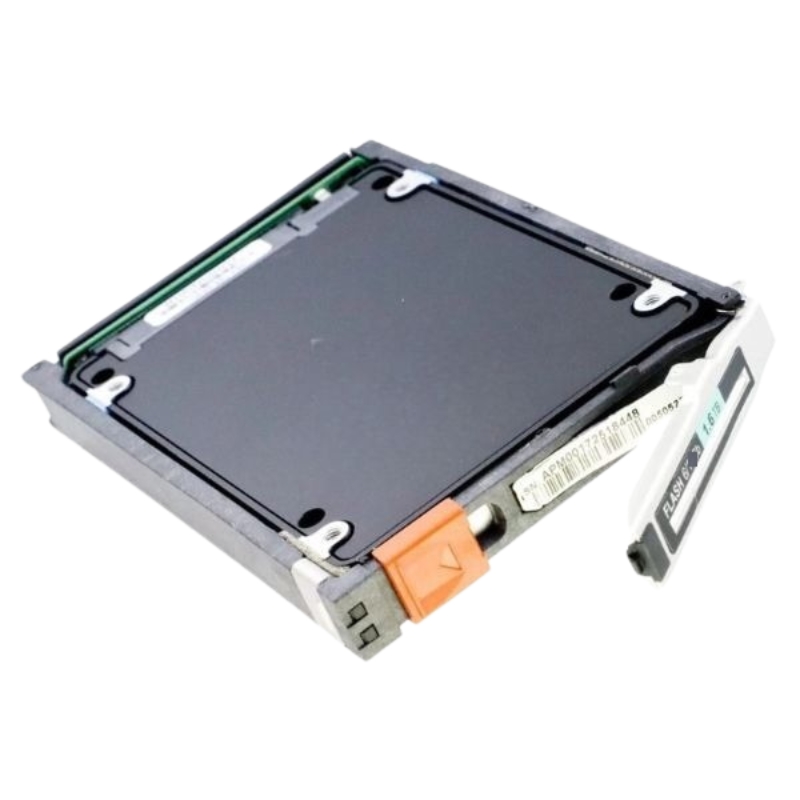
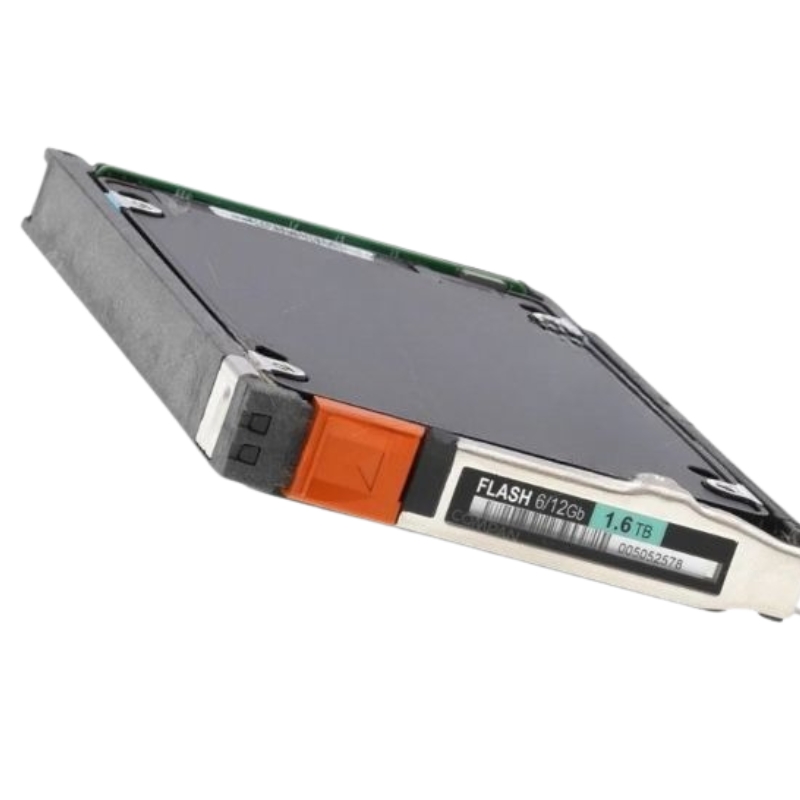
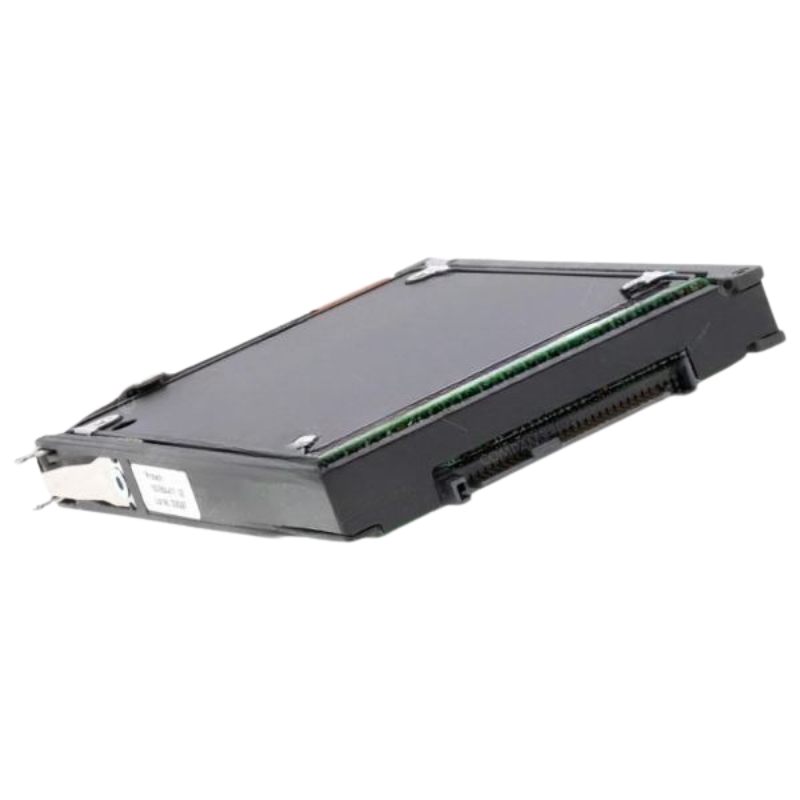
Enterprise-class storage solutions that emphasize reliability, predictable performance, and compatibility are central to data center operations, and the EMC 005051158 1.6TB SAS 6Gbps 3.5inch Multi-Level Cell Internal Solid State Drive (MLC SSD) sits firmly within that design space. This category description explores the drive’s technical attributes, operational benefits, deployment scenarios, and purchasing considerations to help systems architects, procurement teams, and IT administrators make confident choices when standardizing on enterprise SSDs for mixed workloads.
The EMC 005051158 family is defined by a 1.6TB capacity in a 3.5-inch form factor, engineered for SAS 6Gbps interfaces and leveraging Multi-Level Cell flash memory. This combination provides an attractive balance between density and performance for rack servers and storage arrays that accept 3.5-inch drives, enabling organizations to consolidate data without sacrificing the enterprise-class connectivity and signalling that SAS provides.
Physically, the 3.5-inch chassis accommodates enterprise hot-plug mechanics and a standard connector layout for backward compatibility with many legacy enclosures. The SAS 6Gbps interface ensures robust link negotiation, dual-port capability where supported, and strong interoperability with SAS HBAs and controllers—attributes that are particularly valuable in mission-critical deployments and high-availability array architectures.
Because many data centers still operate mixed fleets, the ability of an SSD category to integrate with older-generation servers and controllers is important. The EMC 005051158 line is often validated against common enterprise platforms and storage controllers and is designed to coexist with HDDs and other SSD types in tiered or hybrid arrays—enabling phased refreshes and protecting existing investments.
Performance for enterprise SSDs must be evaluated across multiple dimensions—IOPS, throughput, latency, and sustained behavior under mixed read/write patterns. The MLC-based EMC 1.6TB drive provides high sustained throughput for sequential workloads and consistent IOPS for mixed transactional workloads. This duality makes the category a strong candidate for general-purpose storage tiers, suitable for virtualization hosts, database logs, and read-heavy analytics alongside capacity-sensitive caching layers.
Random I/O performance is a key metric when the storage supports numerous small-block operations such as virtual machine boot storms or high-concurrency database operations. Drives in this category are optimized to deliver low and stable latency under random read-heavy loads while using internal firmware and NAND management to smooth performance during bursts, ensuring predictable response times for latency-sensitive applications.
Sequential throughput is equally important for streaming workloads and large file transfers. The SAS 6Gbps interface combined with MLC NAND typically delivers strong sequential read and write bandwidth, which helps minimize maintenance windows for backup/restore operations and speeds up data migration tasks across tiers. Organizations that regularly stage or move bulk datasets will find this category advantageous.
Endurance is a decisive factor for enterprise SSD selection. Multi-Level Cell flash offers higher storage density with lower cost per gigabyte compared to single-level alternatives, but with a different endurance profile. The EMC 1.6TB drives are engineered with controller-level wear leveling, over-provisioning, and error correction mechanisms to maximize usable life while protecting data integrity across program/erase cycles.
Advanced wear management algorithms inside enterprise SSD controllers distribute writes evenly across NAND, track cell health, and retire weak blocks proactively. Firmware optimizations also tune garbage collection and background maintenance to minimize foreground write amplification, which together extend the practical operating lifetime of drives deployed in mixed-use environments typical of tier-2 and tier-3 storage pools.
Power-loss protection features safeguard in-flight data during unexpected outages by leveraging capacitive or controller-based mechanisms to flush volatile caches to nonvolatile media. Drives categorized with enterprise-class durability commonly support robust data retention specifications, ensuring that data remains recoverable during planned migrations or incidental offline periods—an important consideration for regulatory compliance and business continuity planning.
When architecting storage tiers, the EMC 1.6TB SAS MLC SSD category is frequently employed as a flexible middle tier, providing a cost-effective trade-off between high-performance SLC/enterprise TLC drives and bulk HDD capacity. Typical use cases include virtualization datastore acceleration, mixed database workloads, metadata storage for scale-out file systems, and hot-cache layers in hybrid arrays.
Virtualized environments often generate spiky and unpredictable I/O patterns. Drives in this category reduce VM boot and provisioning times and mitigate the I/O penalty when many virtual machines operate concurrently. Their capacity is also conducive to packing multiple VM images per drive, enhancing consolidation ratios without imposing significant latency penalties.
For database operations that are not strictly write-intensive but require reliable random access, the EMC MLC SSD provides a stable platform. Transaction logs, read-mostly analytic tables, and indexed datasets benefit from low read latency and consistent IOPS, improving query performance and reducing overall application lag.
Keeping firmware current is essential for maintaining compatibility and improving operational behavior. Firmware updates may provide performance tuning, corrected edge-case handling, and security fixes. Best practices include validating firmware in staging environments, scheduling updates during maintenance windows, and following vendor release notes to anticipate any interoperability impacts.
Data security at rest and in transit is an increasing priority. Many enterprise SSDs offer hardware-based encryption and support for industry standard protocols such as TCG Opal. Encryption capabilities reduce exposure from physical theft or decommissioning errors and simplify compliance with data protection regulations by enabling cryptographic erasure for secure retirement of drives.
Cryptographic erase allows administrators to render data unreadable instantly by destroying encryption keys, providing a fast and auditable process for decommissioning drives. This method aligns with corporate asset retirement policies and regulatory requirements for secure data disposal, enhancing the security posture when drives are repurposed or removed from service.
Firmware integrity is part of the overall security model. Secure firmware signing, validated update channels, and supply chain traceability are all important when sourcing enterprise drives. Procurement teams should consider vendor transparency regarding firmware provenance and update mechanisms to mitigate risks associated with tampered or vulnerable firmware.
Deploying EMC 1.6TB MLC SSDs effectively requires attention to array-level configuration, hot-spare planning, and workload placement. Mixing SSDs with HDDs demands policy-driven tiering to direct the right I/O to the correct media. Additionally, ensuring controllers and HBAs are set to optimal queue depths and that operating systems have updated drivers will maximize the drive’s potential.
When used in RAID configurations, the balance between redundancy and usable capacity must be considered. RAID choices influence rebuild times and the risk surface during drive failure. Tiering policies that automatically position hot data on SSD tiers while relegating less active data to HDD tiers allow organizations to harness the SSD’s speed for critical I/O while containing costs.
SSDs show predictable but still real sensitivity to ambient temperature. Deploying drives in properly cooled racks and following manufacturer recommendations for operating temperature ranges increases longevity. Monitoring thermal telemetry and ensuring adequate airflow becomes particularly important when high-density drive deployments are utilized.
Understanding where the EMC 1.6TB SAS MLC SSD fits relative to other categories—such as SAS HDDs, SLC SSDs, or enterprise TLC drives—helps decision-makers choose the right media for the right layer of the stack. MLC offers a middle ground in cost, capacity, and endurance and is frequently chosen when organizations require a mix of density and consistent I/O for a broad set of workloads.


 Contact Us
 Information
 Catalog
 Solid State Drives (SSD)
 Network Switches
 Hard Disk Drives
 HBA & Controllers
 PC & Servers
 PC & Server Memory
 CPU & Processors
 Network Routers
 Power Supplies
 Tape Drives & Libraries
 Network Devices
 Computer & Network Cables