(7% discount is applied at checkout)
Cart is empty
Your go-to destination for cutting-edge server products
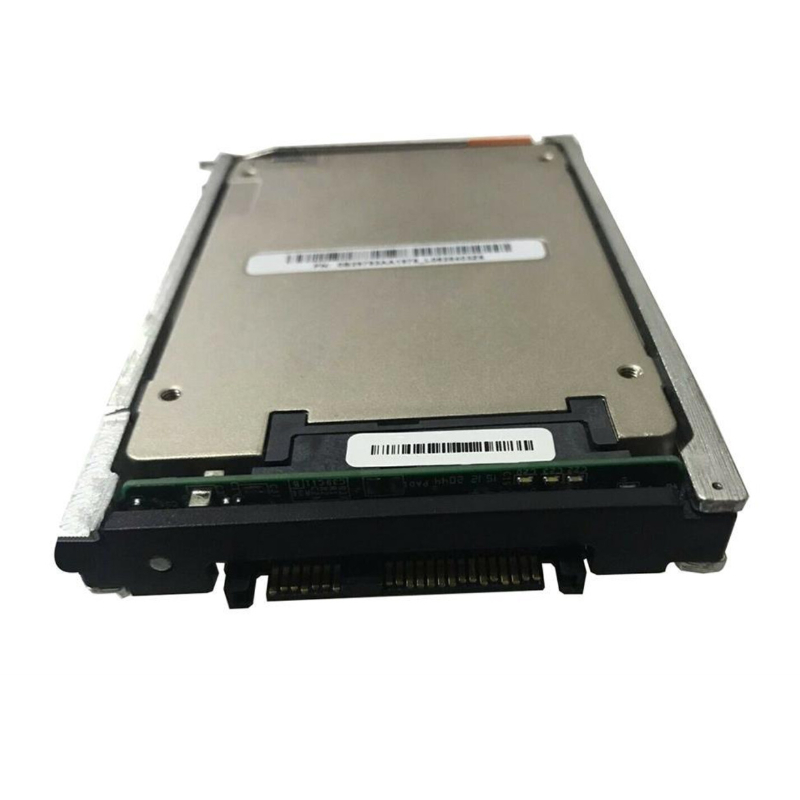


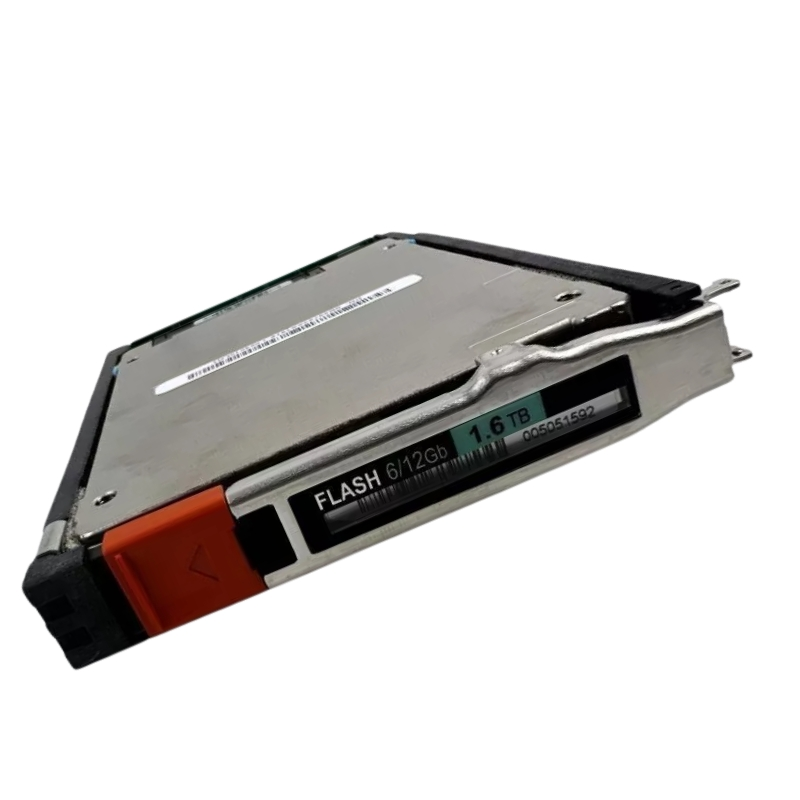
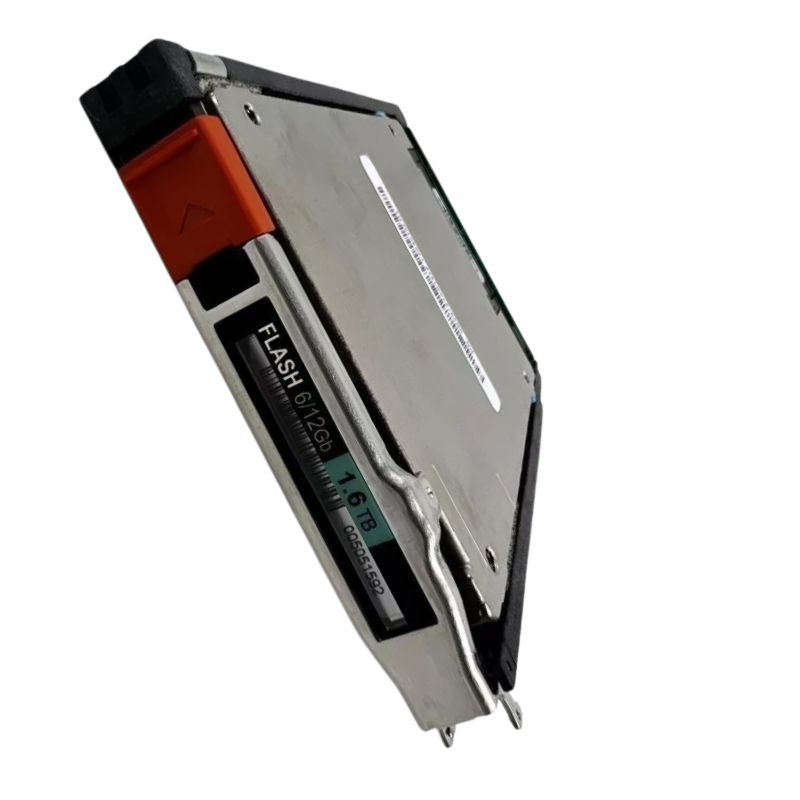
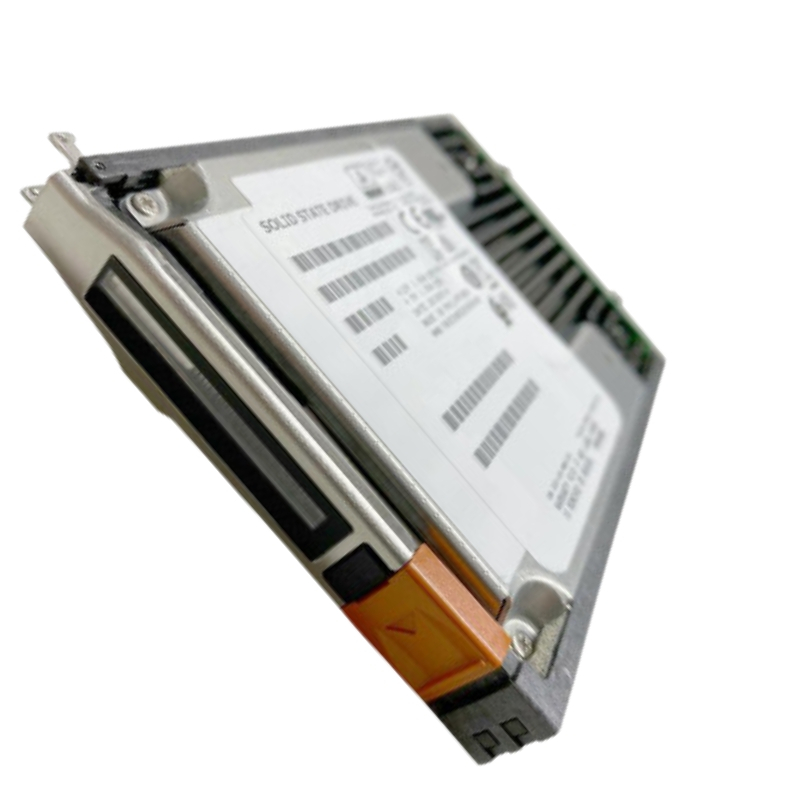
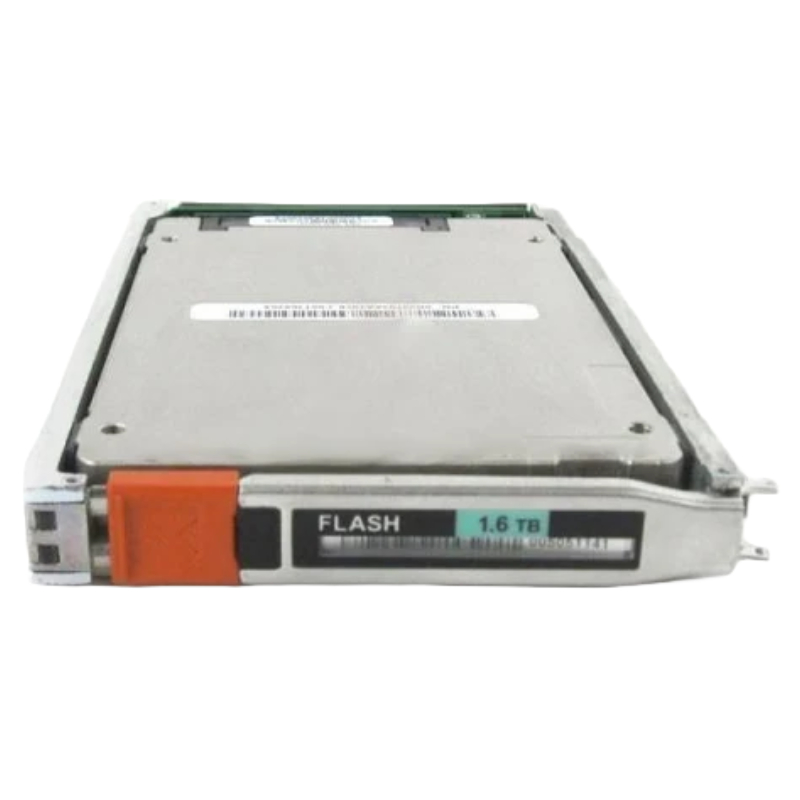
EMC 005051423 1.6TB SAS 12GBPS 3.5-inch MLC Enterprise Hot Swap Internal SSD. Excellent Refurbished with 1 year replacement warranty
The EMC 005051423 is a robust 1.6TB SAS 12Gbps 3.5-inch Enterprise Solid State Drive (SSD), designed to meet the demanding needs of enterprise environments.
The EMC 005051423 1.6TB SAS 12Gbps 3.5-inch Multi-Level Cell (MLC) Enterprise Hot Swap Internal SSD represents a balance of enterprise-class endurance, sustained throughput, and rack-ready form factor for datacenter and mission-critical storage arrays. Designed for mixed-workload and write-intensive deployments where consistent low-latency performance, predictable behavior, and robust data integrity are required, this SSD is engineered to integrate into existing storage ecosystems that rely on Serial Attached SCSI (SAS) connectivity and 12Gbps link speeds.
The 3.5-inch form factor provides compatibility with enclosures and servers that accept standard 3.5-inch drives, allowing system architects to deploy higher-capacity SSDs without modifying chassis drive bays. The SAS 12Gbps interface ensures enterprise-grade connectivity with dual-port capability, enabling redundant paths for high availability and support for advanced storage features such as multipathing, array integration, and enterprise-level command sets.
Multi-Level Cell NAND offers a compromise between cost-effectiveness and endurance compared with single-level or triple-level alternatives. In enterprise-optimized implementations such as the EMC 005051423, MLC is typically paired with controller firmware and wear-leveling algorithms designed to extend useful lifecycle and maintain consistent performance under sustained workloads. That combination makes the drive suitable for a broad range of business applications from virtualization to database services.
Hot swap support is essential in modern 24x7 operations. This drive is engineered to be removed and replaced while systems remain powered, minimizing downtime during maintenance, replacement, or upgrades. When combined with storage controller support for rebuild and resilvering operations, the hot swap feature contributes to improved serviceability and reduced operational risk.
Enterprise SAS SSDs are optimized to deliver consistent sustained throughput across sequential and random access patterns. The EMC 005051423 is built to provide lower, more predictable latencies than spinning media, which improves application responsiveness for transactional workloads. While exact performance depends on system configuration, RAID level, and host firmware, deploying this SSD typically reduces I/O queuing times and increases effective transaction rates for databases, VM hosts, and latency-sensitive services.
This drive is particularly well-suited to environments that demand a mix of read and write operations, such as virtualization platforms, general-purpose SAN/NAS arrays, email and collaboration servers, analytics nodes, caching tiers, and mid-tier database workloads. It is also a good candidate for use as boot volumes and metadata volumes where reliability and consistent performance are more important than the absolute lowest per-gigabyte cost.
Enterprise SSDs like the EMC 005051423 commonly incorporate advanced controller technologies such as error-correction code (ECC), power-loss protection, and background garbage-collection optimizations. These mechanisms work together to protect data integrity, preserve performance during heavy write cycles, and avoid long-tail latency spikes that can harm service-level objectives (SLOs).
Endurance is critical for enterprise deployments where drives may be subject to frequent write cycles. The MLC-based EMC 005051423 typically includes firmware-level wear management and over-provisioning to maximize usable life. When planning deployments, teams should estimate expected drive writes per day and provision spare capacity and replacement cycles accordingly to maintain consistent performance without unexpected drive failures.
To deliver enterprise reliability, the drive integrates multiple layers of protection. These usually include persistent write caches or capacitors to flush in-flight data in the event of power loss, strong ECC to detect and correct bit errors, and proactive monitoring via standard SMART attributes and vendor-specific telemetry. These features reduce the risk of silent data corruption and improve recoverability after fault conditions.
Because the drive uses a standard SAS 12Gbps interface and standard 3.5-inch mechanical dimensions, it is broadly compatible with enterprise servers, JBODs, and storage arrays that support SAS drives. System integrators should consult vendor compatibility lists and firmware notes to confirm support for features such as full-duplex operation, multipath I/O, and array-level health reporting.
When installing the EMC 005051423 into hot-swap drive bays, ensure that drive carriers and backplanes are rated for the drive’s width and mounting pattern. Proper cage and bezel support, as well as correct insertion procedures, preserve backplane integrity and avoid issues with drive detection. Using manufacturer-approved drive sleds and retaining screws helps maintain mechanical stability in high-vibration or mobile rack environments.
Enterprise drives may offer hardware encryption or support for TCG Opal and other drive-level encryption standards. If data confidentiality is a requirement, verify whether the EMC 005051423 supports self-encrypting drive (SED) options or whether array-level encryption should be used. Hardware encryption helps protect data in case of physical theft or loss of drives during replacement.
Power-loss protection is a pivotal design element for enterprise SSDs to ensure that in-flight data and metadata remain consistent after unexpected outages. The drive’s internal mechanisms for flushing volatile caches to non-volatile storage help maintain filesystem and RAID integrity, preventing partial writes that could otherwise cause corruption.
Organizations can scale capacity by combining multiple drives in arrays with appropriate RAID levels or by deploying hybrid architectures where higher-capacity MLC SSDs act as performance tiers alongside higher-density HDD tiers. The EMC 005051423’s 1.6TB capacity per 3.5-inch bay provides a way to increase usable SSD capacity per chassis slot compared to 2.5-inch options, which can lower total cabinet density while maintaining performance.
Selecting a RAID level impacts performance, capacity, and resiliency. Depending on workload characteristics, RAID configurations can be tuned to favor read performance, write protection, or capacity efficiency. When using SSDs in RAID groups, ensure the controller supports advanced SSD features and that rebuild procedures are tuned to avoid prolonged degraded performance.
SSDs perform best within recommended thermal envelopes. Maintain proper airflow and avoid obstructing drive bays. Rack airflow patterns and front-to-back cooling strategies should be validated to prevent thermal throttling. Power management features on enterprise drives allow systems to reduce energy use during idle periods, but administrators should balance energy-saving settings against latency and wake-up performance requirements.
Compared to consumer-grade SSDs, enterprise SAS drives offer stronger durability, predictable performance, and better management features. When comparing to higher-endurance SLC or enterprise TLC variants, the EMC 005051423 typically offers a favorable capacity-to-cost ratio while delivering enterprise features such as dual-port SAS and power-loss protection. The choice between 2.5-inch and 3.5-inch SSDs often involves trade-offs between density and thermal characteristics; the 3.5-inch 1.6TB unit offers a useful middle ground for systems with available 3.5-inch bays.
The EMC 005051423 helps accelerate transaction processing and query response times in database environments by reducing random I/O latency. Analytics clusters benefit from faster data ingest and more consistent read times, improving throughput across parallel workloads.
In VDI and private cloud platforms, the drive supports rapid boot storms and steady desktop I/O by delivering low latency. Tiering frequently accessed user profiles and persistent caches to enterprise SSDs yields more consistent user experience and faster provisioning.
Using SSDs for snapshot volumes, metadata stores, or staging areas for backups speeds up snapshot creation and restore operations. The drive’s predictable latency reduces backup windows and allows more frequent recovery points without excessive performance penalties.


 Contact Us
 Information
 Catalog
 Solid State Drives (SSD)
 Network Switches
 Hard Disk Drives
 HBA & Controllers
 PC & Servers
 PC & Server Memory
 CPU & Processors
 Network Routers
 Power Supplies
 Tape Drives & Libraries
 Network Devices
 Computer & Network Cables