(7% discount is applied at checkout)
Cart is empty
Your go-to destination for cutting-edge server products
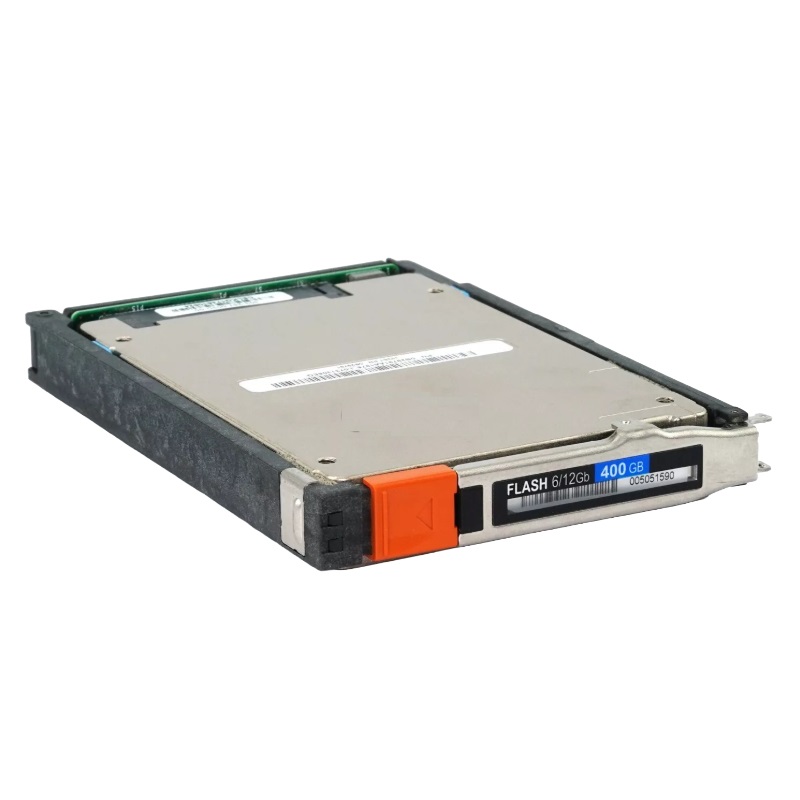


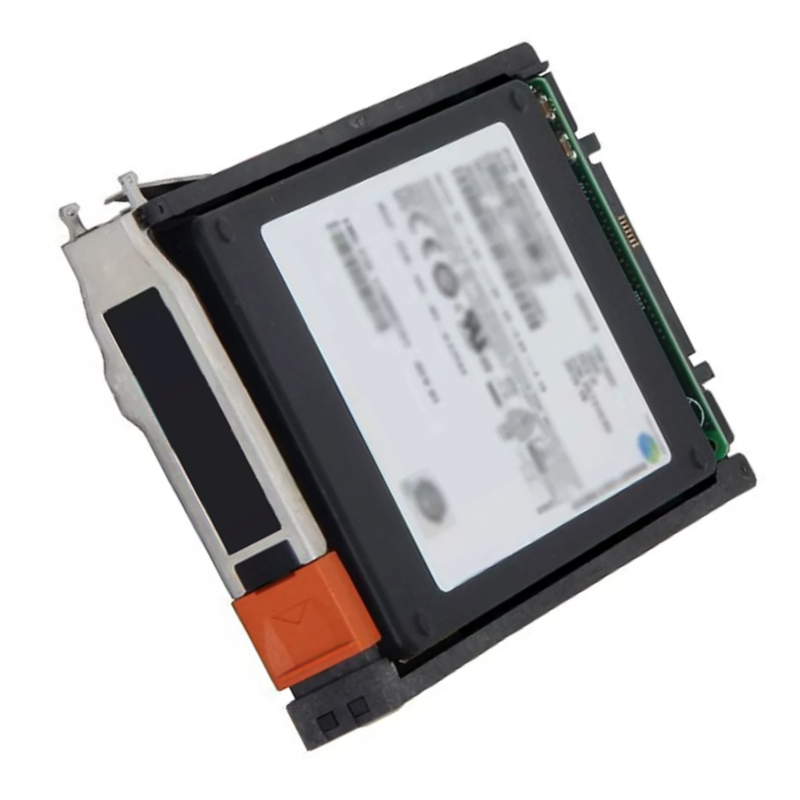
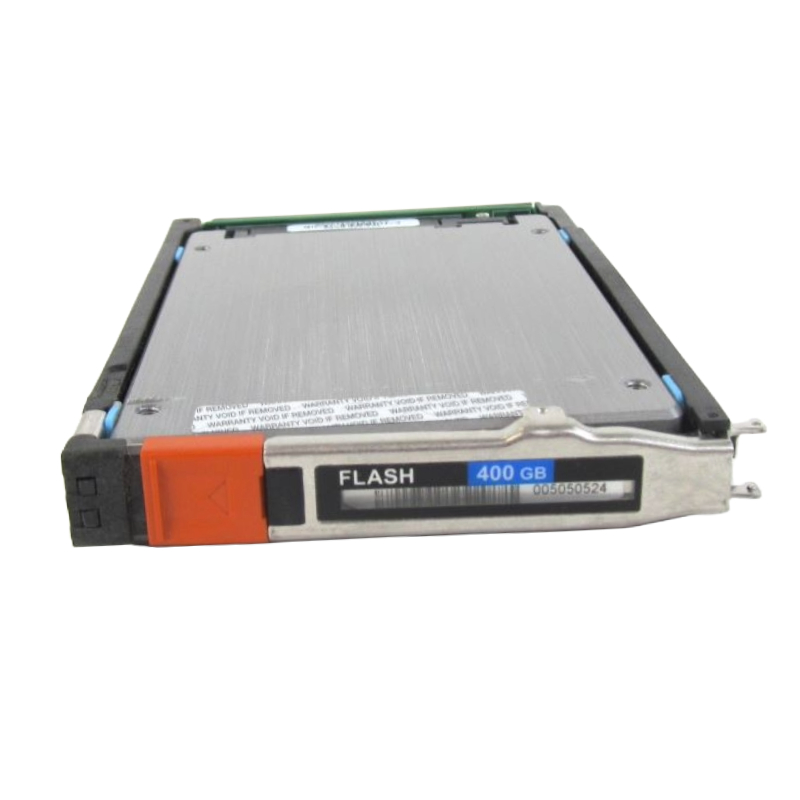
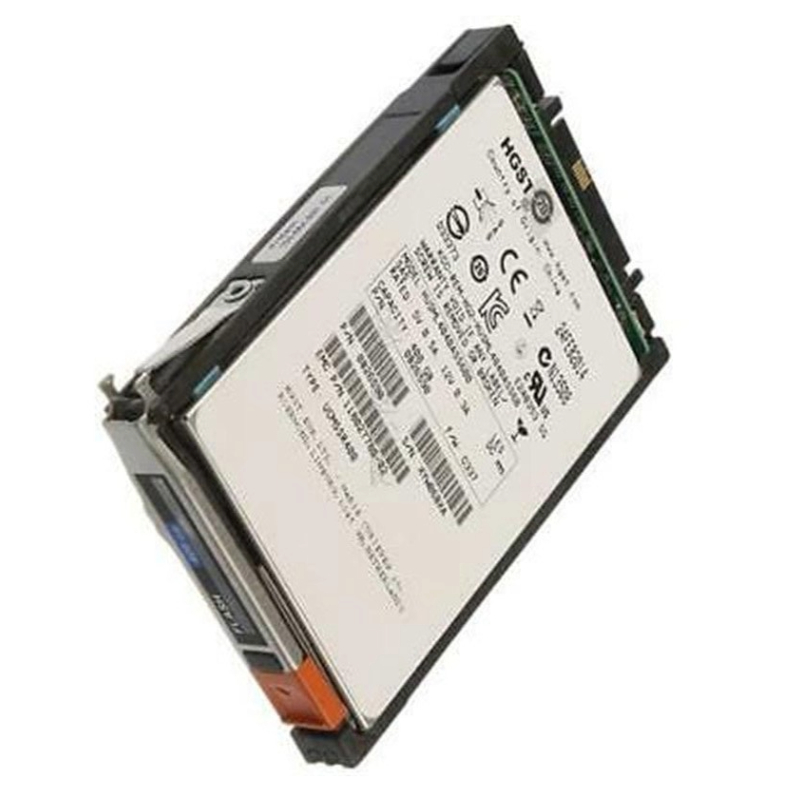
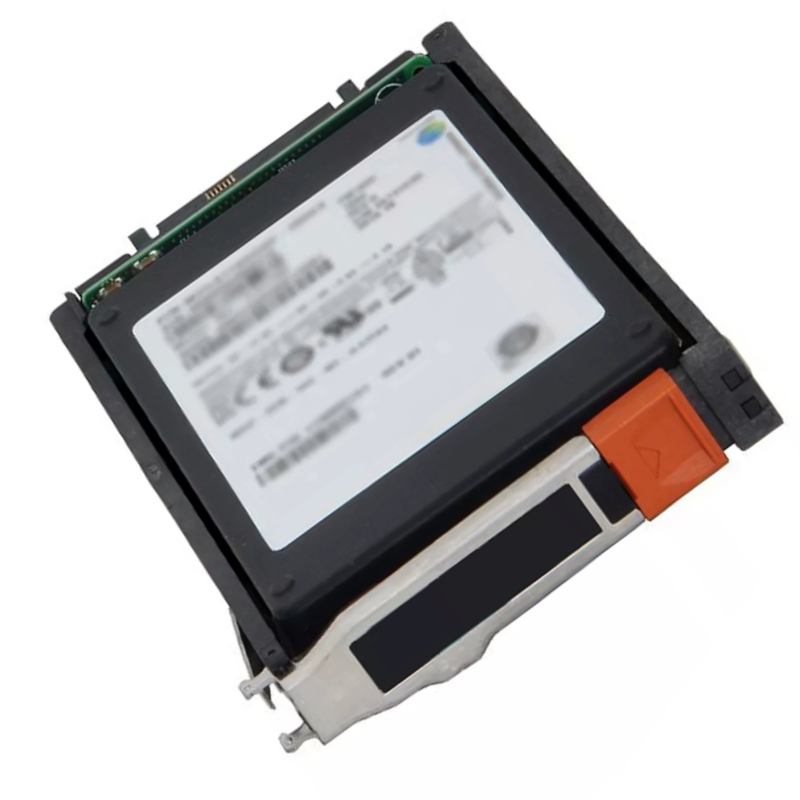
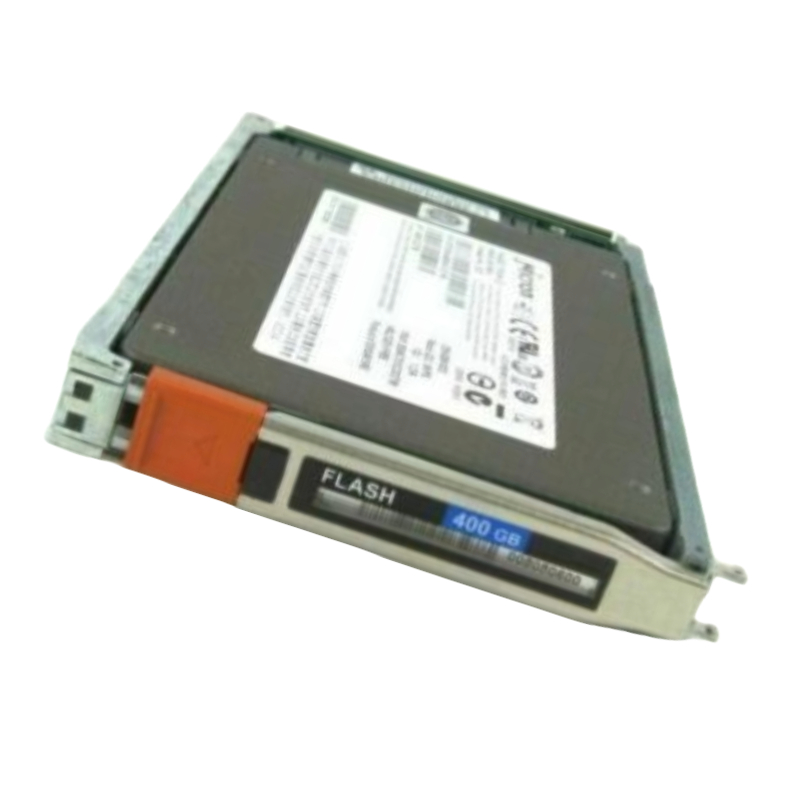
EMC 005051590 400GB SAS 12GBPS 2.5-inch Enterprise Internal Solid State Drive. Excellent Refurbished with 1 Year Replacement Warranty
The EMC 005051590 is a robust 400 Gb solid state drive designed for high-performance enterprise environments.
EMC 005051590 400GB SAS 12Gbps 2.5-inch Enterprise Internal Solid State Drive represents a high-performance storage solution engineered for enterprise-class servers, storage arrays, and mission-critical applications. Designed to deliver sustained throughput, low latency, and consistent Quality of Service (QoS), this drive is built to meet demanding mixed-workload environments where reliability and predictable performance matter. The combination of Serial Attached SCSI (SAS) at 12Gbps and an enterprise-grade NAND architecture places this model in a class suited for virtualization, database processing, analytics engines, and high-transaction systems that require resilient I/O handling and durable write endurance.
The 2.5-inch form factor balances density and cooling efficiency, allowing data center architects to pack more capacity into blade and rack systems while minimizing power and thermal footprints. The 12Gbps SAS interface provides dual-port capability for high availability and multipath data paths, enabling redundant connections and seamless failover in clustered and SAN-based topologies. This interface choice ensures compatibility with a wide range of enterprise controllers and backplanes and supports advanced features such as SAS expanders, zoned storage configurations, and enterprise RAID controllers that are common in modern storage infrastructures.
Performance for this drive is engineered around delivering low and consistent latency under sustained workloads. Random read and write IOPS remain strong thanks to optimized firmware algorithms that manage garbage collection, wear leveling, and read disturbance mitigation specific to enterprise-grade NAND. Sequential throughput is tuned for large-block streaming tasks, while small-block random performance is optimized for transactional databases and virtual machine boot storms. Latency consistency is emphasized to avoid unpredictable spikes that can degrade application performance, and predictable performance at various queue depths helps administrators size and tune arrays for the expected workload profile.
IOPS performance scales well under concurrency, making the drive suitable for multi-tenant virtualization environments and mixed read/write workloads. The drive’s firmware intelligently prioritizes foreground I/O while performing necessary background operations during periods of lower activity to minimize impact on latency-sensitive tasks. This results in a drive behavior that preserves application responsiveness even while internal housekeeping activities are running. Administrators should expect consistently low tail latency which is critical for transactional systems, real-time analytics, and service-level agreements that mandate tight response-time targets.
Reliability is central to the EMC 005051590 specification and is addressed through multiple engineering layers. Enterprise-level NAND is paired with robust error correction code (ECC), end-to-end data path protection, and power-loss protection mechanisms that safeguard against data corruption in unexpected power events. The drive’s reported Mean Time Between Failures (MTBF) and annualized failure rate (AFR) are tailored for deployment in enterprise arrays where availability is a core metric. Endurance ratings expressed in drive writes per day (DWPD) or total terabytes written over the warranty period enable systems architects to choose the right model for write-intensive versus read-intensive workloads.
Advanced firmware features focus on preserving data integrity and prolonging service life. Wear-leveling algorithms ensure that writes are distributed evenly across the NAND to prevent premature cell aging. Dynamic over-provisioning allows the drive to reserve spare capacity which improves both performance consistency and longevity. Background scrubbing and error-correction routines identify and repair latent data errors proactively. Additionally, features such as logical-to-physical mapping, bad block management, and secure erase capabilities are implemented with enterprise-grade rigor to comply with data governance policies.
Power-loss protection incorporates capacitive or supercapacitor buffers combined with firmware sequencing to flush volatile data and complete in-flight writes in the event of a sudden power interruption. The end-to-end data path protects user data across the interface, controller, DRAM buffer, and NAND, guaranteeing that data written by the host is correctly stored and protected against corruption. These safeguards are critical for financial systems, transaction processing, and any workload where data integrity is non-negotiable.
EMC 005051590 is designed for straightforward integration with EMC and third-party server and storage platforms that support SAS 12Gbps. Dual-port connectivity enables multipath I/O through industry-standard multipathing software and host bus adapters (HBAs), increasing bandwidth and providing failover capabilities. The 2.5-inch form factor and enterprise pinout align with many server chassis and drive carrier designs, simplifying field replacement and upgrades. Interoperability extends to various RAID controllers and storage array firmware, enabling the drive to be used in single-drive, RAID, or pooled configurations depending on redundancy and performance requirements.
Hot-swap support allows the drive to be replaced in operational systems without powering down hosts, minimizing downtime for maintenance and field service. Clear identifier markings, compatibility with drive carriers, and standardized status reporting through SCSI Inquiry and related commands aid technicians in fast diagnosis and replacement. Smart diagnostics exposed via S.M.A.R.T. attributes and vendor-specific telemetry provide visibility into health and performance trends, allowing proactive replacement before failures impact operations.
This drive fits a variety of enterprise-level use cases. Virtualized server farms benefit from the low-latency random read and write performance which accelerates VM boot times, reduces consolidation-induced latency, and supports higher VM densities per host. Databases, both OLTP and mixed OLTP/OLAP workloads, gain from consistent IOPS and reduced response times for transactional queries. Similarly, caching tiers, metadata servers, and high-performance compute storage layers use this drive as a fast, reliable tier within a hybrid storage architecture. Because of its endurance profile, it is also appropriate for distributed object storage nodes where metadata and small object operations are heavy.
In cloud and hyperconverged deployments, this drive can serve either as primary persistent storage for high-performance VMs or as a caching tier in front of higher-capacity HDD storage. Container orchestration platforms that demand rapid provisioning and high I/O counts will find the drive’s characteristics beneficial for ephemeral storage as well as persistent volumes supporting databases and message queues. The drive’s ability to sustain mixed workloads over long operational cycles provides the stability that multi-tenant environments require to meet service-level expectations.
With its 2.5-inch profile, the drive promotes higher storage density per rack unit when compared to 3.5-inch alternatives. Reduced physical footprint combined with lower power consumption per gigabyte contributes to lower data center operating costs and improved cooling efficiency. For organizations focused on optimizing floor space and energy budgets, deploying drives with compact form factors and enterprise-grade capabilities helps marry performance objectives with cost control strategies.
Security features available on the drive help enterprises satisfy data protection requirements and regulatory mandates. Features such as cryptographic erase, secure sanitize, and support for self-encryption can be leveraged to ensure that decommissioned drives do not leak sensitive information. Integration with host-based encryption and key management systems allows the drive to participate in broader data governance frameworks. Auditability of secure erase operations and tamper-resistant firmware updates contributes to compliance postures required by industries such as finance, healthcare, and government.
When compared to other enterprise SSD options, EMC 005051590 balances performance and endurance for a broad set of workloads. It occupies a middle ground where some enterprise customers prefer maximum endurance models for write-heavy workloads while others select higher-capacity, lower-endurance models for archival or read-dominant workloads. Selecting the correct drive requires assessing workload characteristics, expected write amplification, required RAID protection level, and desired replacement cadence to determine total cost of ownership (TCO) across the service life.
Proper sizing includes analyzing both capacity and endurance needs. Calculations that include average write per day, number of active hosts, RAID write amplification, and spare pool sizing help determine whether a 400GB capacity drive provides the optimal balance of performance and cost. For high-write environments, administrators may combine enterprise SSDs with higher DWPD ratings or implement tiered storage strategies that offload cold data to higher-capacity HDDs while reserving SSDs for active datasets.
High-availability designs should leverage the drive’s dual-port SAS interface for redundant paths and employ RAID levels appropriate to the application’s balance between capacity efficiency and fault tolerance. Using multipathing with intelligent load balancing ensures consistent performance even when one path experiences congestion. Regular verification of backup and restore processes in combination with redundancy at the controller and node level protects against both media and component failures.
Lifecycle planning must include secure decommissioning practices that align with corporate data retention and destruction policies. Certified erase procedures and physical destruction protocols are critical when drives leave controlled environments. Proper record-keeping of asset tags, serial numbers, and certificate-of-destruction documentation assists in regulatory compliance and risk management strategies.
Change management should be applied to firmware updates, configuration changes, and drive replacements. Implementing role-based access controls for firmware and management interfaces reduces the likelihood of unauthorized changes. Logging and auditing of all maintenance actions strengthen operational governance and provide traceability in the event of incidents.


 Contact Us
 Information
 Catalog
 Solid State Drives (SSD)
 Network Switches
 Hard Disk Drives
 HBA & Controllers
 PC & Servers
 PC & Server Memory
 CPU & Processors
 Network Routers
 Power Supplies
 Tape Drives & Libraries
 Network Devices
 Computer & Network Cables