(7% discount is applied at checkout)
Cart is empty
Your go-to destination for cutting-edge server products
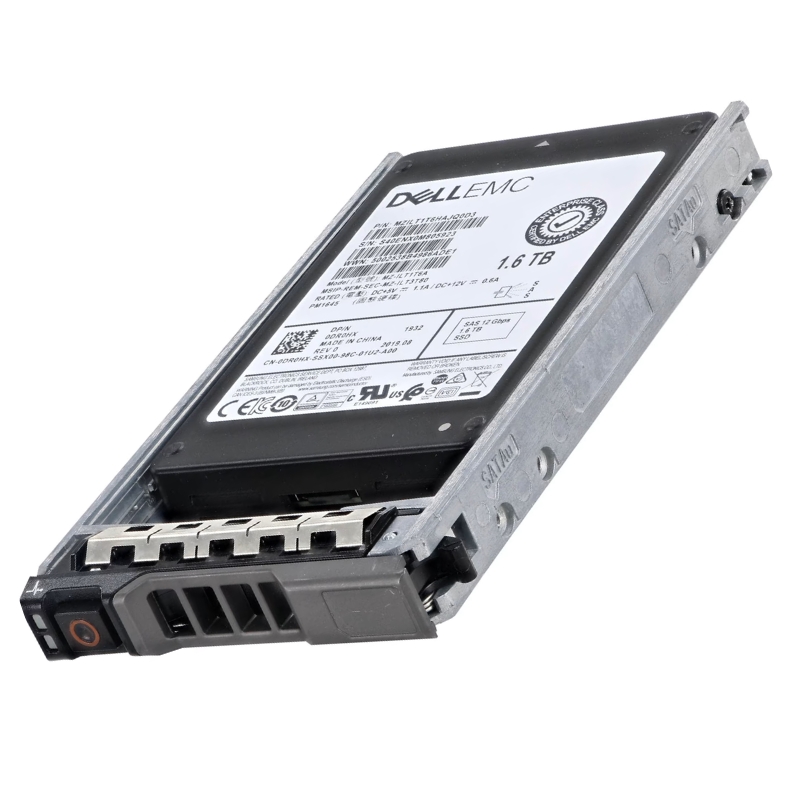


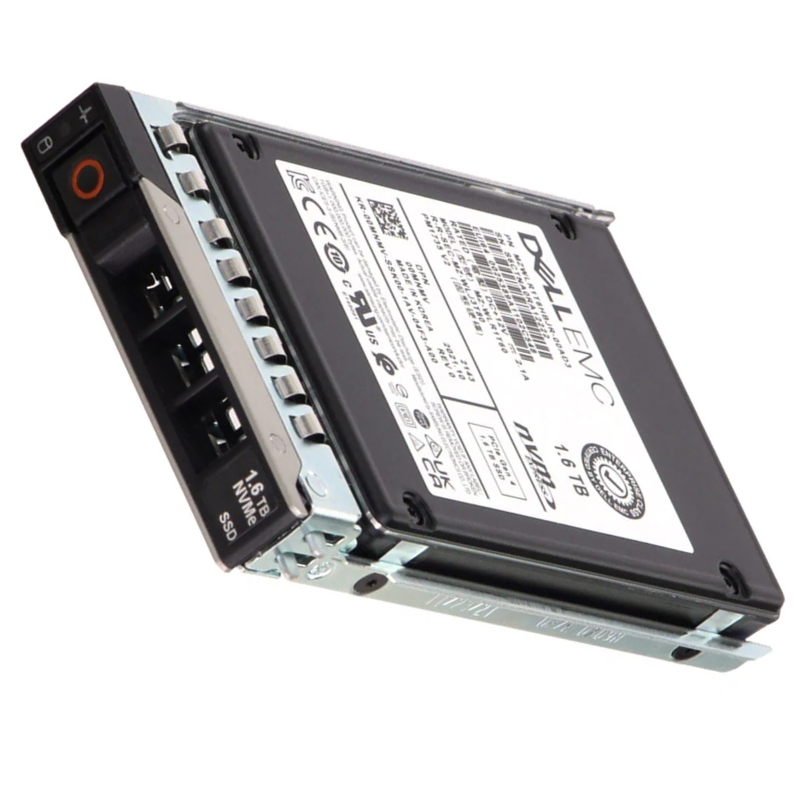
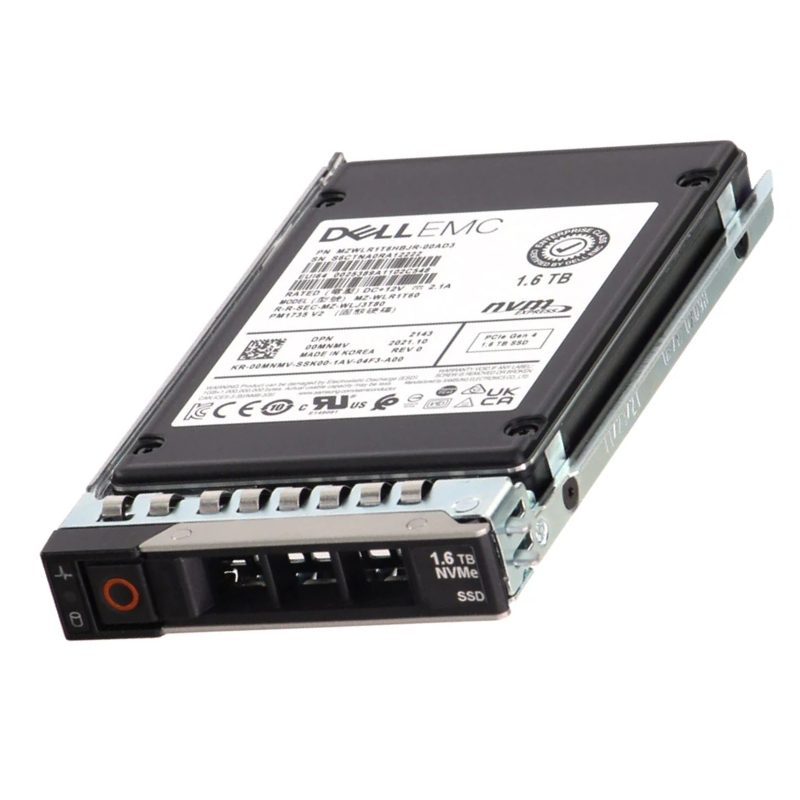
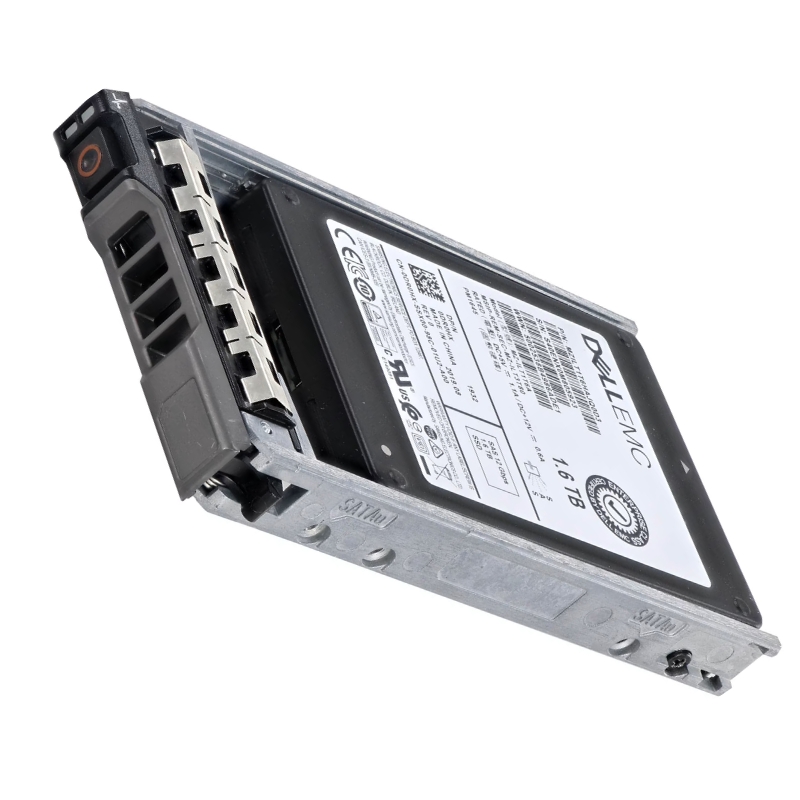
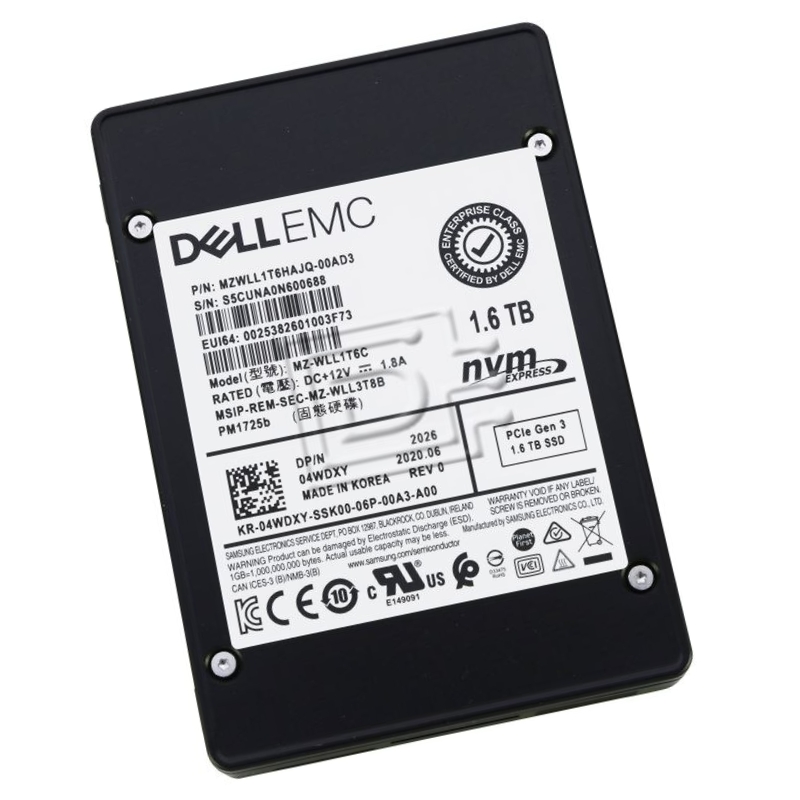
EMC 005051592 1.6TB SAS 6GBPS 2.5inch Enterprise Internal SSD. Excellent Refurbished with 1 year replacement warranty
EMC 005051592 1.6TB SAS 6Gbps 2.5-inch Enterprise Internal SSD represents a high-performance storage solution engineered for enterprise-class workloads. Designed to combine endurance, low latency, and consistent throughput, this drive is tailored for mixed and write-intensive server environments, database engines, virtualization hosts, and I/O-heavy storage arrays. Built with enterprise-grade components and validated for compatibility with leading OEM platforms, the EMC 005051592 offers predictable performance under sustained load, making it ideal for data centers that require reliability and sustained IOPS over the product lifecycle.
The EMC 005051592 delivers a balance of sequential and random performance characteristics optimized for SAS 6Gbps interfaces. With a 2.5-inch form factor, the drive offers enterprise-class access speeds and predictable latency metrics across mixed read/write patterns. Its firmware is tuned for low queuing delays and optimal command queuing behavior, which enhances multi-threaded workloads typical of virtualization and database clusters. Enterprise SSDs like this model are further engineered to minimize performance degradation during garbage collection and background maintenance tasks, ensuring that application response times remain stable even during long duty cycles.
This SSD provides strong random IOPS performance for both small (4K) and larger block sizes, while also sustaining high sequential throughput for large file movements and backup operations. Designed to meet the needs of modern enterprise workloads, it is capable of handling thousands of simultaneous IO operations, reducing application bottlenecks and improving end-user experience. The SAS 6Gbps interface provides the throughput headroom required for clustered storage architectures and multipath I/O deployments.
One of the defining attributes of the EMC 005051592 is its consistent low latency, an essential factor for latency-sensitive applications such as OLTP databases, real-time analytics, and virtual desktop infrastructures. Consistency is achieved through firmware algorithms that prioritize deterministic response times and reduce outlier latency events. For operations where predictable service times are critical, choosing a drive with consistent latency characteristics can significantly improve overall system performance.
Enterprise SSDs must survive sustained write workloads without failing prematurely, and the EMC 005051592 is engineered with high endurance specifications to do exactly that. It employs robust NAND management, overprovisioning strategies, and power-loss data protection features to preserve data integrity in the event of unexpected power disruptions. Error correction algorithms, wear leveling, and background scrubbing all contribute to prolonging the useful life of the drive in demanding environments.
Write endurance for this class of drive is specified to support enterprise duty cycles, expressed as Drive Writes Per Day (DWPD) or Total Bytes Written (TBW) across the warranty period. The EMC 005051592 is designed to sustain repetitive write patterns encountered in caching layers, logging, and other high-write contexts. Administrators can expect reliable operation across the rated lifespan when the drive is deployed within recommended workload profiles.
Data integrity features are central to enterprise SSD design. This model integrates strong ECC (Error Correcting Code) schemes and end-to-end data protection mechanisms to detect and correct runtime errors. Coupled with background data verification processes and firmware-level checks, these features reduce the risk of latent sector errors and ensure that stored data remains accurate throughout the drive’s operational lifetime.
Compatibility with servers, storage arrays, and RAID controllers is a critical selection criterion for enterprise IT teams. The EMC 005051592 is typically validated for use in a broad range of OEM platforms that accept 2.5-inch SAS drives, including major EMC and Dell PowerEdge systems. Its SAS 6Gbps interface supports existing storage backplanes and multipath drivers, enabling straightforward integration into existing infrastructures without the need for extensive reconfiguration.
The compact 2.5-inch form factor provides a balance between storage density and thermal/electrical efficiency. Hot-plug capability allows system administrators to replace or upgrade drives without taking hosts offline, facilitating maintenance windows that minimize downtime. When deployed in high-density chassis or blade systems, the drive’s form factor helps maximize usable capacity within limited rack space.
Enterprise drives are only as good as the firmware that controls them. The EMC 005051592 ships with firmware designed to interoperate with storage management stacks and host operating systems. Firmware versions may include optimizations for specific array controllers, compatibility lists, and support for vendor-specific monitoring tools. IT teams should track vendor releases for firmware updates that may improve compatibility, performance, and security.
Thermal management and power consumption are important in dense data center deployments. The EMC 005051592 is engineered to operate within typical enterprise thermal envelopes, balancing performance with power efficiency. Power-loss protection mechanisms help prevent data corruption during unexpected outages, and careful thermal design reduces the risk of thermal throttling under sustained workloads.
Lower power consumption per TB helps reduce total cost of ownership (TCO) when scaled across large clusters. The 2.5-inch SAS drive form factor contributes to efficient use of power and cooling resources. For organizations optimizing for energy efficiency, the drive offers an attractive combination of capacity and performance while minimizing incremental power draw.
Enterprise SSDs are specified for a range of operating temperatures and environmental conditions. The EMC 005051592 adheres to enterprise operational tolerances for temperature, shock, and vibration typical in rack-mounted servers and storage arrays. Observing proper airflow and chassis cooling specifications will ensure the drive remains within its thermal operating window, preserving both performance and longevity.
Security features are increasingly important in regulated industries and for organizations protecting sensitive data. Enterprise SSDs often include hardware-based encryption capabilities such as self-encrypting drive (SED) support and secure erase functions. These capabilities enable compliance with data protection regulations and simplify secure decommissioning of drives without exposing residual data.
SED functionality, when supported, allows the drive to perform on-device encryption, protecting stored data with minimal performance overhead. Key management integrations with enterprise security solutions can streamline encryption lifecycle management, from key provisioning to secure retirement. For organizations with strict compliance requirements, selecting drives with SED features can simplify audit trails and data governance.
Secure erase capabilities enable the safe removal of cryptographic keys or the rapid sanitization of drive contents, reducing risk during repurposing or disposal. These functions are critical for meeting data sanitization standards in many regulatory frameworks, and they help ensure that decommissioned storage does not become a security liability.
The EMC 005051592 1.6TB SSD is well suited for a variety of enterprise deployments where performance, endurance, and reliability are primary concerns. Typical use cases include database storage tiers, virtual machine hosts, caching layers for hybrid storage arrays, high-performance logging volumes, and transactional systems. When used as part of a tiered storage strategy, these drives can accelerate hot data operations while enabling larger capacity HDD tiers to host colder datasets.
Virtualized environments benefit from the fast IOPS and low latency that enterprise SSDs provide. The EMC 005051592 supports rapid random access patterns common in virtual desktop infrastructure (VDI) and multi-tenant virtual machine hosts, improving login storms, boot storms, and application responsiveness.
Transactional databases require predictable latency and strong write endurance. Deploying enterprise SSDs as primary storage for active datasets can dramatically reduce transaction commit times, speed up query responses, and enable higher throughput for OLTP workloads. For mixed workload databases that blend reads and writes, the drive’s firmware and endurance characteristics help maintain consistent service levels.
Capacity planning is a critical function for storage architects. The 1.6TB capacity of this drive offers a middle ground between lower-capacity high-IOPS drives and larger capacity archival drives. When scaling out, administrators should evaluate queue depths, RAID overhead, and hot-spare strategies to maximize usable capacity while maintaining performance and redundancy. Using multiple drives in a RAID or erasure coding configuration allows organizations to tune for redundancy, capacity, and performance based on their specific needs.
SSD rebuild characteristics differ from HDDs; rebuild times are generally faster but can still place stress on the remaining drives in an array. Proper RAID level selection and spare allocation strategies minimize the performance impact during rebuilds. The EMC 005051592’s predictable performance under stress helps reduce rebuild windows and maintain application availability.
Higher drive density per chassis improves rack-level economics by increasing usable capacity in the same physical footprint. The 2.5-inch drives can be deployed in high-density enclosures, enabling data center operators to achieve better space utilization while delivering enterprise performance for hot tiers of storage.
Investing in high-performance SSDs can enable server and storage consolidation by delivering higher throughput per chassis and reducing the number of required servers. Consolidation reduces licensing costs, power usage, and management overhead, creating a compelling return on investment when SSDs are applied to the right workloads.
Organizations should verify firmware compatibility, drive carrier/tray requirements, and backplane support before purchase. Working with validated hardware lists and consulting OEM compatibility guides mitigates the risk of incompatibility and ensures supportability within production environments.


 Contact Us
 Information
 Catalog
 Solid State Drives (SSD)
 Network Switches
 Hard Disk Drives
 HBA & Controllers
 PC & Servers
 PC & Server Memory
 CPU & Processors
 Network Routers
 Power Supplies
 Tape Drives & Libraries
 Network Devices
 Computer & Network Cables