(7% discount is applied at checkout)
Cart is empty
Your go-to destination for cutting-edge server products
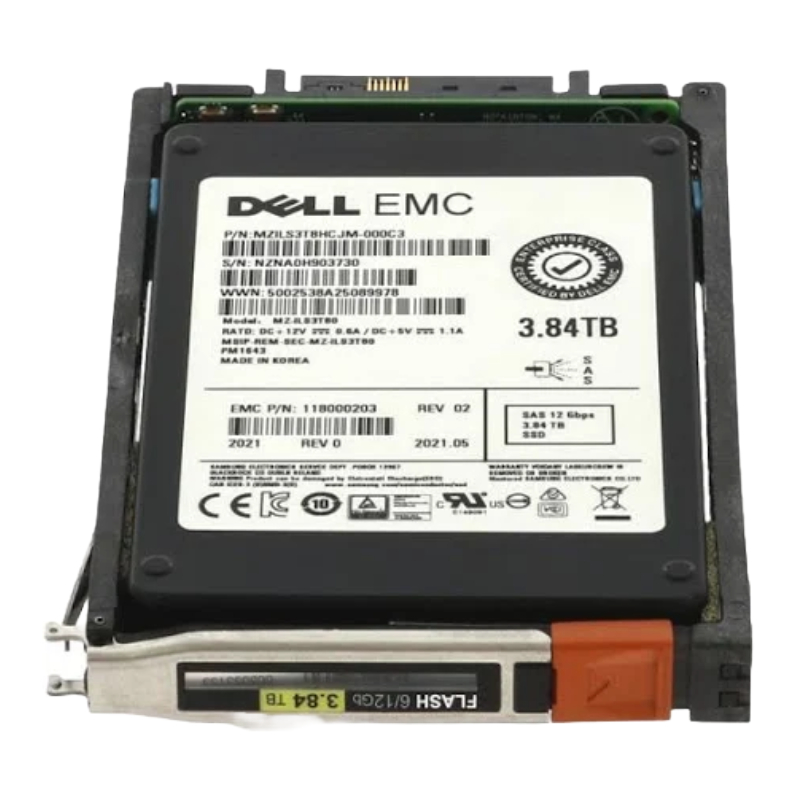


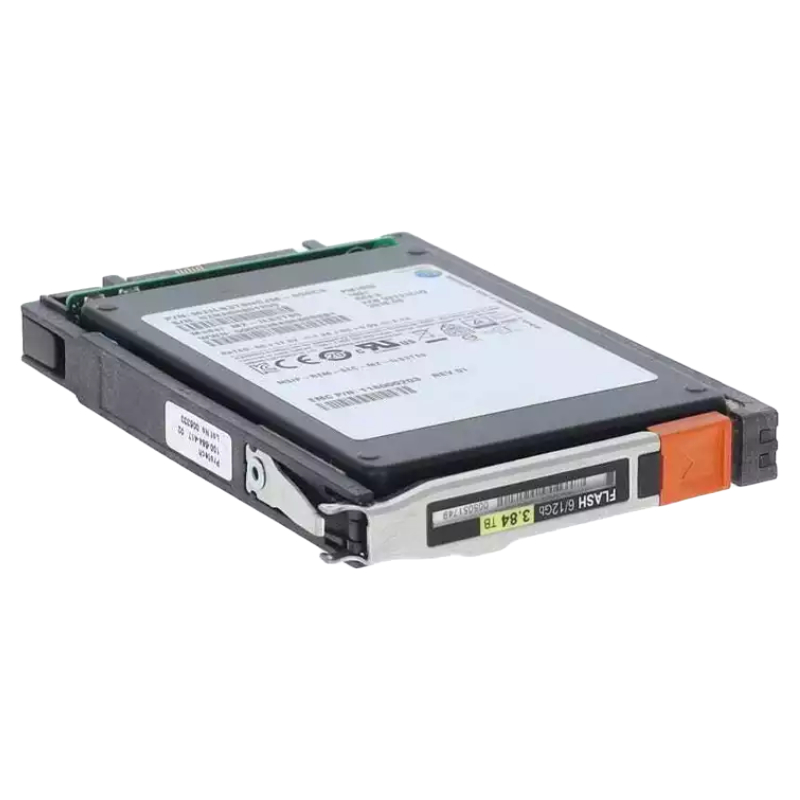
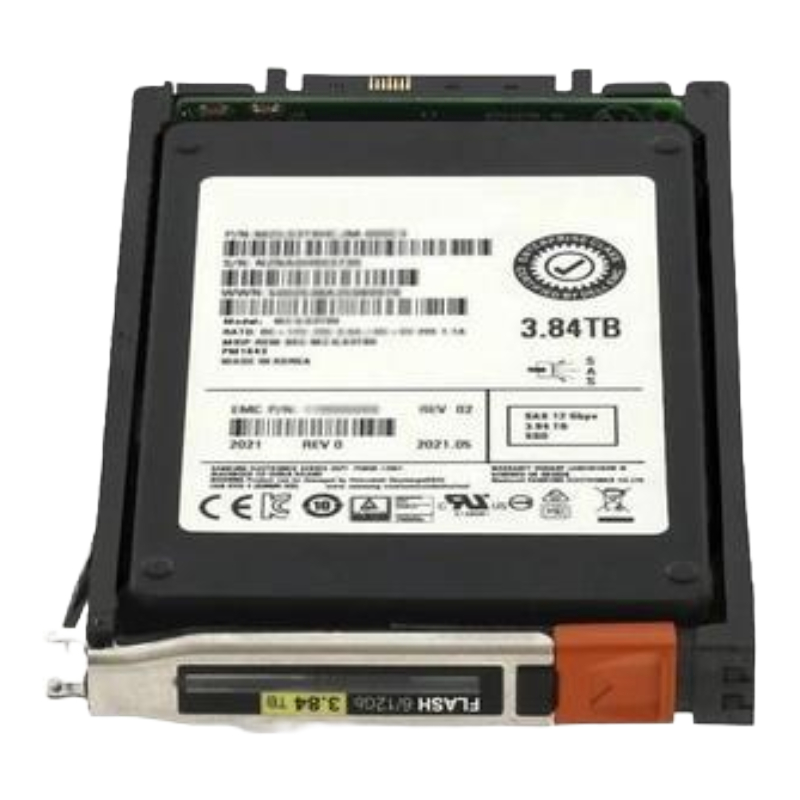
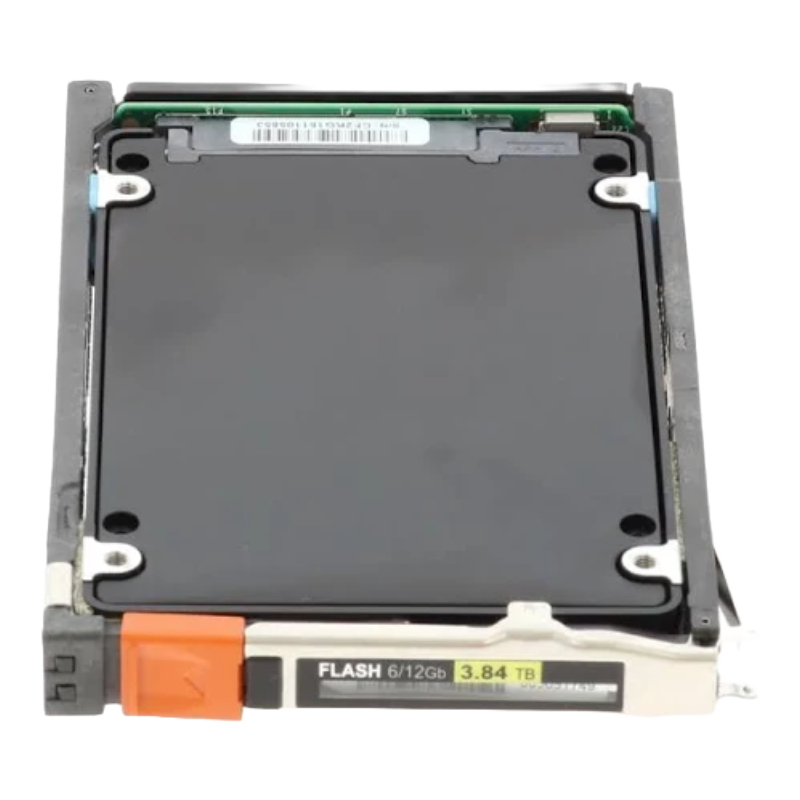
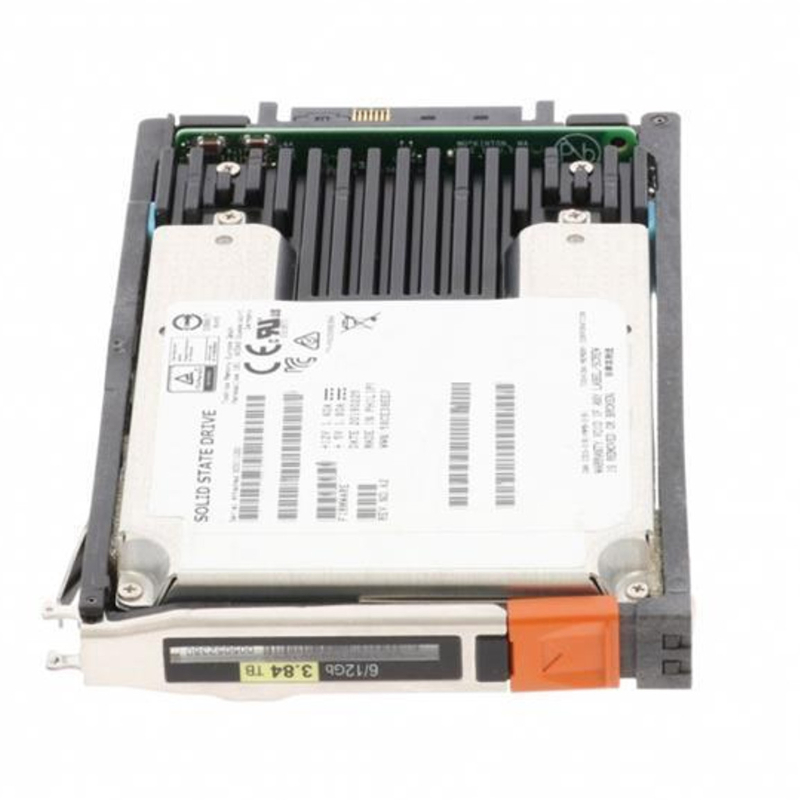
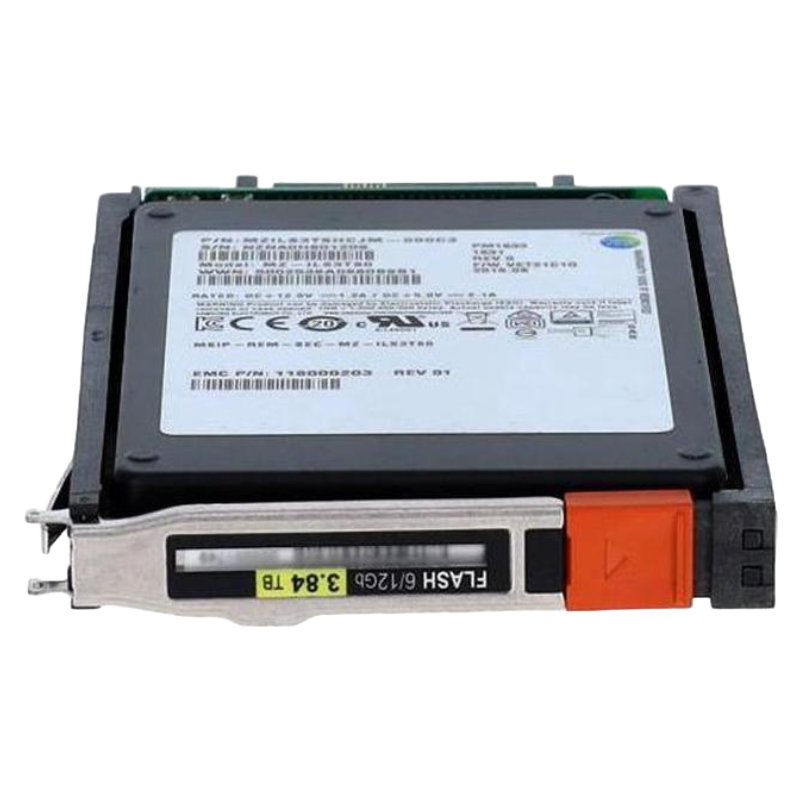
EMC 005051757 3.84TB SAS-12GBPS 2.5inch Enterprise SSD. Excellent Refurbished with 1 year replacement warranty
High-performance enterprise storage: the EMC 005051757 is a 3.84TB internal solid-state drive designed for data centers, mission-critical servers and heavy I/O workloads. Engineered for durability and low latency, this 2.5-inch SAS 12Gbps SSD offers a dependable blend of capacity, throughput and enterprise-class reliability.
EMC 005051757 3.84TB SAS-12Gbps 2.5-inch Enterprise Solid State Drive is a high-density, high-performance enterprise SSD family member designed for data center storage arrays, SAN/NAS appliances, and mixed-workload servers. This category description focuses on the drive’s technical profile, deployment scenarios, reliability features, compatibility and form-factor advantages, endurance considerations, firmware and management features, and purchasing and lifecycle guidance tailored for procurement specialists, systems architects, and storage administrators.
Drives in this category leverage the Serial Attached SCSI (SAS) interface at 12 gigabits per second (12Gb/s) per lane. SAS 12Gbps provides a robust, low-latency channel suited to enterprise I/O patterns, including small random reads/writes and mixed sequential workloads. Compared with SATA alternatives, SAS offers superior multi-pathing and command queuing features that make it preferable for clustered storage, high-availability servers, and mission-critical applications that require predictable latency under heavy concurrency.
The 2.5-inch 15mm/7mm (model dependent) form factor used by this EMC SSD balances capacity density with airflow and thermal control—critical factors in rack and blade servers. 2.5-inch drives allow higher drive counts per chassis than 3.5-inch alternatives, enabling increased usable capacity and IOPS per rack U. The compact footprint simplifies hot-swap servicing and is widely supported across enterprise storage arrays and server drive bays.
At 3.84TB usable capacity, this drive targets high-capacity tiers within flash-optimized arrays and cache tiers for hybrid systems. The capacity is typically presented in decimal TB or formatted usable capacity; verify vendor documentation for formatted filesystem capacity. Performance characteristics for this capacity class commonly prioritize sustained sequential throughput for bulk data movement as well as strong random IOPS for database and virtualization workloads.
Enterprise drives such as EMC 005051757 pair enterprise-grade NAND with controllers tuned for endurance and QoS. Controller features you can expect in this category include power-loss protection capacitors, adaptive error correction (ECC), drive-level wear-leveling, and firmware algorithms optimized for mixed workload latency stabilization. These components combine to maintain consistent performance and extend useful life under sustained write activity.
Endurance in enterprise SSDs is commonly expressed as Drive Writes Per Day (DWPD) or Total Terabytes Written (TBW). When planning deployments, align application write profiles to the drive’s endurance rating: higher DWPD is essential for write-heavy workloads such as caching, logging, and analytics ingestion; lower DWPD models are sufficient for read-dominant workloads like content delivery and archival access. Always consider the worst-case sustained write rate when sizing arrays to avoid premature wear.
Mean Time Between Failures (MTBF) and the drive’s internal monitoring (SMART attributes, media health counters) provide early warning indicators for replacement. Enterprise requirements often specify drives with MTBF ratings measured in millions of hours; however, prefer operational metrics (e.g., SMART warnings, percent life used) in automated fleet management systems for proactive swap policies.
Typical enterprise SSDs include on-board power-loss protection to flush volatile write caches to non-volatile media, and advanced ECC to correct multi-bit errors. These mechanisms protect against silent data corruption and help maintain RAID rebuild behavior consistent with array expectations. Drive firmware may also support end-to-end data path protection to ensure checksums are preserved from host to NAND.
Firmware governs performance, error handling, and security functionality. Enterprise vendors publish firmware releases that must be validated against the target storage controller or server firmware to avoid incompatibilities. Maintain a firmware testing policy: stage updates in lab environments, validate under production-like workloads, and schedule non-disruptive updates where supported.
SMART attributes, vendor telemetry, and drive logs are essential for fleet health monitoring. Use centralized monitoring tools to aggregate life used, media errors, and thermal telemetry. When drives support detailed telemetry APIs (e.g., NVMe has richer telemetry, but SAS vendors expose similar vendor-specific attributes), integrate them into capacity and maintenance automation to reduce unplanned downtime.
Drives typically expose self-test or diagnostic routines via management interfaces. Secure erase (cryptographic erase or block erase) features ensure end-of-life sanitization in compliance with data governance policies. Where regulatory compliance mandates cryptographic erase (e.g., GDPR, HIPAA), choose drives with verified secure erase capabilities and documented workflows.
The EMC 3.84TB SAS 12Gbps enterprise SSD is a natural fit for virtualization platforms and Virtual Desktop Infrastructure (VDI) where random IOPS and low latency improve VM boot storms and user responsiveness. In mixed workloads, the drive’s balanced capacity and endurance allow it to perform as a primary tier or as an acceleration layer for spinning media.
Transactional workloads such as OLTP databases depend on consistent, low latency random I/O. SAS 12Gbps enterprise SSDs deliver predictable response times that reduce transaction tail latency. When used in RAID groups or storage arrays, ensure the array’s cache and write-back policies are aligned with the drive’s power loss protection and endurance profile.
In hybrid storage arrays that combine HDDs and SSDs, drives like the EMC 005051757 are commonly used as high-performance cache tiers to accelerate read and write operations. Policy tuning (hot data thresholds, eviction algorithms) is essential to maximize cost efficiency; use analytics to set appropriate caching rules.
For analytics clusters and HPC nodes that require sustained throughput for large sequential workloads (e.g., data ingest, checkpointing), the SAS 12Gbps interface supports consistent throughput. However, verify whether the workload benefits more from higher sequential throughput (compare against NVMe options if absolute latency is the primary constraint).
Verify compatibility with target storage controllers, backplanes, and host bus adapters (HBAs). SAS drives rely on host bus and expander firmware compatibility to achieve optimal performance; consult the array vendor compatibility matrix for certified drive models. When integrating into legacy systems, pay attention to SAS domain settings, enclosure-specific backplane requirements, and drive carrier compatibility.
Ensure drive carriers or trays match the enclosure’s mechanical and electrical specifications. Hot-swap readiness and carrier detection are vendor dependent; using an unsupported carrier may impede drive recognition or create thermal issues.
In SAN deployments, implement multipath I/O (MPIO) configurations to provide path redundancy and load balancing. SAS and array controllers typically expose multiple paths—configure MPIO policies for failover and performance according to application needs.
Filesystem block sizes, alignment, and RAID stripe widths significantly affect SSD performance. For random I/O workloads, smaller allocation unit sizes and appropriate RAID configurations reduce read-modify-write overhead. For sequential workloads, tune stripe size to match the drive’s internal block architecture to maximize throughput.
Logical overprovisioning or vendor-recommended spare area increases endurance and stabilizes performance. Consider leaving some capacity unallocated or using vendor tools to set overprovisioning ratios for latency-sensitive applications. When possible, use array QoS features to cap noisy neighbors and guarantee IOPS for critical volumes.
SSDs remain sensitive to thermal conditions: sustained high temperatures accelerate NAND wear and error rates, while cold starts are less problematic. Ensure proper drive spacing, airflow, and chassis fan profiles to keep drive temperatures within vendor-recommended ranges. In dense enclosures, use monitoring to detect hotspots and adjust cooling policies proactively.
NVMe SSDs typically offer lower latency and higher parallelism than SAS devices due to the NVMe protocol and PCIe lanes. However, SAS 12Gbps drives retain advantages in hot-swap backplane compatibility, established SAN ecosystems, and broad array certification. For organizations with mature SAS infrastructure, migrating to NVMe may require additional investment in HBAs, backplanes, and vendor validation.
SAS offers enterprise features not always present on SATA drives—multi-pathing, higher reliability signaling, and advanced command sets. SATA enterprise SSDs can be more cost-efficient for read-centric or archival workloads, but for mission-critical, multi-host SAN environments, SAS remains the preferred interface.


 Contact Us
 Information
 Catalog
 Solid State Drives (SSD)
 Network Switches
 Hard Disk Drives
 HBA & Controllers
 PC & Servers
 PC & Server Memory
 CPU & Processors
 Network Routers
 Power Supplies
 Tape Drives & Libraries
 Network Devices
 Computer & Network Cables