(7% discount is applied at checkout)
Cart is empty
Your go-to destination for cutting-edge server products
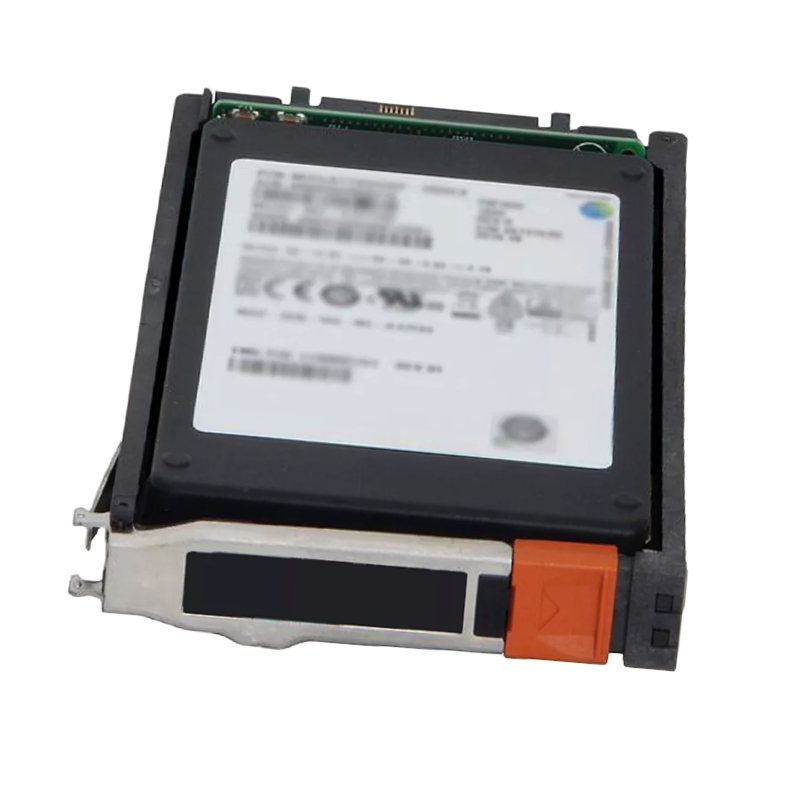


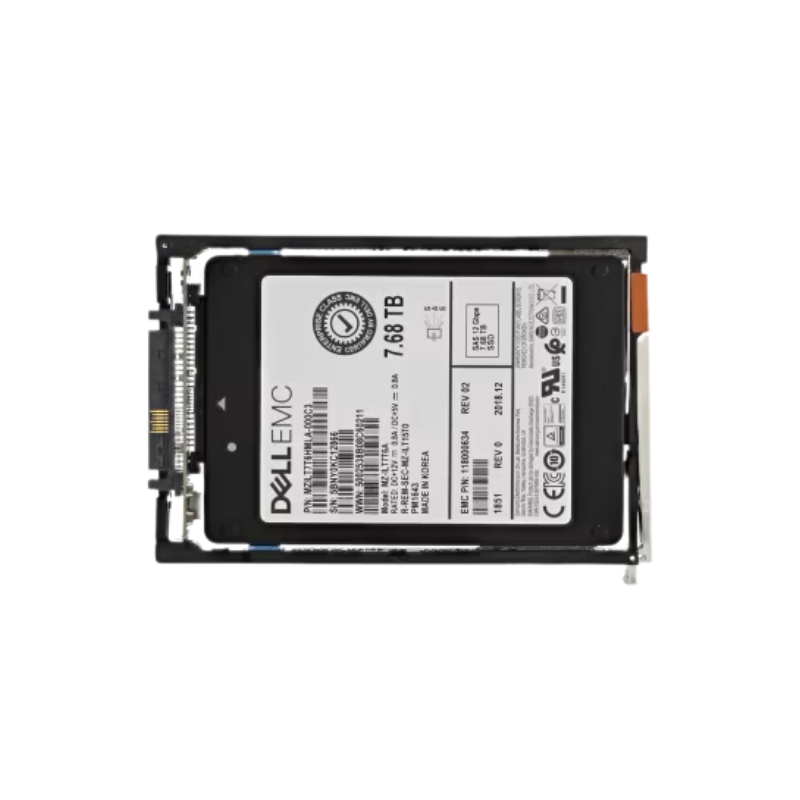
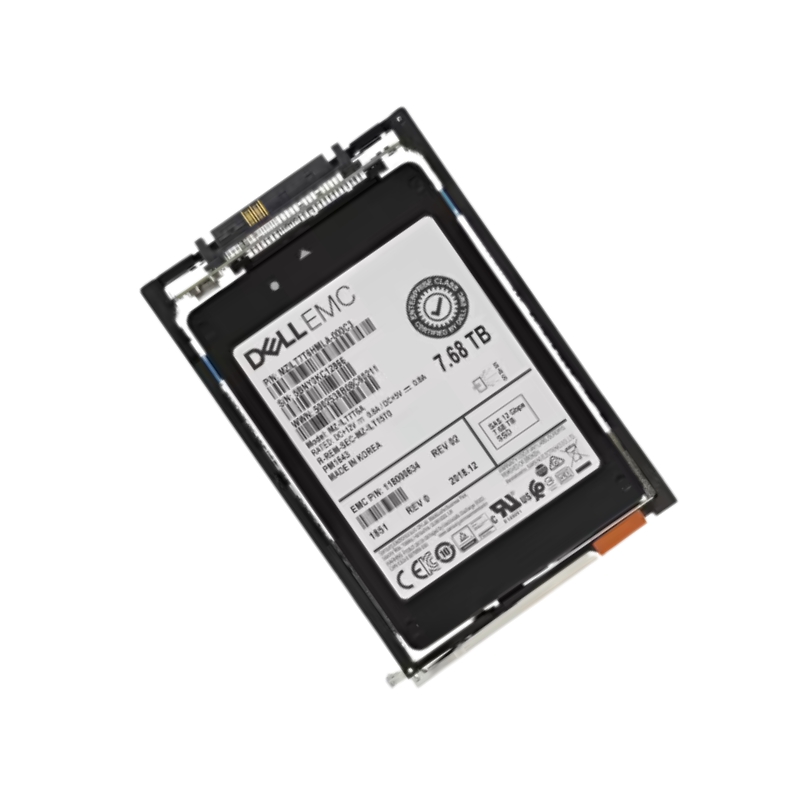
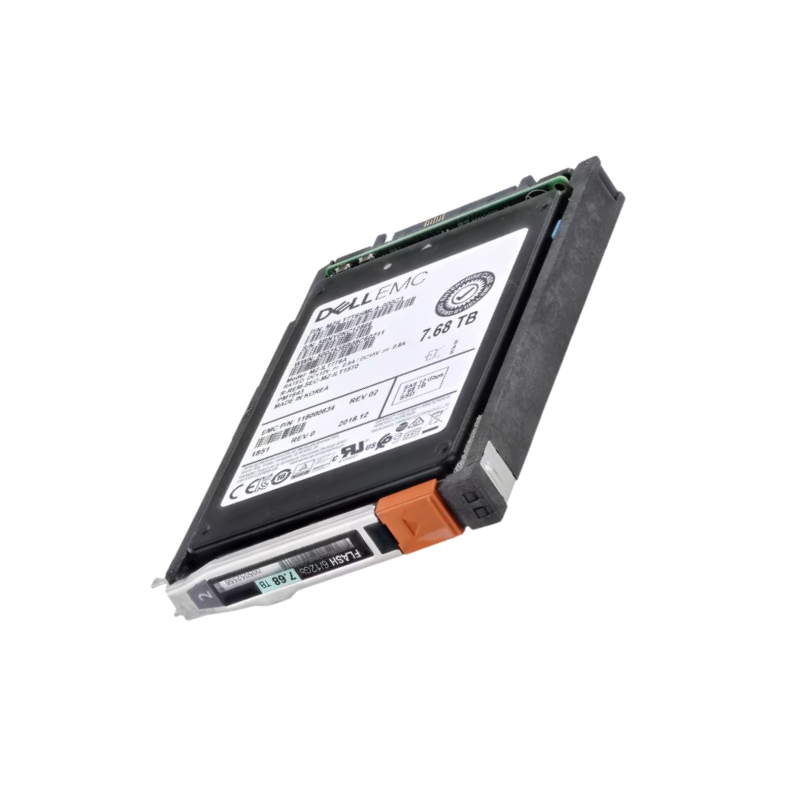
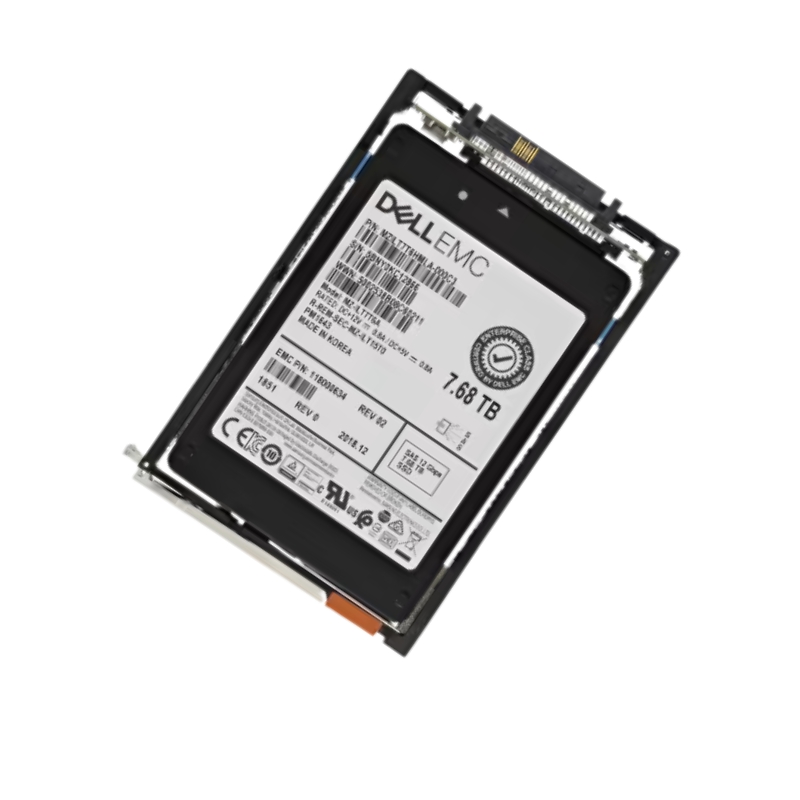
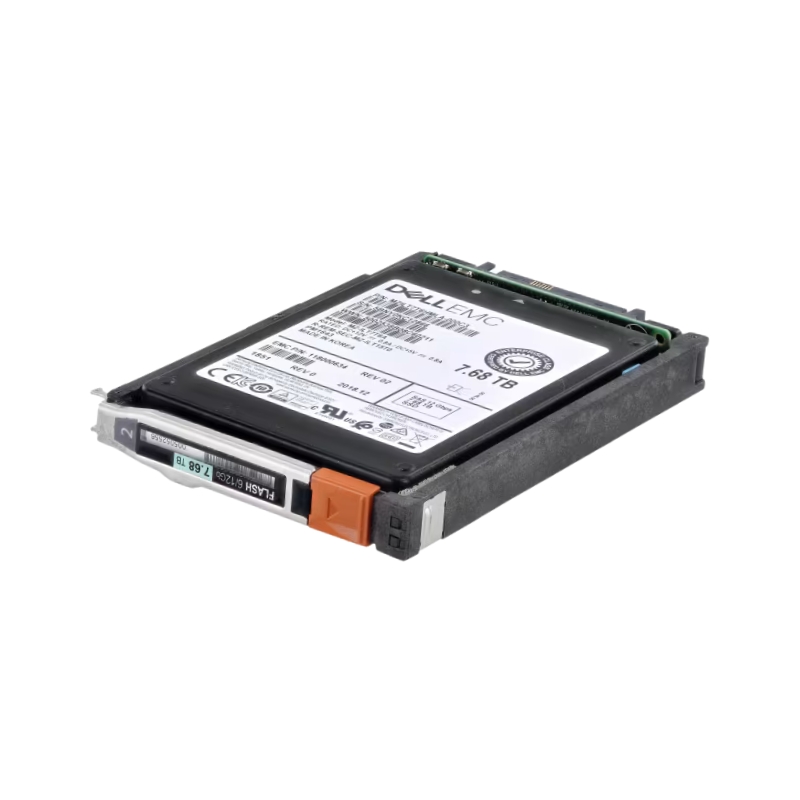
EMC 005052112 7.68TB SAS-12GBPS 2.5-inch Enterprise SSD. Excellent Refurbished with 1 year replacement warranty
The EMC 005052112 7.68TB SAS-12Gbps 2.5-inch Enterprise Solid State Drive (SSD) is an advanced data storage solution engineered to deliver exceptional reliability, speed, and endurance for demanding enterprise workloads. Designed for mission-critical applications, this SSD ensures consistent performance, reduced latency, and maximum data integrity across large-scale data centers and server infrastructures.
High-Speed SAS 12Gbps Interface
High-density enterprise solid-state drives (SSDs) such as the EMC 005052112 7.68TB SAS-12Gbps 2.5-inch model represent a critical component in modern data centers, private clouds, and mission-critical storage architectures. This category targets organizations that need persistent, low-latency, high-IOPS storage with enterprise-grade reliability, and that prefer the proven SAS (Serial Attached SCSI) 12Gb/s interface for compatibility with a wide range of servers and storage controllers.
SSDs in this category deliver a dramatic performance uplift compared with legacy HDDs and many SATA SSDs. The SAS-12Gbps interface supports low-latency command processing and high sustained I/O throughput, which is especially important for random read/write patterns common in OLTP databases and virtualized environments.
Expect single-digit to low-tens of microsecond read latencies and high random IOPS figures measured in the tens to hundreds of thousands per drive depending on queue depth and workload profile. When deployed in arrays or server RAID groups, these devices substantially reduce application response times and accelerate parallel workloads.
Sustained sequential throughput benefits sequential backup, large file transfers, and streaming workloads. Enterprise SSDs provide Quality of Service (QoS) characteristics that mitigate latency spikes under mixed workloads — critical for multi-tenant environments and service level agreement (SLA) adherence.
Enterprise SSDs are engineered for durability and data integrity. The EMC 005052112 class drives typically include robust endurance management, advanced wear leveling, and power failure protection to ensure that in-flight data is not lost during unexpected outages.
Power loss protection (PLP) circuitry and supercapacitor-assisted flush mechanisms safeguard volatile write caches and internal metadata, ensuring that committed writes are preserved and that drive metadata does not become corrupted following abrupt power events.
Enterprise SSDs implement strong onboard ECC, background scrubbing, and predictive failure analytics in firmware that help detect and remediate emerging issues before they become user-impacting incidents. Firmware quality and updateability is a key differentiator across vendors; ensure firmware release policies align with your change-control processes.
Endurance is expressed operationally as drive writes per day (DWPD) or total bytes written (TBW) across the warranty period. High write endurance variants are tailored for write-heavy workloads (e.g., log volumes, caching), while mainstream enterprise drives balance endurance and cost for mixed read/write environments. Capacity planning should include endurance headroom to avoid throttling or unexpected replacements.
One major benefit of SAS-12Gbps 2.5" enterprise SSDs is backward and broad compatibility with enterprise controllers, RAID cards, HBA modules, and storage array backplanes. These drives are commonly used as drop-in replacements or as part of designed flash tiers in hybrid arrays.
Firmware management, Health Monitoring (SMART attributes), and vendor diagnostics are essential tools to maintain drive fleets. Enterprises should adopt a firmware governance model that includes testing, staging, and rollback strategies to minimize operational risk.
The EMC 005052112 7.68TB class SSDs are used in multiple architectures. Below are common deployment patterns and best practices to maximize ROI, performance, and durability.
All-flash arrays leveraging high-capacity SAS SSDs eliminate spinning media and are ideal for high-performance databases, analytics, and latency-sensitive applications. In such configurations, density, thermal management and controller offload capabilities are important considerations.
In hybrid architectures, these SSDs act as cache or performance tier alongside high-capacity HDDs. A small number of high-performance SSDs can significantly accelerate application performance by hosting hot data sets or metadata volumes.
While NVMe drives deliver very high IOPS and lower protocol overhead in direct PCIe lanes, SAS SSDs retain advantages in compatibility (easier integration with legacy servers and arrays), enterprise manageability, and established multipath tooling. Choose SAS where ecosystem compatibility and centralized storage arrays are a priority.
High-capacity enterprise SSDs generate heat and require attention to air flow and power budgets. When populating dense servers or chassis, follow vendor guidance on drive zones and cooling to avoid thermal throttling.
Power characteristics vary by model and workload. Evaluate average and peak power draw (active and idle) to ensure PSU headroom and to estimate operating costs for large fleets. Many enterprise SSDs include low power states to conserve energy during idle periods.
The 7.68TB SAS-12Gbps 2.5" SSD category addresses many high-value workloads across industries.
Virtual Desktop Infrastructure and server virtualization benefit from reduced boot storms, faster VM provisioning, and improved desktop responsiveness when backing storage with enterprise SSDs. Drive density per chassis and consistent QoS help support large VDI deployments.
OLTP databases and in-memory caching layers require predictable low latency and high random IOPS — characteristics these drives offer. Proper write endurance planning is crucial for write-heavy transactional systems.
High throughput and large capacity make this class of SSDs suitable for analytics job staging, metadata stores, and content delivery networks where hot data needs fast access.


 Contact Us
 Information
 Catalog
 Solid State Drives (SSD)
 Network Switches
 Hard Disk Drives
 HBA & Controllers
 PC & Servers
 PC & Server Memory
 CPU & Processors
 Network Routers
 Power Supplies
 Tape Drives & Libraries
 Network Devices
 Computer & Network Cables