(7% discount is applied at checkout)
Cart is empty
Your go-to destination for cutting-edge server products
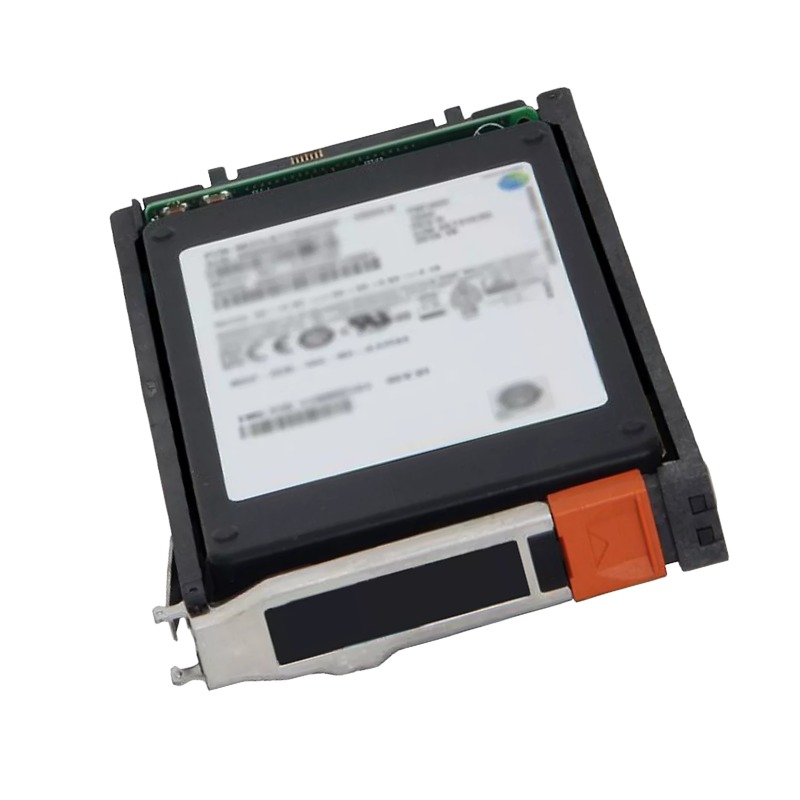


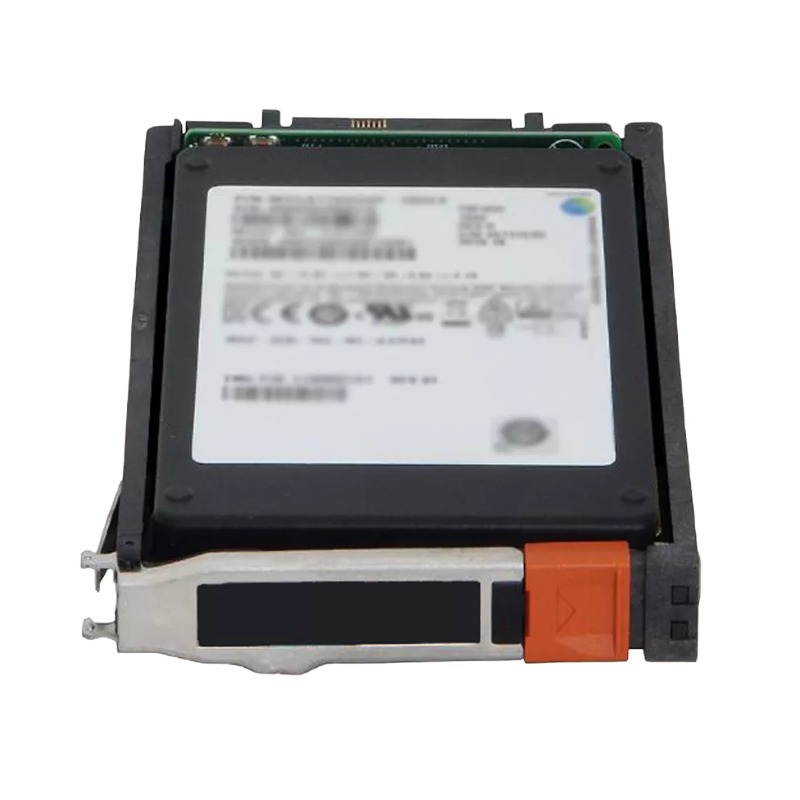
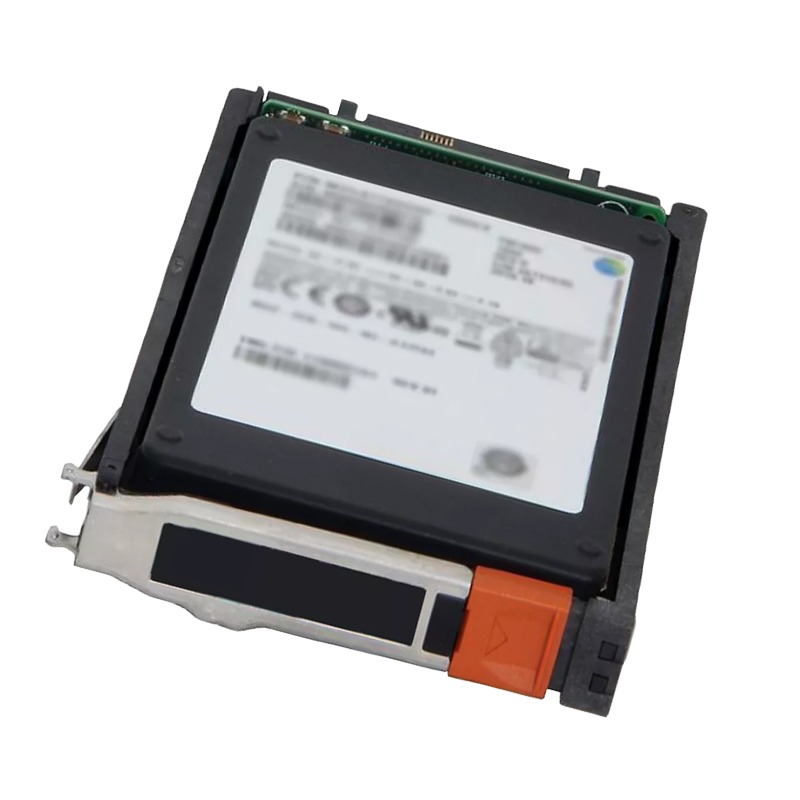
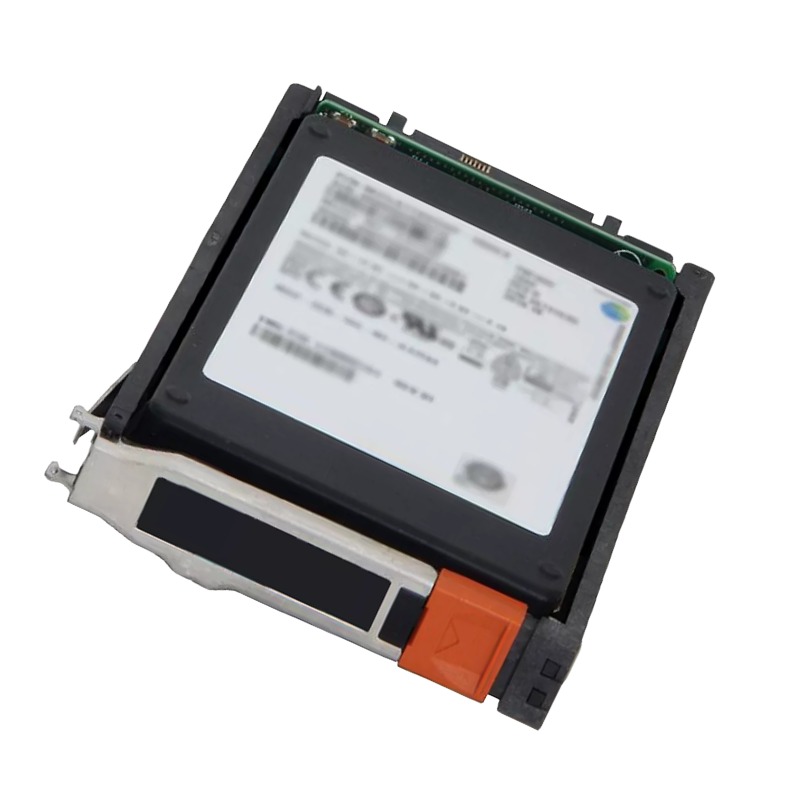
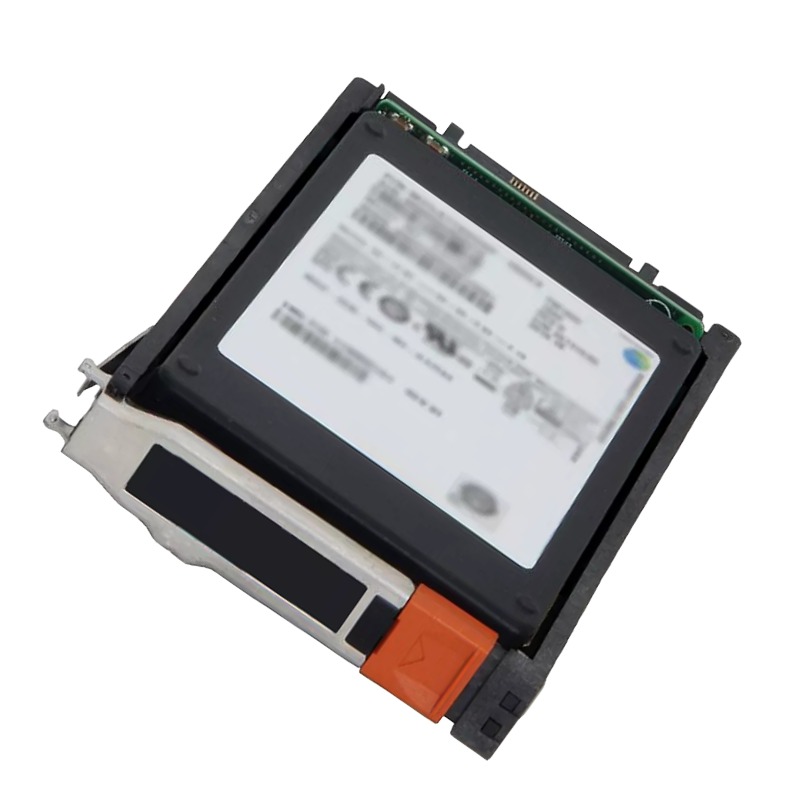
EMC 005054191 7.68TB SAS 12GBPS Enterprise SSD. Excellent Refurbished with 1 year Replacement Warranty
Enterprise-grade Serial Attached SCSI (SAS) solid state drives represent a foundational category within modern data center storage architectures. The 005054191 EMC 2.5Inch 7.68TB SAS 12Gbps Enterprise Solid State Drive belongs to a class of high-capacity, high-endurance storage solutions engineered for continuous operation, predictable latency, and uncompromising data integrity. This category focuses on delivering sustained performance under mixed workloads while maintaining enterprise-class reliability standards that far exceed consumer or entry-level storage devices.
SAS SSDs are designed specifically for enterprise servers and storage arrays where concurrency, fault tolerance, and scalability are non-negotiable. Unlike SATA-based alternatives, SAS interfaces support dual-port connectivity, allowing redundant data paths and high availability configurations. This feature is essential for clustered systems, virtualization platforms, and mission-critical databases where downtime is unacceptable. The 12Gbps SAS interface further enhances throughput capabilities, ensuring consistent data access even during peak usage periods.
One of the defining characteristics of this category is its focus on maximizing storage density without sacrificing performance. A 7.68TB capacity within a compact 2.5-inch form factor allows enterprises to consolidate data, reduce physical footprint, and optimize rack utilization. This density is particularly valuable in environments where space, power, and cooling efficiency are critical operational considerations.
High-density enterprise SSDs enable organizations to store large datasets locally within performance tiers rather than relying solely on slower archival storage. This approach improves data accessibility and reduces latency for analytics, transactional systems, and content delivery platforms. The category emphasizes efficient flash memory management, wear leveling, and over-provisioning techniques to ensure longevity despite the intensive write cycles typical of enterprise workloads.
Enterprise SAS SSDs are engineered to maintain stable input/output operations per second (IOPS) and throughput under sustained load. This consistency differentiates them from consumer-grade SSDs that may exhibit performance degradation during prolonged use. Advanced controllers, optimized firmware, and enterprise NAND technologies work together to deliver predictable response times across read-intensive, write-intensive, and mixed workloads.
For applications such as online transaction processing, virtualization clusters, and real-time analytics, consistent performance is often more critical than peak benchmark numbers. This category prioritizes steady-state performance, ensuring that service-level agreements are met and application behavior remains reliable during periods of high demand.
Reliability is a cornerstone of enterprise storage, and the category encompassing the 005054191 EMC SAS SSD is built around rigorous endurance and data protection requirements. These drives are designed for 24/7 operation in demanding environments, often supporting multiple drive writes per day over their usable lifespan. This endurance profile ensures that the drives can handle continuous transactional activity without premature wear.
Enterprise SSDs incorporate advanced error correction mechanisms, including sophisticated error correction code (ECC) and cyclic redundancy checks. These technologies detect and correct data errors in real time, preserving data integrity even as flash cells age. In addition, power-loss protection circuitry safeguards in-flight data by ensuring that cached writes are safely committed to non-volatile memory in the event of an unexpected power interruption.
Flash memory management is significantly more complex in enterprise environments than in consumer use cases. This category emphasizes intelligent wear-leveling algorithms that distribute write operations evenly across all memory cells, preventing localized wear and extending overall drive lifespan. Over-provisioned capacity further enhances endurance by providing spare blocks that can replace worn cells without impacting usable storage.
Background processes such as garbage collection and bad block management are optimized to run efficiently without disrupting foreground workloads. This ensures that performance remains stable even as the drive performs necessary maintenance tasks. The result is a storage solution that delivers both longevity and reliability, aligning with enterprise expectations for predictable behavior over time.
Enterprise SAS SSDs are frequently deployed in regulated industries where data integrity and availability are subject to strict compliance standards. Features such as end-to-end data protection, secure erase capabilities, and firmware-level safeguards support compliance with internal governance policies and external regulatory frameworks.
This category is well-suited for environments that require verifiable data handling practices, including financial services, healthcare systems, and large-scale government infrastructures. By prioritizing data accuracy and durability, enterprise SSDs contribute to a trustworthy storage foundation for sensitive and mission-critical information.
The SAS 12Gbps interface is a defining element of this category, providing significant performance advantages over legacy interfaces. With higher bandwidth and lower command latency, SAS SSDs can process a greater number of simultaneous commands, making them ideal for multi-user and multi-application environments. The interface supports full-duplex communication, enabling simultaneous read and write operations without contention.
Dual-port capability is another critical advantage of SAS-based storage. Each drive can be accessed through two independent paths, enhancing fault tolerance and enabling active-active configurations. This feature is particularly valuable in enterprise storage arrays and clustered server environments, where redundancy and failover are essential for maintaining continuous operations.
Enterprise environments rarely involve purely read-only or write-only workloads. Instead, they demand balanced performance across diverse access patterns. This category is optimized for mixed workloads, delivering low latency and high throughput regardless of the read-to-write ratio. Advanced caching strategies and queue management ensure that performance remains stable even as workload characteristics change.
Applications such as virtual desktop infrastructure, enterprise resource planning systems, and large-scale databases benefit from this balanced approach. By handling concurrent operations efficiently, enterprise SAS SSDs help maintain application responsiveness and user satisfaction.
Low and predictable latency is a key performance metric for enterprise storage. SAS SSDs are engineered to minimize latency spikes that can disrupt application performance. Firmware optimizations and high-speed controllers work together to ensure that data access times remain consistent, even under heavy load.
This focus on latency sensitivity makes the category suitable for real-time applications, transactional databases, and latency-critical services where milliseconds can have a measurable impact on outcomes. The result is a storage solution that supports demanding performance requirements without compromising reliability.
The 2.5-inch form factor is a standard within enterprise server and storage ecosystems, and this category leverages that standard to ensure broad compatibility. Compact dimensions allow for high drive counts within dense enclosures, enabling scalable storage configurations that can grow alongside organizational needs. This scalability is essential for enterprises managing rapidly expanding datasets.
Hot-swappable design is another key attribute of this category. Drives can be installed or replaced without powering down systems, supporting maintenance and upgrades with minimal operational disruption. This capability is particularly important in high-availability environments where downtime must be minimized.
Enterprise SAS SSDs are designed to integrate seamlessly with a wide range of servers, storage arrays, and controllers. Firmware compatibility and standardized interfaces simplify deployment and reduce integration risks. This category is commonly used in tiered storage architectures, where high-performance SSDs complement higher-capacity spinning disks or other storage media.
By supporting common enterprise protocols and management tools, these drives enable centralized monitoring and maintenance. Administrators can track health metrics, performance statistics, and endurance indicators, allowing for proactive management and capacity planning.
Scalability and compatibility contribute to long-term value by future-proofing storage investments. As data volumes grow and application demands evolve, enterprise SAS SSDs can continue to serve as reliable performance tiers within expanding infrastructures. Their standardized form factor and interface ensure ongoing relevance as systems are upgraded or reconfigured.
This category supports modular growth strategies, allowing organizations to add capacity incrementally without redesigning their entire storage architecture. Such flexibility is essential for maintaining operational agility in dynamic business environments.
The category represented by the 005054191 EMC 7.68TB SAS SSD is designed to support a wide range of enterprise use cases across multiple industries. Its combination of capacity, performance, and reliability makes it suitable for both primary storage and high-performance tiers within larger storage ecosystems. Organizations rely on this class of drives to support critical workloads that demand consistent access to large volumes of data.
In data center environments, enterprise SAS SSDs are frequently used to accelerate databases, support virtualization platforms, and enable high-speed analytics. Their ability to handle concurrent access patterns makes them ideal for shared storage scenarios where multiple applications and users access the same data simultaneously.
Virtualized environments place unique demands on storage systems, including high IOPS, low latency, and the ability to handle unpredictable workloads. This category excels in such scenarios by providing the performance consistency required to support multiple virtual machines and containers on shared infrastructure.
Cloud service providers and private cloud deployments benefit from the scalability and reliability of enterprise SAS SSDs. These drives help ensure that service performance remains stable as workloads scale, supporting service-level objectives and customer satisfaction.
Databases and transactional systems are among the most demanding storage workloads, requiring fast access times and absolute data integrity. Enterprise SAS SSDs provide the necessary performance characteristics to support high transaction rates and complex queries. Their endurance and data protection features ensure that critical records remain accurate and accessible over time.
From financial transaction processing to inventory management and customer relationship systems, this category underpins applications that are central to organizational operations. By delivering reliable performance and robust data protection, enterprise SAS SSDs enable businesses to operate with confidence and efficiency.


 Contact Us
 Information
 Catalog
 Solid State Drives (SSD)
 Network Switches
 Hard Disk Drives
 HBA & Controllers
 PC & Servers
 PC & Server Memory
 CPU & Processors
 Network Routers
 Power Supplies
 Tape Drives & Libraries
 Network Devices
 Computer & Network Cables