(7% discount is applied at checkout)
Cart is empty
Your go-to destination for cutting-edge server products
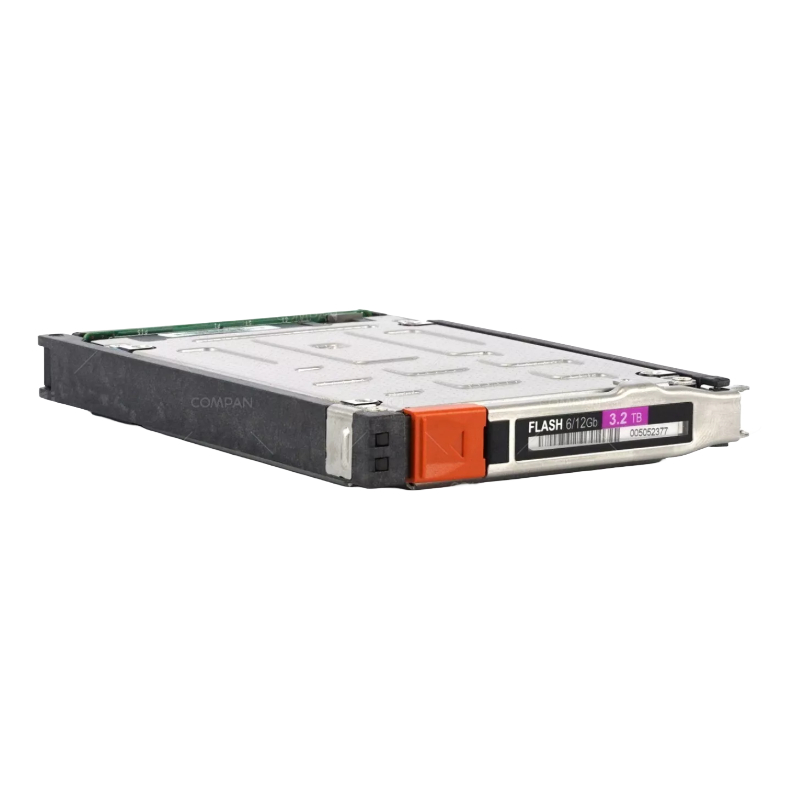


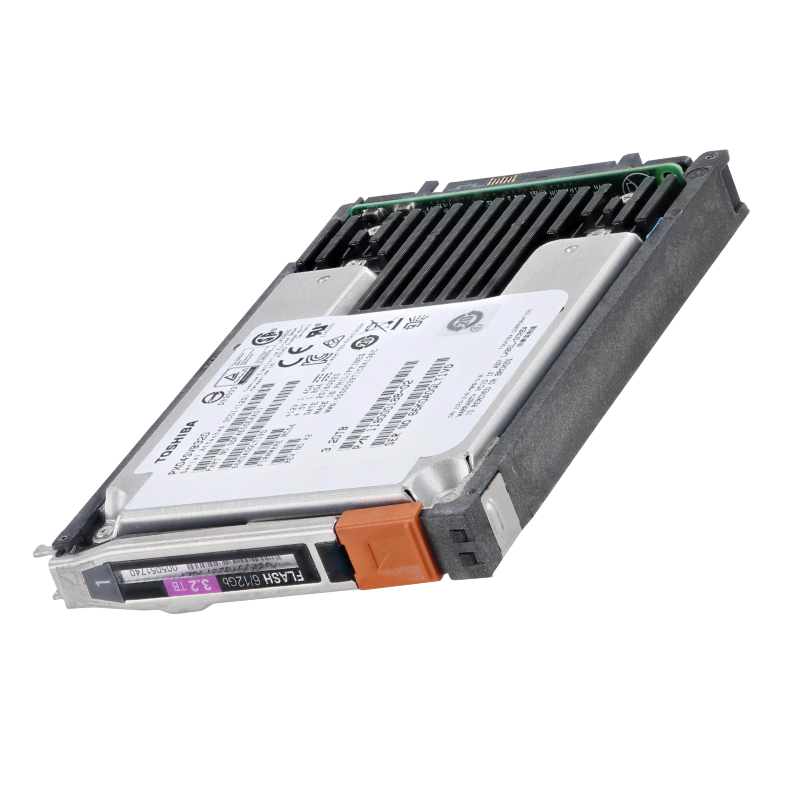
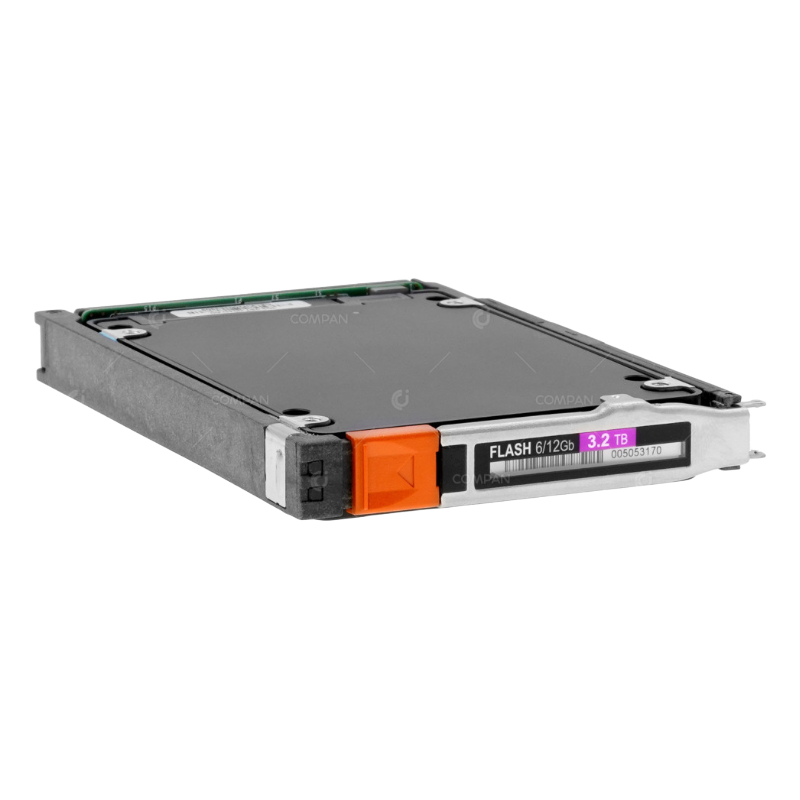
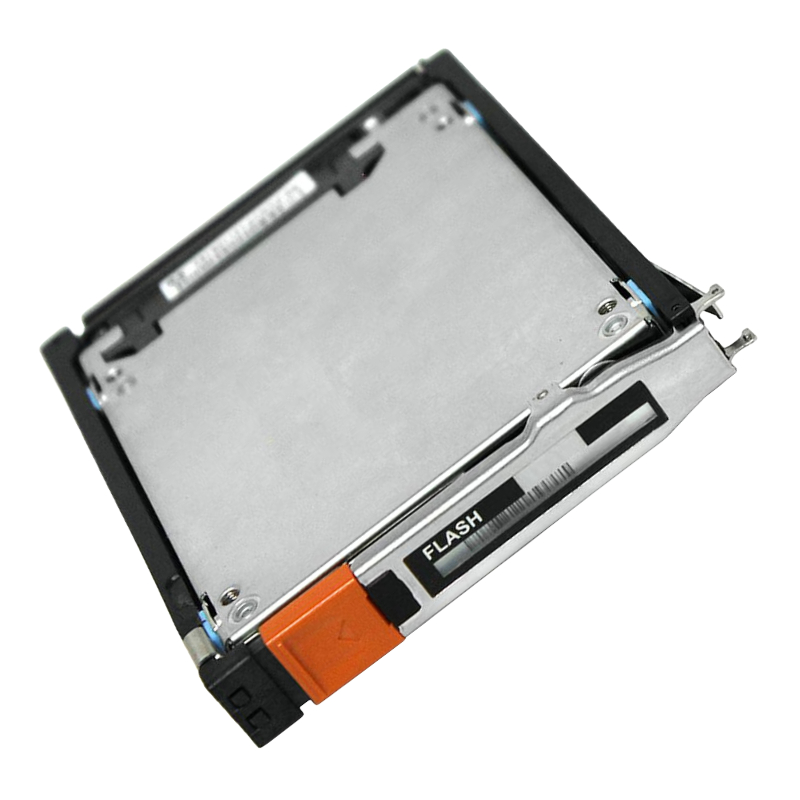
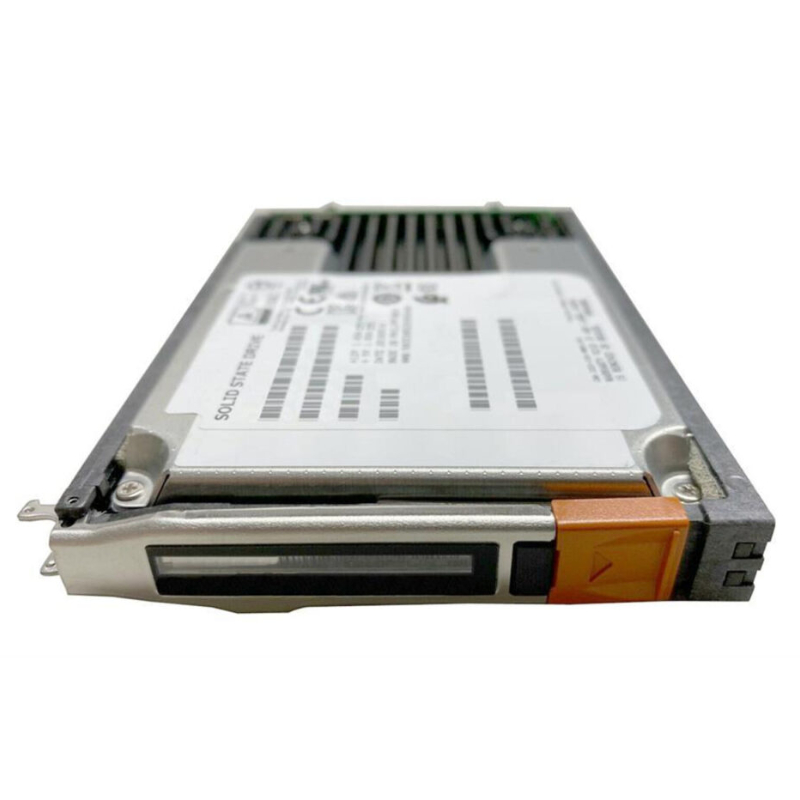
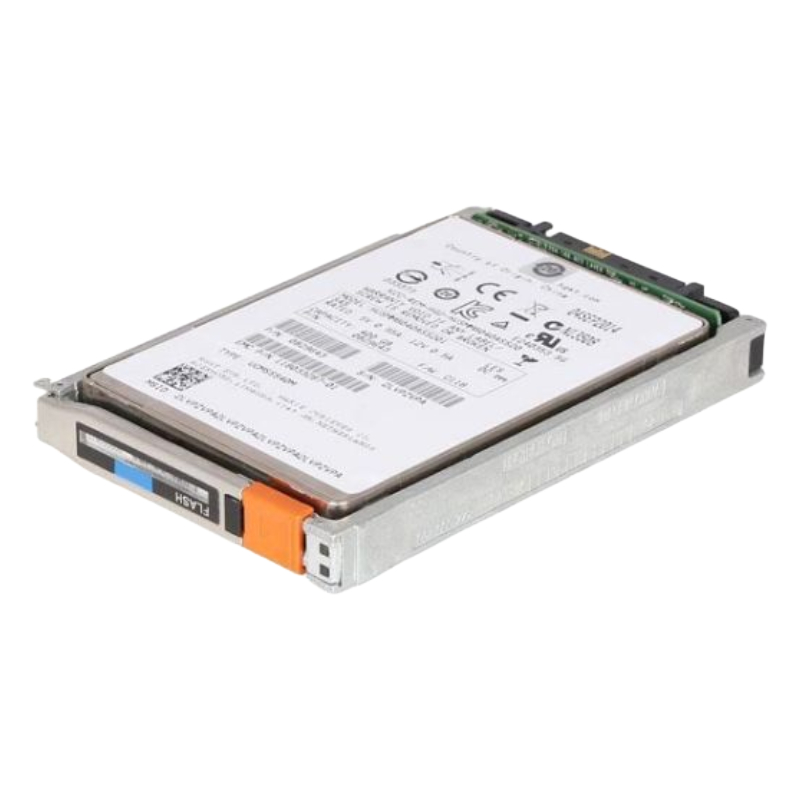
EMC D3F-2S12FXL-3200 3.2TB SAS-12GBPS SFF Enterprise Solid State Drive. Excellent Refurbished with 1 year replacement warranty
The EMC D3F-2S12FXL-3200 is a robust solid-state drive engineered for demanding enterprise environments. With a compact SFF design and blazing-fast SAS-12Gbps interface, it delivers exceptional performance and reliability for mission-critical applications.
The EMC D3F-2S12FXL-3200 is a 3.2TB enterprise-grade solid state drive designed for high-performance SAN and unified storage arrays where predictable low latency, sustained throughput, and enterprise-level endurance matter. Built in a 2.5-inch small form factor (SFF) and communicating over a 12 Gbps SAS interface, this drive is engineered for heavy mixed workload environments such as virtualized datacenters, database systems, and high-transaction cloud infrastructure where density and speed must coexist. The drive model is identified by Dell EMC-style part identifiers and appears in inventories as D3F-2S12FXL-3200 and close variants used by Unity and other EMC/Dell OEM platforms, making it a common replacement and upgrade choice for legacy and refreshed Unity arrays.
This unit adopts the 2.5-inch SFF mechanical footprint optimized for high-density disk enclosures and 2.5-inch slots in modern storage arrays and servers. The SFF form factor keeps physical volume small while enabling large aggregate capacity when drives are deployed in dense enclosures or multi-drive shelves. The native interface is 12 Gbps SAS, which provides enterprise-level link reliability, full-duplex operation where supported, and robust interoperability with a wide range of SAS backplanes and HBAs designed for enterprise storage workloads. These traits make it straightforward to deploy this drive in existing SAS-based storage arrays or server bays without requiring a complete redesign of the back-end infrastructure.
With a raw capacity commonly listed at 3.2 terabytes, the D3F-2S12FXL-3200 hits a useful midpoint between mainstream enterprise capacities and ultra-high-density flash drives. In array deployments, usable capacity varies by RAID level, deduplication, compression, and thin provisioning. When designing capacity pools for mixed workloads, this drive size enables administrators to balance cost-per-GB while keeping IOPS per drive and aggregate array density predictable. OEM listings and spare-part references make the 3.2TB figure an anchor point when spec’ing replacement drives or planning capacity growth in EMC Unity and similar arrays.
Enterprise SSDs such as this model deliver consistently lower latency and higher sustained throughput than spinning media, particularly for random read and mixed read/write patterns common in virtual machines and database operations. The SAS 12 Gbps link removes a potential interface bottleneck that might otherwise constrain peak sequential throughput, enabling the drive to realize its internal NAND and controller bandwidth. For mixed transactional workloads the D3F-2S12FXL-3200 emphasizes predictable tail latency and sustained IOPS rather than raw burst metrics alone, which is critical when many virtual machines are consolidated on the same array. System architects prefer drives with this profile for latency-sensitive tiers and hot pools where Quality of Service and consistent response times are prioritized.
Designed for heavy production use, the D3F-2S12FXL-3200 implements enterprise-focused endurance characteristics in its NAND flash management, wear-leveling algorithms, and over-provisioning. Drive health telemetry exposed via SMART attributes and vendor-specific monitoring can be integrated into array management software to proactively flag thermal excursions, media wear, or firmware alerts. This telemetry enables administrators to plan replacements before performance erosion impacts service levels. Endurance metrics vary with workload type, write amplification, and array-level features such as deduplication and compression, but enterprise drives of this class are engineered to handle steady, high-write duty cycles commonly seen in database logging and write-intensive VM tiers.
To defend against silent data corruption and ensure in-flight and at-rest integrity, enterprise SSDs employ multiple layers of protection such as end-to-end data path protection, advanced ECC, power-loss protection capacitors, and firmware checksumming. The D3F-2S12FXL-3200, when deployed in EMC Unity and similar storage platforms, partners with the array’s firmware to preserve consistency across write caches and replication streams. These protections reduce the risk of data loss during unexpected power events and maintain block-level integrity under heavy I/O and rebuild scenarios.
This drive is commonly referenced in spare parts and reseller inventories as an EMC or Dell EMC Unity-compatible SSD with part numbers mapped to D3F-2S12FXL-3200 and nearby revisions. Because many enterprises operate Unity 300/400/500/600 and other Unity family arrays, this SSD has become a recognized replacement option for those platforms. When procuring drives for OEM arrays, it is important to confirm firmware version compatibility and OEM compatibility lists to ensure the array accepts the drive natively without the need for cross-flashing or special firmware updates. Resellers and refurbishers often label units to reflect compatibility with Unity series arrays and various EMC part numbers.
The D3F-2S12FXL-3200 is well-suited for hot tiers where random IOPS and low latency are critical, such as transactional databases, VDI boot storms, active VM working sets, and cache pools in hybrid arrays. When building performance tiers, these SSDs deliver a balance of capacity and performance that allows administrators to create a fast pool for frequently accessed data without the cost penalty of the highest-capacity, ultra-low-latency NVMe drives.
In hybrid arrays where a mix of HDDs and SSDs provides multi-tiered storage, this drive can be used in performance tiers or as the basis of a mid-tier for frequently accessed datasets. Because arrays often employ automated tiering and adaptive caching, the drive density and endurance influence the size and behavior of the hot tier. Proper capacity planning includes estimating growth, forecasted IOPS, average block size, and the effect of dedupe/compression on effective capacity, ensuring that the deployed SSD pool supports expected workload profiles throughout its service lifecycle.
Thermal management is essential for consistent SSD performance and lifespan. Ensure that chassis fans, drive caddies, and array enclosures maintain manufacturer-specified airflow paths and ambient temperature ranges. When populating high-density trays, verify that adjacent hot components or obstructed airflow won’t push the drive into thermal throttling regions that degrade latency and throughput. Proper rack planning and monitoring prevent thermal stress and reduce the risk of premature wear or performance throttling.


 Contact Us
 Information
 Catalog
 Solid State Drives (SSD)
 Network Switches
 Hard Disk Drives
 HBA & Controllers
 PC & Servers
 PC & Server Memory
 CPU & Processors
 Network Routers
 Power Supplies
 Tape Drives & Libraries
 Network Devices
 Computer & Network Cables